

The quiet frontier? With minefields cleared, Golan Heights readies for construction boom
Despite local volatility, residents brace for speedy growth and bolstered infrastructure as part of recently approved 5-year plan allocating NIS 1 billion to develop area by 2030
 Add ToI as a Preferred Source on Google
Reporter at The Times of Israel
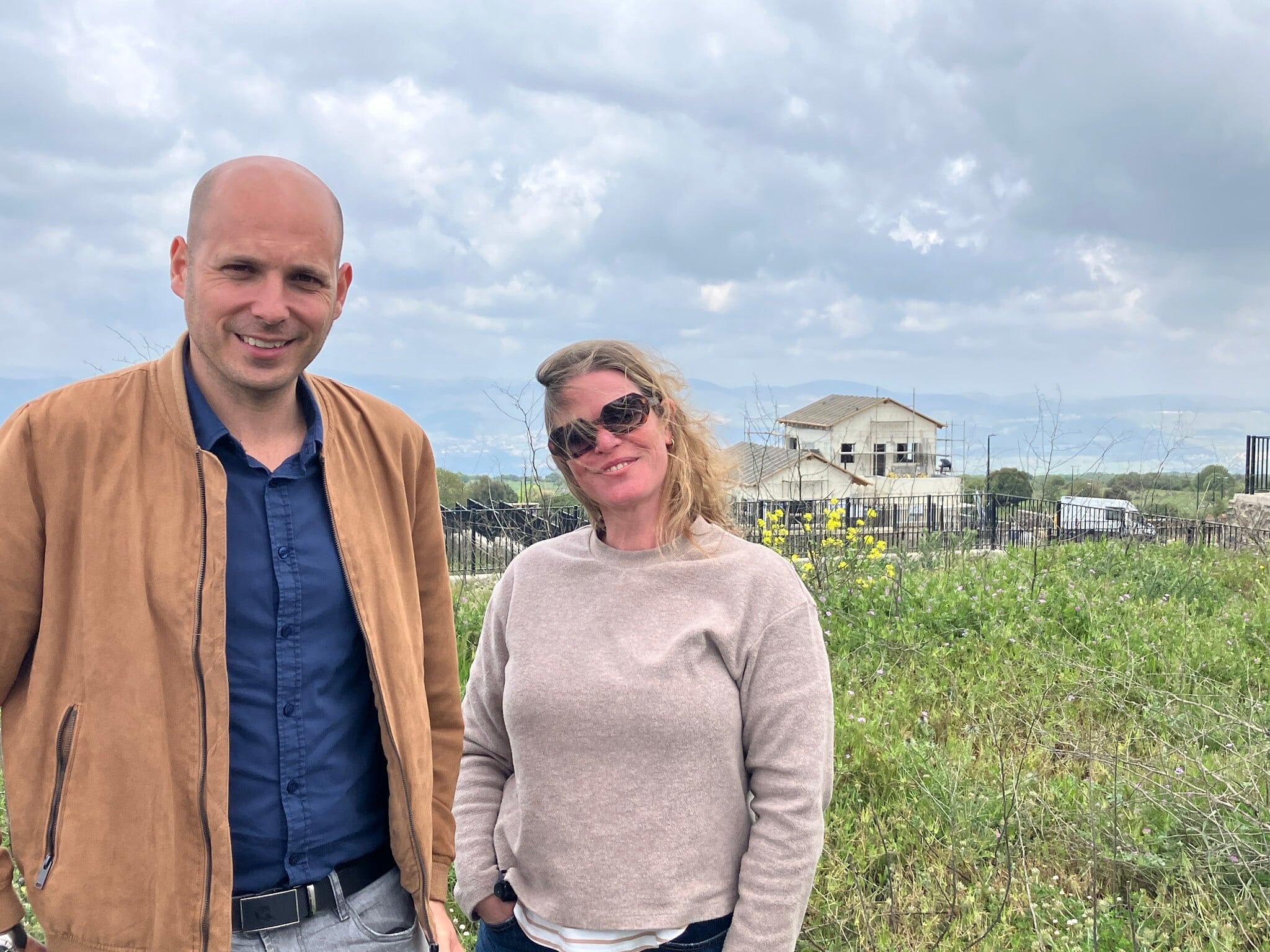
KATZRIN — Despite more than two years of continued tensions on both the Syrian and Lebanese fronts, this border town in the Golan Heights feels like a sleepy place, somehow insulated from conflict.
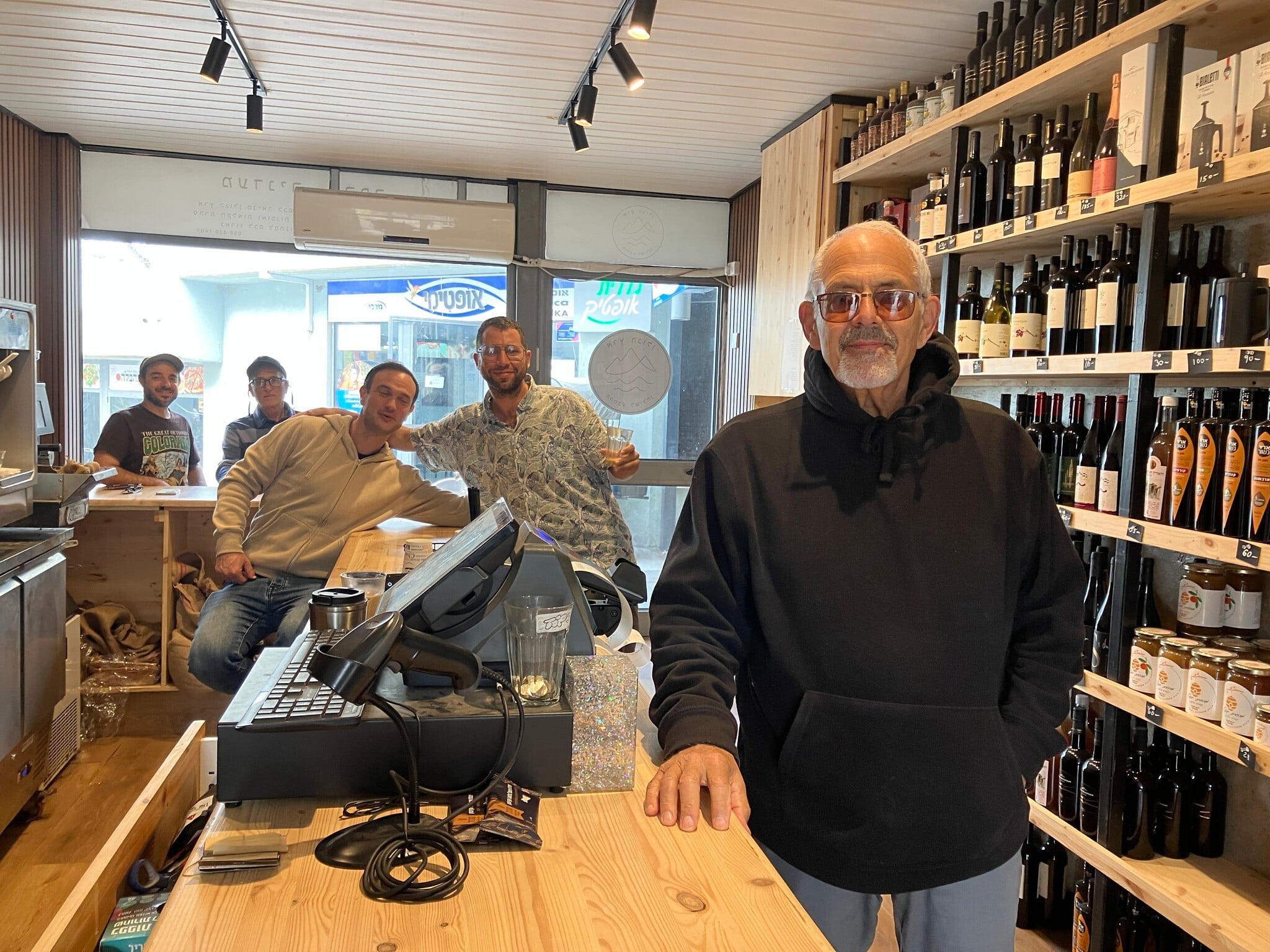
On a recent early morning, Richard Zwerling, who moved to Katzrin from Arizona last year, stopped by the Craft Roasters and Artisan Market on the town’s central square, where a group of regulars, all American immigrants, were having coffee.
The town of about 8,000 residents “feels like a small town in America,” Zwerling said. “It’s almost impossible to get home when you’re walking around, because you’re talking to everybody.”
The floor-to-ceiling shelves of the coffee shop, opened last September, are lined with Golan products, including whiskeys made by its owners, Alona Sadovski Zibell and David Zibell, who own Golani Distillery.
However, since mid-April, when the government approved a five-year plan to develop the Golan Heights by 2030, with a total investment of approximately NIS 1 billion ($330 million), it is clear the town is about to wake up.
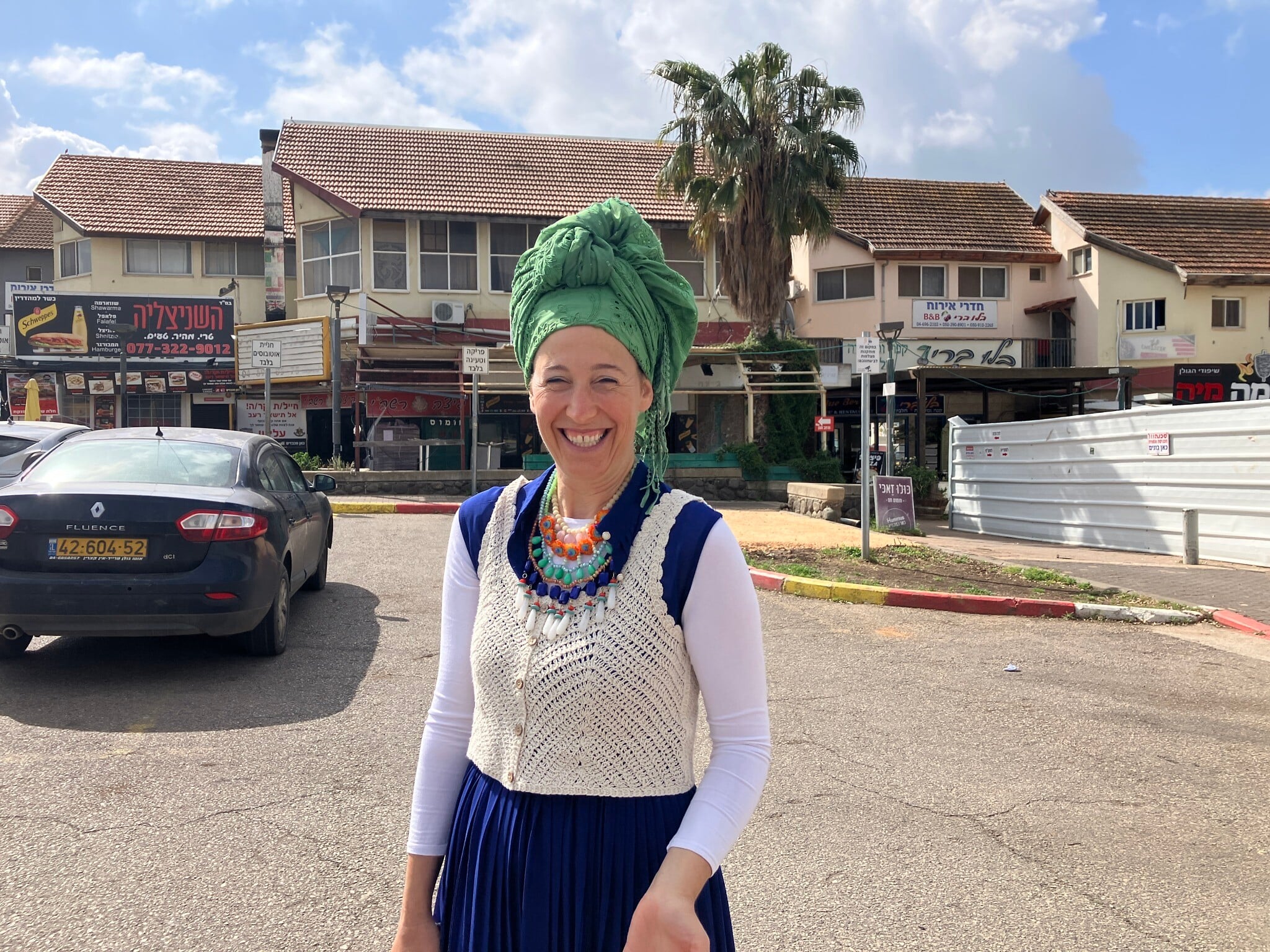
“Today we made history by turning Katzrin into the first Israeli city in the Golan,” Ze’ev Elkin, a minister in the Finance Ministry tasked with rehabilitating the country’s perimeter, said in a statement coinciding with the government’s announcement.
The move will bring 3,000 new families to the Golan and Katzrin, along with investment in infrastructure, housing, public services, and education.
The University of Kiryat Shmona (formerly Tel-Hai College) will open a branch in Katzrin and a veterinary hospital.
As part of the development package, the government has set aside NIS 150 million ($50 million) to clear minefields so that land can be used for agriculture, commerce, housing and industry.
Last week, the Defense Ministry’s Israel National Mine Action Authority (INMAA) cleared away 700 dunams (173 acres) filled with mines and unexploded ordnance near Katzrin.
“The whole area is going to blossom,” said the mayor, Yehuda Dua, 33, in a recent video call with The Times of Israel. “There will be 20,000 residents in three to four years.”
The Israel National Mine Action Authority (INMAA) of the Israel Defense Ministry cleared away 700 dunams (173 acres) of minefields in the Golan Heights near the Syrian Border on April 27, 2026. (Courtesy/Israel National Mine Action Authority )
There are currently about 300 English-speaking families in Katzrin and Dua plans to attract more.
Dua, who prides himself on being Israel’s youngest mayor, said he hopes “we’ll be a big city with the community feeling of a village.”
“We’re very unique with a lot of potential,” he said.

Uncertainty along the border
Unsurprisingly, one of Dua’s main concerns is security.
The Golan saw some 2,000 attacks from Hezbollah, the Iranian-backed terror group in Lebanon, in the past two years. But unlike in other parts of northern Israel, residents of Katzrin and the Golan were not evacuated.
In July 2024, a deadly Hezbollah missile attack killed 12 children and teenagers on a soccer field in Majdal Shams, a Druze town 40 kilometers (24 miles) away from Katzrin.
Then, in Syria in December 2024, former al-Qaeda terrorist Ahmed al-Sharaa seized power from strongman Bashar al-Assad.
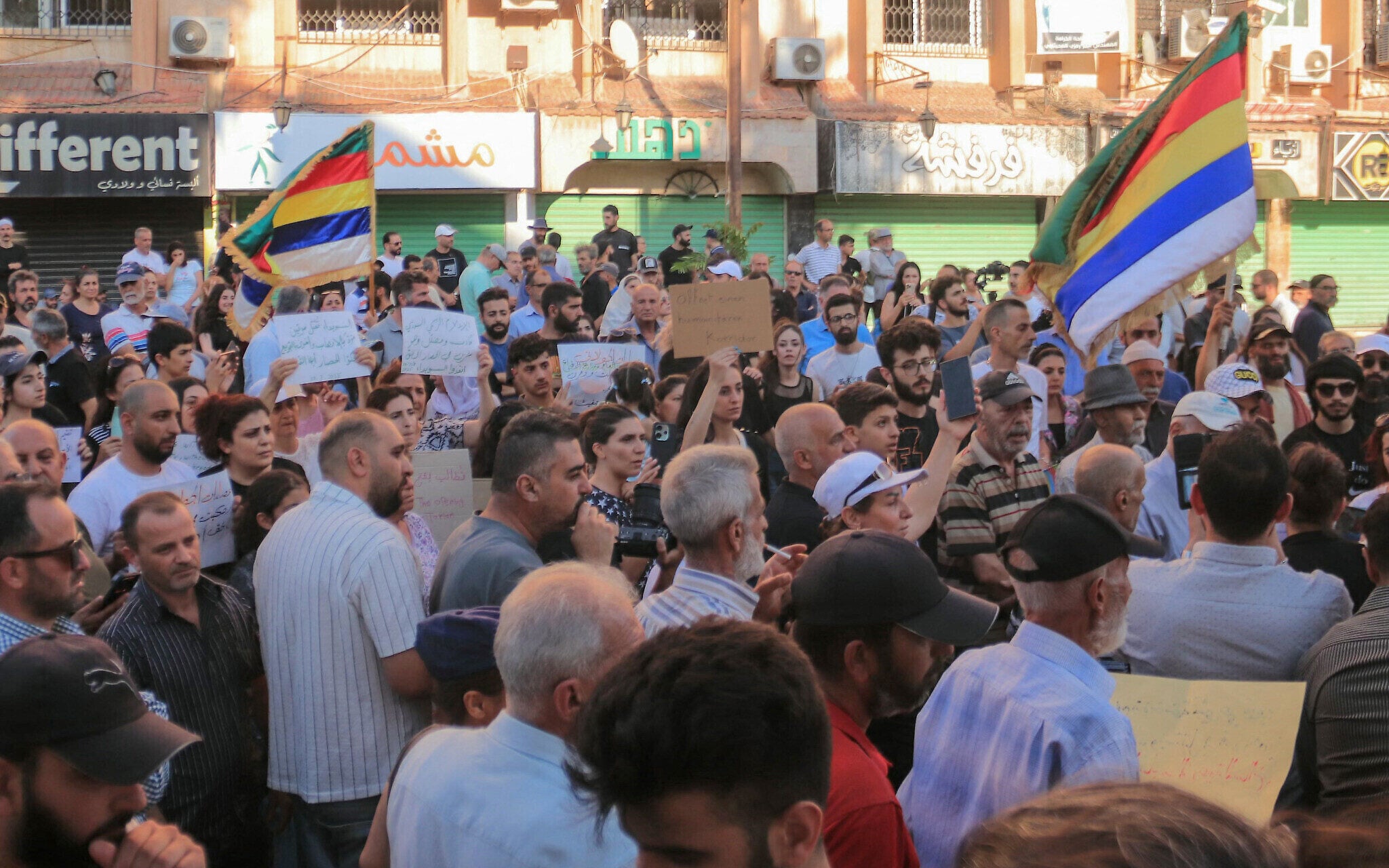
At first, al-Shaara vowed that his new government would protect religious minorities, but hundreds of Druze, Christians and Alawites — former Assad loyalists — have been killed under his rule.
In July 2025, government-led forces killed 1,800 Syrian Druze amid acts of sexual violence and cruelty in southern Syria’s predominantly Druze city of Sweida.
“Nobody knows what al-Sharaa will do next,” Dua said, saying that he has strengthened the bonds with the Golan Druze community because “we’re soul brothers.”
When Israel effectively annexed the Golan Heights in 1981, it offered full citizenship to its roughly 29,000 Druze residents. Most opted for permanent residency that allowed them to work and travel freely in Israel while maintaining their Syrian identity.
But since “the tragedy in Majdal Shams and the horrific massacres of Druze in Syria,” applications for citizenship by Golani Druze have “surged by 1,000 percent,” said Yaakov Selavan, Golan Regional Council Deputy Head.
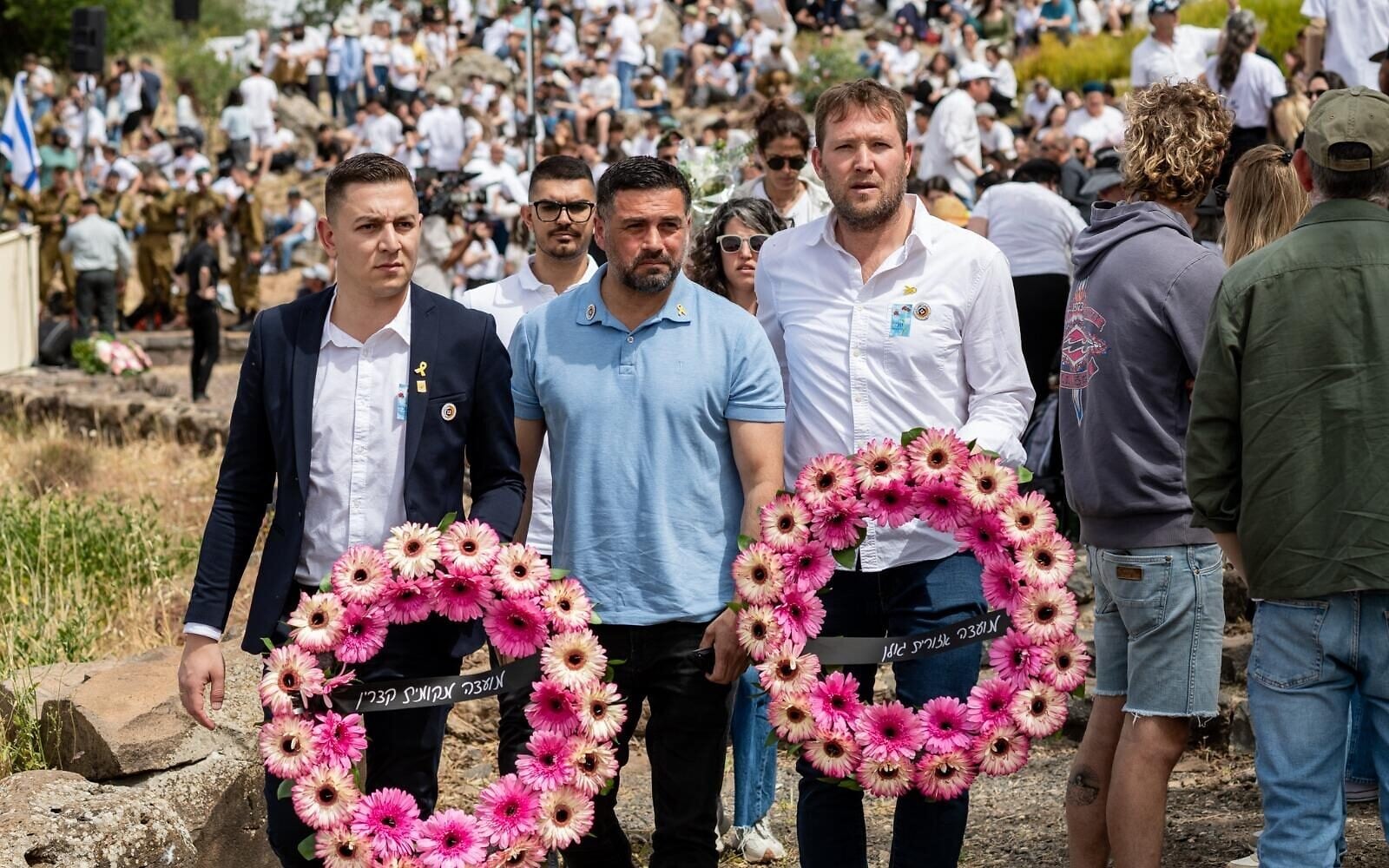
Selavan spoke with The Times of Israel in Hubazelet, a center of high-tech offices and workspaces at Wasset Junction, about 21 kilometers (13 miles) from Katzrin, stressing the importance of strengthening the bonds with the Druze in the area.
In March 2025, the government also approved a five-year plan worth approximately NIS 3.9 billion ($1.3 billion) to resolve the housing and planning issues affecting Druze communities in northern Israel. The plan includes financial help for the 5,000 Circassians in northern Israel, who are Sunni Muslims.
Selavan said that the government is aware of Israeli Druze with “their kin facing slaughter across the border,” and is considering providing work visas to Syrian Druze, allowing them to cross the border to work in the Golan.
The new frontier
The Golan Heights encompasses about 1,300 square kilometers, or 500 square miles, of a massive volcanic plateau.
Underneath its rolling hills and prairies is basalt rock. When it breaks down, it creates mineral-rich soil, perfect for fruit trees, grasses, vineyards, and grazing cattle — but, as of yet, not for large numbers of people.
“We no longer call this area the periphery because we see it as the frontier,” Selavan said. “We also prefer to say the Golan, rather than the Golan Heights.”
He explained that in a 2002 survey, when respondents were asked about the Golan Heights, they thought of “strategy and war.”
In 2020, when asked about “the Golan,” respondents thought of “cherry trees, wine, and vacations.”
Yet there are challenges to attracting people to live in the area. Selavan pointed out that there is a lack of quality health care, educational opportunities for children, and basic infrastructure.
“When there is wind and rain, there’s no internet,” he said.
Reut Tal-Levy, in charge of demographic growth in the Golan, sat in on the meeting with The Times of Israel.
She spoke about attracting more families to the area.
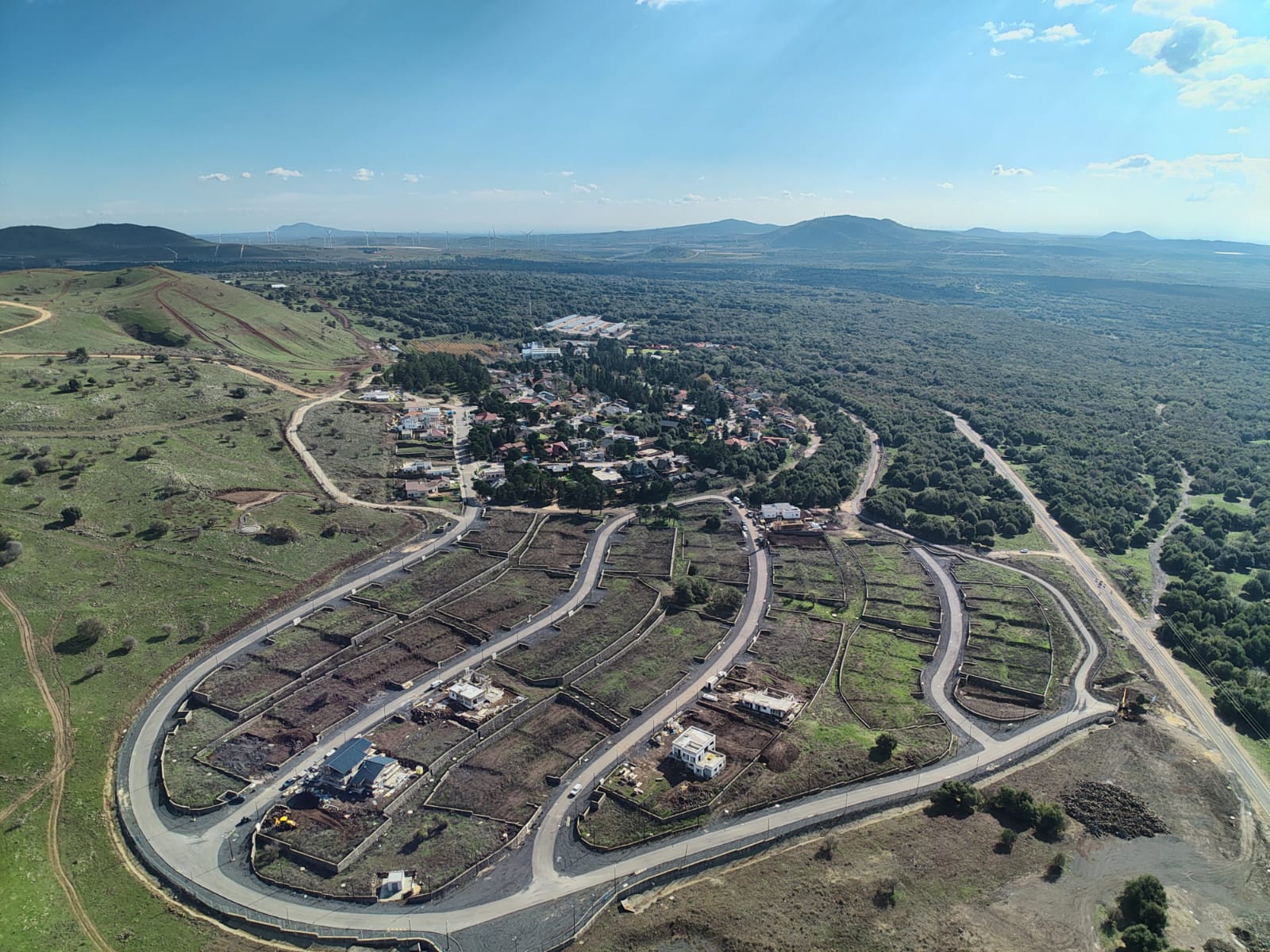
“Every community in the area needs to grow,” she said. Her community of Odem has plans to triple its population from 20 families to 60 in the next few years.
When Trump Heights offered 24 properties for sale in 2025, 400 families applied to purchase land. The same number of people recently expressed interest in 33 plots in Kela Alon, a community with about 400 residents about 15 kilometers (nine miles) away from Odem.

However, finding employment is still a challenge. More than 30% of the Golan’s residents are employed in education and agriculture, two of the lowest-paying professions in Israel.
On the other hand, the region has the second-highest number of self-employed people after Tel Aviv.
“We’re pushers,” Selavan said.
Tal-Levy added that there are a lot of initiatives in agriculture, including agri-tourism, AI, and research and development.
Continuing the family business
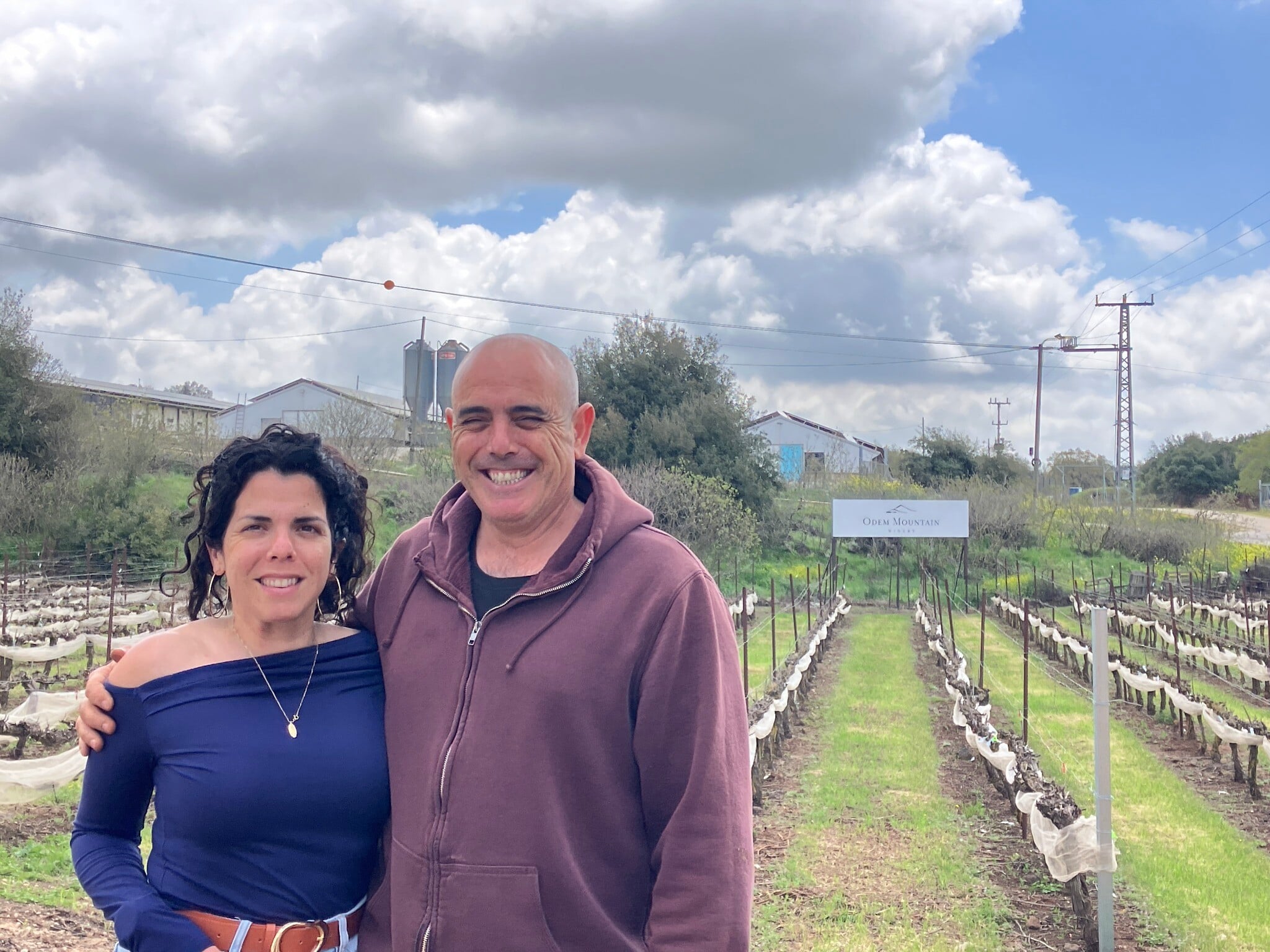
At the Odem Mountain Winery, siblings Yishai Alfasy and Yaara Alfasy now manage the winery that their parents began in the 1970s.
“We went from producing 7,000 bottles [annually] to 200,000 bottles today,” Yishai said. “Even during the war, we never stopped producing wines.”
“There’s meaning for us here,” said his sister, Yaara. “And it’s morally important that we stay.”
Selavan, who lives in another small Golan community, Yonatan, about 30 kilometers (18 miles) away, joined the conversation, saying that their presence “protects the country.”
“We now see the necessity of a strong civilian frontier,” Selavan said. “Bringing more people here serves as an anchor to protect Israel, not less and — maybe even more — than tanks and jet fighters.”









The Times of Israel Community.