

‘This is my third war’: Ukraine’s elderly are conflict’s forgotten victims
Older people are more vulnerable during war due to their physical health, isolation, limited mobility, advocates say
 Add ToI as a Preferred Source on Google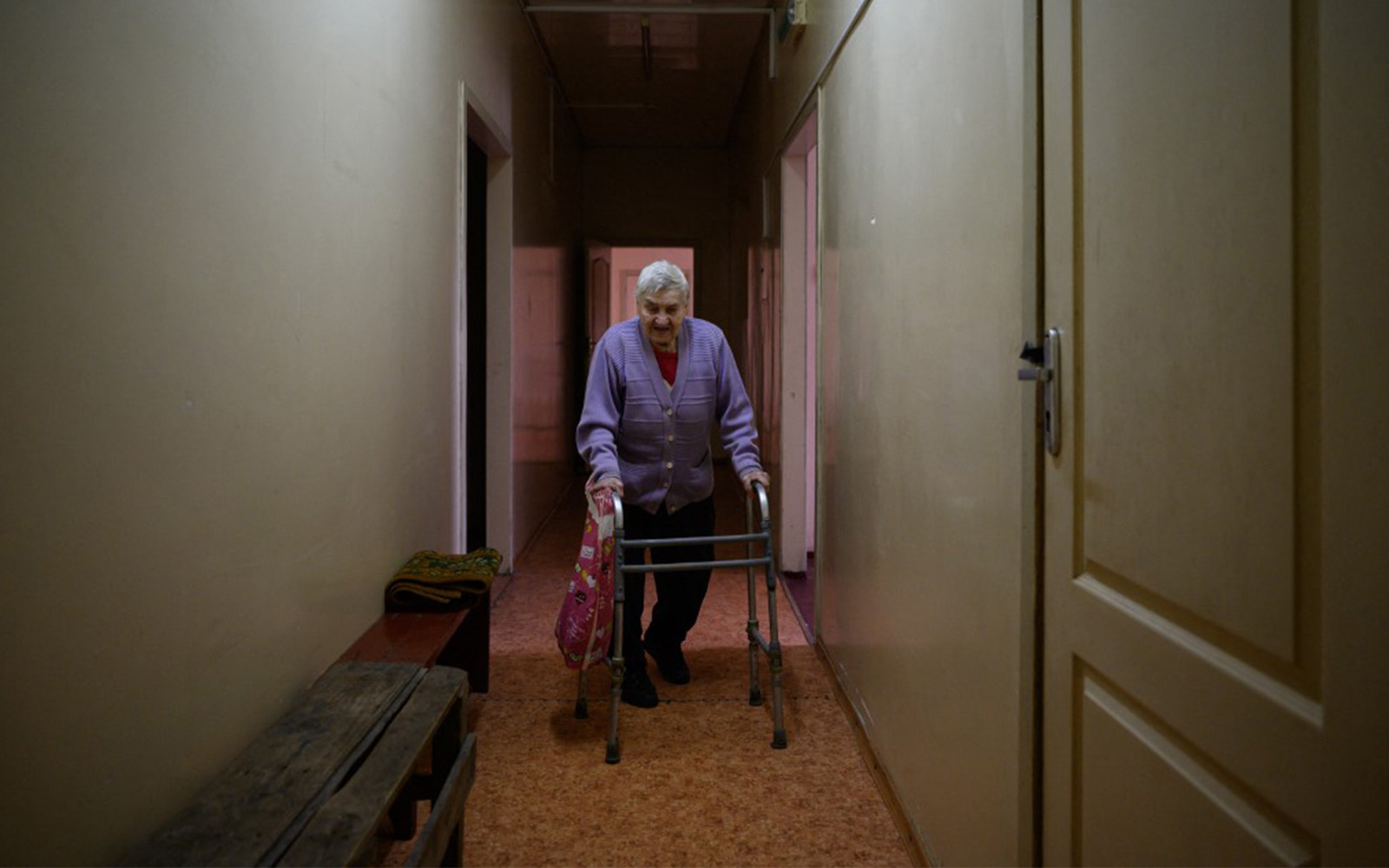
AFP — Shuffling down the corridor of a refugee center in Ukraine with his grey tracksuit sleeve rolled to his shoulder, 71-year-old Vladimir Lignov revealed the remains of a severed limb he says he can still feel.
“It was on the 21st of March, I went out to smoke. Then a shell hit. I lost my arm,” he said, recalling the strike on his home in Avdiivka, an industrial hub in east Ukraine and a military priority for invading Russian forces.
Now in relative safety in the central Ukraine city of Dnipro, the former train conductor is among what aid workers say is a particularly vulnerable segment of the population — the elderly.
In the Dnipro maternity hospital, hastily opened up to accommodate people fleeing Moscow’s forces, Lignov is struggling to come to terms with what happened and why — not to mention what might come next.
Medical staff at the Myrnorad hospital, near ongoing fighting and where Lignov was treated after the strike, said he should return for treatment in a week.
Staff in Dnipro, he said, told him he should return in three days.
“I don’t understand what’s going on. Maybe it’s better if I just go to the graveyard. I don’t want to go on living,” he said, as another elderly man hobbled past him in the corridor.
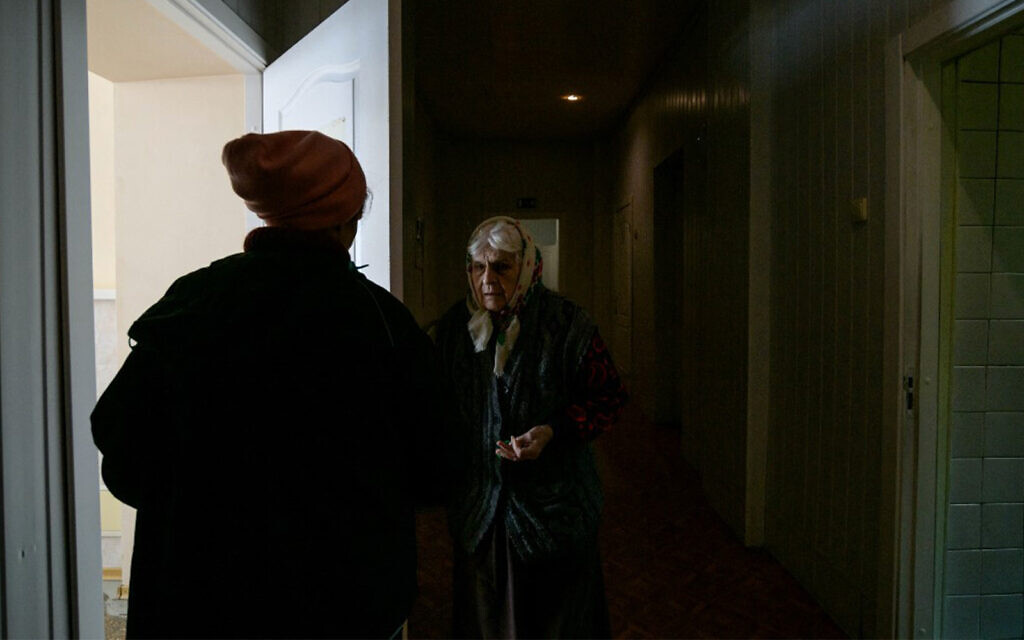
A van arrived from the east ferrying three elderly people groaning in pain. Volunteers lowered them gingerly into wheelchairs.
Other passengers were erratic. One man, dazed, reached for his cigarettes as soon as he got out of the van and grabbed his belongings as if he was rushing to safety.
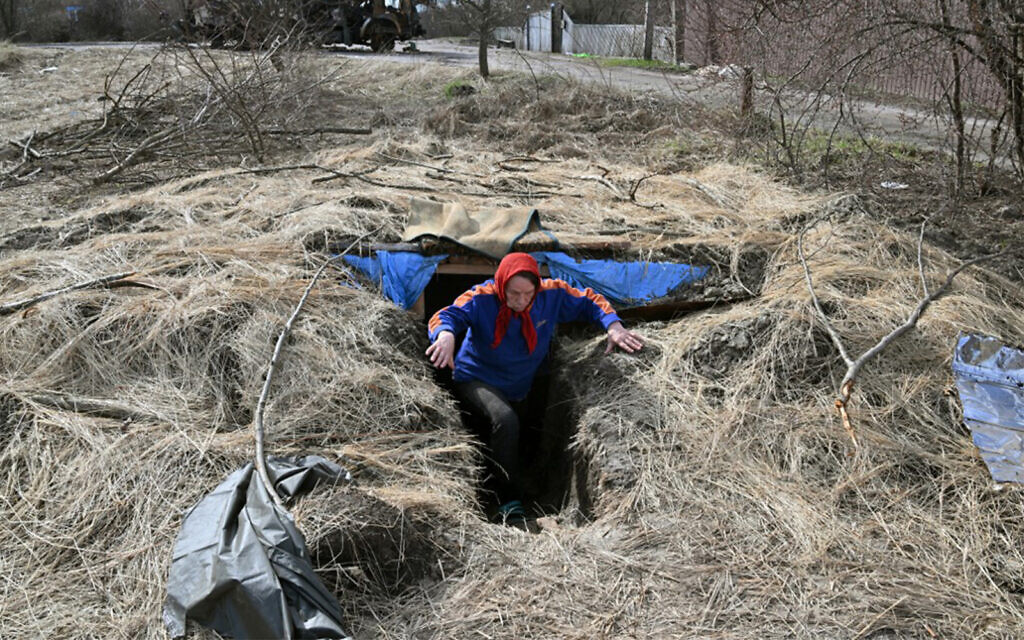
“The hardest are the people who spent long stretches in cellars,” said Olga Volkova, the volunteer director of the center, which houses 84 residents, mostly elderly.
“A lot of people were left on their own. We helped them before the war, but then they were left to fend for themselves,” Volkova said.
The elderly are “often forgotten, very vulnerable” in times of war, said Federico Dessi, the Ukraine director of the NGO Handicap International, a group that provides equipment and will financially help the Dnipro home.
Cut off from their families and “sometimes unable to use telephones or communicate,” they are particularly vulnerable in conflicts, Dessi said.
Leaving aside physical health, the elderly often require “additional help, which is often not available,” he said.
Aleksandra Vasiltchenko, an 80-year-old ethnic Russian from Ukraine, is luckier than most of the other new arrivals.
For one, she is sure on her feet, despite other ailments, and her grandson came to pick her up as soon as she arrived at the Dnipro home.
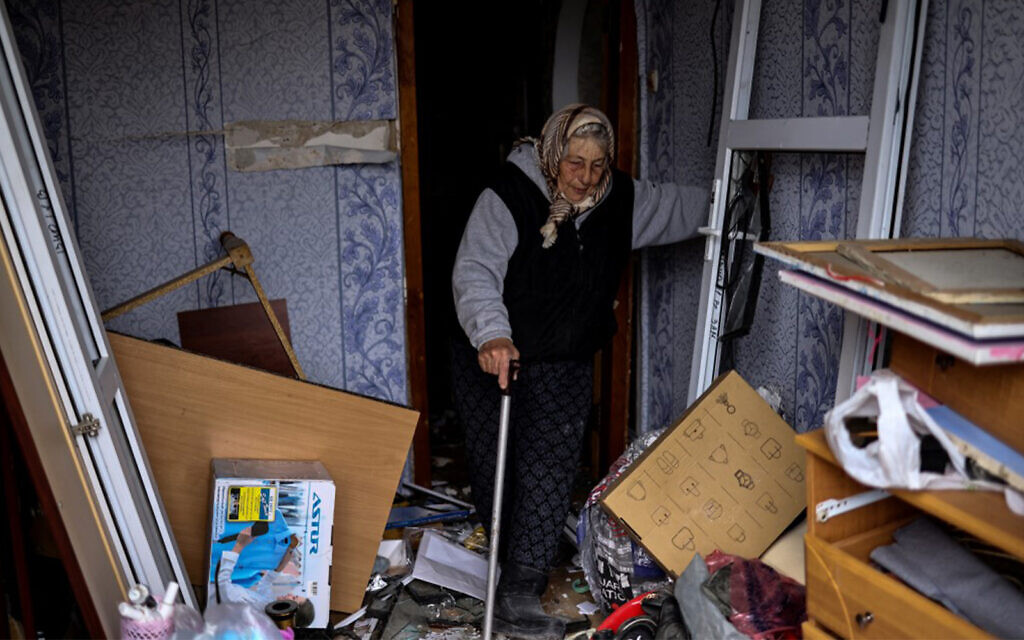
She was relieved to have escaped after spending weeks alone in her three-room apartment in the eastern Ukraine city of Kramatorsk, where Russian strikes recently killed nearly 60 people trying to flee by rail.
“I was hiding all the time in the bathroom. I was constantly crying. I was imprisoned in my own flat,” she told AFP, saying she wished death on Russian President Vladimir Putin and his children.
Perched on a bedside, her hands gripping a walking aid, Zoya Taran considers herself among the lucky ones — that’s despite having only one working kidney, precarious balance, diabetes and poor eyesight.
That’s because her rock musician son quit a career in “show business” two decades ago to care for her.
“I am that elderly babushka,” she said, smiling. “My son is my eyes, my hands and my legs. I have nothing on my own.”
So as Russian strikes edged closer to Sloviansk, Taran, who had initially hesitated to leave, finally decided it was time to go in order to “save my son.”
“Why do we need this war? What do they want from us?” she said, sobbing.
Citing Ukrainian government figures, Handicap International estimates that 13,000 elderly Ukrainians or people with disabilities have arrived in the wider Dnipro region since Russia launched its invasion in late February.
Another hub, mainly for evacuees from the besieged and destroyed port city of Mariupol, and their children, has also offered shelter to elderly residents from the east.
“Even if you open 10 places like this, they will all be full, says Konstantin Gorshkov, who runs the Dnipro center with his wife, Natalia.
Among the 30 new arrivals joining the roughly 100 residents is 83-year-old Yulia Panfiorova from Lysychansk, in the eastern in the Lugansk region, which is under attack by Russian forces.
The former economics professor — now hard of hearing — was “very scared” by the sound of shooting in her town and the three shells that stuck close enough to her home to blow out her windows.
“This is my third war,” she said, referring to World War II, then the outbreak of fighting in 2014 between the Ukrainian army and pro-Kremlin separatists.
“Lysychansk was freed from the Nazis in 1943. I remember how we returned home. Of course I have some memories about it,” she said. “The freedom of our state was at threat. Now it is the same.







The Times of Israel Community.