Thousands gather at Western Wall for annual fast
Jews in Israel and around the world mourn the destruction of Jerusalem and other calamities
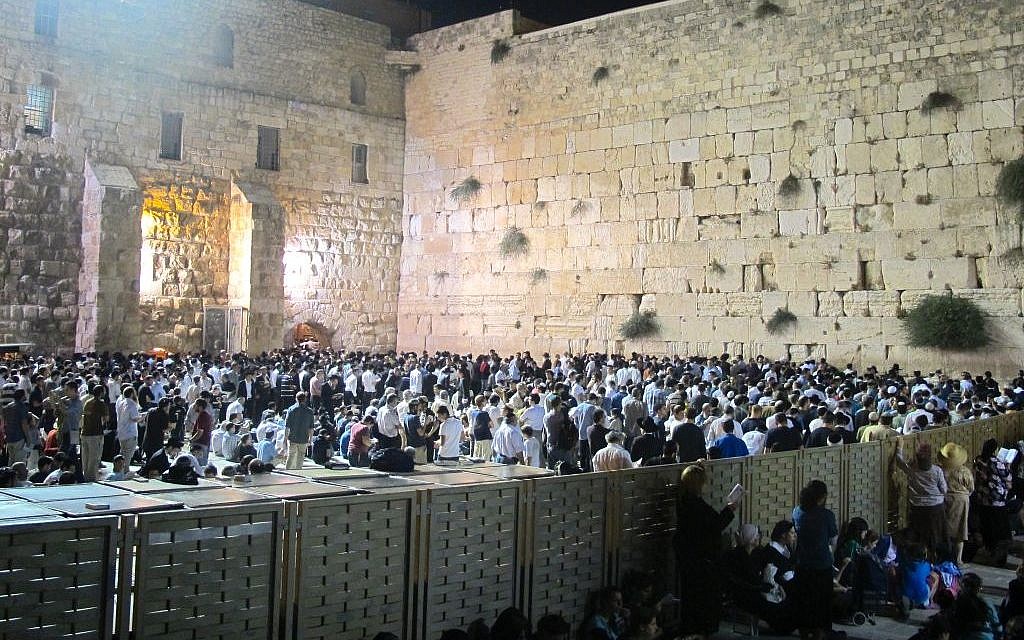
Praying, fasting and mourning the Temple's destruction on the Ninth of Av, Tisha B'Av. (Leeor Bronis/Times of Israel)
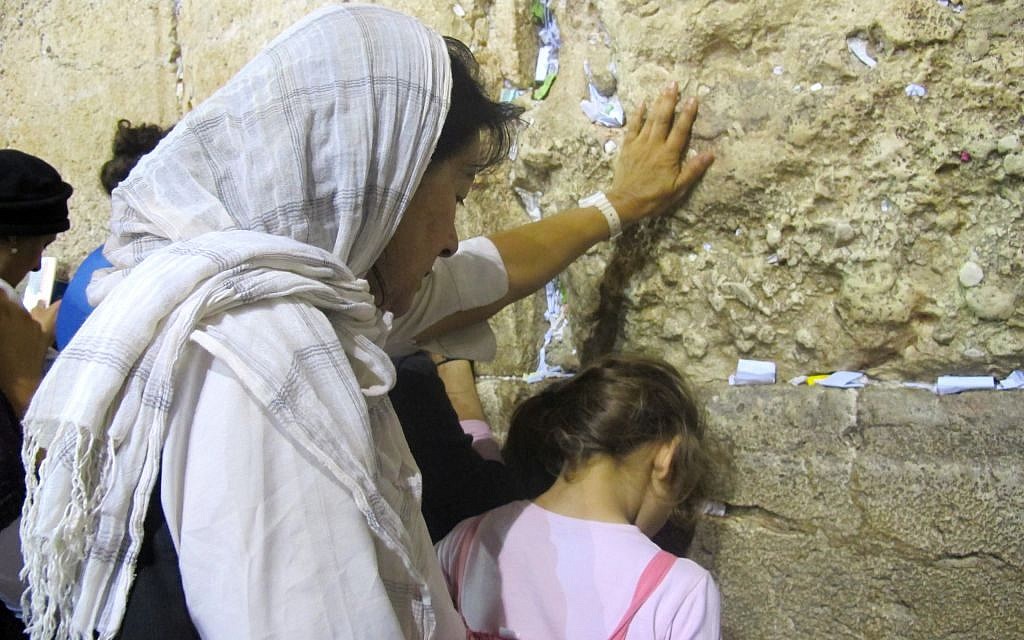
A woman and girl making their way to the Kotel on the ninth of Av (photo credit: Leeor Bronis/Times of Israel)
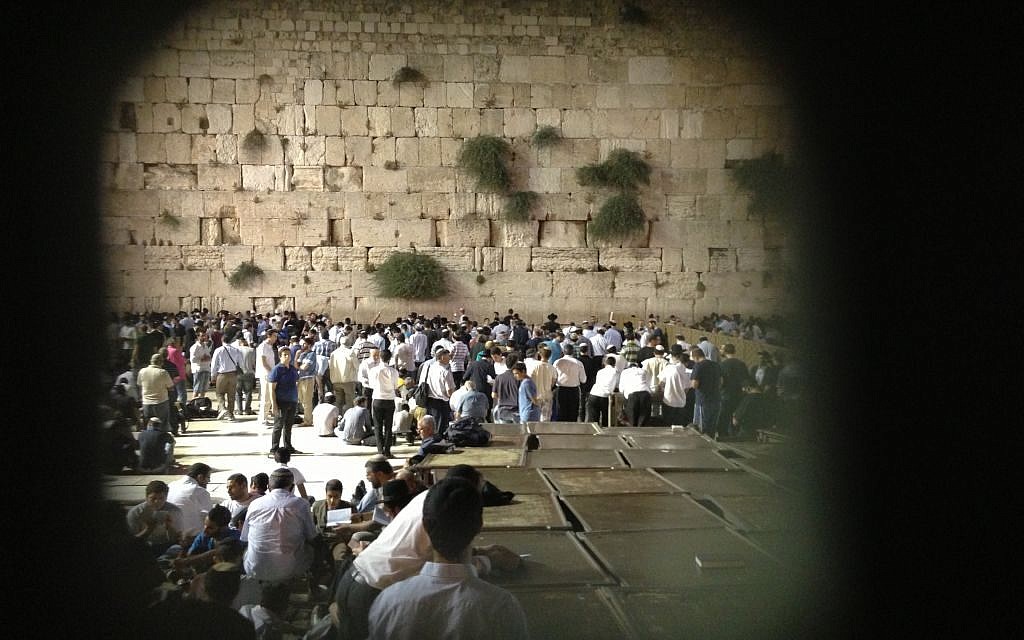
A glimpse of the men's section through the fence (photo credit: Nicole Levin/TImes of Israel)
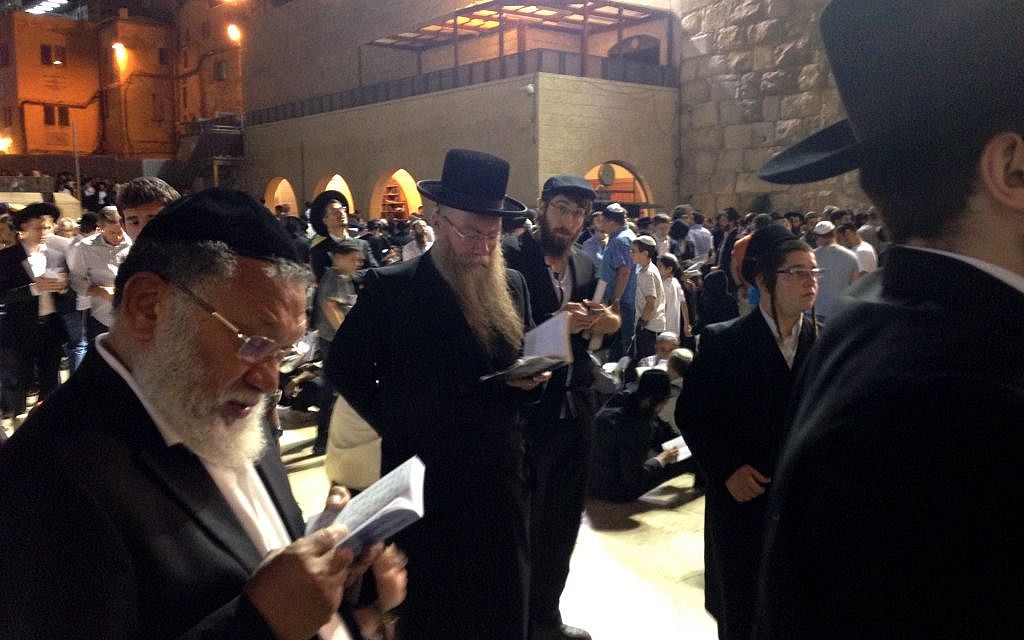
At the Kotel on Tisha B'Av (photo credit: Zach Jacobson)
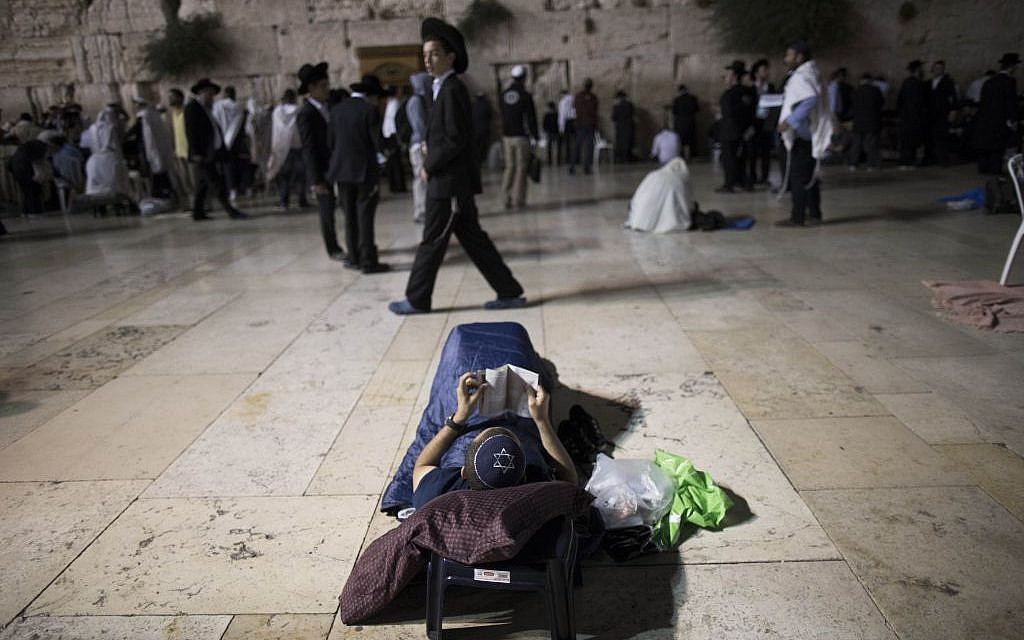
A man laying down as he recites Lamentations on the ninth of Av, at the Western Wall (photo credit: Yonatan Sindel/Flash 90)
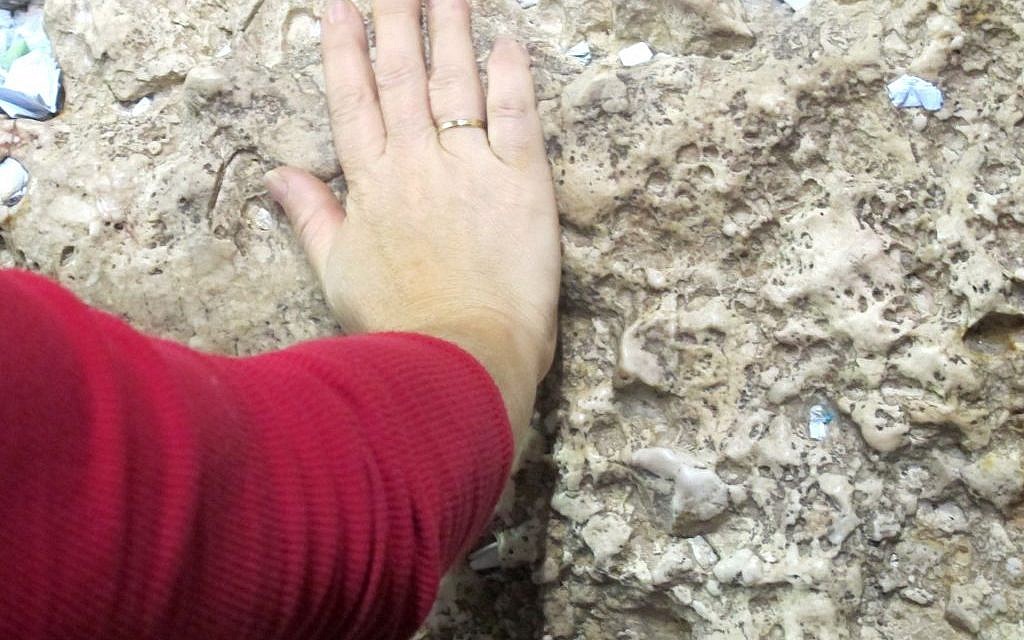
Putting a hand to the stones at the Kotel (photo credit: Leeor Bronis/Times of Israel)
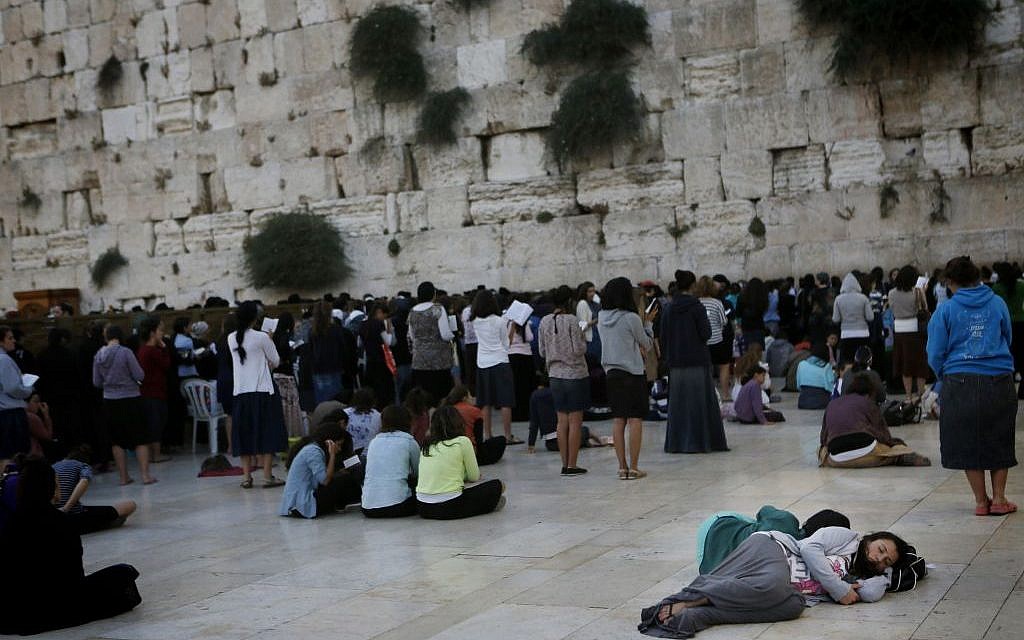
Taking a rest while praying through the night (photo credit: Miriam Alster/Flash 90)
At sunset on July 15, the start of the fast of the Ninth of Av, the city of Jerusalem mostly shut down to mourn the destruction of the first and second Jewish temples. Stores and entertainment venues closed, and the streets around the Old City were blocked off and hushed as Jerusalem Jews joined their brethren around the world and began the sunset-to-sunset fast.
The Western Wall on Monday night was alive, as thousands flocked to the Wailing Wall Plaza to recite the evening prayers and listen to the Book of Eicha, or Lamentations, which tells of the destruction of Jerusalem at the hands of the Babylonian Empire in the 6th century BCE.
Aside from marking the destruction of the temples, Tisha B’Av also marks other tragedies endured by the Jewish people that are said to have occurred on the same day, such as the expulsion edict from Spain in 1492 and the beginning of the liquidation of the Warsaw Ghetto in 1942.

The war with Iran has been draining for all of us in Israel. But when I heard about a high casualty incident – ballistic missile impacts in Arad and Dimona that left nearly 200 people wounded – I drank a cup of coffee, packed a bag, and headed south.
There, I spoke with Shilgit, the head of an after-school program for underprivileged youth. Standing outside her destroyed center, Shilgit said it was a miracle that no children were hurt and spoke about the community coming together in the hours since.
As a Times of Israel reporter, I’m committed to telling stories of resilience like Shilgit’s. But my colleagues and I can't do this alone. If you value work like this, please consider joining our reader support group, The Times of Israel Community. Your financial support is essential to keep real human reporting like this going.
— Stav Levaton, military reporter
We’re really pleased that you’ve read X Times of Israel articles in the past month.
That’s why we started the Times of Israel - to provide discerning readers like you with must-read coverage of Israel and the Jewish world.
So now we have a request. Unlike other news outlets, we haven’t put up a paywall. But as the journalism we do is costly, we invite readers for whom The Times of Israel has become important to help support our work by joining The Times of Israel Community.
For as little as $6 a month you can help support our quality journalism while enjoying The Times of Israel AD-FREE, as well as accessing exclusive content available only to Times of Israel Community members.
Thank you,
David Horovitz, Founding Editor of The Times of Israel
The Times of Israel Community.