

Turkish strikes said to kill 14 Damascus loyalists
Warplanes target fighters deployed by Assad’s government in Jamma, in northwest Syrian enclave of Afrin
 Add ToI as a Preferred Source on Google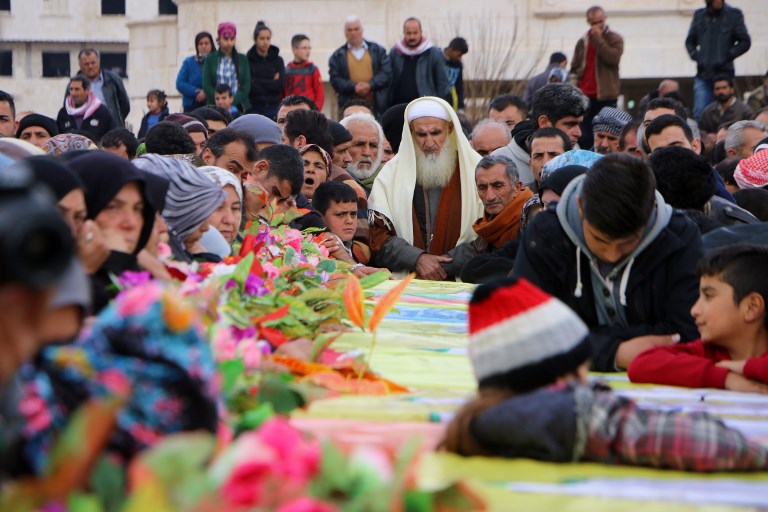
BEIRUT, Lebanon — Turkish airstrikes have killed at least 14 fighters deployed by the Syrian government in support of Kurds battling Turkish-led rebels in the northwestern enclave of Afrin, a monitor said Friday.
Three Kurdish fighters were also killed in the strikes late Thursday on the village of Jamma in the enclave on the Turkish border, the Britain-based Syrian Observatory for Human Rights said.
Turkey-led Syrian rebels have advanced steadily since launching an assault on January 20 on Afrin, which is controlled by the Kurdish People’s Protection Units (YPG).
The Syrian government deployed fighters to the enclave a month later after the Kurds called for help.
YPG spokesman in Afrin, Birusk Hasakeh, said Turkish warplanes targeted the positions of fighters linked to the Syrian army in Jamma, causing casualties, but did not provide a precise toll.
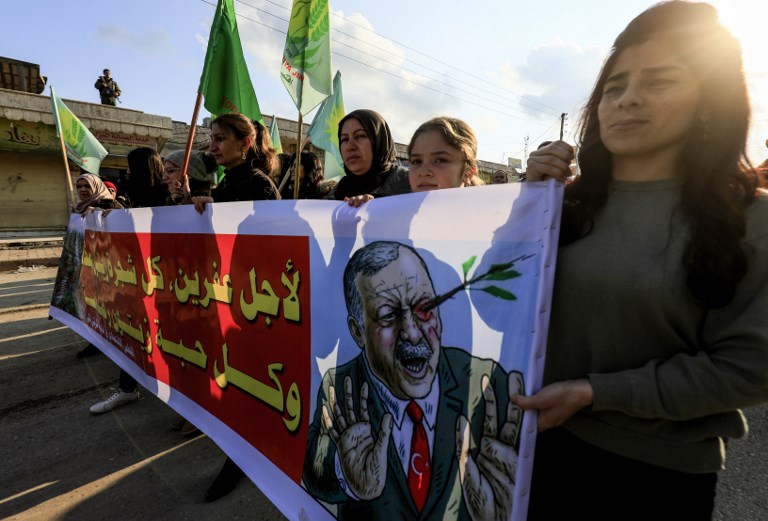
Pro-regime fighters are present on several fronts in the enclave, according to the Kurds.
Turkey suffered heavy losses in Afrin on Thursday. The military said eight soldiers were killed and 13 wounded.
The day’s toll brought the number of Turkish soldiers killed since the start of the operation to at least 40.
The Observatory says more than 140 civilians have been killed in Turkish bombardment, but Turkey denies the claim and says it takes the “utmost care” to avoid civilian casualties.
Thousands of civilians have fled their homes since the start of the assault, either to the town of Afrin or to nearby government-controlled areas.
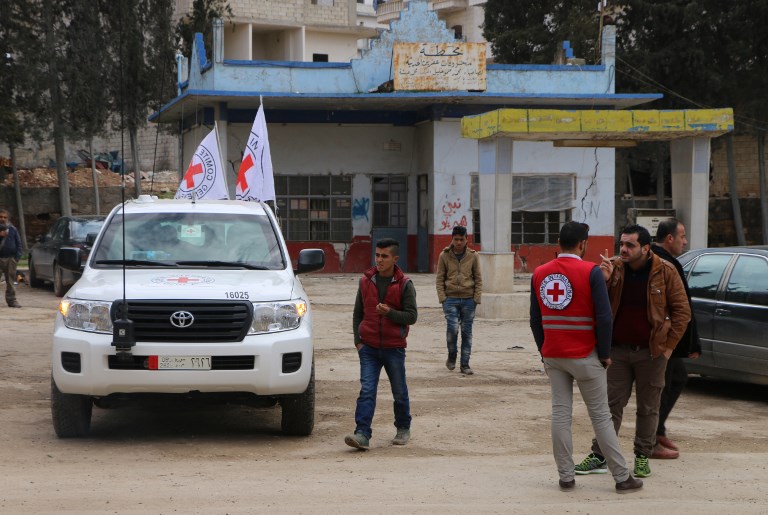
On Thursday, an aid convoy carrying food and medical supplies entered the area for the first time since the start of the operation.
Ankara says the YPG is a “terrorist” extension of the Kurdistan Workers’ Party (PKK) which has waged a three-decade insurgency against the Turkish state.
The YPG has been a key component of a US-backed Kurdish-Arab alliance that has been fighting the Islamic State jihadist group in Syria.
Turkey has rejected a call from the United States for Afrin to be included in a UN Security Council-agreed nationwide ceasefire in Syria.





The Times of Israel Community.