

UAE issues reactor license for first Arab nuclear power plant
Barakah plant near Abu Dhabi set to provide a quarter of country’s energy needs when fully operational
 Add ToI as a Preferred Source on Google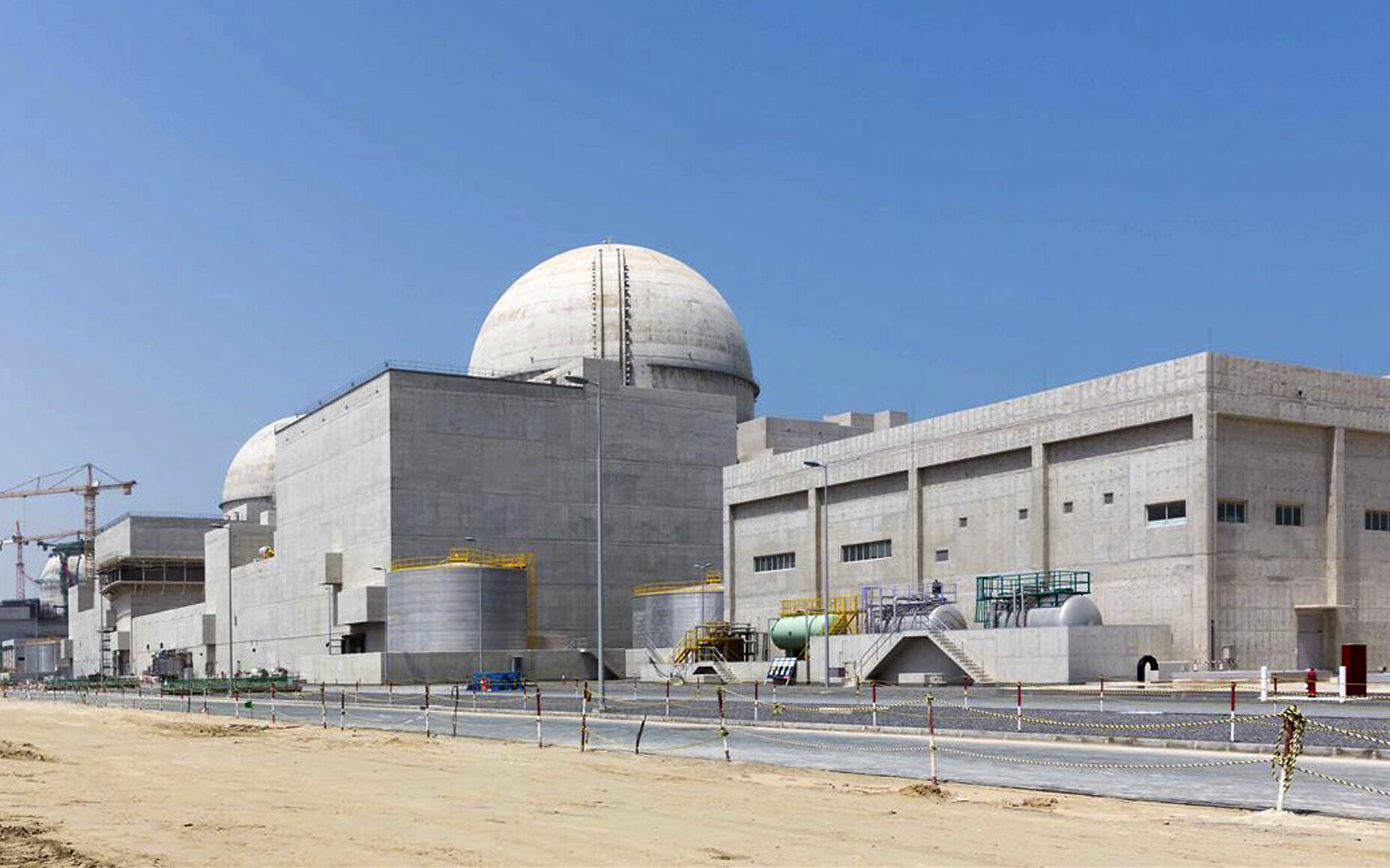
ABU DHABI, United Arab Emirates — The United Arab Emirates said Monday it has issued a license for a reactor at its Barakah nuclear power plant, the first in the Arab world, hailing a “historic moment.”
The national nuclear regulator “has approved the issuance” of the operating license for the first of four reactors at the plant, said Hamad al-Kaabi, the UAE representative to the International Atomic Energy Agency.
“This is a historic moment for the UAE, making it the first Arab country in the region to operate a nuclear power plant,” Kaabi told a press conference.
“This milestone was achieved due to the UAE’s vision and its leadership to build a peaceful nuclear energy program to cater for the future needs of energy in the country.”
The Barakah plant, located on the Gulf coast west of the UAE’s capital, had been due to come online in late 2017 but faced a number of delays that officials attributed to safety and regulatory requirements.
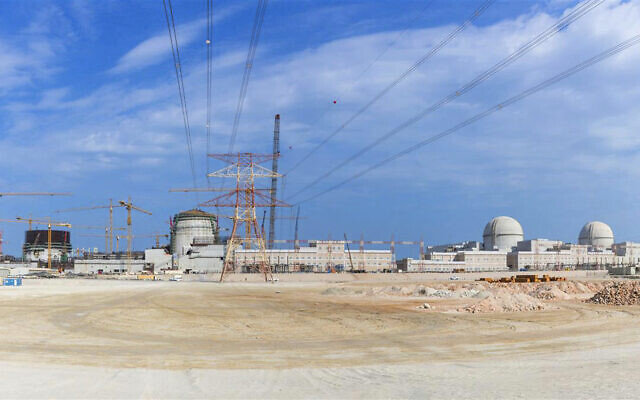
Abu Dhabi authorities said in January that the plant would start operating within a few months.
“The full operation of Barakah plant in the near future will contribute to the UAE’s efforts for development and sustainability,” Kaabi said Monday, without giving a new date.
The plant is being built by a consortium led by the Korea Electric Power Corporation in a deal worth over $20 billion.
When fully operational, the four reactors have the capacity to generate 5,600 megawatts of electricity, around 25 percent of the nation’s needs. The remaining three reactors are almost ready for operation.
The UAE has substantial energy reserves, but nuclear and renewables are targeted to contribute around 27% of its electricity needs by 2021.




The Times of Israel Community.