

US envoy seeks to rally support for resolution establishing postwar Gaza security force
Mike Waltz meets with counterparts on Security Council and representatives from key Mideastern governments, including PA, which aims to increase involvement in Strip’s governance
 Add ToI as a Preferred Source on Google
Jacob Magid is The Times of Israel's US bureau chief
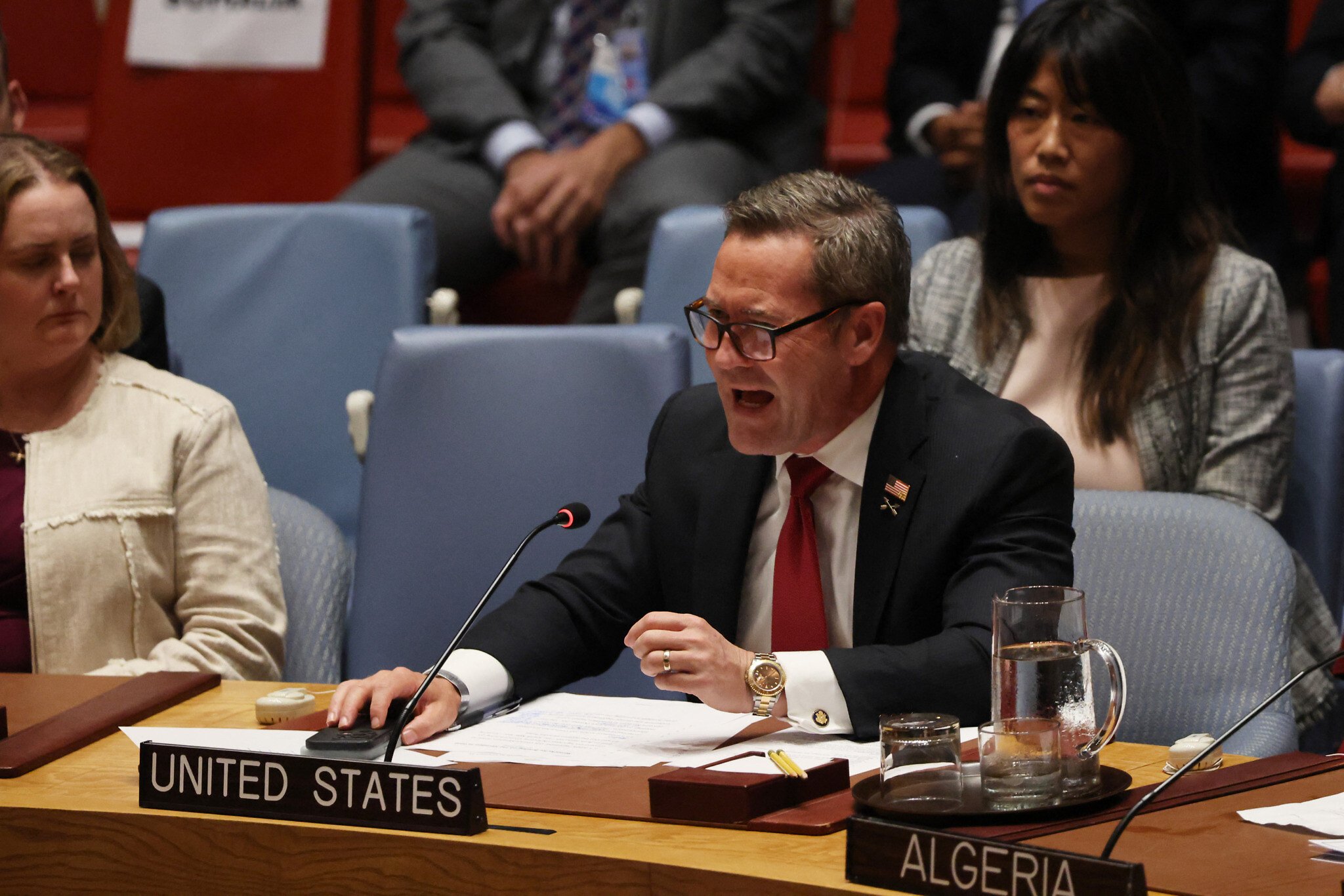
US Ambassador to the UN Mike Waltz convened meetings in New York this week with counterparts on the Security Council, along with envoys of other missions representing key stakeholders in Gaza, to rally support for a resolution that the Trump administration is looking to pass on establishing the International Stabilization Force to secure the Strip.
On Tuesday, Waltz met with senior representatives from the Palestinian Mission to the UN, a Palestinian official told The Times of Israel, confirming a report by the Axios news site.
The meeting marked a rare instance of direct engagement between US and Palestinian officials, and perhaps the first such sit-down on US soil since President Donald Trump’s return to the White House.
Washington issued a visa ban preventing Palestinian Authority President Mahmoud Abbas from attending a UN conference promoting the two-state solution in September, and the handful of known meetings between officials from Washington and Ramallah this year have taken place in the Middle East.
The Palestinian delegation used the meeting to push for edits to the text of the US-sponsored Security Council resolution that would make the PA more involved in the Gaza Strip’s governance and security. The PA is only mentioned once in a draft of the resolution obtained by The Times of Israel, with the text stating that the yet-to-be-finalized, Trump-led Board of Peace — which is slated to oversee an also yet-to-be-formed Palestinian technocratic government — will hand over control of Gaza when the PA “has satisfactorily completed its reform program.”
The PA is looking for a more direct role in the technocratic government, potentially with a seat on its makeshift cabinet. It also wants its security forces to be tied to and play a leading role in the ISF’s operations, the Palestinian official said.
????????????SCOOP: READ HERE THE FULL TEXT OF THE DRAFT SECURITY COUNCIL RESOLUTION ON THE GAZA INTERNATIONAL FORCE:
The Security Council,
Welcoming the Comprehensive Plan to End the Gaza Conflict of 29 September 2025 (“Comprehensive Plan”), and applauding the states that have… https://t.co/yG5VPWkhNW
— Barak Ravid (@BarakRavid) November 4, 2025
Prime Minister Benjamin Netanyahu has repeatedly proclaimed that the PA cannot play any role in governing postwar Gaza, although key stakeholders in the Middle East and Europe have made Ramallah’s inclusion in the process a condition of their involvement.
On Wednesday, Waltz presented the resolution to the ten elected members of the UN Security Council along with ambassadors for Egypt, Qatar, Turkey, Saudi Arabia and the United Arab Emirates. The inclusion of the latter group of envoys “demonstrat[ed] regional support for the resolution to the UN Security Council on Gaza,” the US Mission to the UN said in a statement.
“The resolution welcomes the Board of Peace and authorizes the International Stabilization Force outlined in President Trump’s 20-point Gaza peace plan. This includes continued humanitarian aid and the release of all hostages – paving the way for a safer and more prosperous Gaza,” the US statement continued. “The parties have seized this historic opportunity to finally end decades of bloodshed and make the president’s vision of lasting peace in the Middle East a reality.”
The resolution, first leaked to Axios on Monday, envisions a two-year mandate for a Gaza transitional governance body and ISF in the Palestinian enclave.
A resolution needs at least nine votes in favor and no vetoes cast by permanent members Russia, China, the US, Britain or France in order to be adopted.
According to the draft obtained by The Times of Israel, the ISF will be in charge of securing Gaza’s borders with Israel and Egypt, ensuring the safety of civilians and humanitarian zones, and training and partnering with new Palestinian police officers.
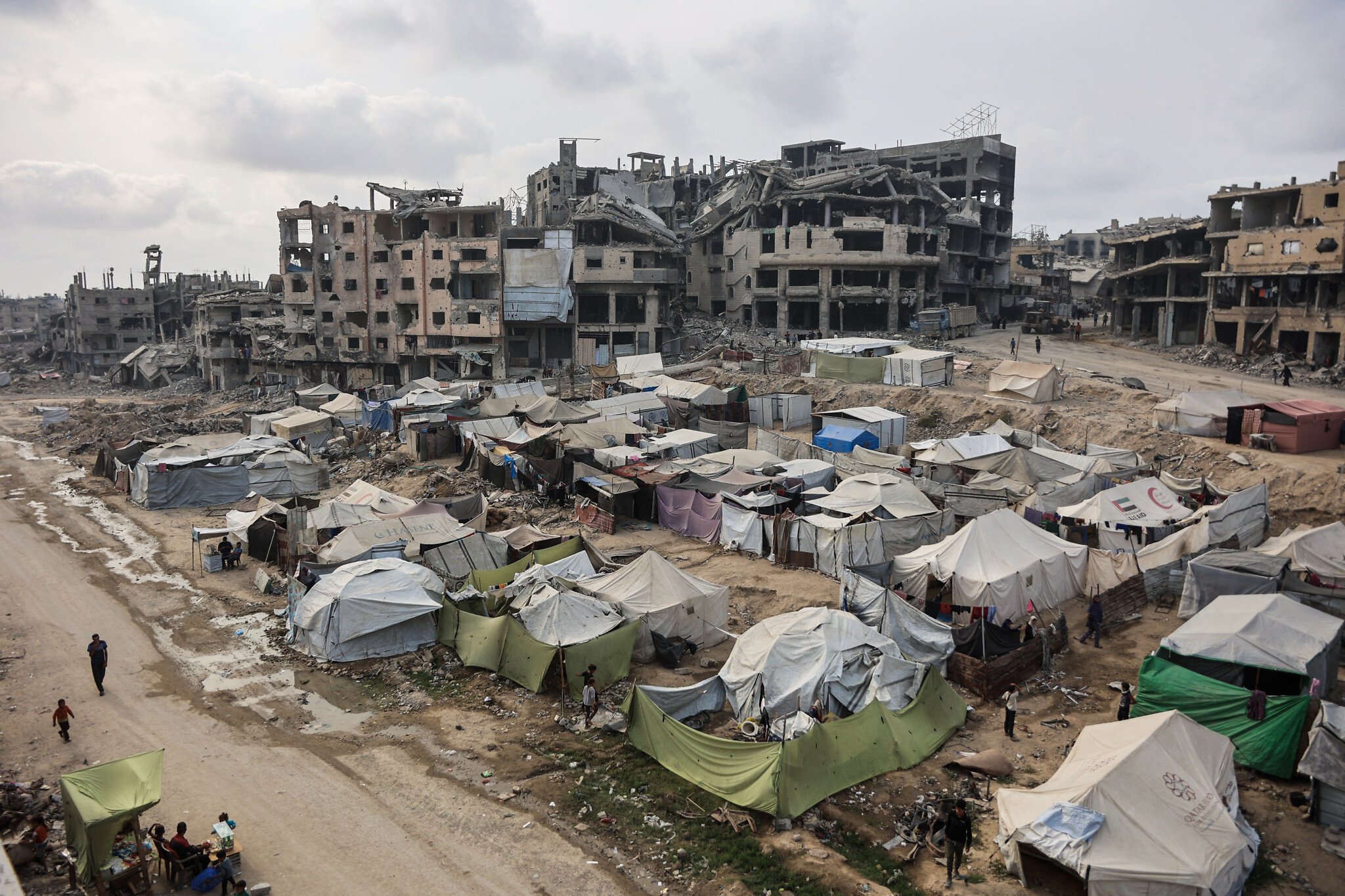
Critically, the resolution says that the mandate will also include “ensuring the process of demilitarizing the Gaza Strip, including the destruction and prevention of rebuilding of military, terror, and offensive infrastructure, as well as the permanent decommissioning of weapons from non-state armed groups.”
This clause could well be subject to debate, as some of the countries that have offered to contribute troops to the ISF are not interested in sparring with Hamas in Gaza, two Arab diplomats reiterated to The Times of Israel last week.
The text makes clear, though, that the US intends for the ISF to serve as a peace-enforcing body, not merely a peacekeeping one. Jordan’s King Abdullah said last week that the ISF should serve as the latter. Amman will likely be asked to continue helping with the training of Palestinian police, but the Hashemite kingdom is not expected to have a decisive say on the matter.
The draft resolution also states that the ISF will perform “additional tasks as may be necessary in support of the Gaza agreement,” and that it will be established and operate “in close consultation and cooperation with Egypt and Israel.”
An Arab diplomat said that Washington is aiming to pass the Security Council resolution this month in order to have the ISF ready to deploy by the beginning of 2026. The diplomat said that the draft of the resolution leaked to the press will undergo changes, but the US is pushing back on significant edits.
While several Muslim countries have privately expressed willingness to contribute troops to the ISF, with Indonesia doing so publicly, the force has not yet been assembled as countries remain skittish about its mandate.



The Times of Israel Community.