

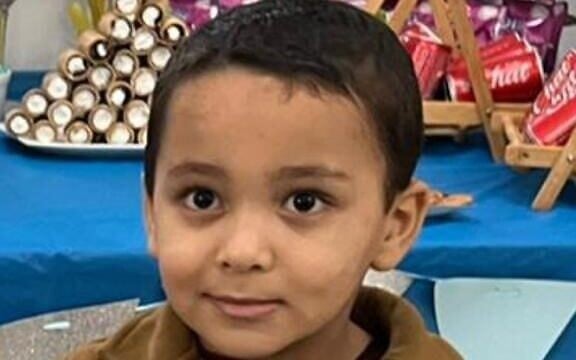
When a 4-year-old is shot dead in a playground
Nobody thought stemming the tide of violent crime in the Arab community would be easy. But as the terrible killing of Ammar Hujayrat underlines, it is desperately urgent

 Add ToI as a Preferred Source on Google
David Horovitz is the founding editor of The Times of Israel. He is the author of "Still Life with Bombers" (2004) and "A Little Too Close to God" (2000), and co-author of "Shalom Friend: The Life and Legacy of Yitzhak Rabin" (1996). He previously edited The Jerusalem Post (2004-2011) and The Jerusalem Report (1998-2004).
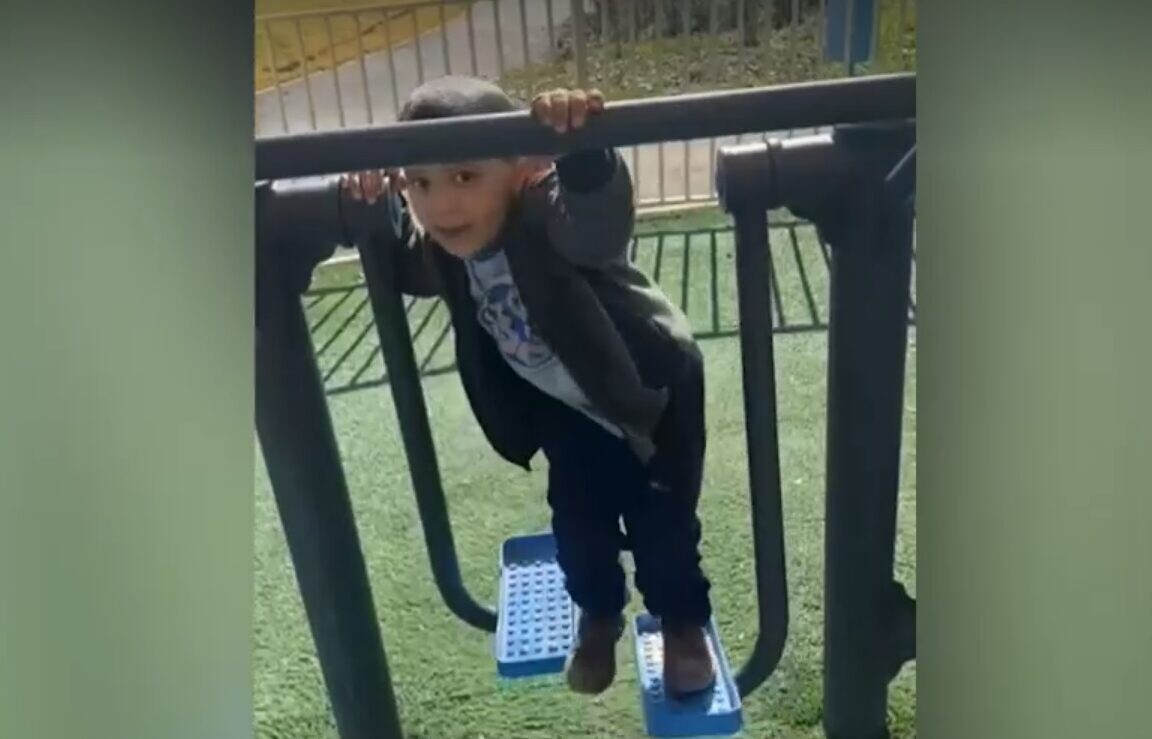
Last Thursday, in the small northern Bedouin village of Bir al-Maksur, 4-year-old Ammar Muhammad Hujayrat went to the playground with four other little kids from his extended family, accompanied by his aunt.
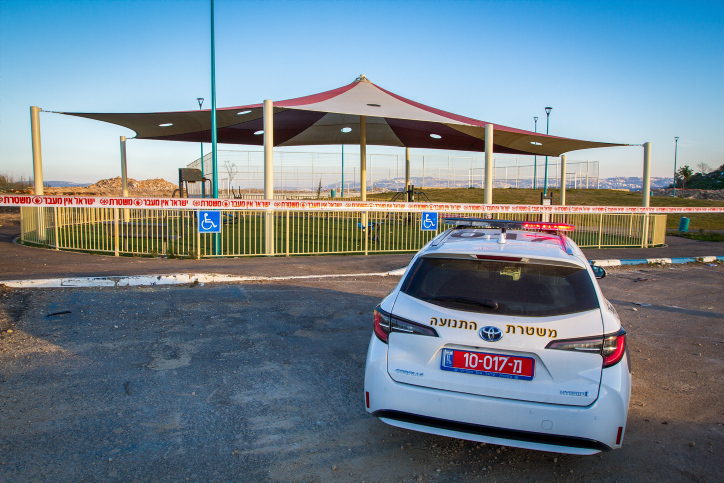
Three hundred meters away, at a construction site on a hill above them, a gunfight broke out.
Some reports of what happened next described Ammar, who had been happily playing on a swing, being felled by a stray bullet. In fact, as Ammar’s relatives explained to Times of Israel blogger Shoshana Lavan, and as audio from the scene confirms, the gunfire was sustained — not an isolated shot or two, but long volleys. His aunt managed to get the other kids to safety, but Ammar was hit in the head and neck, and, though rushed to the hospital, was pronounced dead a short time afterward.
Ammar died “in a hail of bullets,” his uncle Zaher told ToI’s Arab affairs reporter Aaron Boxerman.
Israel thus began 2022 with still more of the terrible violence that has been taking a rising toll of lives in the Arab community. In 2018, 67 Arab civilians were killed in violent crime. The next year, that number rose to 97. In 2020, it was 113. And last year, it reached a record 128 deaths.
Ironically, the shocking, thus-far-inexorable rise in intra-Arab crime is at least partially a function of the Israel Police’s relative success in tackling organized crime in the Jewish mainstream. As several notorious Israeli-Jewish crime chiefs have been brought to justice in recent years, Arab gangs to whom they subcontracted some of their work have filled the vacuum, and the police have found it harder to thwart them.
The Arab crime gangs have gradually tightened their hold in the past decade over the Arab community, where poverty is widespread, access to legitimate credit is complicated, and borrowing on the black market can seem like an unavoidable resort.
Another central factor is the abundance of illegal weapons in the Arab cities and villages — no fewer than 400,000 guns in circulation, according to some estimates, with a large proportion of them stolen from the IDF. That, and the criminals’ evident casual readiness to use them, to enforce their control, to settle scores… and to hell with whoever might get caught in the crossfire.
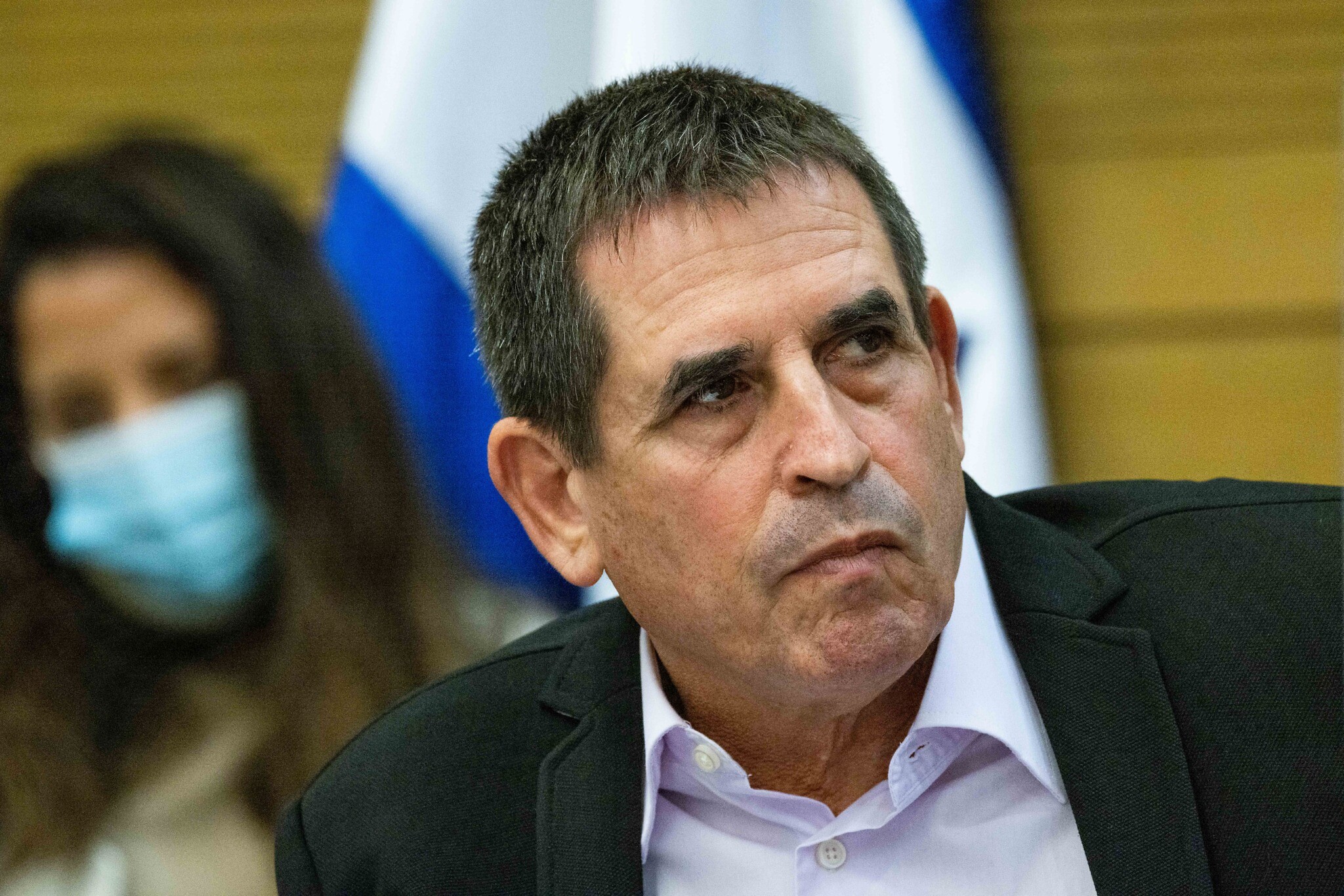
Catalyzed by the Ra’am party’s presence in the coalition, the government has allocated considerable funding to the task of defeating the murderous blight, and assigned Yoav Segalovitz, the deputy minister of public security, to head the effort.
But nobody thought stemming the violent tide of deeply entrenched criminal forces would be easy and, as the killing of Ammar Hujayrat highlights, the early signs are discouraging.
As the little boy’s uncle Zaher said yesterday, “We can’t believe that this has reached Bir al-Maksur. We would hear from other parts of the country, about violence and so on. But in our village? Nothing like this has ever happened.”
Ammar’s death, he went on, “has torn his mother apart. It broke his father… Ammar could have been a doctor, a lawyer, an engineer, an astronaut. That’s all over now. What safety and security? There’s nothing. Nothing at all…”
Until not so very long ago, we used to take pride in the counterintuitive reality of an Israel where so many people carried guns — with conscripted soldiers and reservists unremarkably taking their weapons everywhere — and so few used them illicitly.
The formidable Segalovitz, a former head of the police investigations and intelligence divisions, needs no advice from inexpert commentators on how to do his job. But the terrible death of a little boy in a playground underlines the urgency, and the stakes.
—
** This Editor’s Note was sent out Wednesday in ToI’s weekly update email to members of the Times of Israel Community. To receive these Editor’s Notes as they’re released, join the ToI Community here.



The Times of Israel Community.