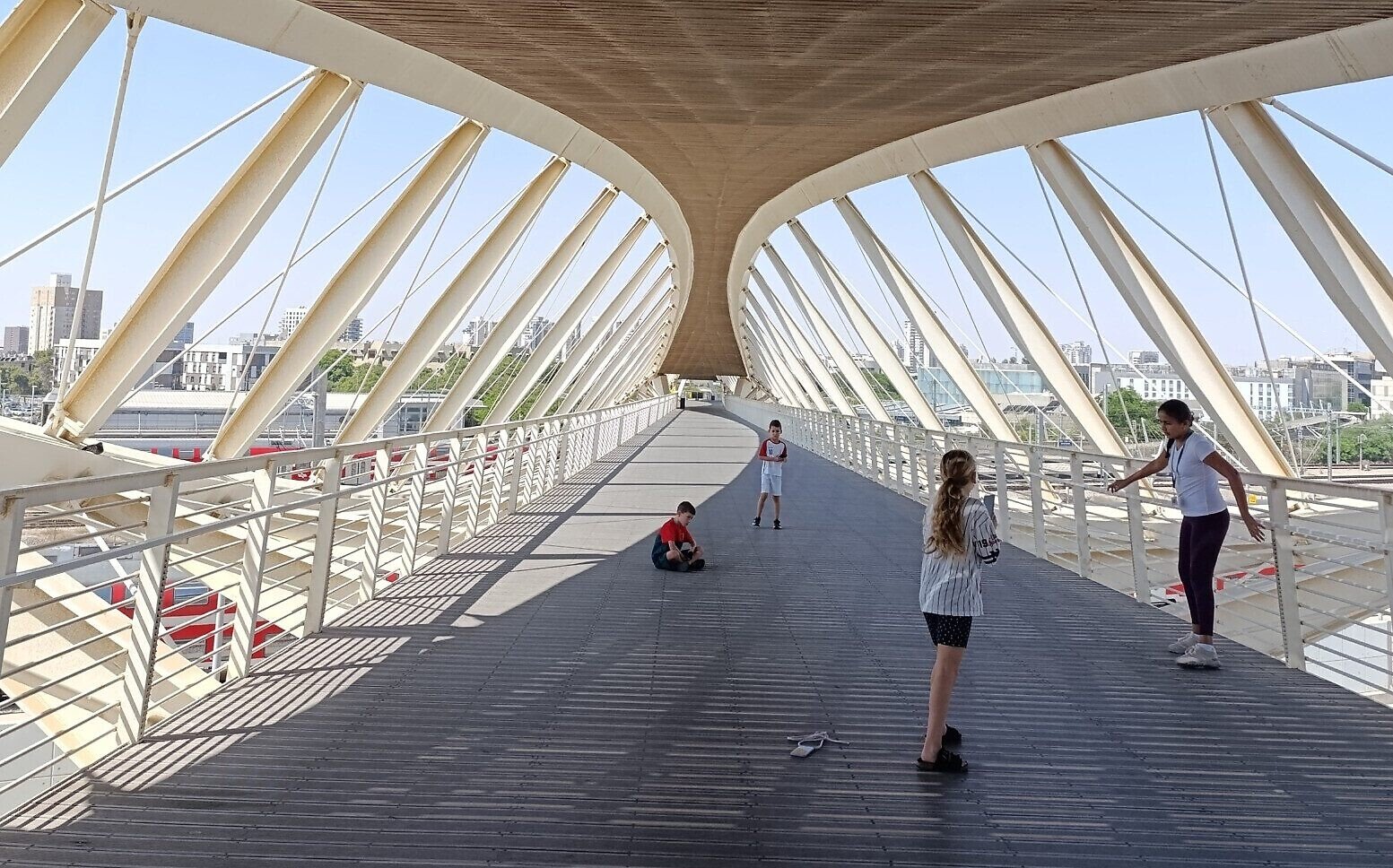
From the DNA Bridge in Beersheba’s Gav Yam high-tech park, the future of this desert city looks wide open.
Established just 12 years ago in a city once better known for camels than for unicorns, the Gav Yam high-tech center is now a thriving hub of research and development for leading tech companies such as Microsoft, Dell, Wix, and Rafael Advanced Defense Systems. There are four buildings and some 3,000 employees, with construction on additional buildings that will more than triple those numbers in the coming years.
To the right, across the footbridge that is internationally acclaimed for its futuristic double helix design, is Ben Gurion University, with about 30,000 students. Slightly to the left of that is Soroka Medical Center, the primary hospital for the entire southern Negev region.
And to the left of that, you can see the location carrying the city’s big hopes for the future.
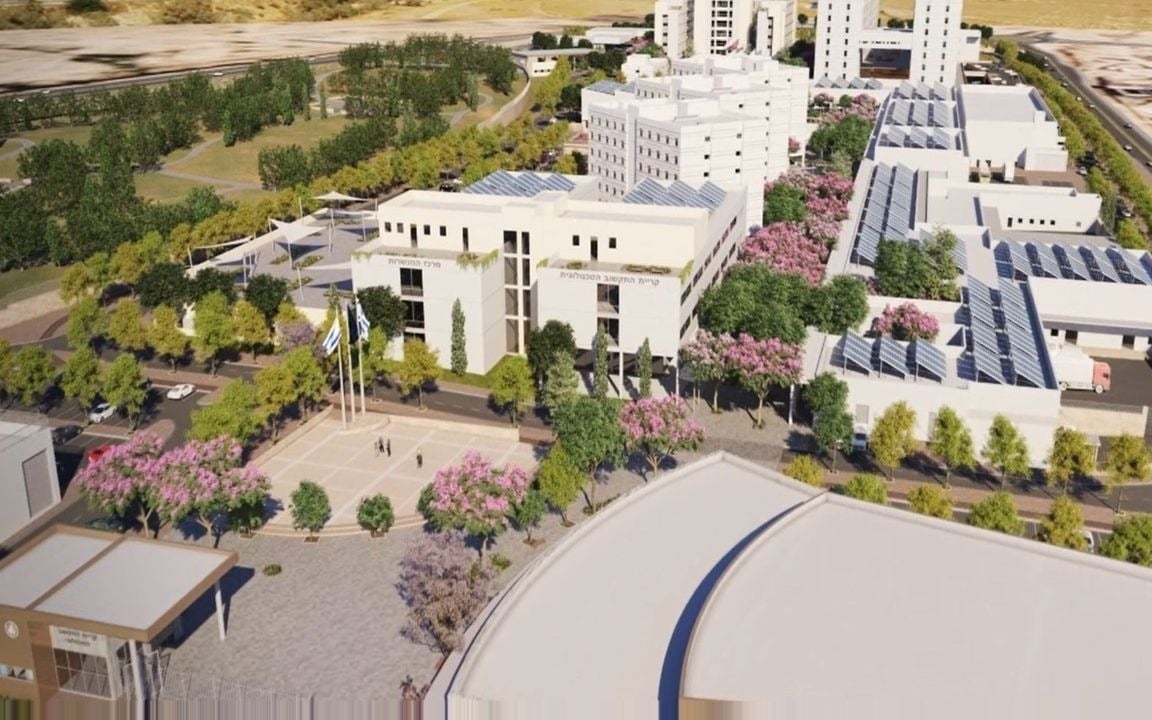
At the beginning of 2026, the IDF plans to begin moving most of its information and communication technology operations to its massive new 150,000 square meter (37-acre) technology campus in Beersheba, just several kilometers past the tech hub.
The new center would be the most significant milestone to date for the IDF’s broad multiyear plan to relocate much of its intelligence, training, and operational bases to the Negev. And it’s a moment that the city hopes will help take it to the next level, or as Mayor Ruvik Danilovich puts it, launch “a golden age for Beersheba.”
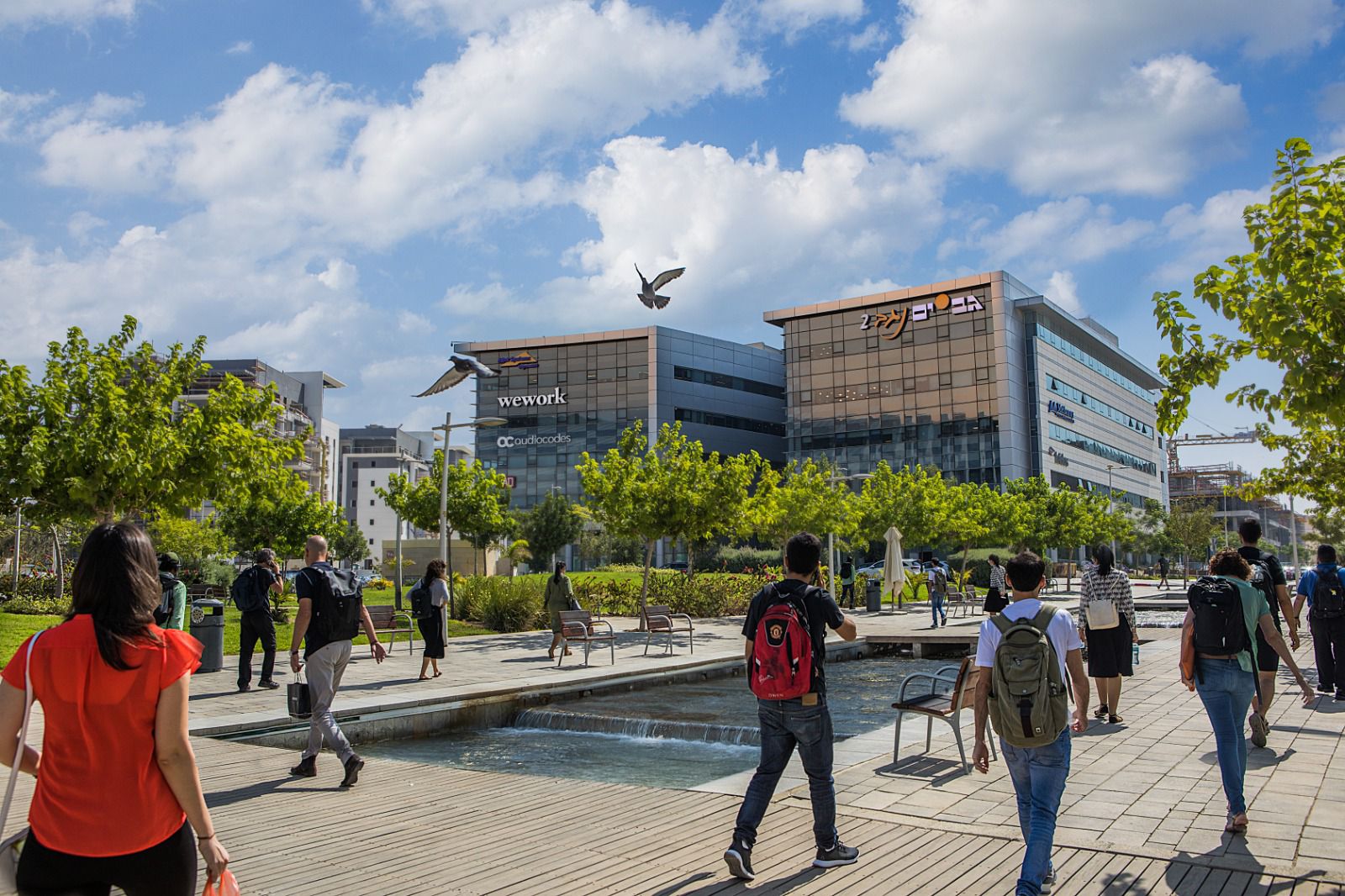
Danilovich and members of the local community have been working behind the scenes for years to connect the city’s technology, medical, and academic worlds to create an environment that will allow them all to interact and grow together, according to Omri Dai, CEO of Tech7, a high-tech accelerator for companies in Beersheba and the broader Negev region.
“I don’t like to use the word ecosystem, because it has become a cliche, but I think we have created a real ecosystem to establish the city as a high-tech metropolis that can serve as an economic anchor for the entire Negev to grow,” Dai said.
“I think something really special is happening here right now,” he added. “A strong Beersheba is the key to strengthening the entire Negev.”
Humble foundations
To some, Beersheba’s high-tech aspirations may seem out of sync with its current reality. The city of some 220,000 residents is among the poorest large cities in Israel, and consistently ranks in the bottom quarter of Israel’s annual quality of life rankings.
A development town that quickly absorbed refugees from North Africa, the Middle East, and Eastern Europe in the 1950s and 1960s, Beersheba now has one of the highest crime rates in Israel, and the dusty, scorching desert climate can be unbearable at times. Some say the city suffers from a general sense of neglect.
The city’s Bedouin population is growing quickly, but a jump in the chronically underserved sector brings its own challenges. City planners say they are looking to develop new employment opportunities for the Bedouin community, even as Danilovich warns that the Negev is in danger of losing its Jewish majority.
Numerous foundational problems with the city’s planning need to be fixed, said Nurit Alfasi, who heads the urban planning program in the Department of Environmental, Geoinformatics and Urban Planning Sciences at Ben-Gurion University of the Negev.
“The city lacks a real center, and there is very little in terms of culture,” Alfasi said. “It is very spread out, with very low population density and neighborhoods that are not connected to each other.”
Meanwhile, she said, public spaces are poorly maintained and lack sufficient shade, making them unpleasant to visit.
Students at Ben-Gurion University rarely stay in the city, because there are too few jobs available and not enough entertainment options, said Alfasi, who lives in Tel Aviv but works in Beersheba. Limited public transportation options inside and outside the city leave residents isolated from the rest of the country, she added.
“There were plans for the city to reach 500,000 residents, more than double the current size, but so many homes remain empty,” Alfasi said. “The city needs to change its strategy and update its planning.”
But not everyone shares Alfasi’s pessimism.
“I’m very excited about Beersheba, but you shouldn’t expect it to be like Tel Aviv by tomorrow,” said Dan Blumberg, Ben-Gurion University’s vice president of industrial and regional development.
“Housing prices are much cheaper than in the center of the country, and there is a lot of construction. We have 3,000 engineers in a high-tech park that didn’t exist 12 years ago, and the new IDF center is going to create many new jobs. A lot of those employees are going to come and live here, but it’s going to take time. The mayor is working to push through several economic initiatives.”
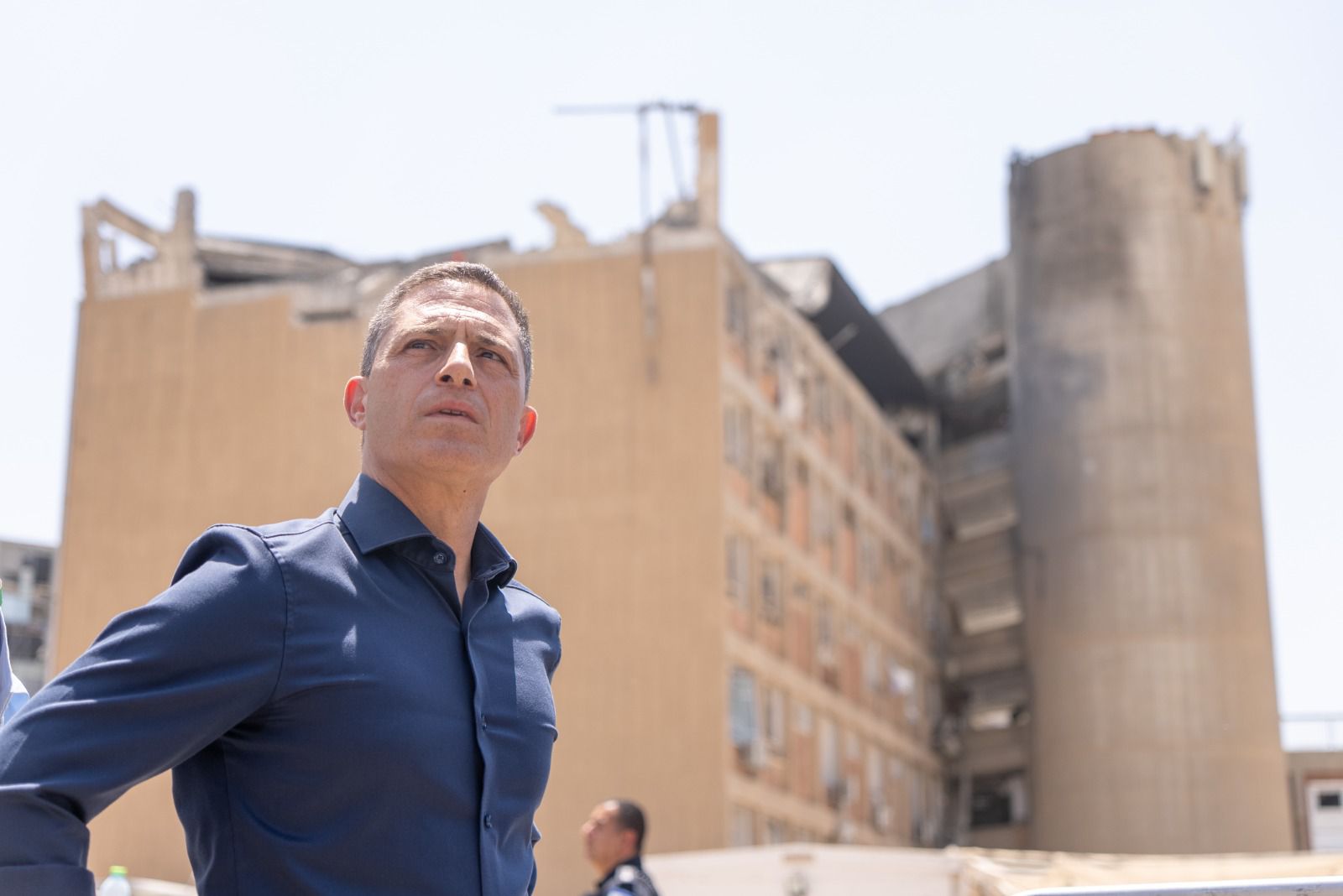
Danilovich, who has served as Beersheba’s mayor since 2008, is extremely popular among residents, winning more than 90 percent of the vote in three successive elections following his first term. His contagious vision of innovation and collaboration is credited by many in the city with transforming the city’s image and economy.
“This is a vibrant community with a lot happening,” added Avichai Buchnik, a veteran real estate agent at Eretz Ir Realty. “The quality of the education is very good in Beersheba, and home prices are low.”
Buchnik said new apartments built in the city tend to sell for NIS 1.1 million to 1.8 million, depending on the size, while secondhand homes for investment run between NIS 700,000 to NIS 1 million. Comparable homes in the center and Jerusalem often cost three to four times as much.
There is plenty to do in Beersheba, although the city lacks the museums and other cultural institutions of bigger cities, said long-time resident Nurit Maatok Borschel. Still, she said, the city’s recent improvements have led to an influx of new residents, making the city feel more crowded and touristy.
There’s another benefit of living in Beersheba, Buchnik added: “Helping settle the Negev, especially at this time, is supporting the Zionist dream.”
National priorities
While Beersheba is often referred to as the capital of the Negev, Israel’s southern region that comprises about 55% of the country’s land area, the city has seen its national profile fall in recent years. Once Israel’s fourth-largest city, it now ranks ninth in size, falling in recent years behind Rishon Lezion, Petah Tikva, Netanya, Ashdod and Bnei Brak, all located closer to the country’s center. (Its larger metropolitan area, which includes Ofakim, Rahat, Lehavim, and Omer, remains the fourth-largest, with a total population of nearly 400,000.)
Some in Beersheba say that the national government has placed the city’s development lower on its list of national priorities in recent years, especially in light of increased investment in the western Negev and the north of the country due to damage caused in fighting following the Hamas invasion on October 7, 2023.
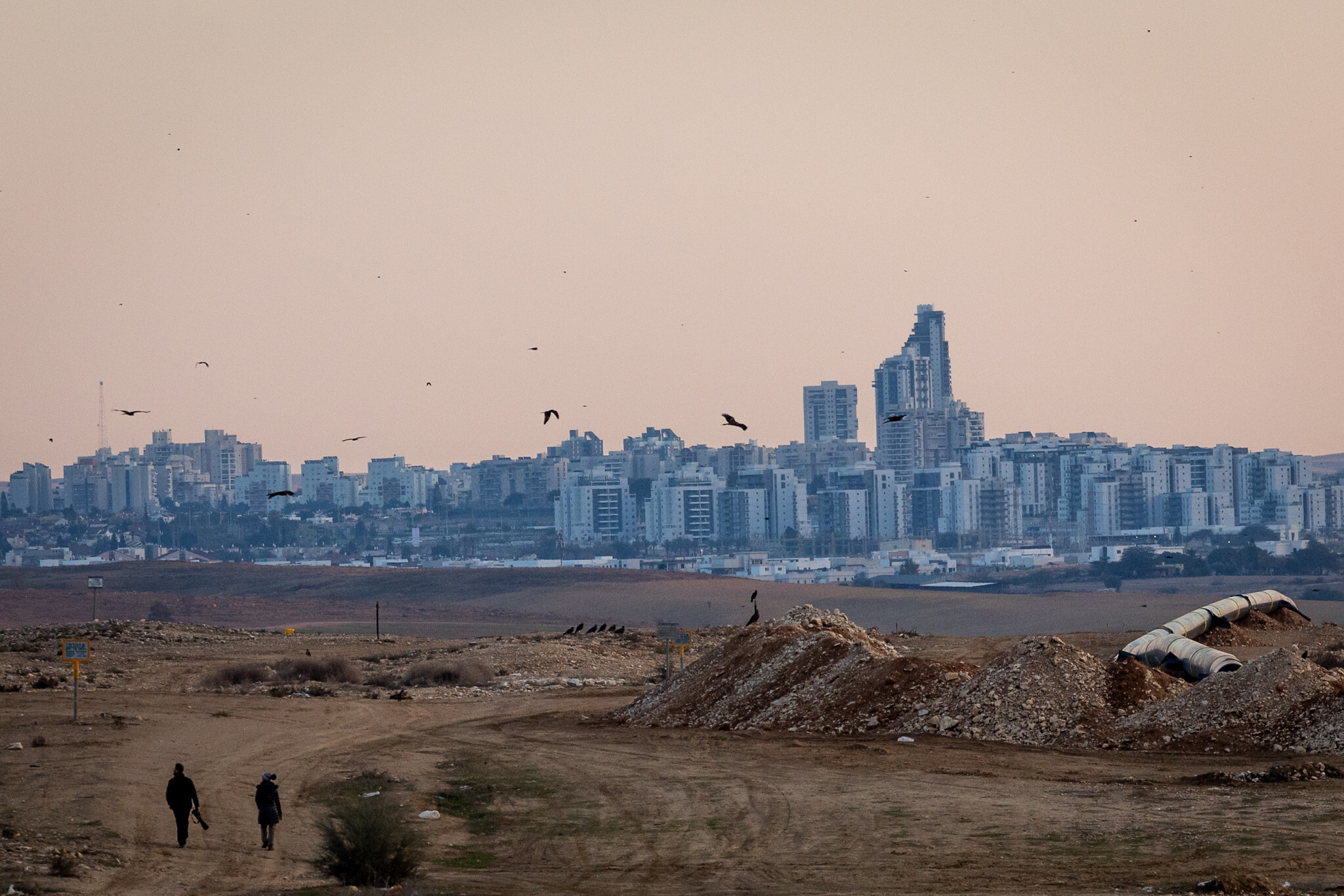
One of the city’s biggest complaints is that a real estate tax exemption for nearby towns provides a disincentive to buy a home within the city limits. Nearby towns, including Ofakim, Dimona, Yeruham and Netivot, are classified by the government as “priority development areas,” and residents are entitled to substantial tax benefits of up to 18% on annual salaries above NIS 234,000 ($68,000).
That means residents of places such as Ofakim, a 10-minute drive from Beersheba, are eligible to save over NIS 3,500 (about $1,000) per month, according to a government website — a perk Beersheba residents don’t get.
“These tax benefits have proven to be a decisive factor among residents deciding whether to relocate or continue to live there,” Danilovich has said.
Previously, there was talk about extending the tax break to Beersheba, but that was shelved after the October 7 Hamas atrocities devastated the nearby Gaza envelope communities, making their renovation and repopulation a national priority. In theory, the proposal is still on the table, but it is not expected to be accepted in the near future.
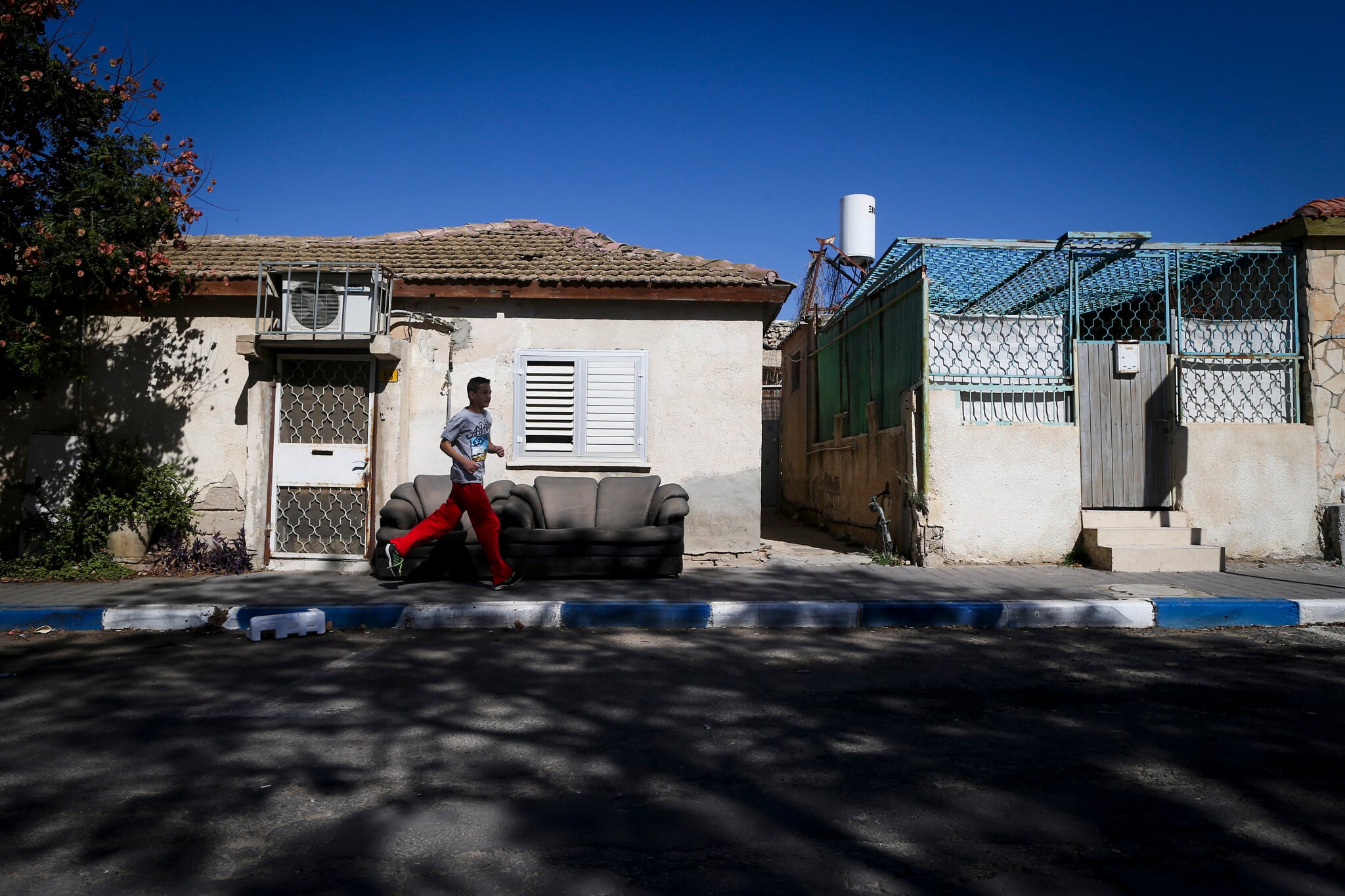
Despite this, however, the government has ambitious plans to develop Beersheba and solidify its status as the Negev’s economic anchor.
A five-year budget plan approved last year aims to consolidate Beersheba’s growth with investment in critical infrastructure, housing, employment and economic development, while two significant projects could significantly fix the city’s transportation challenges in the long term.
Development of a 25-kilometer (15-mile) light rail system throughout the Beersheba metropolitan area is underway, aiming to make transportation easier throughout the city, its suburbs, and the military facilities installed outside the city. That project, which has been discussed for decades, would be completed no earlier than 2033.
There are also plans for a fast train that would more easily link Beersheba with Tel Aviv and the center of the country, as part of a national high-speed rail network that would enable speeds of 250 kilometers per hour (155 miles per hour). That railway would cut travel time to just 30–35 minutes between Tel Aviv and Beersheba, compared to 75 minutes or more now. However, that line, currently slated to launch in 2040, has yet to advance from the initial planning stages.

Current transportation options connecting Beersheba to the country’s economic and cultural center are limited, especially at night, which “weakens the city and makes it feel isolated from the center of the country,” Alfasi said.
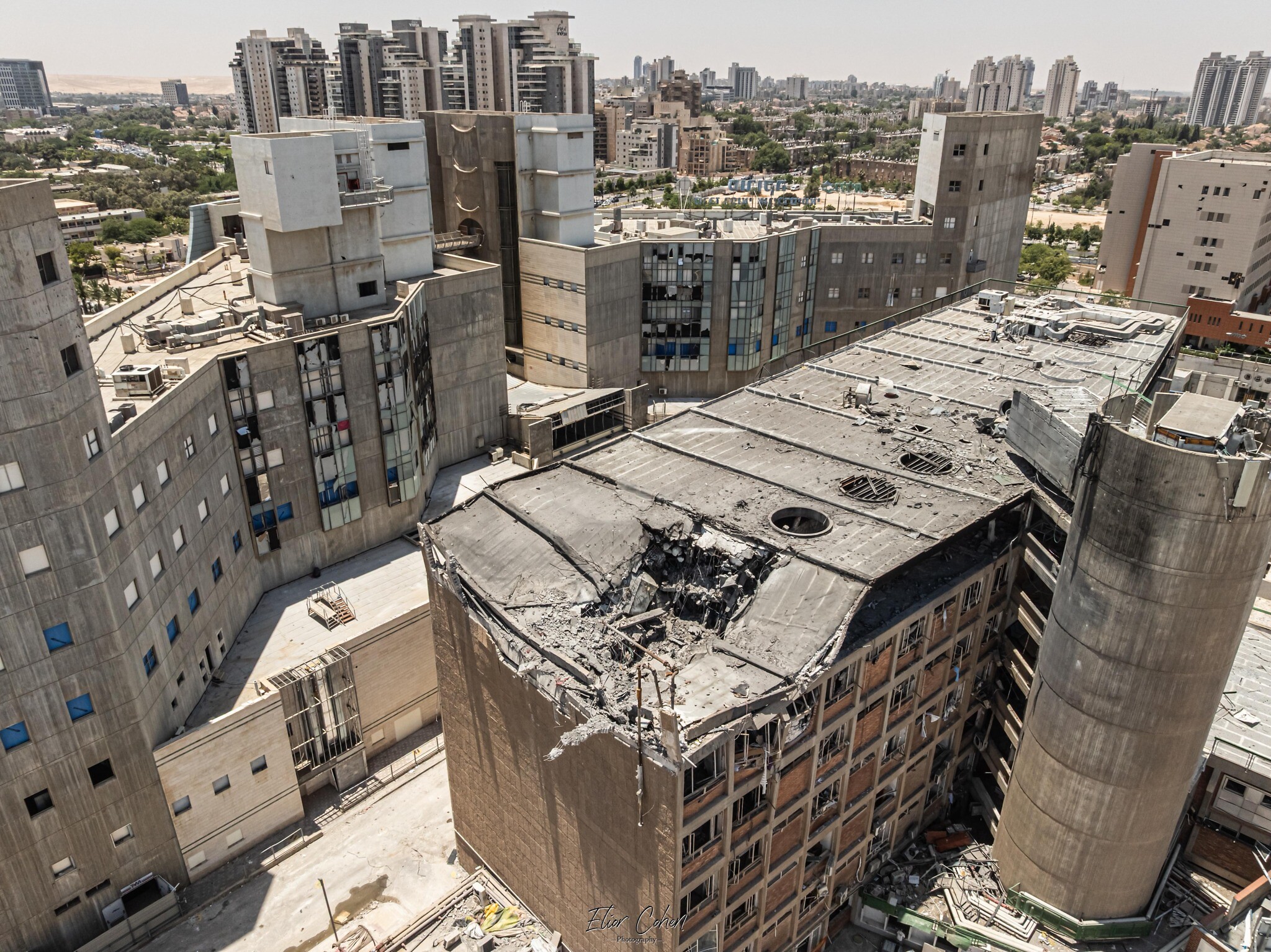
In addition, a new 600-bed hospital, which would be the second in the city after Soroka, is set to open in 2028 (although the city first seeks government funding for repairs at Soroka after it sustained significant damage in a missile attack during the 12-day war with Iran in June).
And in the past month, the city’s local planning and building committee approved a NIS 1.2 billion ($355 million) plan with the Jewish National Fund-USA to build a 65-dunam (16-acre) “World Zionist Village” that would serve as an international hub for Zionist education.
New realities
Other changes to the city are already underway.
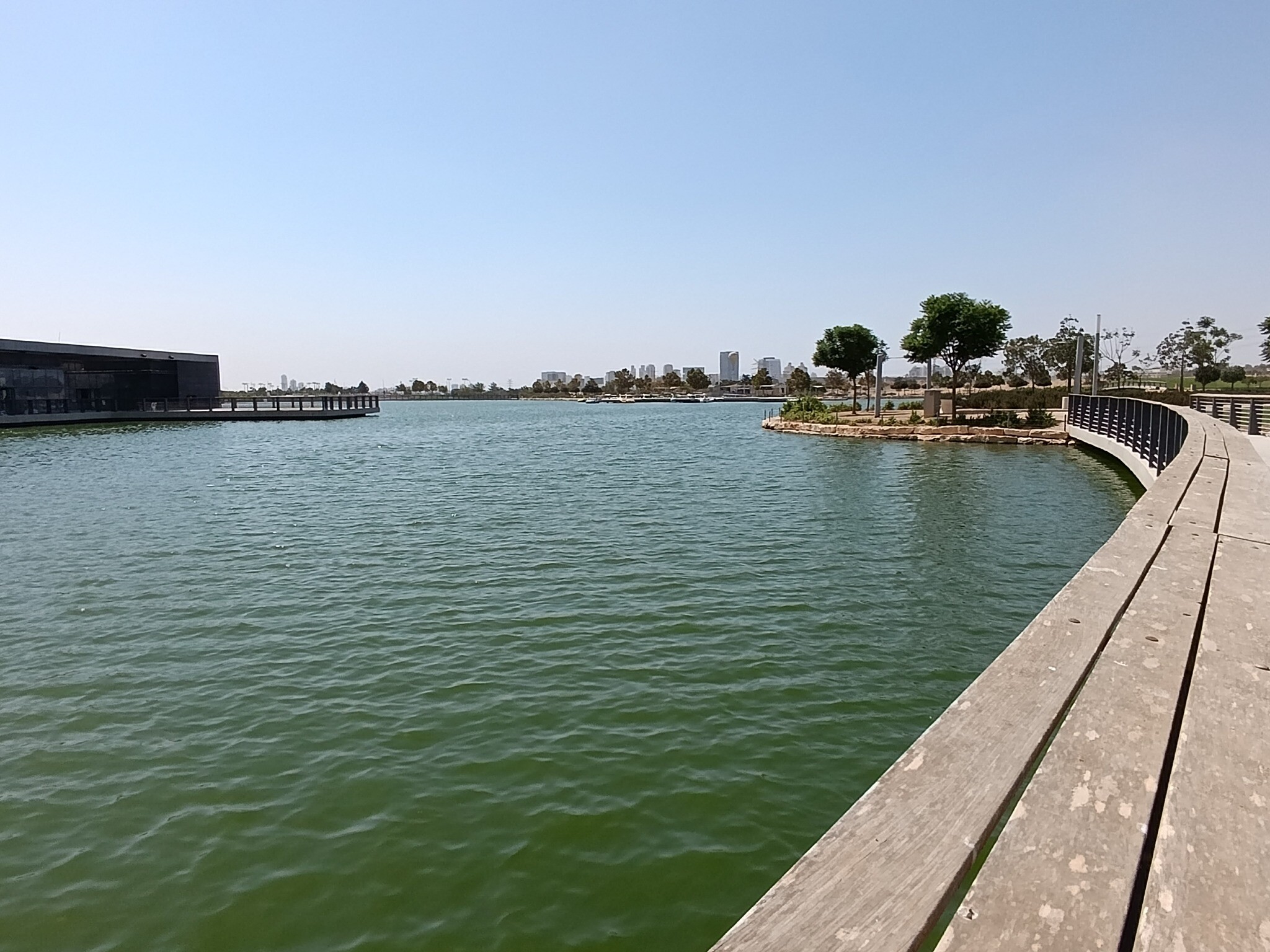
In 2013, the city opened its Beersheba River Park, one of the largest urban park projects in Israel, to transform the dry Beersheba riverbed into a green recreational and cultural hub. The 5,300-dunam (1,300-acre) park now includes an artificial lake, sports facilities, and a 12,000-seat amphitheater, making it a central attraction for residents and visitors.
Many in Beersheba see the River Park, which was inaugurated around the same time as the high-tech park, as a symbol of the city’s evolution from a dusty, overlooked desert town into a modern and livable urban center.
“It’s a sign of the city’s growth,” Maatok Borschel said. “This was a project that brought nature into the city in a new way, at a scope that we hadn’t seen beforehand.”
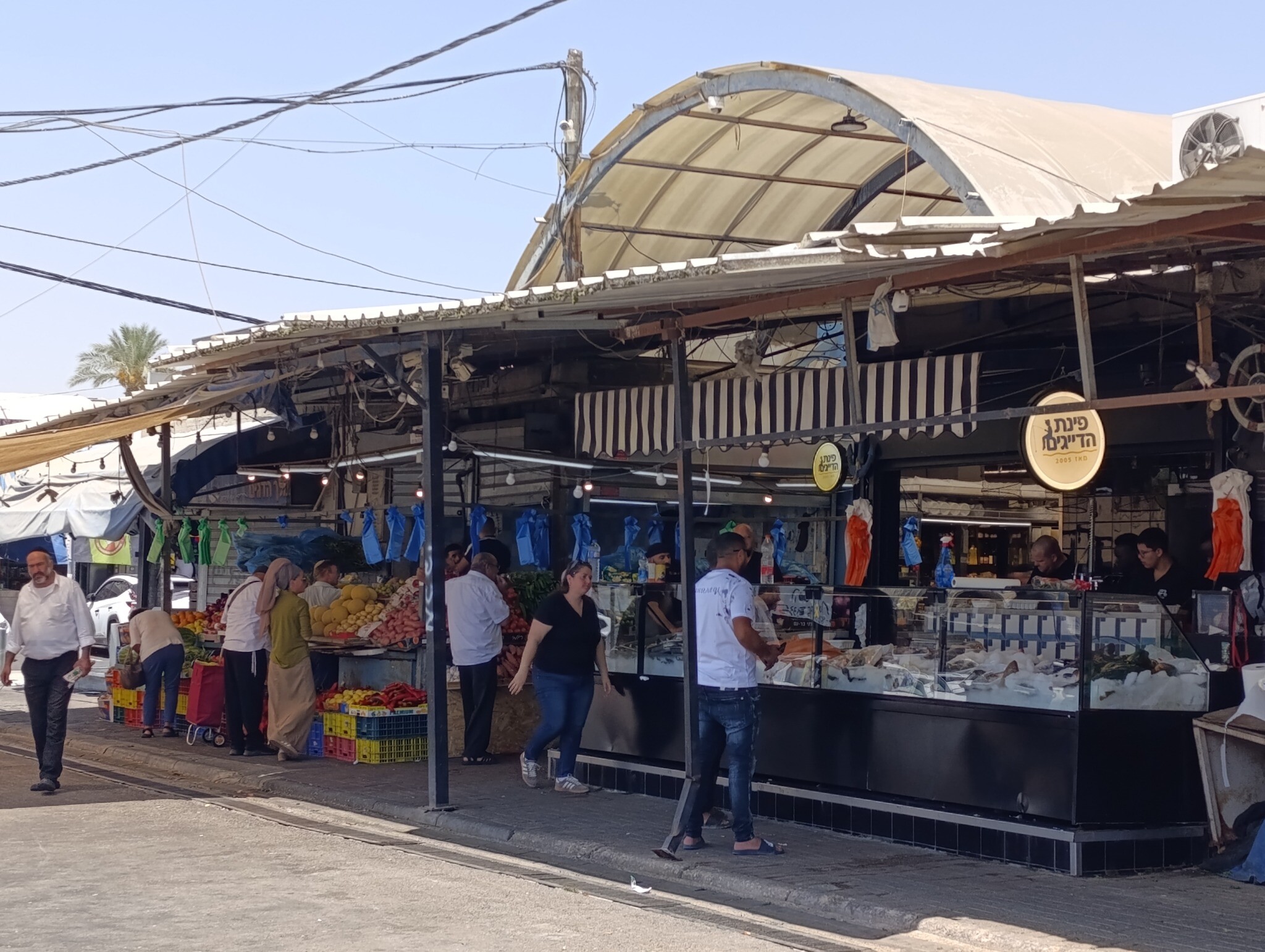
Meanwhile, Beersheba’s municipal shuk, or open-air market, the largest of its type in Israel, is being upgraded with a NIS 100 million ($30 million) project to update its infrastructure and make it more friendly for visitors, with a center for performances and events and more cool spots to sit and eat. The market, which is more than twice the size of Jerusalem’s Mahane Yehuda shuk, is bustling with over 600 Jewish, Arab, and Bedouin shop owners hawking everything from fish and vegetables to clothing and jewelry.
Work on that began last November and is expected to continue in phases throughout the different sections through at least the end of 2026.
“There are good things happening here,” said Tzion Elkayam of the Pinat HaDayagim fish shop, as he served a plate of fresh salmon ceviche.
Over at the Monument to the Negev Brigade, one of the city’s most famous landmarks, a more subtle change has been taking place. The massive concrete sculpture, constructed in the brutalist style popular when it was built in the 1960s, is one of Beersheba’s most scenic lookout points. However, in recent years, rising crime after dark has begun pushing local residents away.
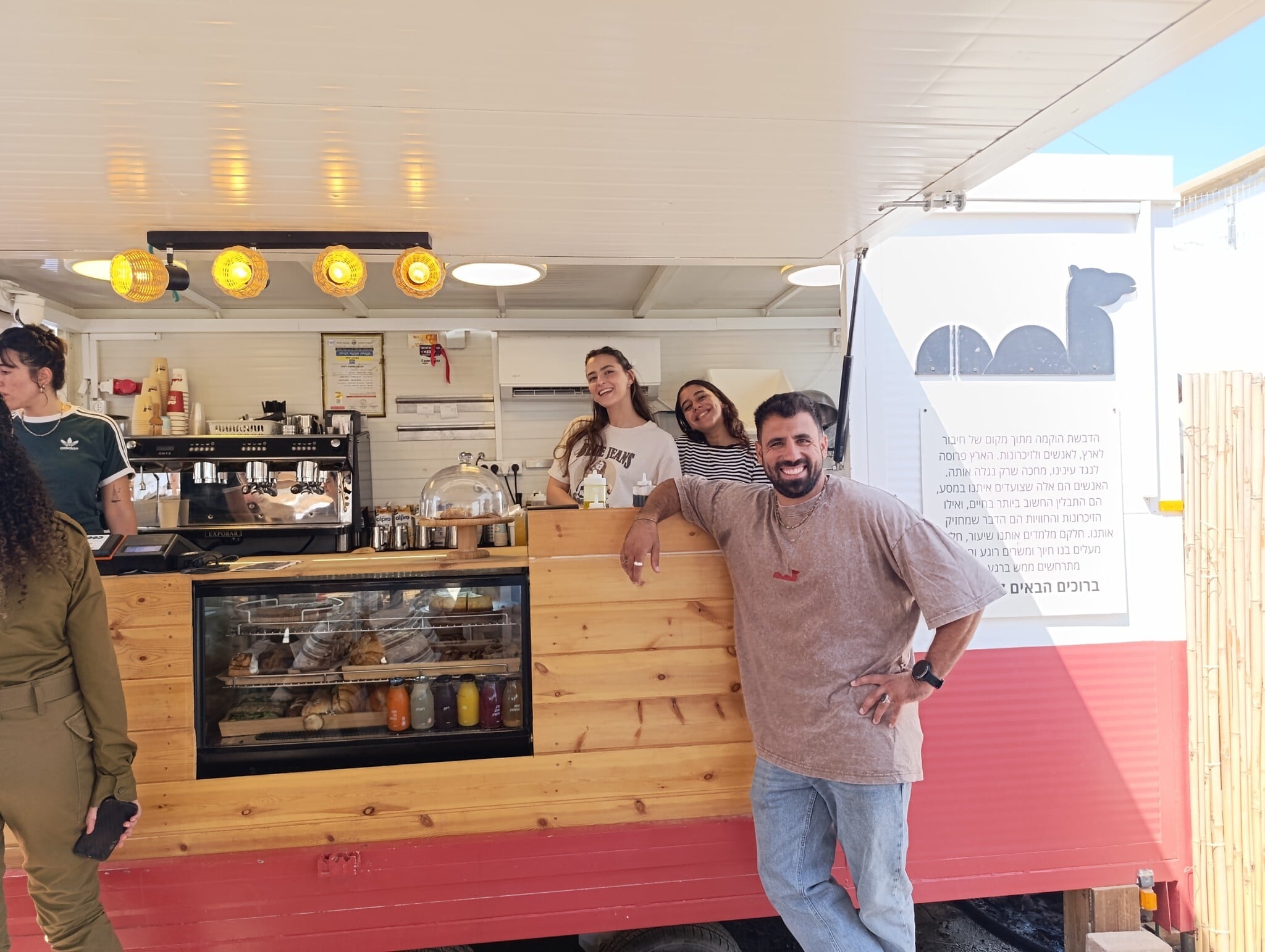
Last year, a group of three young entrepreneurs set up a cafe at the foot of the hilltop that helped change that.
“We recognized that this spot had tremendous potential, and with the municipality’s help, we built a communal space where people come for concerts, yoga classes, and other events,” Eyal Shoshan, one of the founders of Hadabeshet, told The Times of Israel over coffee. “We have collaborations with the university and many entrepreneurs, and now, the place is often full, and the atmosphere at the monument has changed for the better.”
Beersheba high-tech accelerator head Dai said this sort of growth in Beersheba is essential not just to the city but to the entire Negev region.
“What we do here affects all of the satellite settlements around us,” he said. “Strengthening high-tech in Beersheba strengthens high-tech in Ofakim, Sderot, Omer and other nearby towns, while investing in other cities at our expense cannibalizes the long-term growth of the region. If we are the capital of the Negev, then it follows that when we are successful and significant, everyone else benefits as well.”

The Times of Israel Community.