

With Palestinian reconciliation, West faces Hamas dilemma
Diplomats seek workaround to support unity government in Gaza without engaging directly with terror organization
 Add ToI as a Preferred Source on Google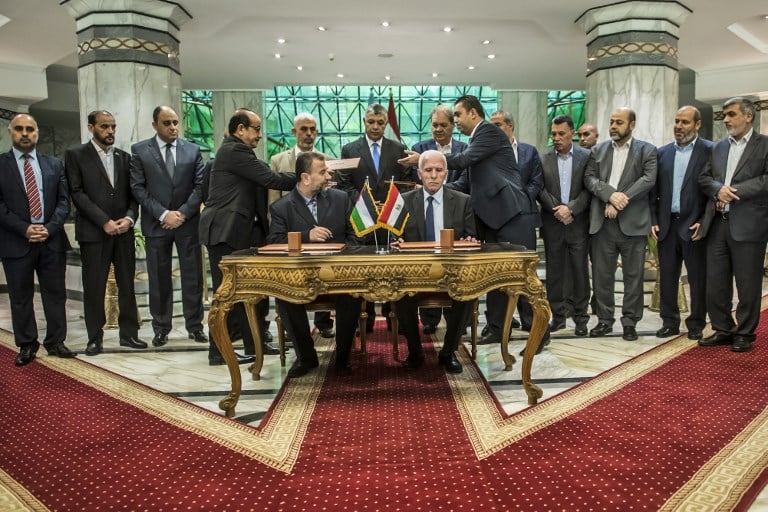
A landmark Palestinian unity deal poses a dilemma for the international community if it succeeds: how to deal with Hamas, which is dedicated to eliminating Israel and is considered a terrorist organization by much of the world.
Under the Egyptian-brokered agreement, the Islamist movement Hamas will by December 1 hand over Gaza to the internationally recognized Palestinian Authority (PA), which is based in the West Bank. The two sides and other factions will also seek to form a unity government, while Hamas could eventually join the Palestine Liberation Organization — Israel’s primary negotiating partner in peace talks.
There has been no indication that Hamas, which has fought three wars with Israel since 2008, would disband its vast military wing or give up its weaponry.
Following the announcement of reconciliation, Western diplomats simultaneously welcomed the potential end to the decade-long split and expressed concern about Hamas joining the official Palestinian government.
Some Western diplomats told AFP there were potential workarounds that could enable them to continue working with a government that included Hamas members.

“It is difficult to imagine Hamas giving up violence overnight,” one said on condition of anonymity. “But a compromise might be possible to allow us to work with the government even with Hamas’s backing.”
A European diplomat said they would be wary of accepting a situation similar to Lebanon, where Hezbollah maintains a military wing independent of the government which has fought wars with Israel.
“We would need Hamas to visibly give up day to day security” before committing to major infrastructure funding projects, he said.
After the deal was signed, Israel said any Palestinian government must commit to the so-called principles of the international Quartet on Middle East peace. These expressly demand recognition of Israel and renouncing terrorism as a tactic. Hamas has done neither.
US law prohibits material support or resources for designated terrorist organizations, potentially complicating funding for a Hamas-backed Palestinian government. The US is one of the largest donors to the Palestinian government, providing 265 million shekels ($75 million) in budget support between January and August this year, according to the finance ministry.
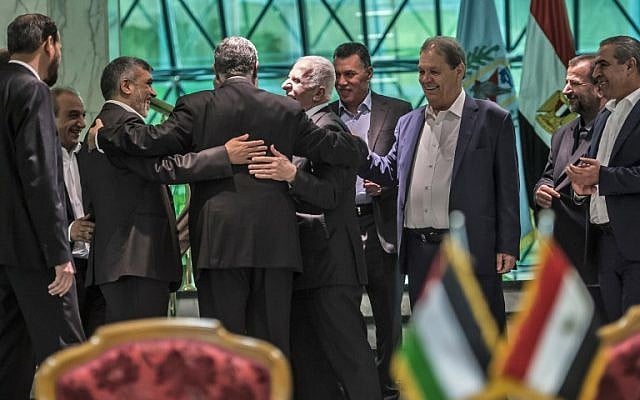
But Western diplomats said there are ways in which they could support the government even if Hamas were part of it.
Under one plan, individual ministers would renounce their membership of Hamas and commit to the Quartet principles, even if the party did not.
“I don’t know if we would have direct meetings with those specific ministers, but we could work with the government in general,” another Western diplomat said.
Similar schemes have been imagined in previous failed reconciliation agreements.
But Alan Baker, a former Israeli ambassador, said such an agreement would be rejected by the Jewish state unless Hamas disarmed.
Meanwhile, all sides said it was still too early to know exactly how the agreement will play out. Multiple previous reconciliation agreements have collapsed and confidence between the two Palestinian factions remains low.
Next month, all Palestinian parties will meet to discuss a unity government, with the PA also due to take control of border crossings with Israel and Egypt.
The agreement signed in Cairo on Thursday could also complicate US President Donald Trump’s plan to restart frozen Israeli-Palestinian peace negotiations.
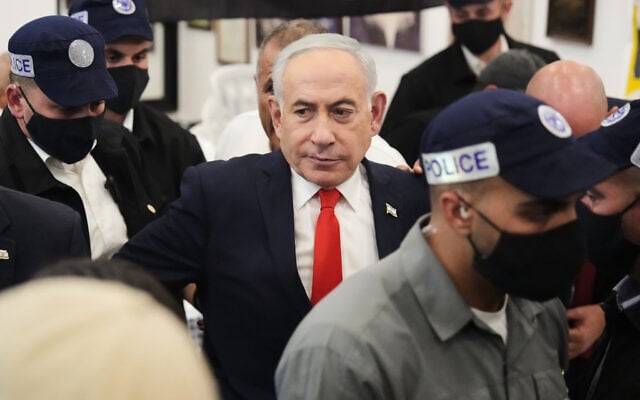
Israel said the agreement made such negotiations harder, with Prime Minister Benjamin Netanyahu accusing the PA of “reconciling with mass-murderers.”
Netanyahu said Israel would oppose “any reconciliation in which the terrorist organization Hamas does not disarm and end its war to destroy Israel.”





The Times of Israel Community.