

German WWII coding machine found on eBay
Discovered in a shed and sold for £10, device was used by Hitler to send encrypted messages to his generals
 Add ToI as a Preferred Source on Google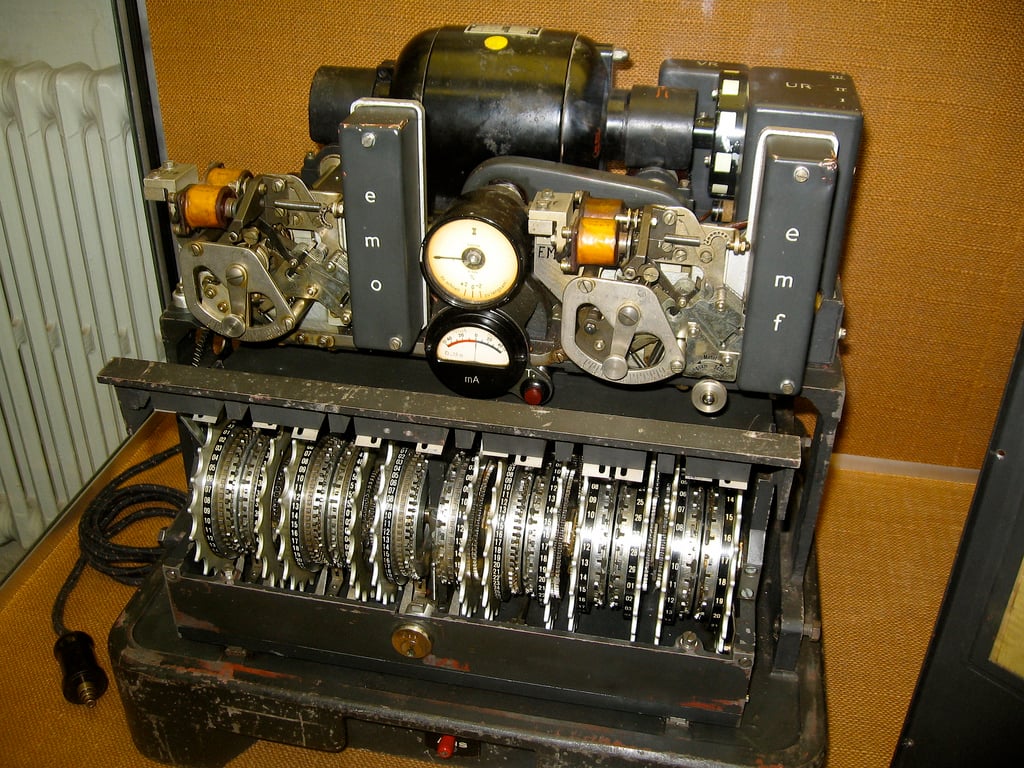
One of the machines used to send coded messages between Adolf Hitler and his generals sold for £10 on eBay after being discovered in a shed in England, the buyer said Sunday.
Researchers at The National Museum of Computing at Bletchley Park saw a “telegram machine” for sale on the auction site for £9.50 (12.5 euros/$14), and believed it may have actually been a Lorenz machine, used by the German army to send top-secret coded messages.
“My colleague was scanning eBay and he saw a photograph of what seemed to be the teleprinter,” John Wetter, a volunteer at the museum in Buckinghamshire, south England, told the BBC.
To investigate further, Wetter traveled to the southeastern town of Southend where he found the machine, which resembles a typewriter, on the floor of a shed, covered “with rubbish.”
“We said ‘Thank you very much, how much was it again?’ She said ‘£9.50,’ so we said ‘Here’s a £10 note — keep the change,” he added.
The museum is now hunting for a replacement motor, which is missing.
“It looks like an electric motor in black casing with two shafts on each side, which drive the gears of the Lorenz machine,” said Wetter.
The Lorenz teleprinter was used in World War II to swap personal messages between Hitler and his generals.
A linked cipher machine consisting of 12 individual wheels each containing multiple settings encoded the messages.
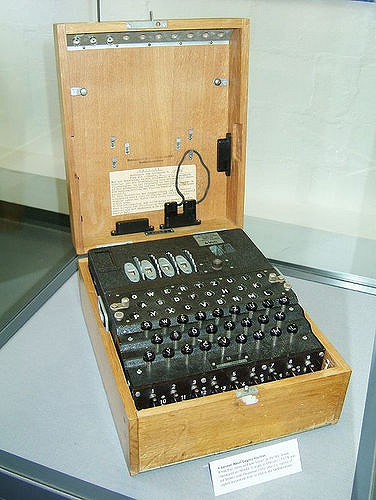
Andy Clark, chairman of the trustees at The National Museum of Computing, called the machine “far bigger than the famous portable Enigma machine.”
“Everybody knows about Enigma, but the Lorenz machine was used for strategic communications,” said Clark.
“It is so much more complicated than the Enigma machine.”










The Times of Israel Community.