

Germany’s Merz says rules-based world not dead despite facing ‘rough winds’
Chancellor advocates bolstering NATO in Europe while maintaining links to US, after standoff over Greenland and amid Russian war on Ukraine
 Add ToI as a Preferred Source on Google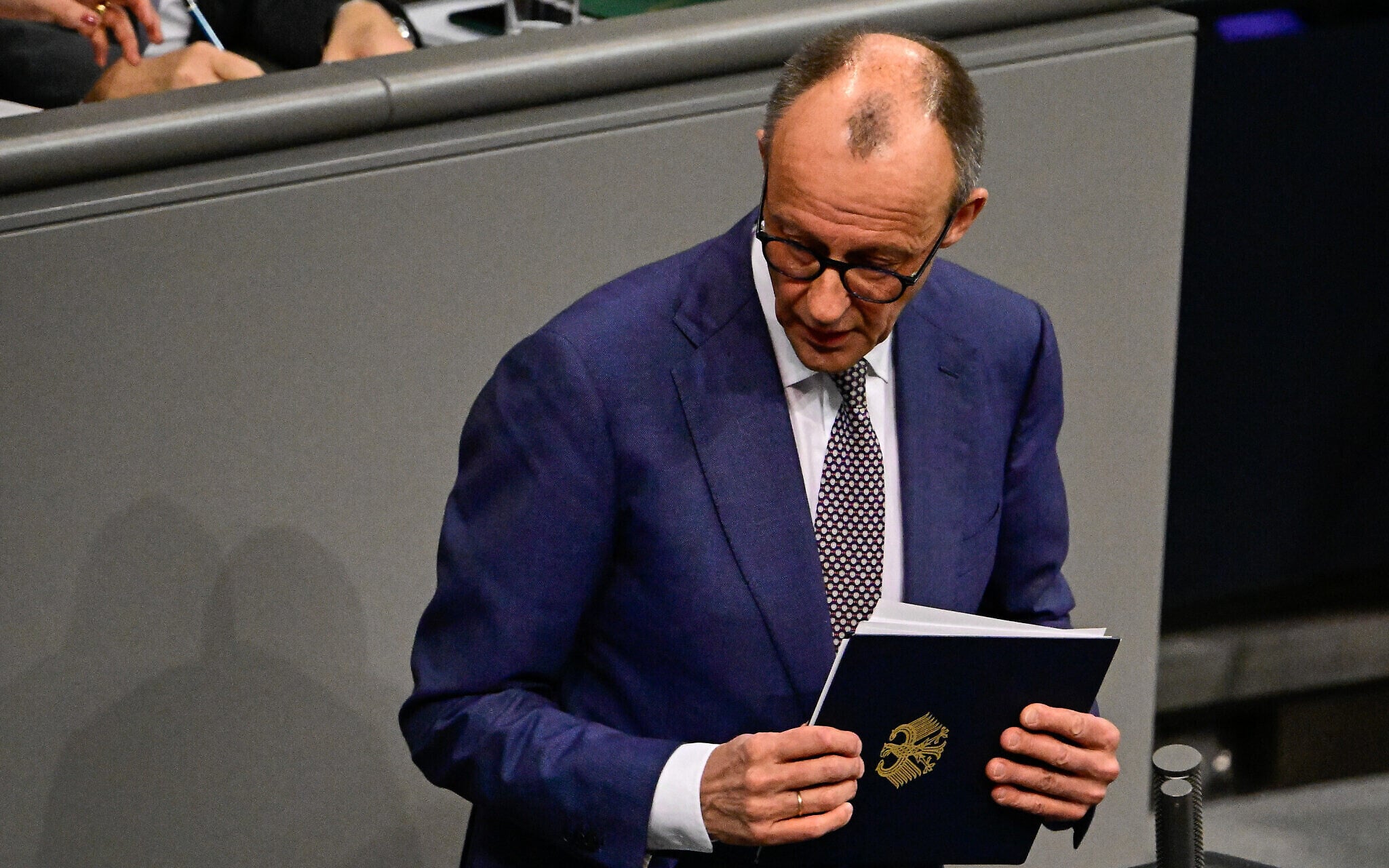
BERLIN — German Chancellor Friedrich Merz on Thursday said the goal of a rules-based global order was not dead, calling for a stronger NATO within Europe while still extending the hand of cooperation to the United States.
Speaking to the German parliament, Merz also said that Europe will no longer be cowed by tariff threats, after US President Donald Trump backed away from using such tariffs as a weapon to seize Greenland.
Merz’s speech underscored how European leaders have been emboldened to try to project European strength and values, after the standoff with Trump over Greenland and nearly four years of war between Russia and Ukraine.
“For some weeks now, we have been seeing with increasing clarity the emergence of a world of great powers. Rough winds are blowing in this world, and we will feel their effects for the foreseeable future,” Merz told lawmakers.
He added that in recent weeks, “we have been able to experience something of the joy of self-respect,” adding that rules-based action and rules-based trade are not dead.
“More and more countries around the world are recognizing that the current global reorganization also presents an opportunity for all actors who prefer rules to arbitrariness and who see more advantages in free and fair trade than in the one-sided pursuit of sole self-interest,” he added.
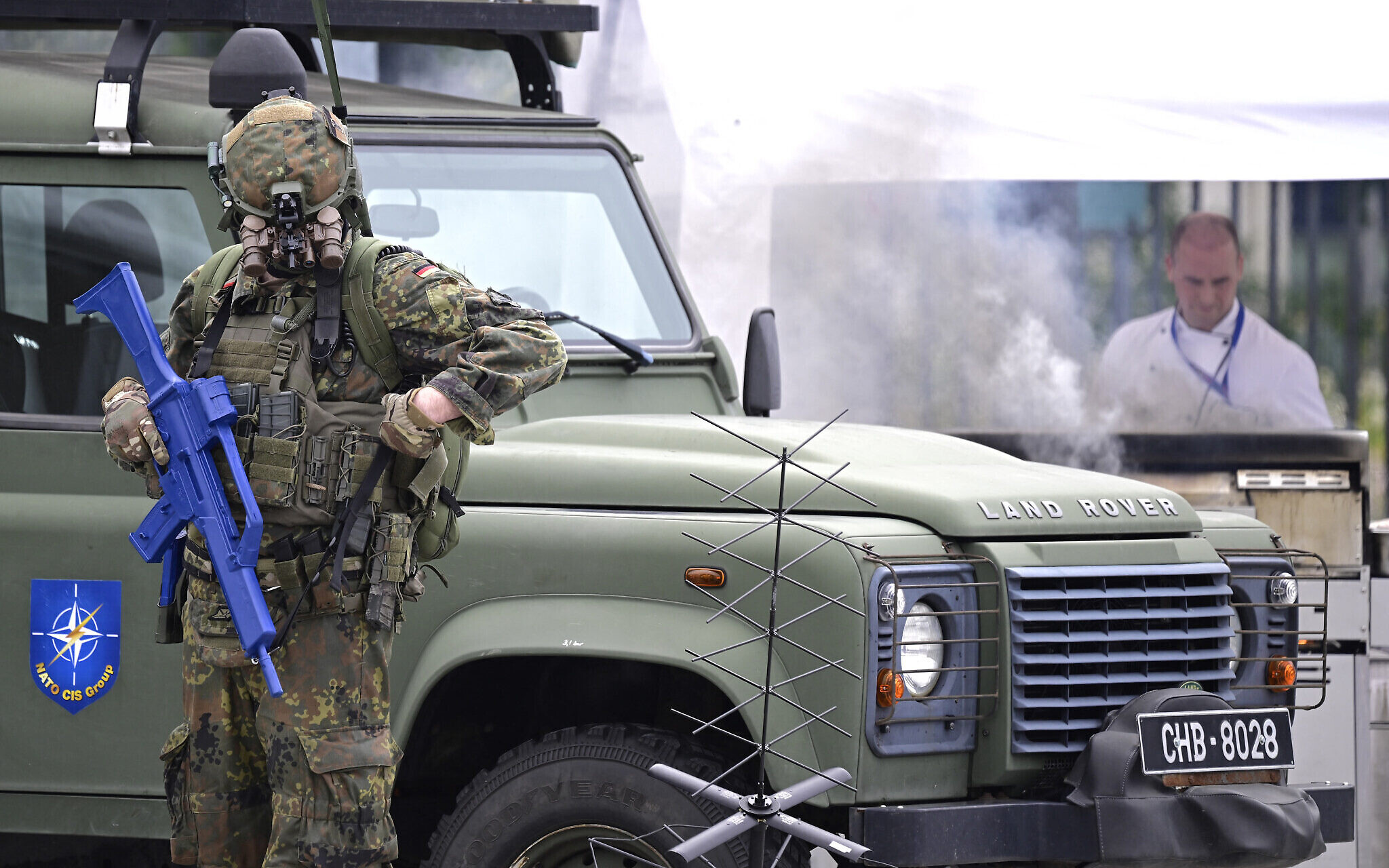
Europe’s top economy, home to more than 83 million people, is a strong military supporter of Ukraine in its war against Russia and a central hub for NATO forces on the continent.
After decades of stability following the end of the Cold War, it is now scrambling to rebuild its military to deter Russia — but also to improve resilience on the home front.
Defense Minister Boris Pistorius warned Tuesday of “the increasing number of hybrid attacks in many European countries, with critical infrastructure being targeted at the click of a mouse, data cables being cut in the Baltic Sea, drone-based espionage and media disinformation campaigns.”
Private companies and the broader economy are also “feeling the direct impact of these geopolitical threats and risks in supply chains, energy supply, and cybersecurity,” he said.
Under the new law, operators of critical facilities will have to report incidents to Germany’s Office of Civil Protection and Disaster Relief within 24 hours and follow up with a detailed report within one month.
They will also have to conduct training, exercises, and awareness-raising for staff.
Business groups have complained they will face cumbersome new reporting duties and hefty fines for noncompliance.
The new law also calls for better protecting sensitive data, such as maps of power grids that are now published online, to prevent malicious actors from using them to exploit vulnerabilities.





The Times of Israel Community.