

Iran pardons 157 detained after anti-government protests
Inmates accused of ‘spreading propaganda against the system’ freed in honor of Prophet Muhammad’s birthday
 Add ToI as a Preferred Source on Google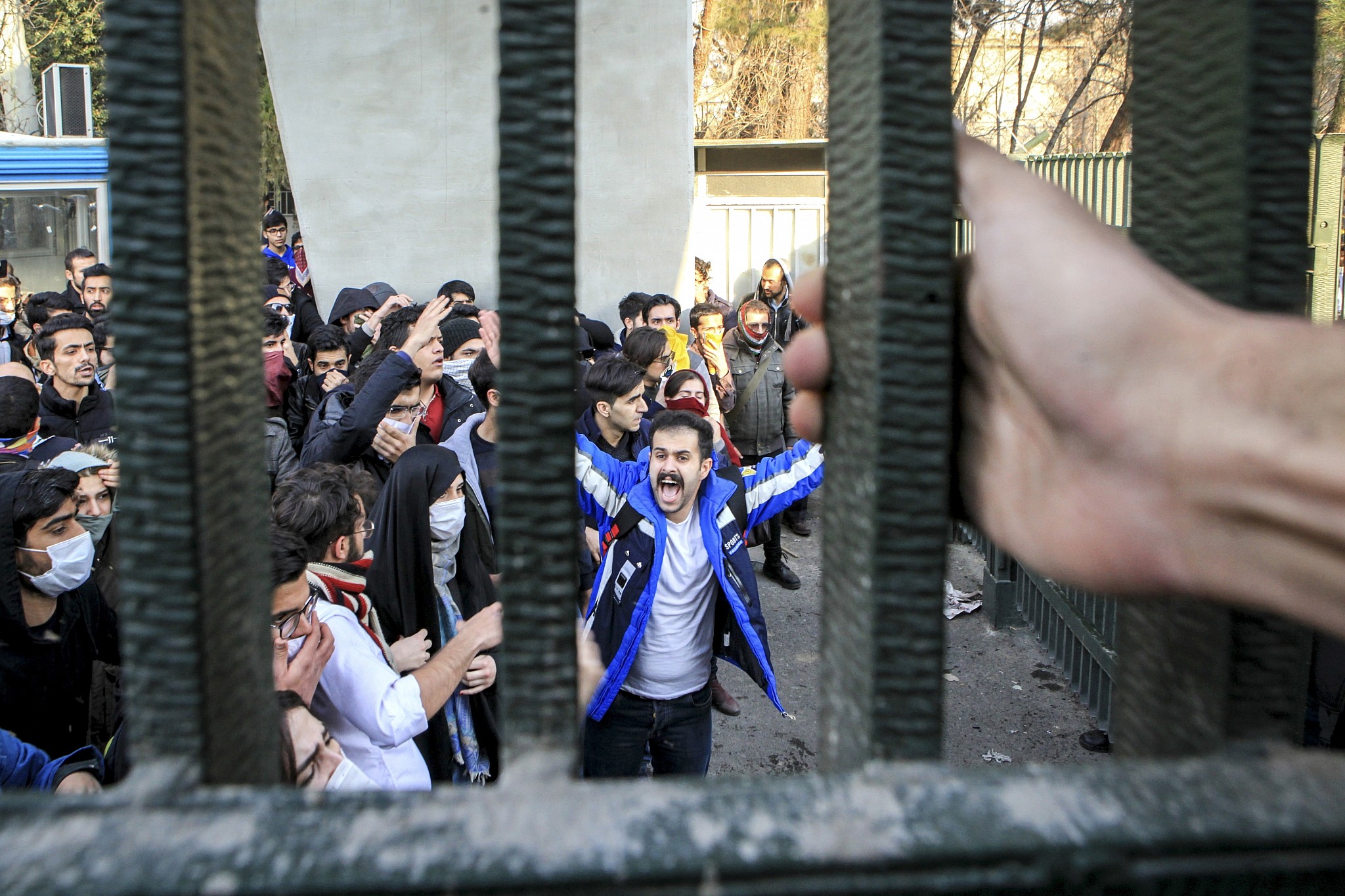
TEHRAN, Iran — Iran has pardoned 157 people held on charges stemming from their alleged participation in anti-government protests, the country’s judiciary announced on Tuesday, the biggest such release of those swept up in the harsh crackdowns.
Judiciary spokesman Gholamhossein Esmaili told reporters that the people freed had been imprisoned for “spreading propaganda against the system” and taking part in several waves of protests that challenged the government over the last three years.
The amnesty was part of a customary clemency order by Supreme Leader Ayatollah Ali Khamenei to mark the birthday of the Prophet Muhammad. Khamenei, who has the final say on all state matters, issued a decree pardoning 3,780 prisoners last week.
As the coronavirus pandemic ravaged Iran, propelling its death toll to the highest in the Middle East, the government released over 100,000 prisoners to keep the virus from spreading behind bars.
Economic grievances in Iran have repeatedly triggered nationwide political unrest in recent years. In November 2019, security forces smothered protests that were prompted by a sharp increase in gasoline prices, arresting over 1,000 and killing hundreds, according to rights watchdog Amnesty International.
The cases of those caught in crackdowns have drawn international outrage. In September, Iran executed a 27-year-old wrestler accused of stabbing a water supply company employee after taking part in 2018 protests in the southern city of Shiraz. His execution revived demands for Iran to stop carrying out the death penalty.




The Times of Israel Community.