

Iranian steel mill workers detained after protests – report
Demonstrations continue throughout the Islamic Republic as economy reels from restored US sanctions
 Add ToI as a Preferred Source on Google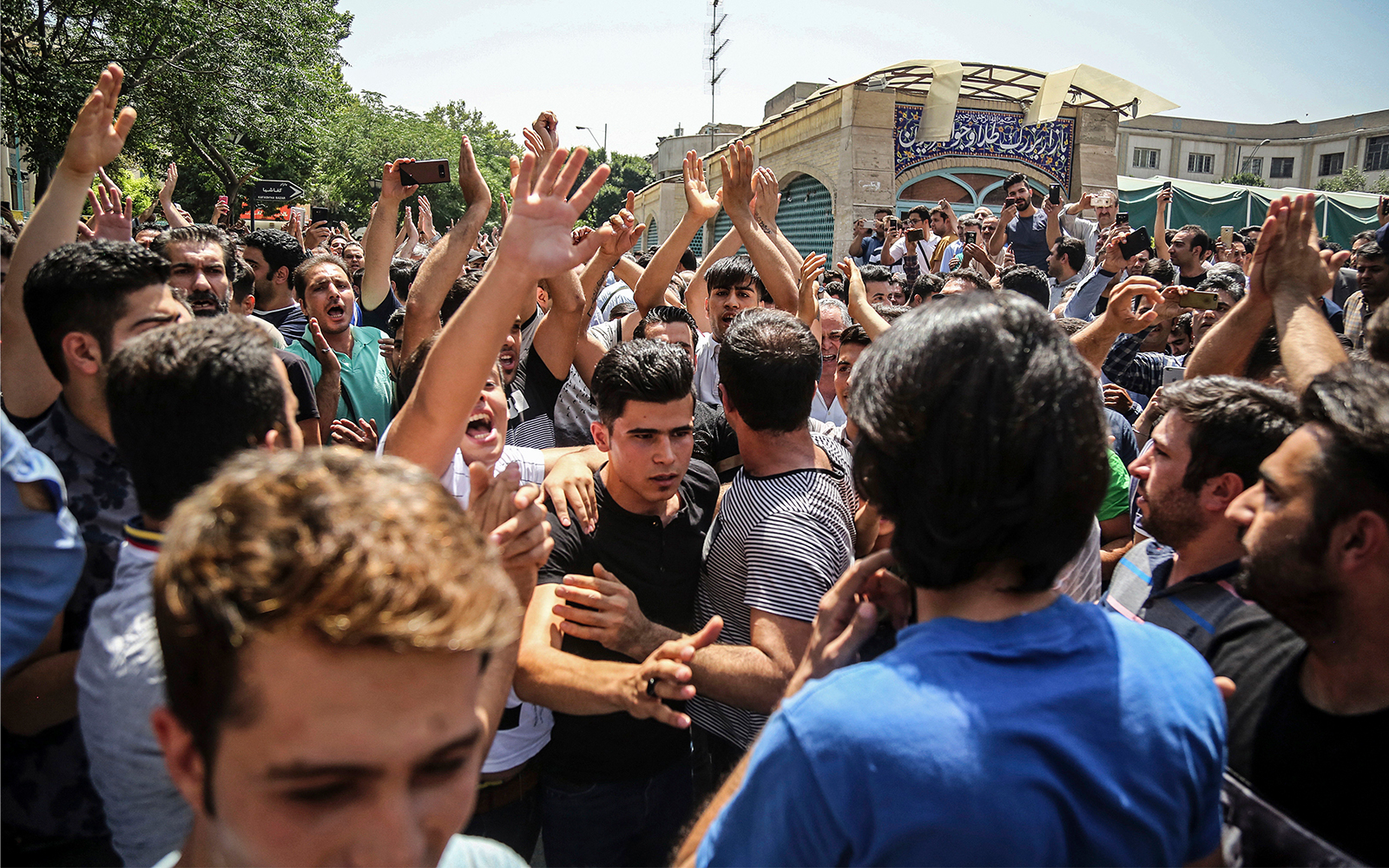
TEHRAN, Iran (AP) — Iranian authorities detained an unspecified number of steel mill workers after five weeks of protests over delays in salaries, a semi-official news agency reported Monday.
The report by ILNA says the arrests took place on Sunday night. However, Kasra Ghafouri, the head of state-owned National Iranian Steel Group, insisted the workers were only “summoned,” not detained. The report did not elaborate.
The factory in Ahvaz, the capital of southwestern oil-rich Khuzestan province, was founded in early 1960s and has nearly 4,000 workers. It was privatized in 2008 but following financial problems, its ownership returned to a government bank in 2016.
Iran is in the grip of an economic crisis and has seen sporadic protests in recent months as officials try to downplay the effects of the newly restored US sanctions on Tehran.
In November, four workers of a Khuzestan sugar cane mill were arrested after protesting for not having been paid their salaries for months.
Also last month, Iran’s central bank said prices of dairy products and eggs increased nearly 57 percent, fruits 68%, meat 39%, sugar 41% and rice 21% from what they were in 2017.
Meanwhile in Tehran, money exchange shops offered 105,000 Iranian rials to the dollar. The Iranian currency, the rial, has rallied from about 190,000 rials for $1 in October, the lowest point so far. It was about 42,000 rials to $1 last December.
Supreme Leader Ayatollah Ali Khamenei recently ordered the central bank to strengthen the rial. The currency plunged after US President Donald Trump moved to restore tough US sanctions after withdrawing from Tehran’s nuclear accord with world powers in May. US sanctions targeting the country’s vital oil industry went into effect in early November, ramping up pressure on the economy.




The Times of Israel Community.