

Iran’s Khamenei blames recent protests on foreign ‘enemies’
Islamic Republic’s supreme leader accuses Tehran’s opponents of seeking to ‘strike a blow’ amid unrest over deadly building collapse
 Add ToI as a Preferred Source on Google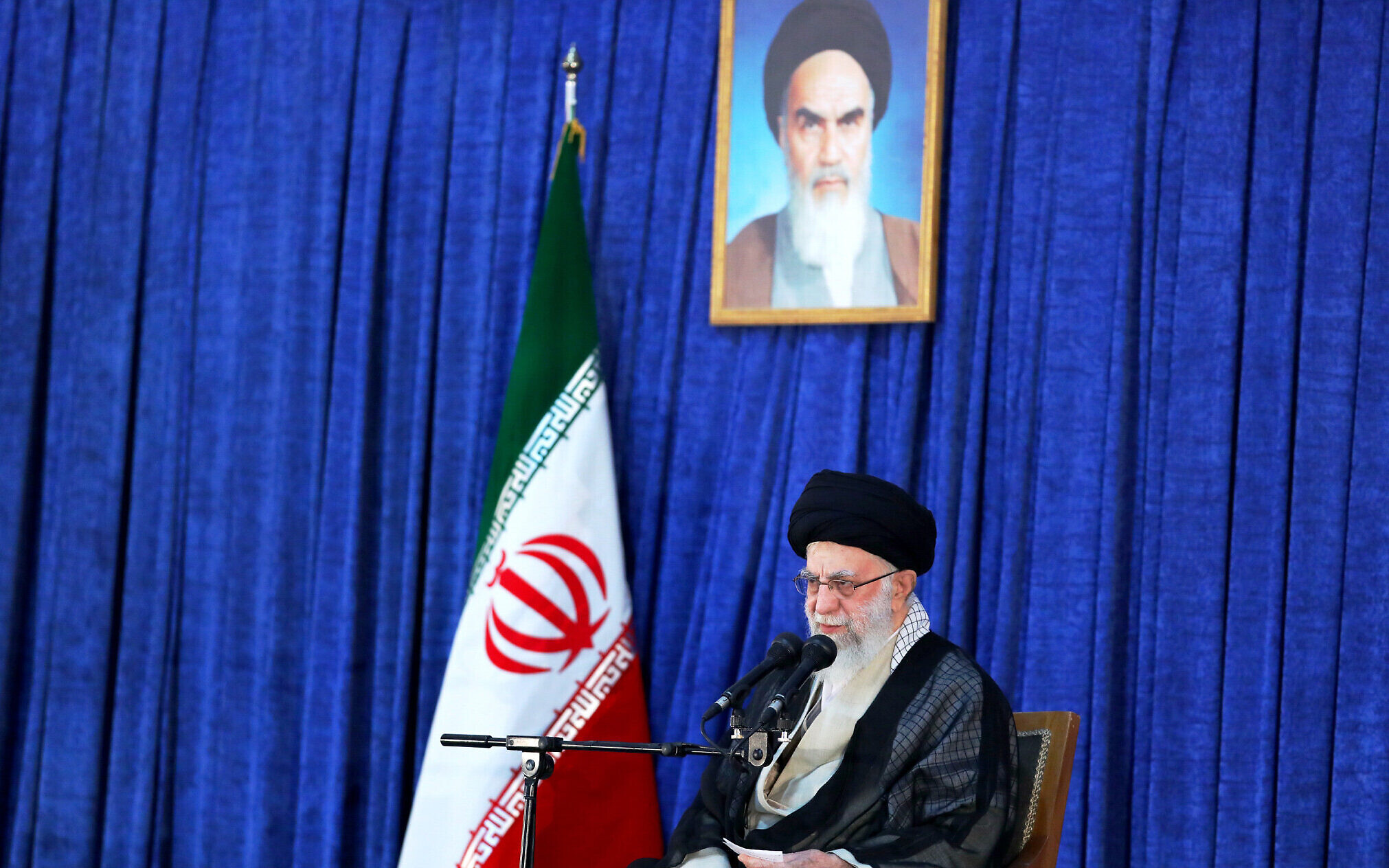
Iran’s Supreme Leader Ayatollah Ali Khamenei on Friday blamed foreign “enemies” for recent protests in the country while addressing a ceremony in Tehran, which marked 33 years since the death of his predecessor and leader of the 1979 Iranian revolution, Ayatollah Ruhollah Khomeini.
Daily protests have taken place in the Khuzestan region, where the death toll from a building collapse last month in the city of Abadan has risen to 37 people.
Addressing the ceremony at Khomeini’s mausoleum, Khamenei claimed foreigners hoped to harm the country’s regime through the unrest.
“Today, the enemies’ most important hope for striking a blow at the country is based on popular protests,” he said.
Khamenei touted Iran’s commitment to “national unity” and claimed it respects “different views and tendencies.”
His comments came as the Iranian regime has launched a crackdown on the protesters, disrupting the internet in the oil-rich south-western province and violently dispersing demonstrators.
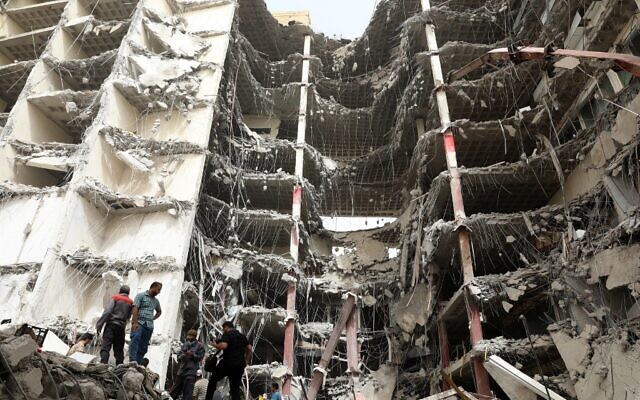
While authorities have blamed corrupt local figures for the building collapse, demonstrators have pointed the finger at the government.
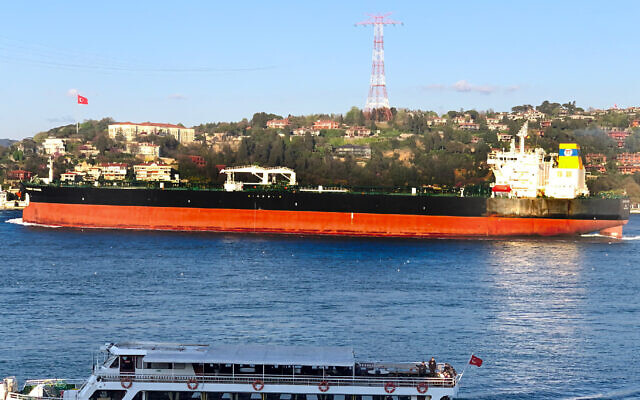
Khamenei also accused the West of waging “psychological war,” after Iran was accused of “piracy” for seizing two Greek oil tankers in the Persian Gulf last month.
“They steal Iranian oil off the Greek coast, then our brave men who don’t fear death respond and seized the enemy’s oil tanker,” Khamenei said. “But they use their media empire and extensive propaganda to accuse Iran of piracy.”
“Who is the pirate? You stole our oil, we took it back from you. Taking back a stolen property is not called stealing,” he added.
The seizures ratcheted up tensions between Iran and the West already simmering over Iran’s tattered 2015 nuclear deal with world powers. Tehran has been enriching more uranium, closer to weapons-grade levels than ever before, causing concern that negotiators won’t find a way back to the accord and raising the risk of a wider war.
Iran’s seizure of the tankers was the latest in a string of hijackings and explosions to roil a region that includes the Strait of Hormuz, the narrow mouth of the Persian Gulf through which a fifth of all traded oil passes. The incidents began after then-US president Donald Trump unilaterally withdrew the US from the nuclear deal, which saw Tehran drastically limit its enrichment of uranium in exchange for the lifting of economic sanctions.
Talks in Vienna on the nuclear deal stalled in March. Since the deal’s collapse, Iran has run advanced centrifuges and has a rapidly growing stockpile of enriched uranium. Nonproliferation experts warn Iran has enriched enough up to 60% purity — a short technical step from weapons-grade levels of 90% — to make one nuclear weapon if it chooses.


The Times of Israel Community.