

Jerusalem approves second light rail route
Spanning 20 kilometers, Blue Line will serve some 250,000 passengers, running from southern Gilo and Malha to northern Ramot
- See more Times of Israel on Google - add us as a Preferred Source
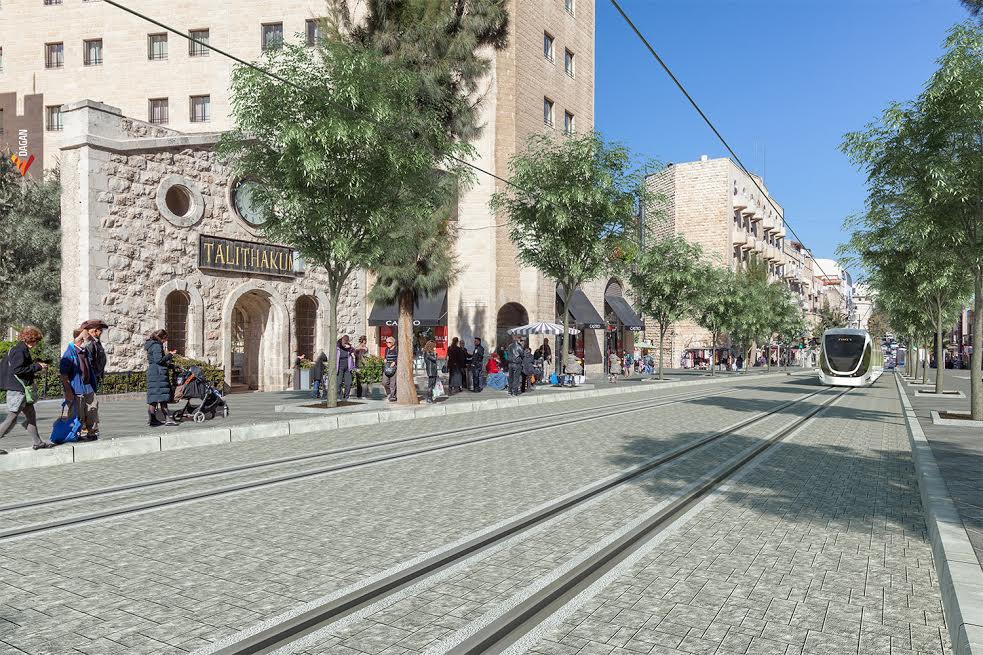
The Jerusalem municipality’s planning committee approved Wednesday plans to construct a new light rail line that will connect some of the city’s more peripheral neighborhoods to the capital’s center and to each other.
The 20-kilometer-long (a little over 12 miles) so-called Blue Line will begin in the southern neighborhood of Gilo, pass through the city’s center and end at the Ramot neighborhood in the capital’s north. A second Blue Line route will start at the neighborhood of Malha, continue through Emek Refaim and the Jerusalem Khan Theater, and end in Ramot as well.
The Blue Line is expected to be of use to some 250,000 residents, and will complement the current Red Line of the light rail system, which runs from the neighborhood of Pisgat Zeev, through Ammunition Hill, to its current final stop at Mount Herzl. Work on extending the Red Line from Mount Herzl to Hadassah Hospital in the Ein Kerem neighborhood is also underway, though that was not addressed in City Hall’s Wednesday announcement.
A third, Green Line — from Mount Scopus to Gilo — is set to be approved in the near future.
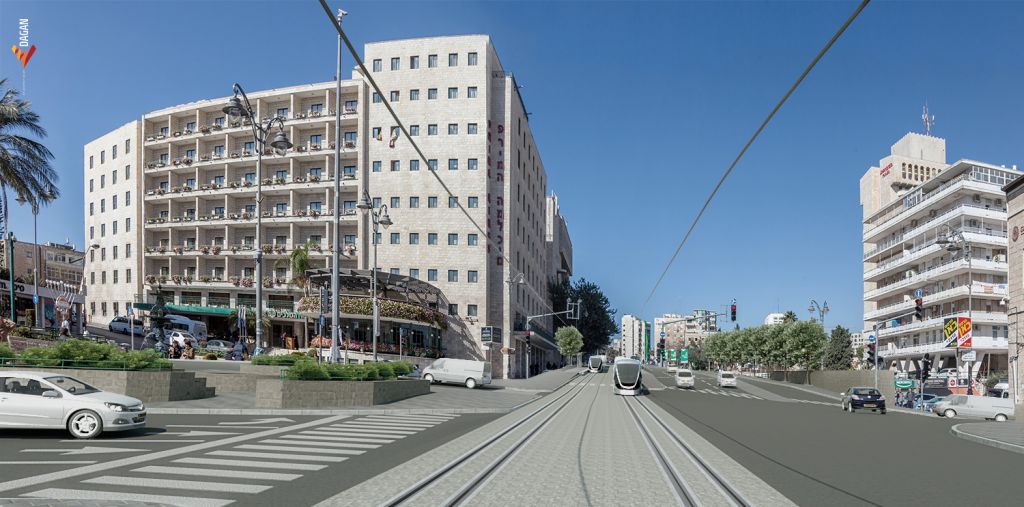
“Jerusalem is in a momentum of transportation development that positions it as the most advanced city in terms of transportation,” Jerusalem Mayor Nir Barkat said in a statement.
“With the construction of a local bus network, along with a high-speed train from the center of the country, the city’s residents will be able to enjoy shortened travel times, less traffic, cleaner air and exciting urban renewal.”
The capital’s light rail system became operative in December 2011, after eight years of construction, delays and cost overruns.







The Times of Israel Community.