

Jerusalem on high alert for first Friday prayers of Ramadan
Thousands of West Bank and Gaza Palestinians attend prayers at Al-Aqsa Mosque; police chief vows to keep order
 Add ToI as a Preferred Source on Google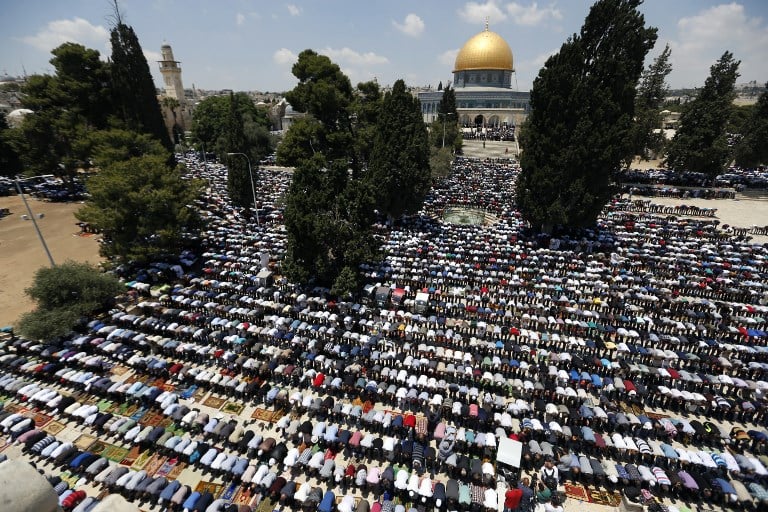
Jerusalem police were on high alert for the first Friday prayers of the month-long Muslim holiday of Ramadan, as thousands of Palestinians from the West Bank and Gaza poured into the capital to pray at the Al-Aqsa Mosque compound at the city’s Temple Mount.
Police reinforcements were deployed across Jerusalem’s Old City to provide security around the ultra-sensitive compound, Judaism’s holiest site and the third holiest place in Islam.
Police Commissioner Roni Alsheich, in Jerusalem to monitor law enforcement efforts ahead of the prayers, said that police “will do everything possible to ensure freedom of religion and worship for anyone who wishes” to pray at the site.
Alsheich wished Muslims the traditional greeting of “Ramadan Kareem” via Twitter.
״אני שולח ברכת 'רמדאן כרים' לכל המוסלמים בארץ ובעולם. החובה שלנו היא להעניק שירותי משטרה לכלל האזרחים, איש איש באמונתו", הדגיש המפכ"ל pic.twitter.com/KaS8XMUlyb
— משטרת ישראל (@IL_police) June 2, 2017
“Our duty as a police force of the State of Israel is to provide services to all citizens of the state wherever they may be,” he said. “Our goal is to enable the proper observance of the holidays and festivals for members of all communities and religions, each in his own faith.”
Thousands of police, Border Police and volunteer officers were patrolling the narrow and winding alleyways of the Old City as well as the neighborhoods and villages of predominantly Arab East Jerusalem.
Among the measures taken by Israel ahead of Ramadan, the cabinet ordered the easing of restrictions on West Bank Palestinians seeking to enter Jerusalem. No permits are required for men over 40, boys under 12 and women of all ages to enter Jerusalem to reach the holy site. Some 100 permits were also issued to residents of Hamas-controlled Gaza to cross Israeli territory to pray at the site.
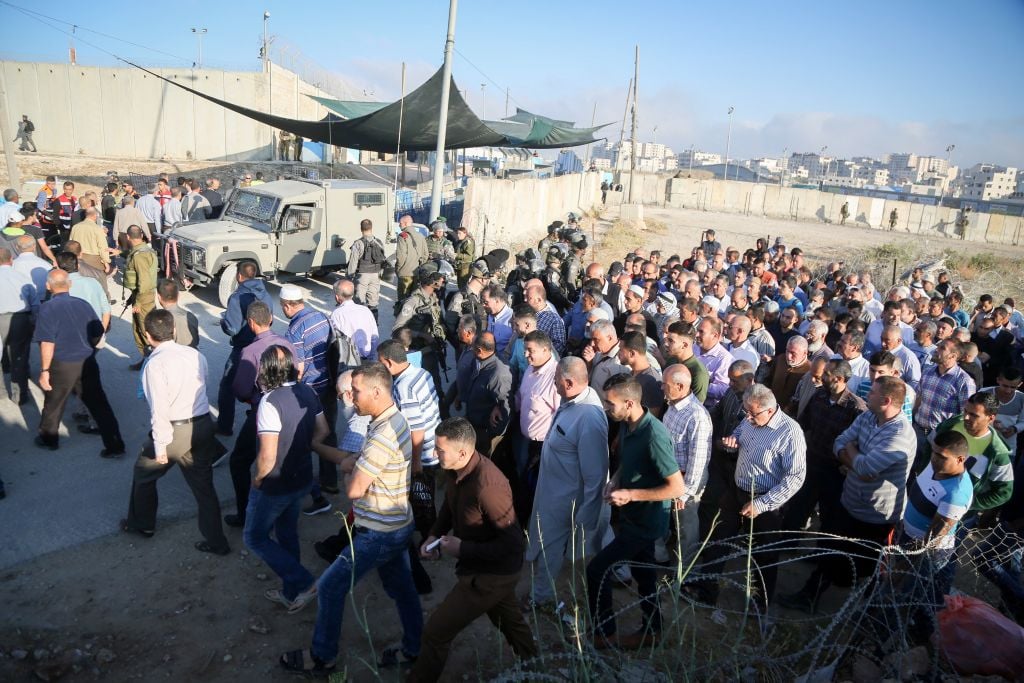
Abdeljawad Najjar, 61, from the northern West Bank city of Nablus, was among those waiting at the Qalandiya checkpoint north of Jerusalem on Friday to attend the prayers.
“It is a religious obligation to pray at Al-Aqsa, regardless of the difficulties and obstacles,” he said.
Kefaya Shrideh, 40, also from Nablus, voiced the concern, shared by many Palestinians, that far-right members of Israel’s governing coalition might seek to change the longstanding rules governing the mosque compound.
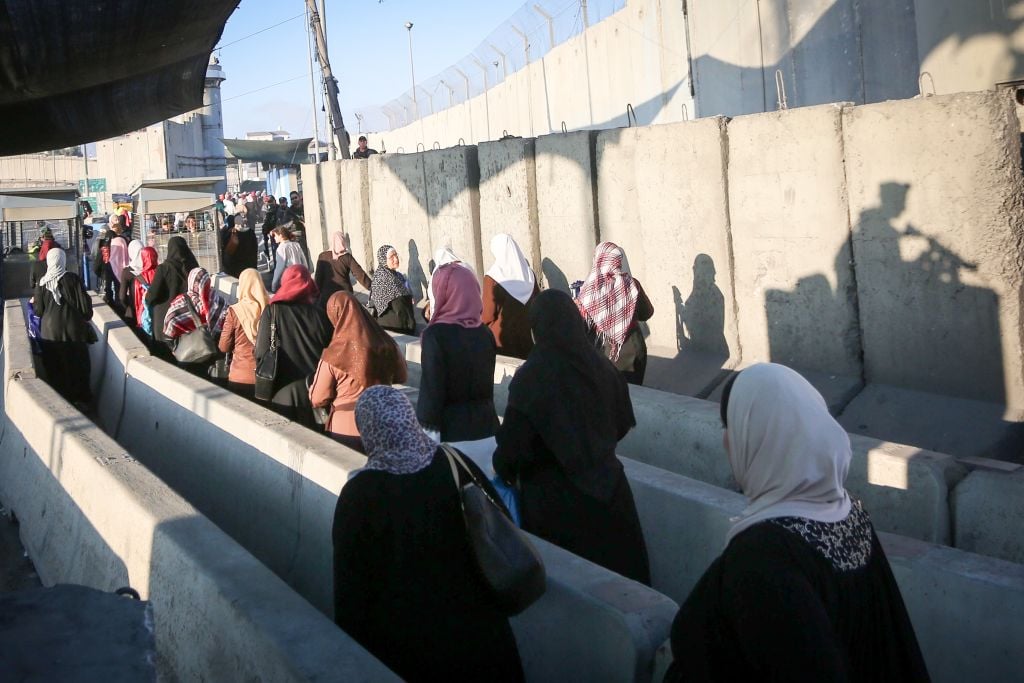
“It is important for us to pray at Al-Aqsa and not to forsake it, because we are afraid the Jews will take it,” she said.
Israel has repeatedly denied that it will change or is planning to change the existing arrangements at the site, which were reached in an agreement with the Jordanian monarchy after Israel’s 1967 capture of the area from Jordan.
Under the agreement, while Israel claims sovereignty over the Old City and East Jerusalem, administrative authority atop the Mount itself is in the hands of the Jordanian Waqf (Muslim trust). Jews are permitted to visit the site, but not to pray there.
Israel claims Jerusalem as its united capital, while the Palestinians claim the city’s eastern sector as the capital of their future state.







The Times of Israel Community.