

Likud to hold primaries for its electoral slate by July 28; Netanyahu guaranteed top spot
Internal polls have reportedly raised concerns that primaries could elevate candidates popular with the base but less appealing to moderate right-wing voters
 Add ToI as a Preferred Source on Google
Ariela Karmel is a political correspondent at The Times of Israel. She previously reported for Calcalist and Haaretz. She holds an MA in Middle Eastern and African History from Tel Aviv University and a BA in Political Science from the University of British Columbia.
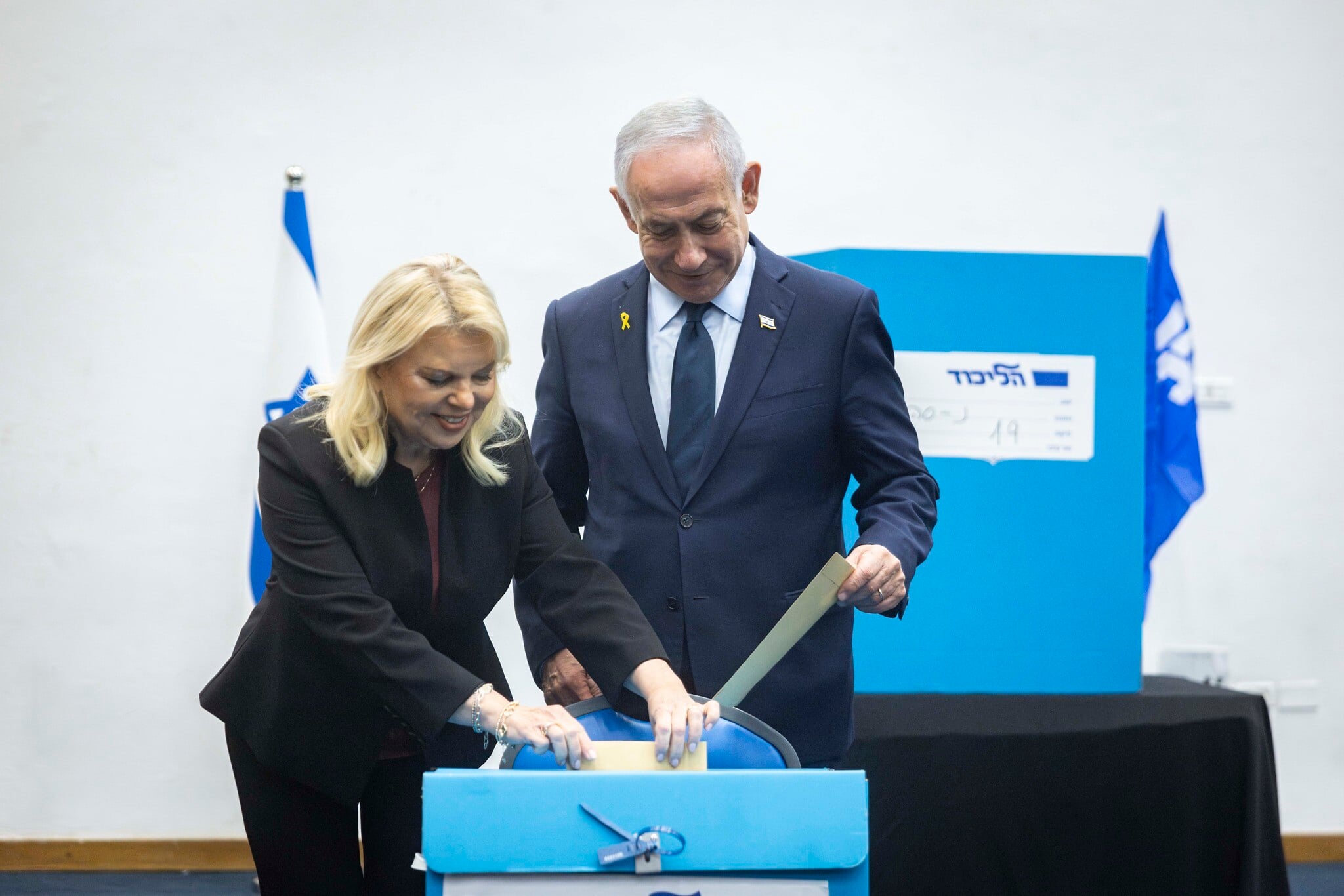
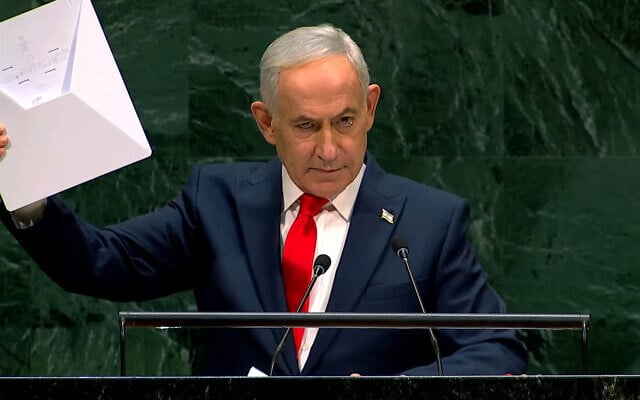
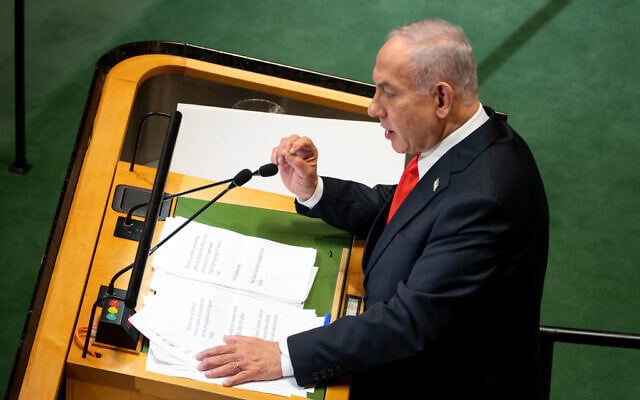
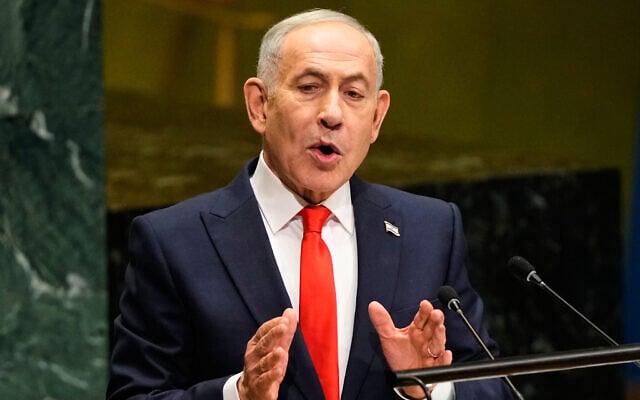
Prime Minister Benjamin Netanyahu’s ruling Likud party will hold primaries for its Knesset slate no later than July 28, Tourism Minister Haim Katz said in a statement Tuesday.
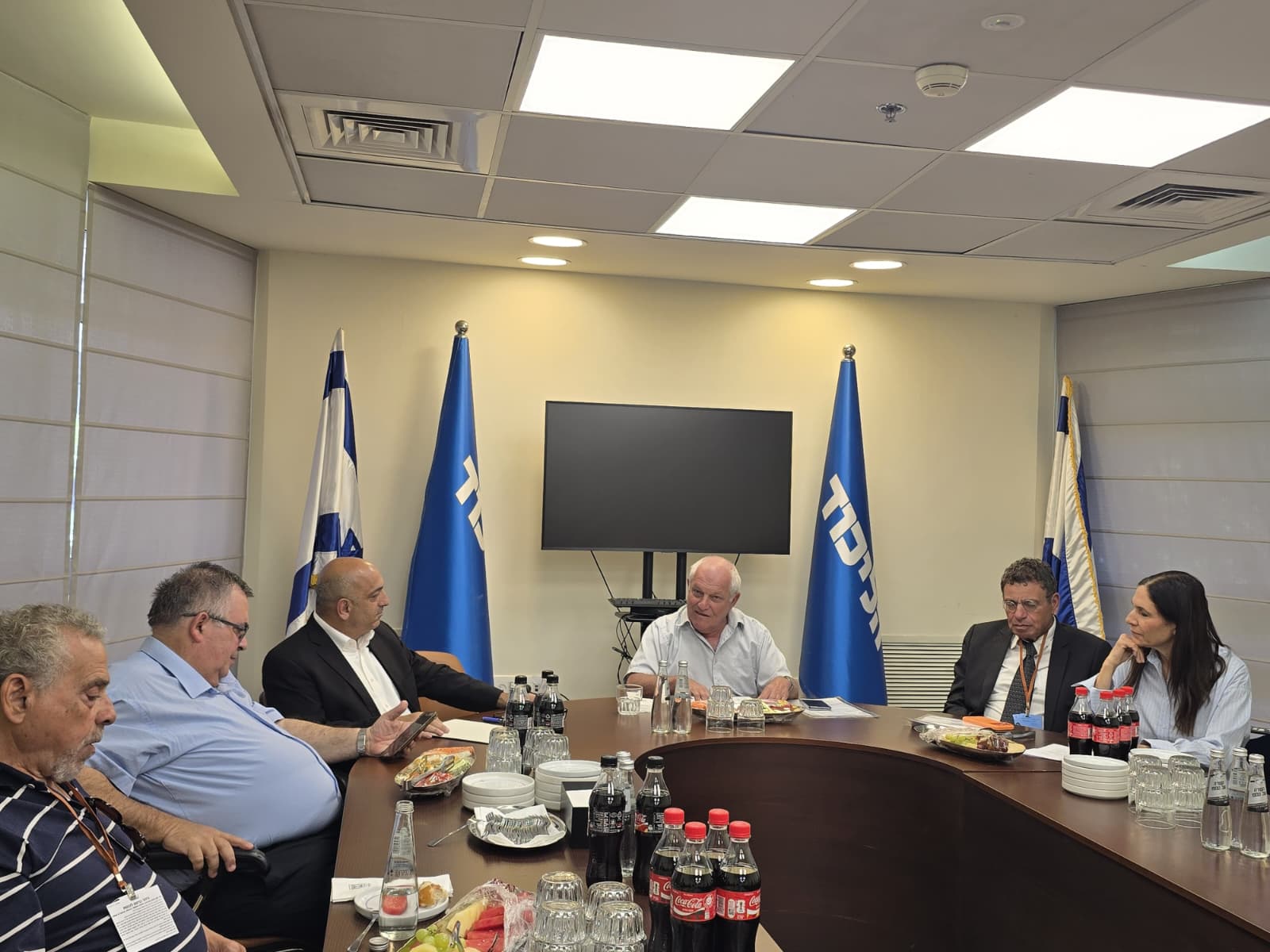
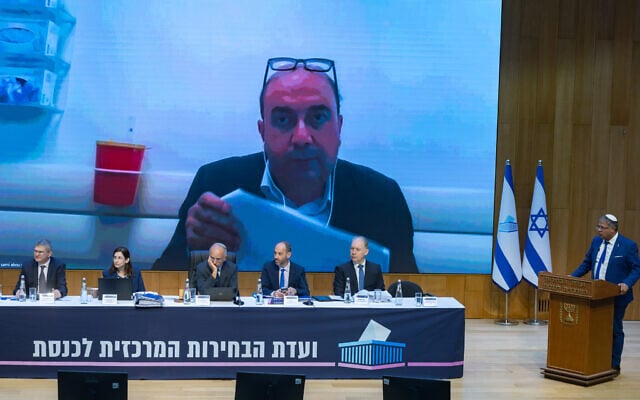
Katz, who chairs the party’s constitution committee and heads the Likud Central Committee, said the constitution committee voted unanimously on the matter Tuesday. It did not set a specific date for the primaries.
Likud held elections in November for its municipal branches and powerful Central Committee for the first time in almost 14 years. With no challenger to Netanyahu’s leadership, party members were instead asked merely to approve his continued tenure as party chairman.
As a result, the party’s upcoming primaries will be to select candidates for the second place and lower on the Likud Knesset slate.
The largest party in the Knesset, with 32 seats, Likud uses a complex primary system to determine much, though not all, of its candidate list. It is one of only a handful of Israeli parties that selects its Knesset slate through primaries, alongside the left-wing Democrats party, which is expected to announce internal elections in the coming weeks, and the Arab-majority Hadash, which held primaries last month.
Netanyahu is reportedly seeking to parachute up to 10 of his own favored choices into the top 35 places on the Likud slate, but the move is facing opposition from within Likud, notably from serving MKs who fear they will lose their Knesset seats.
In what may be an early indicator of party activists’ preferences, Knesset Speaker Amir Ohana and Energy Minister Eli Cohen received the most votes in informal mini-primaries held during the “Likudiada” mega-conference in Eilat last month.
Ohana and Cohen were followed in the top 10 by Transportation Minister Miri Regev, Science and Technology Minister Gila Gamliel, Justice Minister Yariv Levin, Defense Minister Israel Katz, Knesset Economics Committee chair David Bitan, MK Sasson Guetta, Coalition Whip Ofir Katz, and MK Tally Gotliv.
Notably, Economy Minister Nir Barkat, who has previously cited internal surveys positioning him as a leading contender to succeed Prime Minister Benjamin Netanyahu as party leader, finished a relatively low 15th. Communications Minister Shlomo Karhi came in at 17 and Education Minister Yoav Kisch was 20th.
That vote reflected only the roughly 2,000 activists who attended the conference, rather than the party’s 120,000 members, and while the results offered a useful snapshot of activists’ sentiment, they were not necessarily predictive of success in the primaries. For example, both Regev and Gamliel performed well at the Likudiada in 2022 but were ultimately placed ninth and 30th on the party list, respectively.
Netanyahu is reportedly concerned that primaries could elevate candidates who are highly popular among the Likud base but, according to internal polls conducted by the party, less appealing to moderate right-wing and swing voters, whose support could prove decisive in national elections.
Among those cited are Gotliv, Guetta, Eli Dalal, Dan Illouz, Eliyahu Revivo, and Nissim Vaturi.
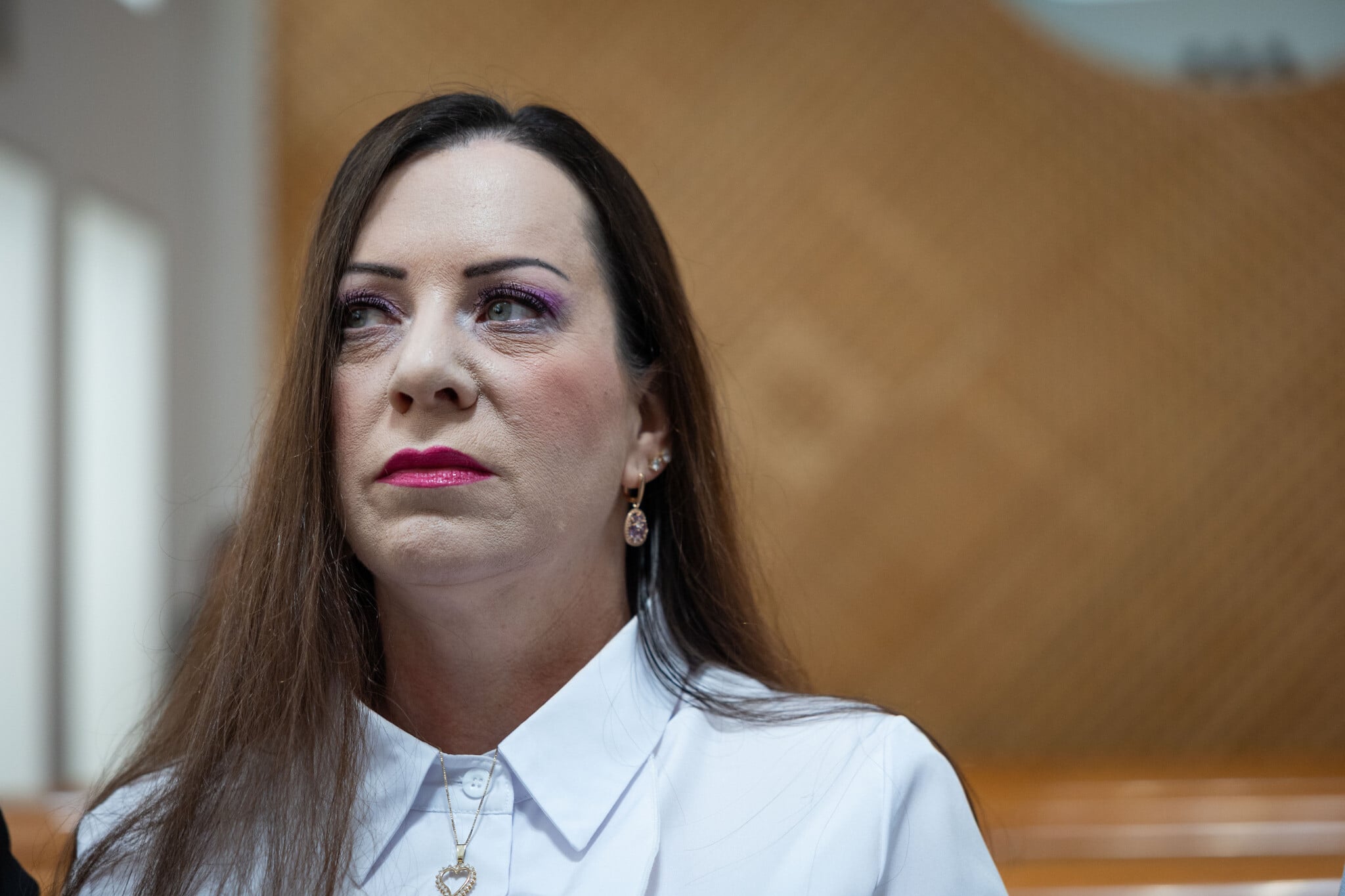
Similar concerns have been expressed about ministers including Karhi, Regev and May Golan, although Netanyahu is said to prefer keeping them on the party’s slate.
Polls conducted in recent months have generally projected Likud, though still the largest party in the Knesset, dropping to around 24 seats, bringing it neck-and-neck with or only slightly overtaking the Together slate of former prime minister Naftali Bennett and Opposition Leader Yair Lapid.
Both the pro-Netanyahu bloc and the opposition bloc – excluding the Arab parties, as several parties have ruled out the possibility of sitting in government with them – remain short of the minimum 61 seats needed to form a coalition.



The Times of Israel Community.