

Netanyahu has turned the state comptroller into a branch of his loyalist court
By manipulating the Knesset vote to get his personal attorney appointed to the job of independent overseer of the government, PM proved he values personal loyalty over basic democratic norms

 Add ToI as a Preferred Source on Google
Tal Schneider is a Political Correspondent at The Times of Israel
A system of government based on loyalty to the ruler, personal ties and family connections has a name: patrimonialism, coined more than 100 years ago by the political scientist, historian, sociologist, and philosopher Max Weber. There is a direct line between governmental corruption and patrimonialism.
Contrary to the norm in democracies, under patrimonialism a leader draws power not from public support or a sense of mission, but from a network of loyalists who are cultivated and rewarded. The goal is not the greater good but rather the establishment of a “king’s court.”
However, patrimonialism, once common in authoritarian regimes, has leaped into the heart of democracy. Political scientists have noted that the phenomenon exists in fragile or underdeveloped democracies. And that is Israel today.
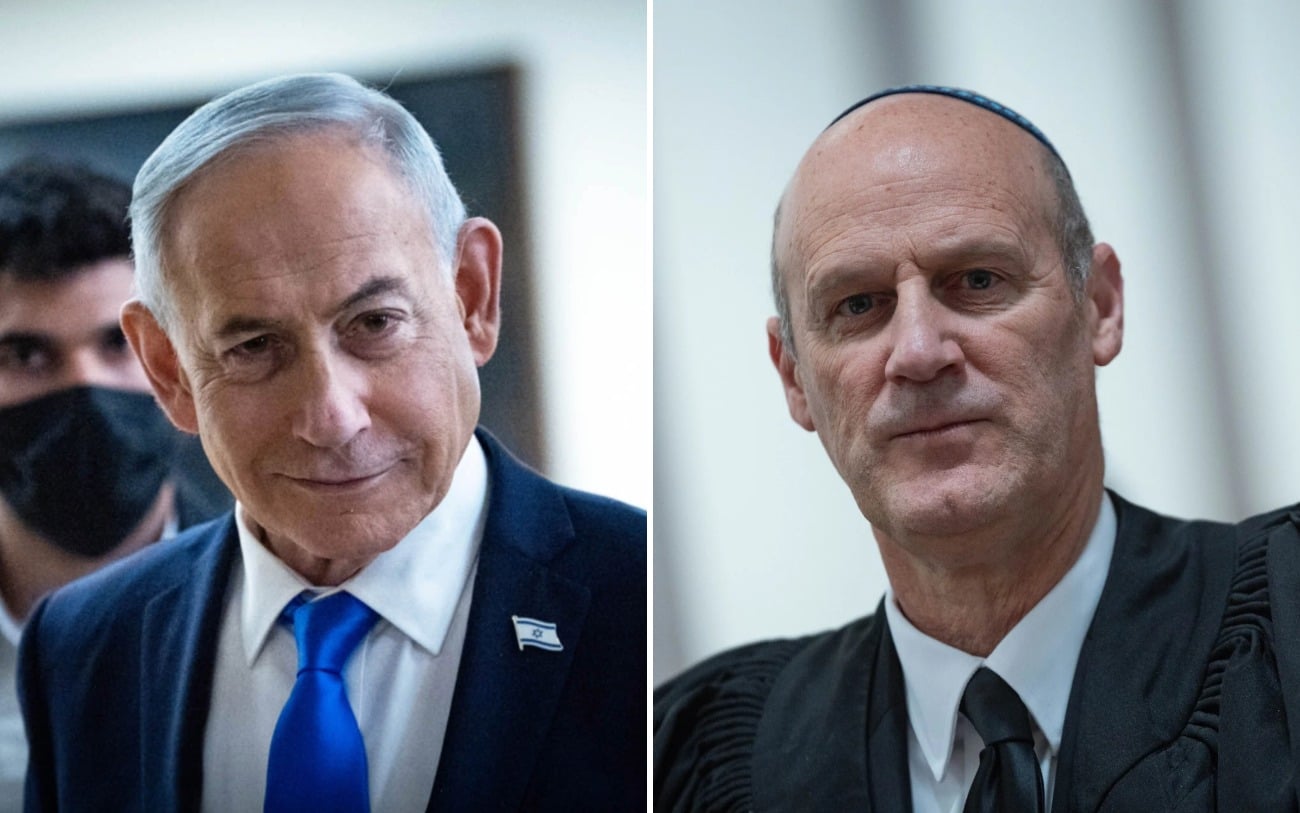
On Wednesday, when the Knesset elected Prime Minister Benjamin Netanyahu’s personal lawyer Michael Rabello as state comptroller, we saw how a long line of both senior and junior elected officials do not understand — or choose not to understand — the meaning of basic democratic values.
In the process — a flagrantly illegal process, that saw coalition lawmakers coming under pressure to vote for the premier’s preferred candidate — the coalition enabled Netanyahu to destroy an important democratic institution charged with overseeing the government’s activities; an institution working independently of government, responsible to parliament.
Given his longstanding closeness to the Likud party, the Netanyahu family, and Netanyahu himself, attorney Rabello will face a long and tangled web of conflicts of interest — to the point that every act of oversight he purports to carry out could be met with a petition alleging a conflict of interest. This will be “oversight” without any real capability.

Rabello, if his appointment is not struck down by the Supreme Court — which Netanyahu is also bent on destroying — will even have to recuse himself from the basic role of auditing the financial accounts of political parties during elections, since, as his firm’s website describes, he has for years represented the prime minister’s Likud party.
The website notes that the firm has provided Likud with “legal counsel in constitutional and administrative proceedings before the Supreme Court, including in precedential cases dealing with the formation of the government, conflicts of interest, and the constitutional right to vote.”
In other words, the prime minister’s expert on conflicts of interest will himself be entirely steeped in conflicts of interest, to the point that he will be unable to work. The website, it should be noted, does not present Rabello’s full list of clients. It is only partial information.
Related: Netanyahu forces through election of his lawyer as state comptroller amid tainted vote
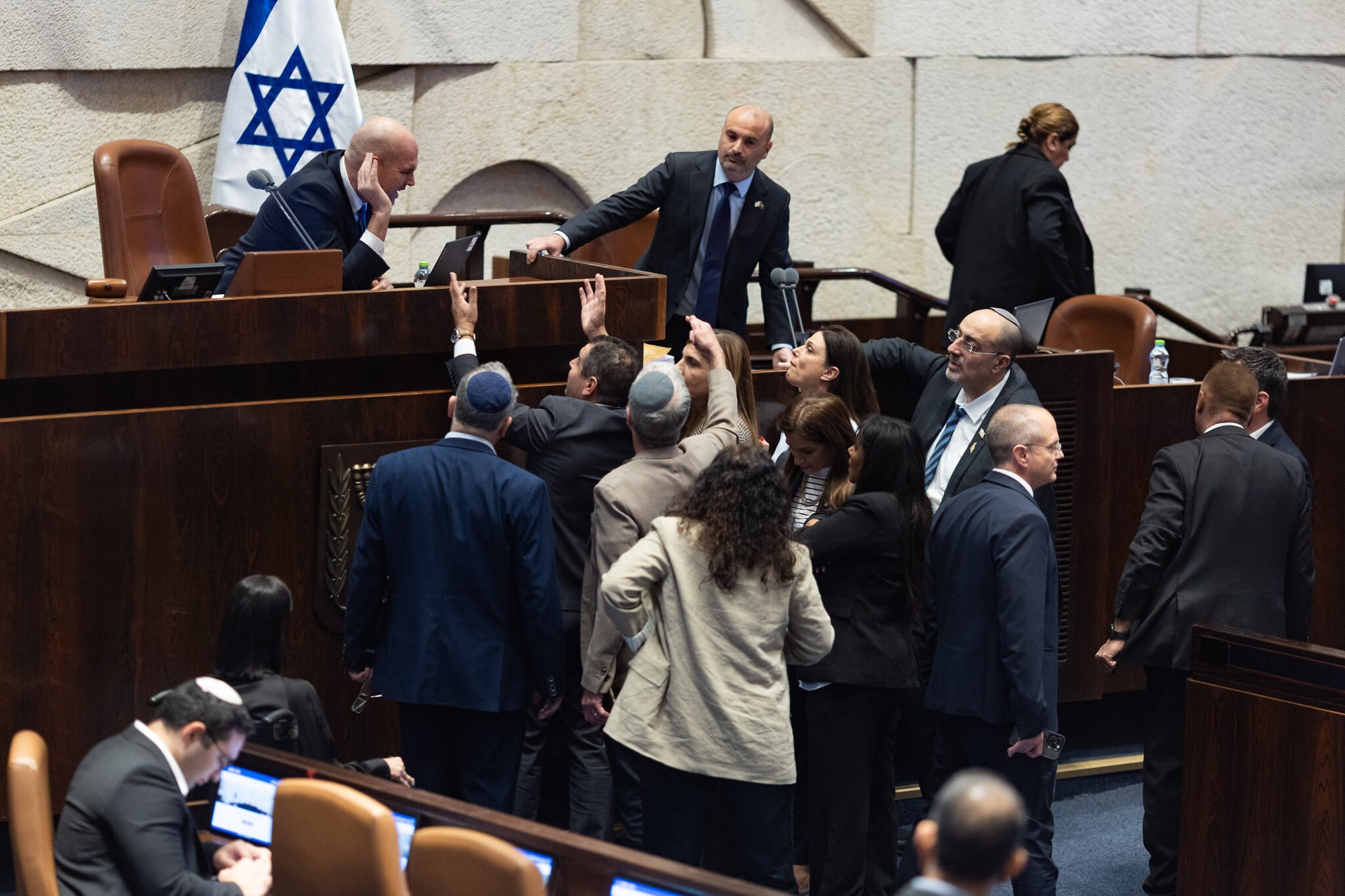
Setting aside Rabello’s long list of conflicts of interest, the process of his election exposed the court of loyalists in the Knesset, as its members acceded to the demand that they document themselves voting for the prime minister’s candidate, in violation of the law.
The Basic Law that regulates the selection of the state comptroller states: “In carrying out his duties, the state comptroller shall be responsible only to the Knesset and shall not be dependent on the government,” and also: “The state comptroller shall be elected by the Knesset in a secret ballot.”
Incidentally, removing the state comptroller requires a majority of 90 MKs, so there is almost no way to remove one, since a majority of that size is practically impossible to achieve.
Knesset Speaker Amir Ohana ruled that MKs may not be explicitly instructed to film themselves but have the right to do so if they want. In other words, the right to secrecy in the procedure belongs to the MKs themselves, and not to the public.
Therefore, rejecting the recommendation of Knesset Legal Adviser Sagit Afik, Ohana determined that MKs were permitted to enter the voting booth with a cellphone — and should they choose to document their vote, that is their business.
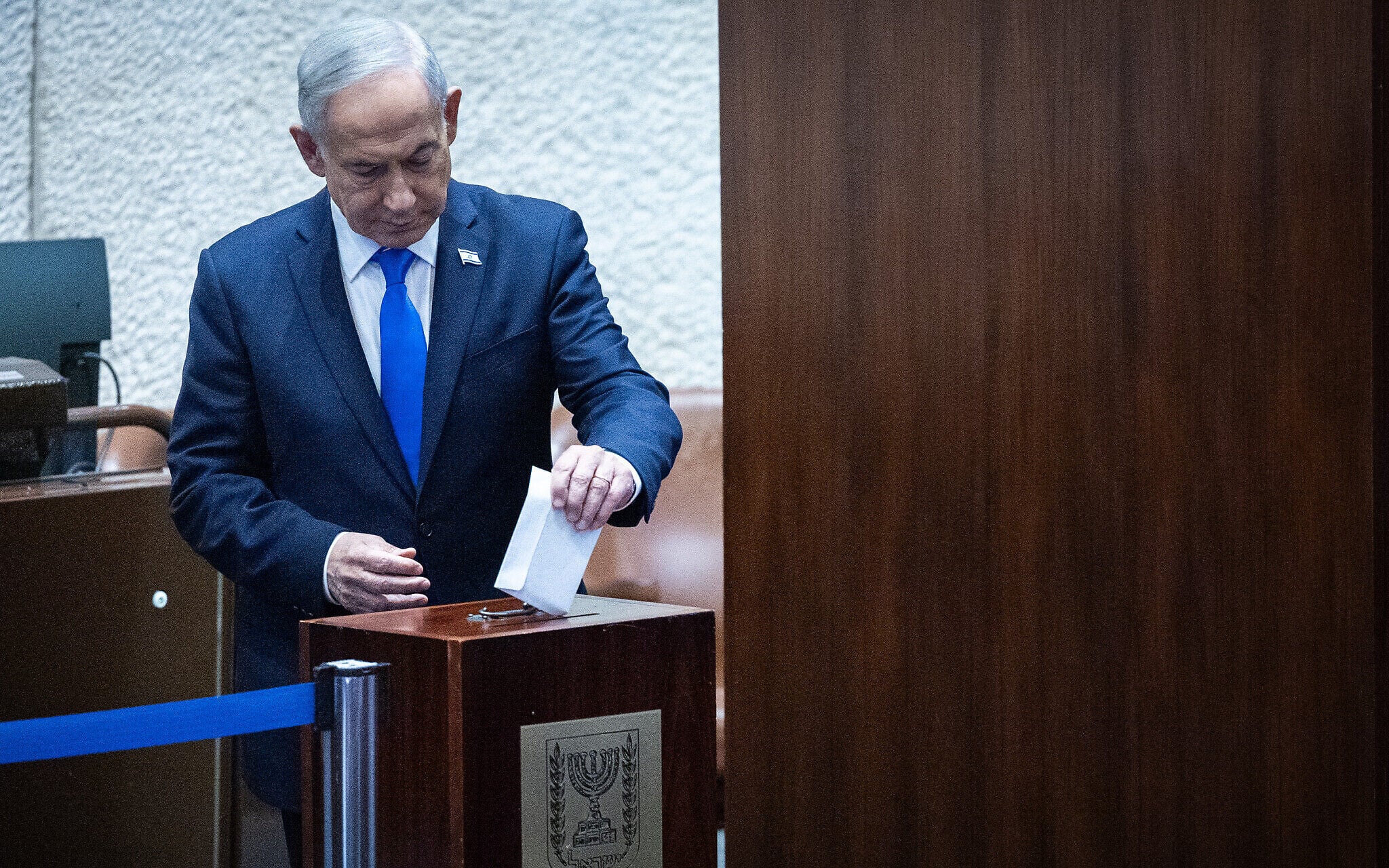
Ohana’s decision instantly wiped out the essence of the secret ballot, and the loyalist regime’s corrupted revote got underway.
Miraculously, Rabello, who had received 57 votes in the first round of voting, rose to 61 votes in the second round and was appointed state comptroller, winning out over conservative former Supreme Court justice Yosef Elron.
During Netanyahu’s many years in power, he has lost many times in secret Knesset ballots. Wednesday’s was, ostensibly, a rare case of a vote behind the curtain in which he succeeded. How did that happen? Simply because the vote was not secret.
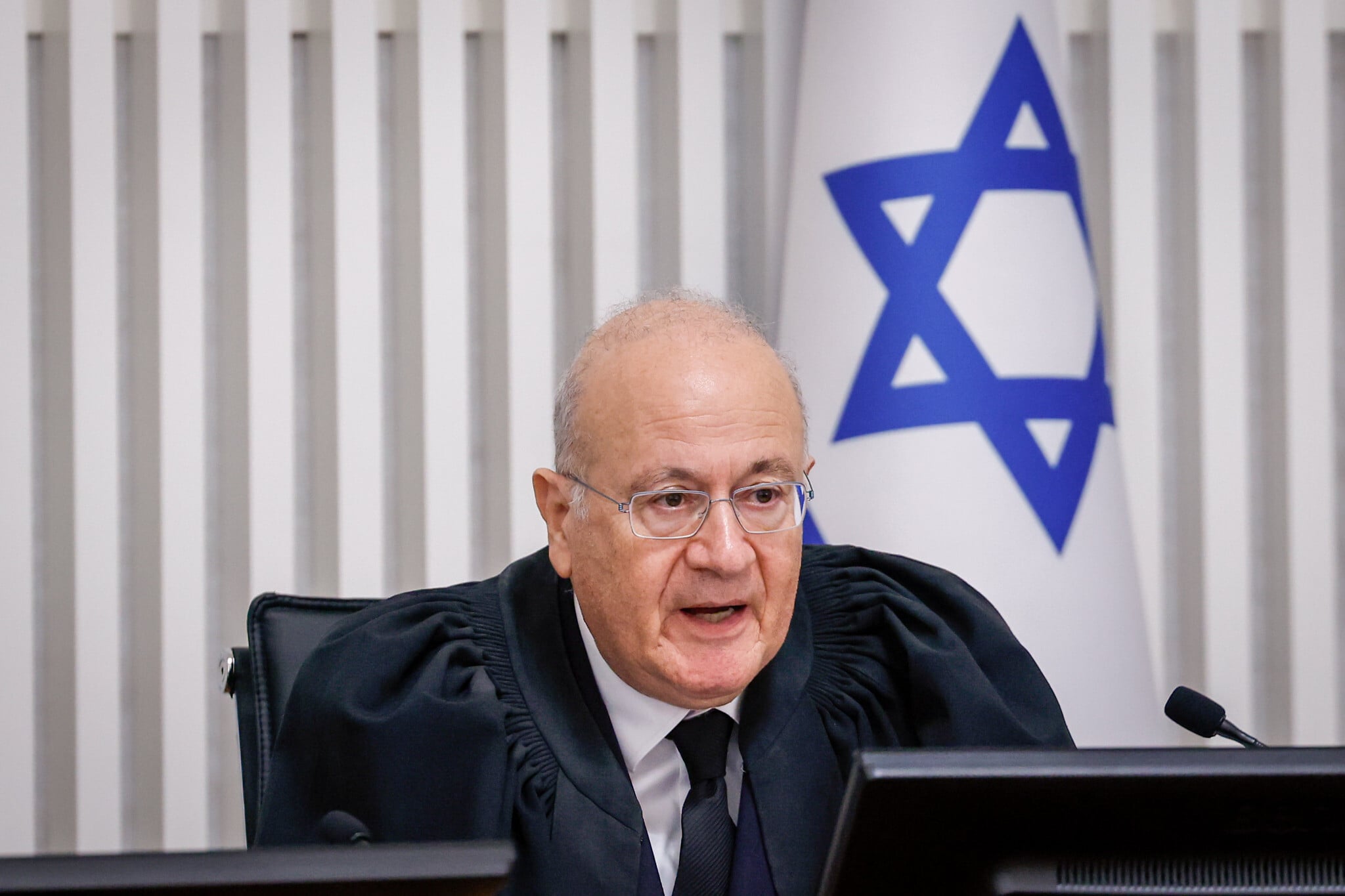
Among several opinion leaders on the right, it was evident that Netanyahu had crossed a red line even for them. Ran Baratz, Netanyahu’s former public diplomacy chief, wrote: “Of all the strange appointments, Rabello as state comptroller is such a delusional appointment, so unrelated to the position, so tainted by closeness at the expense of suitability, that there are those who tell me, even in the coalition, that it seemed to them like a trick to appoint Elron.”
Ronen Shoval, one of Netanyahu’s fiercest defenders regarding his criminal trial and other personal issues, wrote: “The problem is not that attorney Rabello is not professional and suitable. The problem is that he is Netanyahu’s private attorney and therefore it is inappropriate. What makes it beyond inappropriate — and reaches the level of disqualification — is that the voting process was fundamentally contaminated.”
Barak Herscowitz, a former Likud member and central activist, wrote: “Anyone who makes sure to appoint his own lawyer as the comptroller who is supposed to oversee him is not interested in oversight, and therefore is not interested in fixing any of the things that are broken in the country.”
These commentators are no longer part of Netanyahu’s patrimonialism. They were there and were cast out, and the road back is not open to them, because in a system of loyalties, there is no room for anyone whose loyalty is in doubt. The content of their social media posts, and their very readiness to post them, suggest they sense Netanyahu’s rule may be nearing its end.










The Times of Israel Community.