

Bucking boycotts, prizewinning Israeli astrophysicist finds ‘Zen-like’ perspective in space
Open University’s first Blavatnik Award laureate, Paz Beniamini, studies cosmic bursts and neutron stars; says science must ‘be done on international level’ regardless of politics
 Add ToI as a Preferred Source on Google
Reporter at The Times of Israel
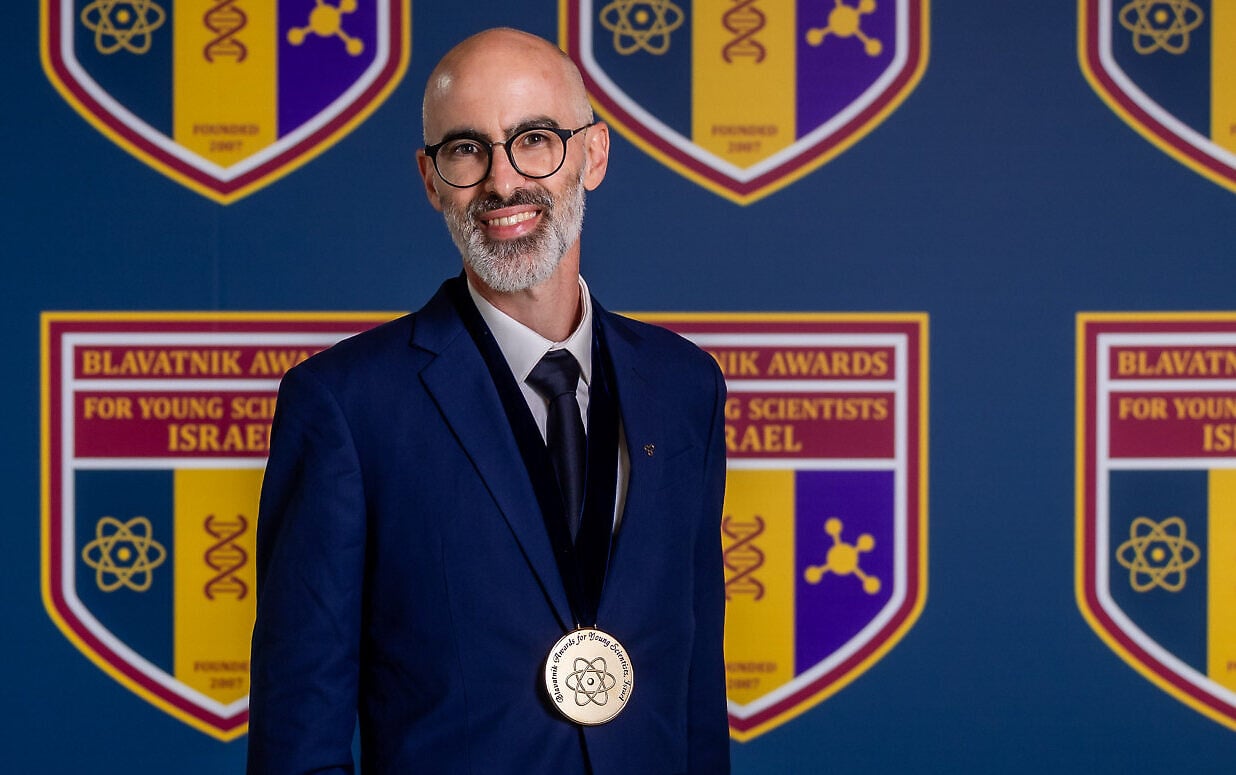
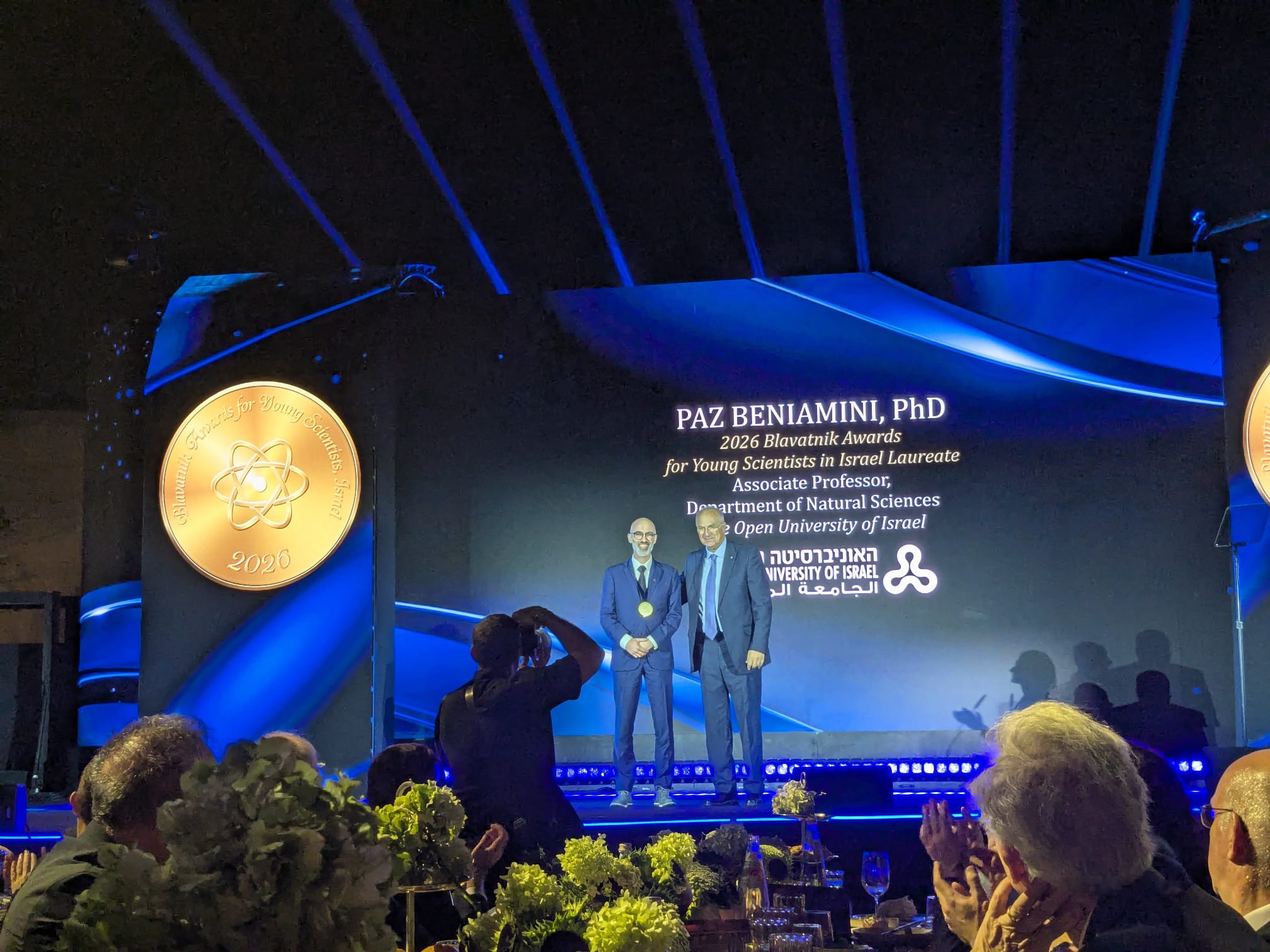
Astrophysicist Paz Beniamini from the Open University of Israel on Tuesday became the first scholar in the Ra’anana-based institution’s 52-year history to receive Israel’s prestigious $100,000 Blavatnik Award for Young Scientists.
Beniamini, 41, is an associate professor of physics and head of the Astrophysics Research Center at the Open University (ARCO), and an adjunct research professor at George Washington University in the United States.
Beniamini told The Times of Israel that his research focuses on “some of the most extreme environments in nature,” where particles can be accelerated to close to the speed of light and magnetic fields may be 100 trillion times greater than those on Earth.
He was recognized in physics for studying “the universe’s most energetic phenomena, transforming our understanding of fast radio bursts, gamma-ray bursts, and highly magnetized neutron stars,” according to a statement released Monday ahead of the awards.
Beniamini was one of three Israeli scientists named as Blavatnik laureates this year. The other two honorees were Sergey N. Semenov, a chemist at the Weizmann Institute of Science, and Uri Ben-David, a cancer biologist at Tel Aviv University’s Faculty of Life Sciences.
The awards were presented by the Blavatnik Family Foundation, the Israel Academy of Sciences and Humanities, and the New York Academy of Sciences at the Peres Center for Peace & Innovation in Tel Aviv-Jaffa.
The astrophysicist said the Open University had played “an important part” in his work.
Founded in 1974, the university has an open admission policy based on the principles of equal opportunity and the narrowing of socioeconomic disparities, according to the university’s website.
After Beniamini received the award, The Times of Israel spoke to him via video call about Israel’s contributions to the field of astrophysics, the impact of widespread academic boycotts against the Jewish state, and his hope for the future of Israeli science.
The following conversation was edited for length.
The Times of Israel: What got you interested in astrophysics?
Paz Beniamini: I was always interested in science in general as a kid. Maybe like many kids, I was interested in dinosaurs more than anything else. My mother, who is from England, said that as a kid walking around the Natural History Museum in London, I used to give impromptu talks to strangers about dinosaurs.
My grandfather was very interested in science, but he never had the chance to go to university because he escaped Germany because of World War II. He kept reading about science and subscribed to the magazine The New Scientist, and I started reading that. Everything was interesting to me. In high school, I saw that physics was the thing I liked the most, and as an undergraduate, I realized that specifically astrophysics was the most exciting thing for me.
Part of this is the method, the way of thinking about a certain problem, maybe the interaction between your model and your predictions and observations. That kind of back and forth is like trying to solve a mystery.

How is Israel’s astrophysics field faring now with the academic boycott that has gained popularity after the October 7, 2023, Hamas invasion and subsequent war in Gaza?
Specifically in astrophysics, the situation is not as bad as it is in some other fields. Certainly, the boycott is felt in many fields. I have a lot of connections, a lot of collaborations with people all over the world, and that continues to be the case even during the war. I’ve not had any situations where someone would stop collaborating with me because I’m Israeli.
But at the ARCO conference I organized, which took place in Athens in July 2024 because of the war here and flights being canceled, one person who initially accepted withdrew because of a political stance.
Can you describe the field of astrophysics in Israel?
The field of astrophysics is very strong in Israel. There’s a really good community here, and it has been for quite a few years, and one thing that is really unique about the field here is that it’s geared more towards theorists, and part of it historically was for practical reasons, maybe because there was less access to telescopes and things like that.

These days, there are all sorts of ways to get around that, because you don’t need to physically go to a telescope to get the data.
Israel is also particularly strong in high-energy astrophysics, which is my field. It has got to be, if not the top place in the world, then high up there at the very top.
I can think of the Netherlands as a good place, and Japan, but here is a good academic environment to be in.
Can you talk about the Open University?
This is an important part for me. Many people have heard about the university, and they have had good experiences with it. What people don’t know as much about is the very active research being done here. For example, we have a research center in astrophysics [ARCO]. We just started a master’s degree in astrophysics. We have lots of international postdocs from all over the world who are here in Israel, working with us physically on campus.
What got you interested in extreme environments in nature?
One thing I really like about this field is that things evolve on a fast time scale. If you study something like a galaxy, well, a galaxy may evolve over 100 million years. You’re not going to see any change during your lifetime.
But with these extreme events, we can suddenly open the telescope in some direction, and see something that was not there yesterday and will not be there the day after, and we try to understand it. It’s super dynamic.
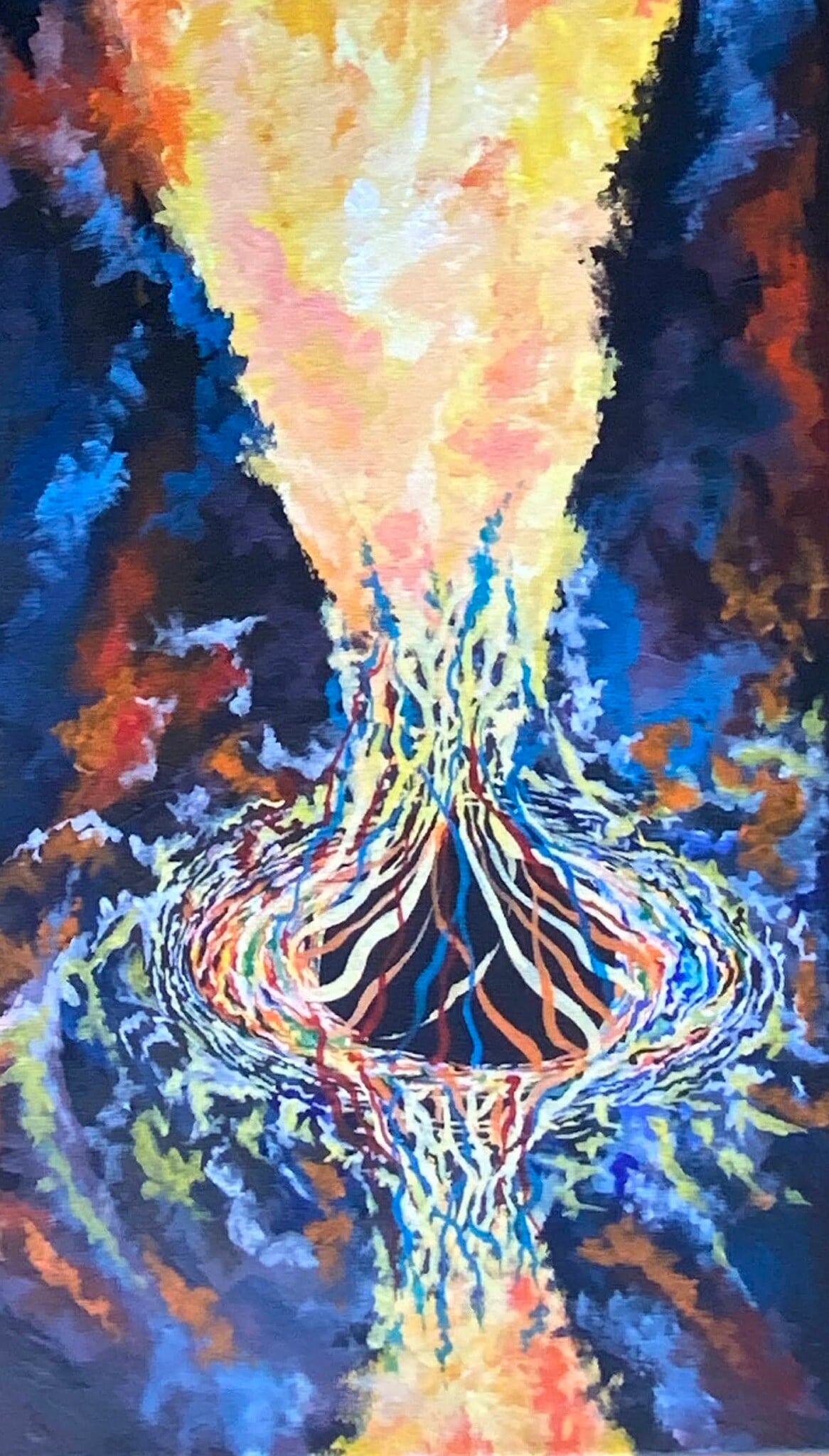
One of the fields I study is gamma ray bursts, which are some of the most energetic explosions in the universe. When they explode, they are the most luminous things in the universe, and they release something like the entire energy of the sun in a few seconds. They’re super rare, but the universe is huge, so we get to see them about once a day.
We’re trying to understand the physical processes. Which stars do this? What conditions make them explode in this way? What is the mechanism by which they convert the energy to radiation? These are the basic questions we want to answer.
It’s also different than some other experimental fields. Here, we don’t design experiments; nature designs the experiments.
How has studying this changed your ideas about life?
We have a lot of things that are troubling us on Earth, especially here during these turbulent times. I find it also a little bit therapeutic to just think about how huge and varied the universe is. In the grand scheme of things, this is such a tiny place, and we need to do our absolute best to make the most of it. There is something very Zen-like in contemplating the vastness of the universe. It’s always a good source of perspective.
Can you describe your take on science?
Science is something that has to be done on an international level, and it needs to cross borders. Having collaborations with people from different places in the world doesn’t mean that you endorse the political views of one government or another. Science is an international human effort.
It’s an important baseline for strong societies that are based on rational thinking and on collaborative international views, and not on exclusion.

Finally, can you talk about education?
Education is not a secondary issue. The effort that goes into education today will pay off for many years to come. During the Israeli Academy of Sciences event in Jerusalem this week, students who came to hear the three laureates talk asked really smart questions. I kept getting so many questions that I couldn’t even eat lunch.
It was that level of curiosity that gives me hope that there is a very strong next generation that will come and pursue all sorts of scientific and other interesting topics. So we need to make sure we help that grow.










The Times of Israel Community.