

US, Iran trade fire in Gulf as Trump team consults experts for nuclear talks
US hits Iranian radar sites after drone attacks, Iran fires missiles at Bahrain, Kuwait; Trump says deal is stuck because Iran has to make tough decisions, says Tehran retains about 22% of missile arsenal
 Add ToI as a Preferred Source on Google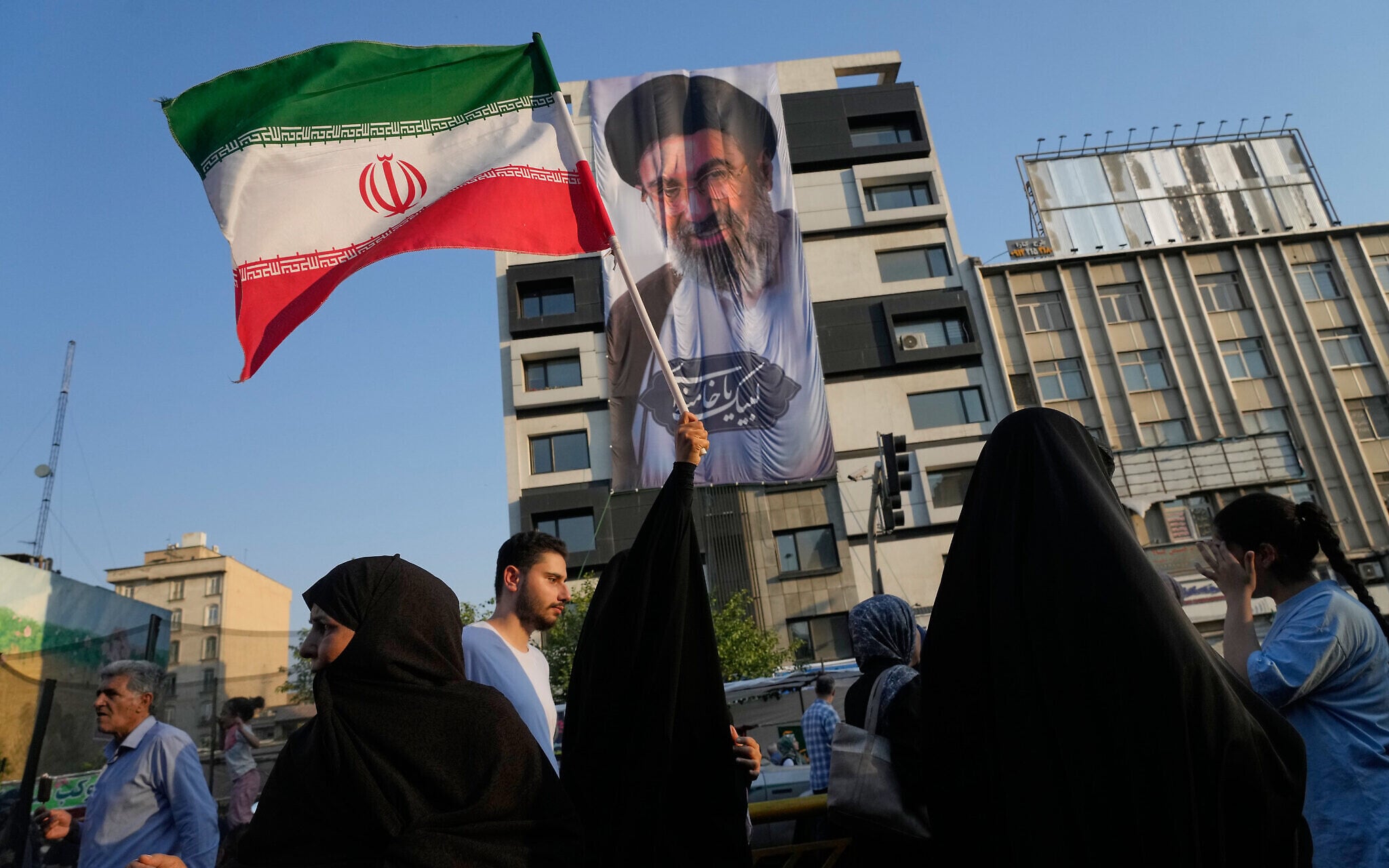
The United States and Iran exchanged fire overnight Friday amid a fragile ceasefire as American officials stepped up preparations for potential nuclear negotiations, including consultations this week with experts who could help determine the fate of Tehran’s enriched uranium stockpile.
The US military said it carried out strikes on Iranian radar sites in what it described as a defensive action after Iran launched four attack drones toward the Strait of Hormuz.
According to the military, all four drones were shot down after they “posed an immediate threat to regional maritime traffic.” The radar sites targeted in the US strikes were located in Goruk and on Qeshm Island, CENTCOM said.
The exchange came days after Iranian drones heavily damaged a passenger terminal at Kuwait’s main airport, killing one person, wounding dozens and briefly shutting down the facility.
Hours after the overnight US strikes, Kuwait’s military said it was responding to “hostile” missile and drone attacks. Iran’s Islamic Revolutionary Guard Corps later claimed responsibility for attacks on Kuwait and Bahrain, saying it had targeted American military bases in the two Gulf states in retaliation for the US attacks.
US military officials said Iran had launched seven ballistic missiles toward Kuwait and Bahrain.
Several ballistic missile interceptions seen in the last few minutes over Bahrain. pic.twitter.com/wWYmJRyMYD
— OSINTdefender (@sentdefender) June 6, 2026
In a statement posted to X, US Central Command said it intercepted six of the missiles, while the seventh “did not reach its intended target.”
“There are currently no reports of harm to US personnel, and Iranian claims of damaging US 5th Fleet headquarters in Bahrain are false,” CENTCOM said.
Iran condemned the nighttime US attack as a “flagrant” violation of the ceasefire in place since April, with the foreign ministry saying it was an attack “on the national sovereignty and territorial integrity of the Islamic Republic,” denouncing Washington’s “hostile and provocative behavior.”
The latest exchange marked another escalation in a series of tit-for-tat attacks that have tested the tenuous ceasefire and complicated efforts to secure a broader agreement extending the truce.
Trump: Iran retains 22% of missile arsenal
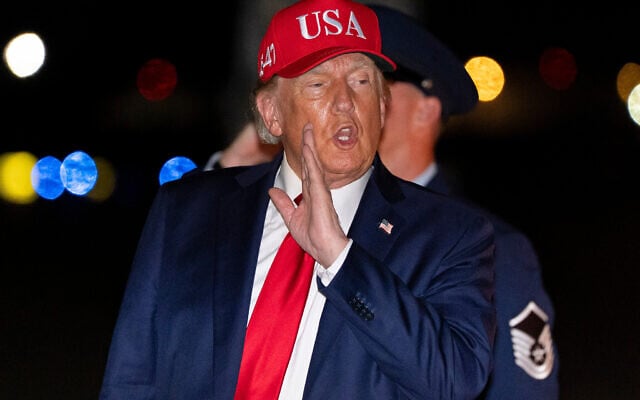
Despite the attacks raising new concerns that the ceasefire could collapse, Trump told reporters Friday that “the situation with Iran seems to be going quite well.”
“We’re going to come out of Iran very quickly and it’s going to be very strong one way or the other, whether it’s a piece of paper or the very tough way,” Trump said at an event with farmers in Wisconsin. “The very tough way is maybe the easier way, but we’re going to come out, and your fertilizer prices are going to go way down, just like they were four months ago.”
Trump increasingly appears to be boxed in on a conflict that has settled into a holding pattern. US and Iranian negotiators reached a tentative agreement a week ago to extend the ceasefire by 60 days and start a new round of talks on Iran’s nuclear program. But Trump has called for unspecified changes and Iranian officials have shown no public signs of signing off on the deal.
Asked on Friday why it was taking so long, Trump told NBC’s “Meet the Press” it was because “it’s a very hard thing for them.”
“There are things they never thought they’d be doing that they’re going to have to do. They’ve got no choice, and it takes a little while,” he said in the interview. “Vietnam lasted 19 years, I’m into my third month.”
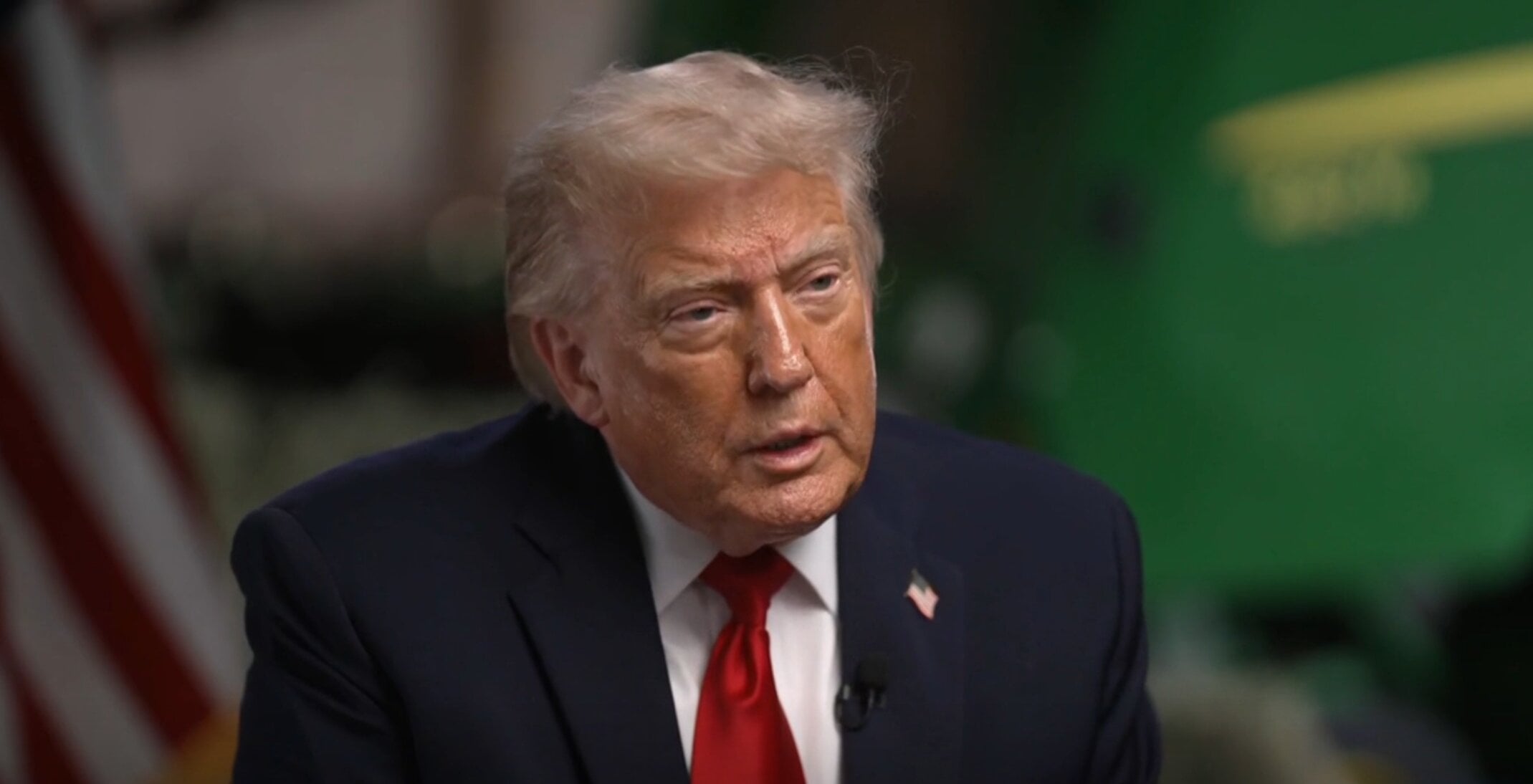
Trump also said Tehran retained roughly 21 to 22 percent of its missile arsenal despite widespread joint US-Israel strikes in the recent 40-day Iran war.
“Most of the drone factories have been knocked out, most of the launching pads have been knocked out and most of the missile manufacturing areas have been knocked out,” Trump said. “But they still have capacity. They have some missiles, they have some drones. I would say percentage-wise, maybe 21-22% of their missiles. It’s a lot of missiles, but it’s not what it was when we first attacked.”
Trump’s statements appear to contradict a recent Channel 12 report, which said that updated US intelligence assessments indicated that roughly two-thirds of Iran’s missile launchers remain operational. Earlier wartime estimates suggested that about half had been destroyed.
US prepares for Iran nuclear talks
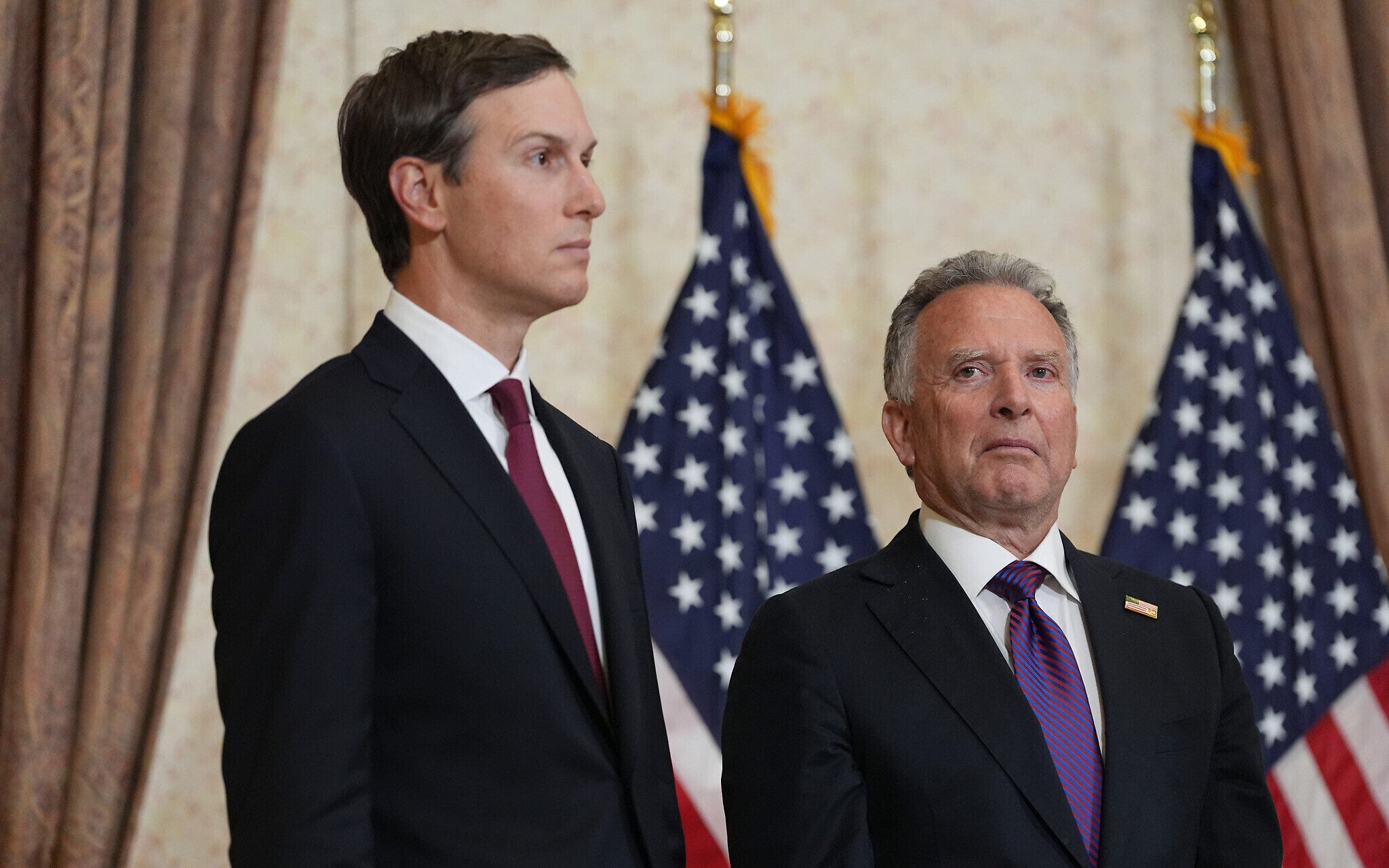
Meanwhile, Trump’s special envoy, Steve Witkoff, and son-in-law Jared Kushner traveled to the Oak Ridge National Laboratory in Tennessee on Thursday to consult with experts who could play a role in future nuclear negotiations with Iran, according to a source familiar with the visit. The source, confirming an Axios report, did not provide further details.
Trump has repeatedly insisted that any agreement ending the conflict must include guarantees that Iran will not develop a nuclear weapon.
Iran is believed to possess roughly 900 pounds of highly enriched uranium that was stored at underground sites struck by US bombers during last year’s conflict. Tehran has long maintained that it must preserve its ability to enrich uranium for civilian purposes and denies seeking to develop nuclear weapons. However, the underground stockpile is enriched to 60% — a level that has no civilian application and is a short step from weapons-grade.
Trump has repeatedly said the stockpile must be removed from Iran or destroyed, and claimed that Iran has agreed to this under a potential deal — but the regime has denied this.
Frozen funds
A senior Iranian official said that the main sticking point remaining in negotiations was the release of frozen Iranian funds.
Iran has been subject to asset freezes and sweeping sanctions by the United States and other Western countries since its 1979 Islamic revolution that toppled the US-backed Shah, Mohammad Reza Pahlavi.
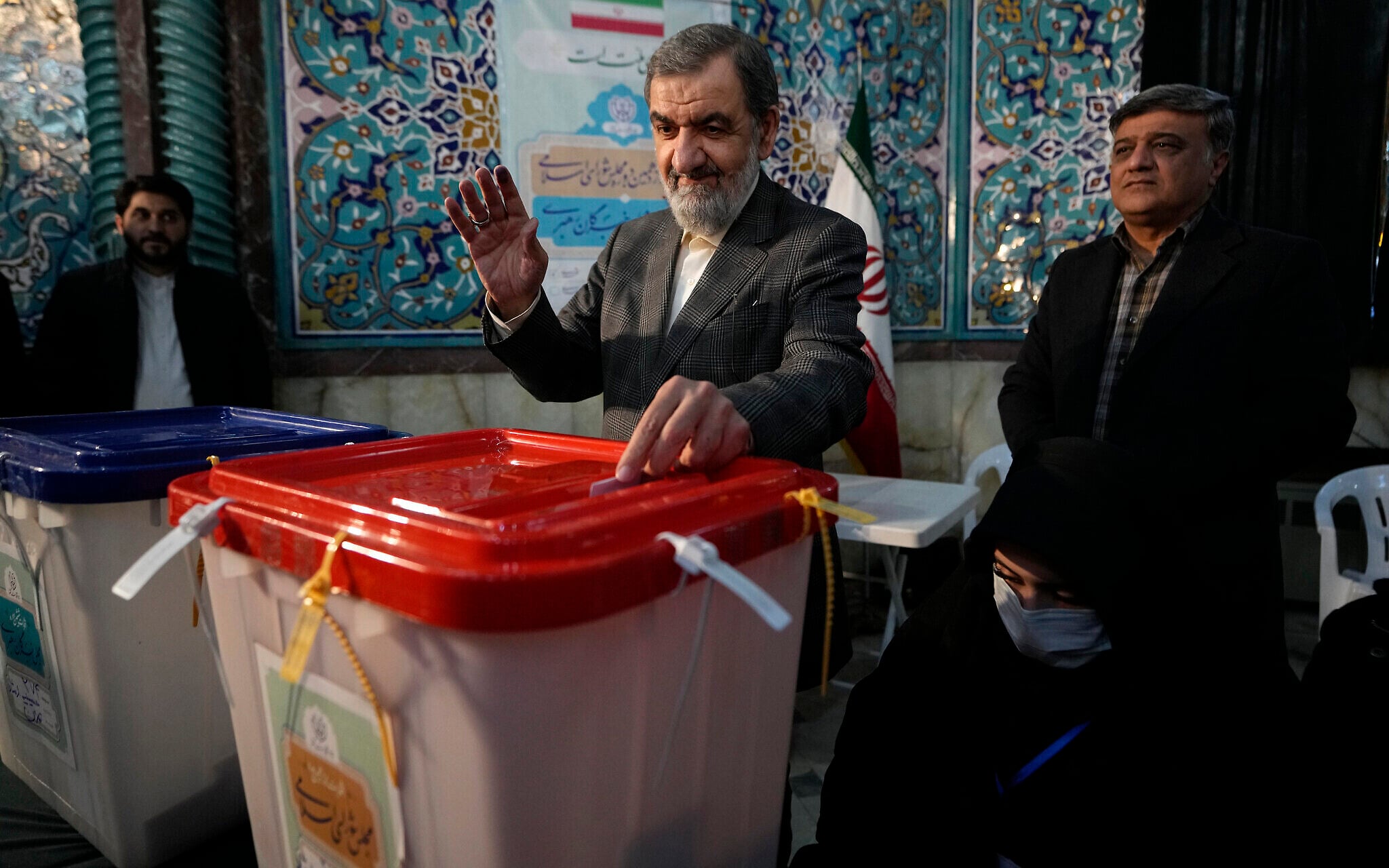
In an interview broadcast on Friday, Mohsen Rezaei, a former commander of the Islamic Revolutionary Guard Corps and an adviser to Iran’s supreme leader, said the talks were failing over the release of Iranian assets.
“If he (Trump) wants to reach an agreement with Iran, this $24 billion is a test of trust that Iran wants to have with Trump,” he told CNN, according to an English translation of his remarks provided by the channel.
“This is a test that America must pass and the path will be opened,” he said, adding that “this is our own money, not America’s money.”
While there is no official figure for the total amount of frozen Iranian assets, media reports have estimated the sum at between $100 billion and $123 billion.
Iran has conditioned an agreement to end the war on several demands, including the release of the frozen funds.
Fighting broke out on February 28 when the United States and Israel attacked Iran, killing former supreme leader Ayatollah Ali Khamenei and several senior military commanders in a bid to try to destabilize the regime and remove Iran’s nuclear and missile threats. Iran has repeatedly called for Israel’s destruction.
The attacks prompted Iran to launch retaliatory missile and drone strikes against Israel and US allies in the Gulf.
A ceasefire took effect on April 8 but diplomatic efforts to end the war permanently have yet to produce a settlement.
Among its conditions, Iran has also called for an end to hostilities on all fronts, including in Lebanon, where Israel is battling the Tehran-backed Hezbollah terror group.
Despite their ceasefire, tensions remain high between Tehran and Washington.
Rezaei warned that Iran would “drag the war” beyond the Gulf if the United States resumed hostilities, bringing “another dimension to the war.”
But he added that “the possibility of war is low.”






The Times of Israel Community.