

Knesset extends authorities’ power to ban broadcasts deemed harmful to security
Law, now in effect until 2027, enables shuttering of outlets, seizure of equipment, and blocking of satellite transmissions in Israel and the West Bank
 Add ToI as a Preferred Source on Google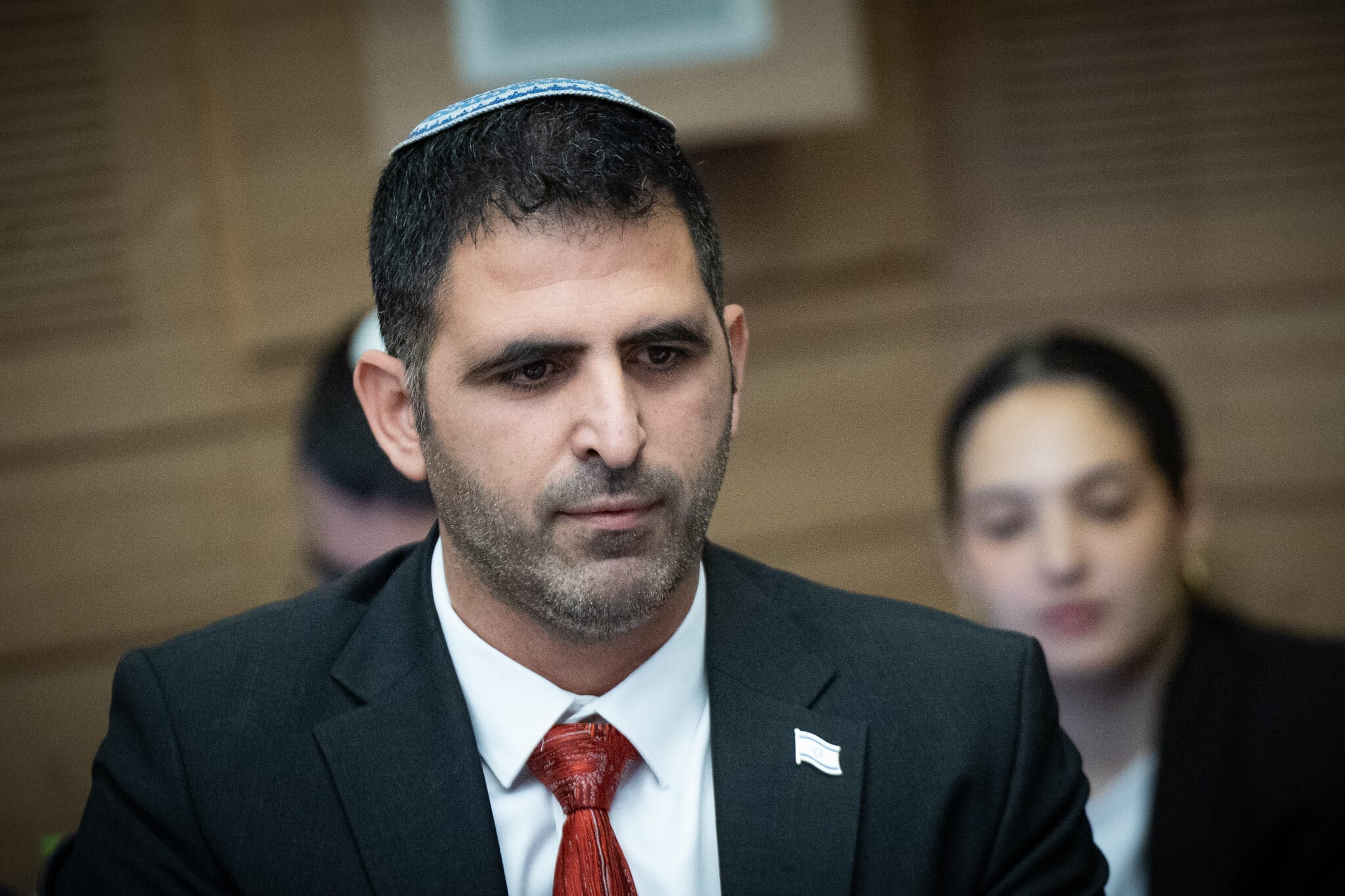
The Knesset announced on Tuesday the extension of a law allowing authorities to ban any foreign media deemed harmful to state security from broadcasting in the country.
Adopted in April 2024, at the height of the Israel-Hamas war, the legislation primarily targeted Qatari broadcaster Al Jazeera, which Israeli authorities have accused of serving as a propaganda outlet for Palestinian terrorists.
The law was originally limited to the state of emergency declared at the start of the war, which was sparked by Hamas’s October 7, 2023, onslaught in southern Israel. However, on December 1 this year, the Knesset voted to end that state of emergency.
The amendment passed overnight means the law will remain in force for another two years. The bill, sponsored by Likud MK Ariel Kallner, passed 22-10.
According to a statement on the Knesset’s X account, the amendment “allows, under a temporary provision valid until December 31, 2027, the restriction of broadcasts by foreign media that harm state security.”
The legislation allows such measures even in the absence of a state of emergency.
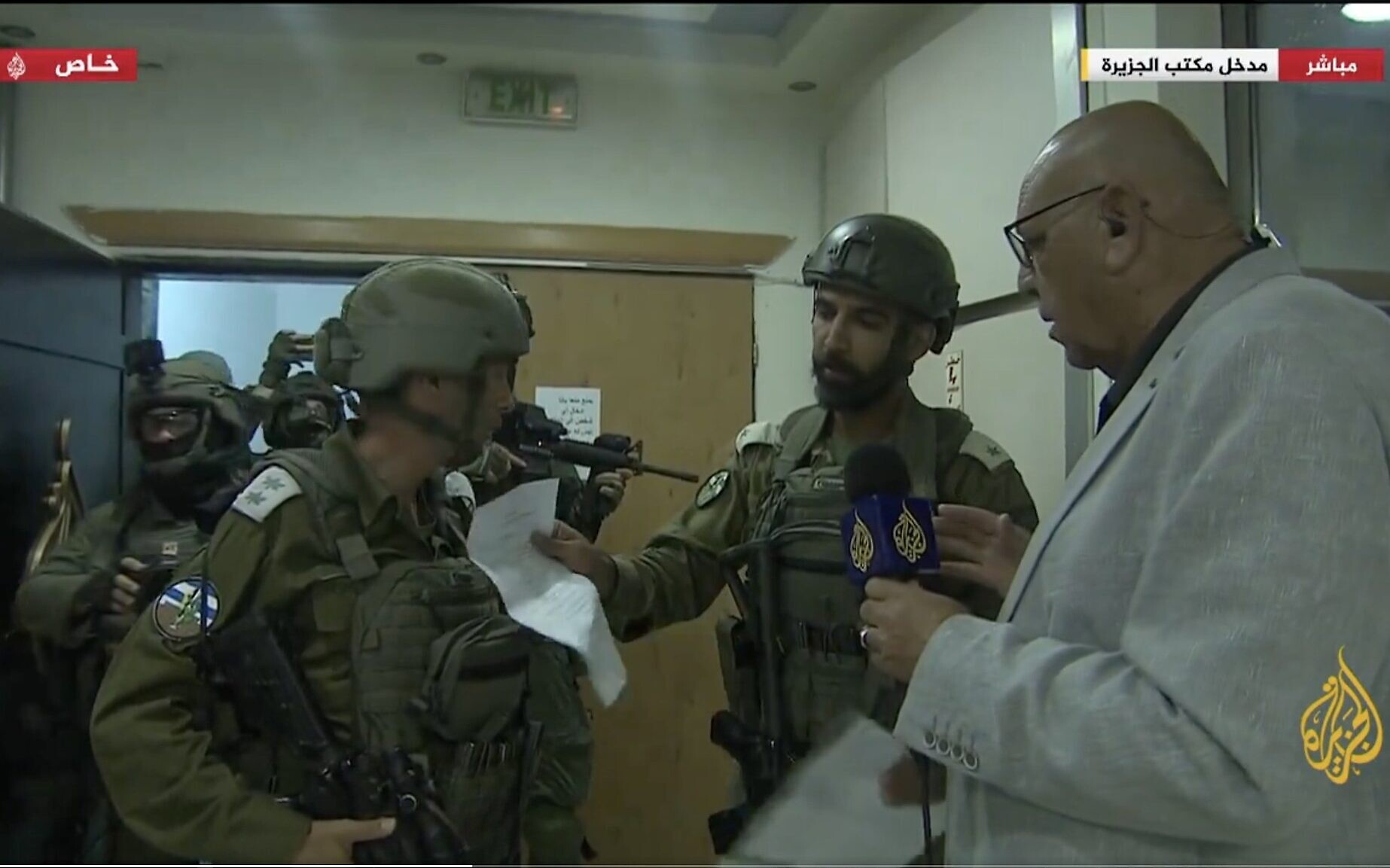
Under the law, if the prime minister determines that a foreign media outlet poses a threat to state security, the communications minister may order a halt to its broadcasts, if approved by the government or a ministerial committee.
The minister is also authorized to shut down the outlet’s offices, seize broadcasting equipment, and block its website, according to the text of the bill.
The defense minister can also be asked to take technological measures to prevent satellite broadcasts of a banned outlet from being received anywhere in Israel and the West Bank, provided those measures don’t interfere with other permitted broadcasts.
The legislation requires the prime minister to consult security agencies, including the police, before issuing a ban.
However, a single favorable opinion is sufficient to order a shutdown, with no judicial review required. A ban would last 90 days, but can be extended if the prime minister and communications ministers deem it necessary.
“Terrorist channels are out of bounds, in normal times as well as under a state of emergency,” Communications Minister Shlomo Karhi wrote in a post on his X account.
“After voting for this law several times during the war to stop Al Jazeera’s broadcasts in Israel, last night we finalized it independently of the state of emergency,” he added.
“This is an important advance in the war against terror and jihadists,” Kallner posted to X. “Let 1,000 jihad broadcast stations be closed so that a single Jewish mother doesn’t cry.”
In July, Al Jazeera and the Association for Civil Rights in Israel (ACRI) filed High Court of Justice petitions against the law.
The petitioners argued that the legislation was unconstitutional, asserting that it violated freedom of expression, the right to information, and freedom of the press.
Media freedom has deteriorated in Israel since the start of the war in Gaza, dropping 11 places in the Reporters Without Borders 2025 global press freedom index, from 101st to 112th out of 180 surveyed countries.
The war was halted in October by a US-brokered ceasefire deal.








The Times of Israel Community.