

Minister: Secret summit shows Netanyahu right about regional plan
Yuval Steinitz says covert meeting was sign ‘region is ready’ to reconcile with Jewish state, even if there is no Palestinian partner
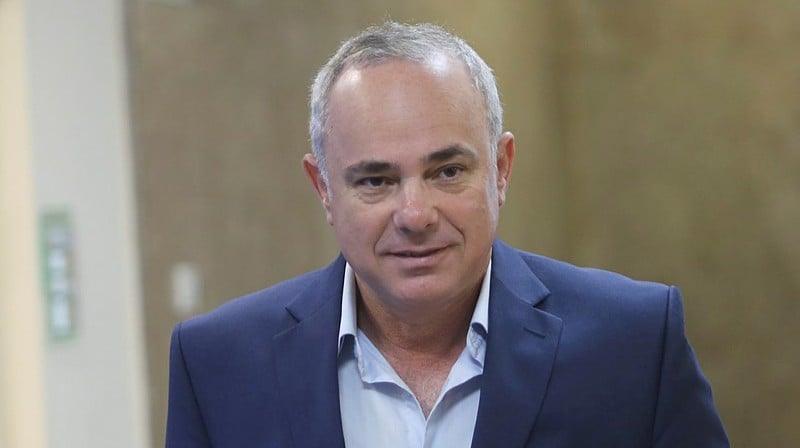
Energy Minister Yuval Steinitz on Monday said reports of a secret summit between Israeli, Egyptian, Jordanian and US leaders last year show the “region is ready” to reconcile with the Jewish state.
On Sunday, Haaretz reported that Netanyahu had rejected a peace proposal, the result of months of negotiations led by then-US secretary of state John Kerry, that culminated in a secret meeting on February 21, 2016, between Netanyahu, Kerry, Egyptian President Abdel-Fattah el-Sissi and Jordan’s King Abdullah.
Steinitz argued that the meetings vindicated Netanyahu’s efforts over the past few years to advance a regional peace plan that would see normalization with Arab states precede a final deal with the Palestinians.
The minister said there was currently no “reliable partner” on the Palestinian side.
“This meeting shows… that the ground, the basics, is there. That there is some readiness in the wider Middle East to speak with Israel, to negotiate with Israel, to reconcile with the Jewish state. And this is very important,” Steinitz told US Jewish leaders in Jerusalem.
The Likud minister, a confidant of Netanyahu, said the reports underline that “Netanyahu is right,” in this “thesis, that maybe we need to start with the region, that the region is ready and more prepared than in the past to reconcile with the Jewish state.
“I’m not going to get into details what exactly happening there. Not everything in the media is totally accurate, as you probably know,” Steinitz added in his address to the Conference of Presidents of Major Jewish Organizations in Jerusalem.
Addressing the conference earlier in the day, opposition leader Isaac Herzog confirmed reports that he had entered negotiations about joining a unity government last year in the framework of a secret regional agreement that was discussed at the time, arguing that the potentially historic deal broke down because Netanyahu eventually caved to domestic political pressure.
Herzog said Netanyahu was willing to appoint him foreign minister to oversee a process that would include a freeze of settlement construction outside the settlement blocs in return for international and Arab consent to building within the blocs.
“What happened was amazing,” Herzog said, speaking in English. “I worked with Netanyahu on a draft appendix to our agreement, which had included certain steps that were quite dramatic. Had these steps been agreed upon, namely, had he agreed at the end to go for it, it would have changed the region.”
But as the deal took shape, ministers Yariv Levin and Ze’ev Elkin — senior members of Netanyahu’s Likud party — pressured the prime minister to abort the process, Herzog charged.




The Times of Israel Community.