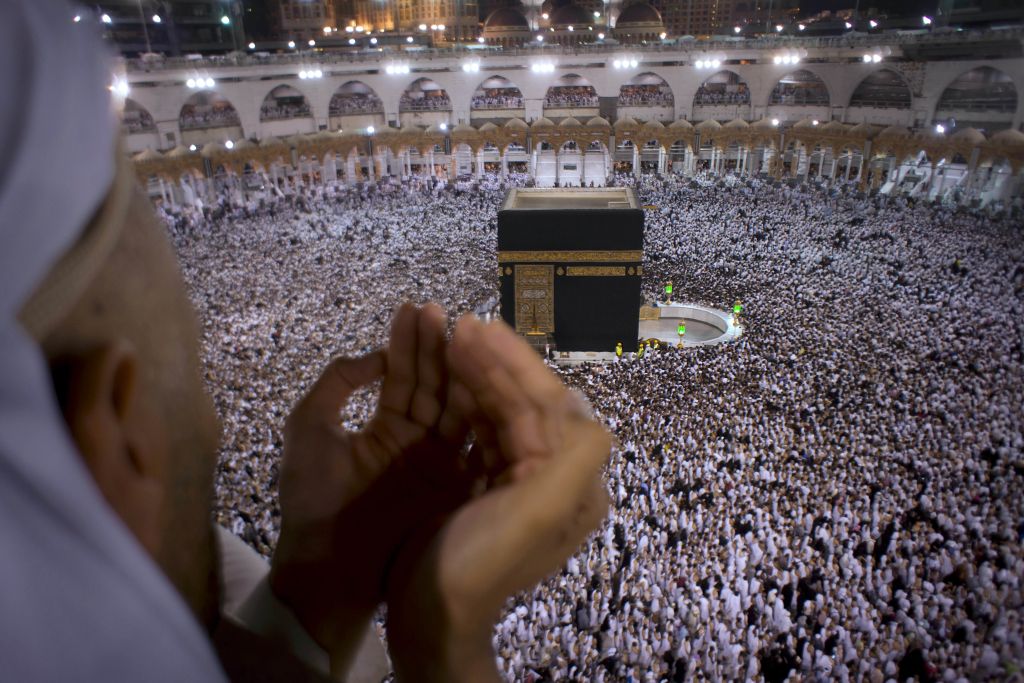
A Muslim worshipper prays during Laylat al-Qadr, Night of Decree, on the 27th day of the holy fasting month of Ramadan as pilgrims circumambulate around the Kaaba, the cubic building at the Grand Mosque, during the minor pilgrimage, known as Umrah, in the Muslim holy city of Mecca, Saudi Arabia, June 22, 2017. (AP Photo/Amr Nabil)
Saudi Arabia, home of the holiest shrines in Islam in Mecca and Medina, has announced that the fasting month of Ramadan will start on Thursday.
The kingdom’s supreme court ruled on Tuesday evening that the Islamic calendar month of Shaban, which precedes Ramadan, will end on Wednesday, meaning Ramadan will begin the following day, the official Saudi Press Agency reported.
Authorities earlier on Tuesday called on residents to try to spot the crescent moon that marks the start of Ramadan, but it was not visible, state media said.
The official Crescent Sighting Committee in neighboring Qatar also announced that Thursday “is the first day of the blessed month of Ramadan,” the official Qatar News Agency said on Twitter.
The daytime fasting month of Ramadan is one of the five pillars of Islam.
Get The Times of Israel's Daily Editionby email and never miss our top stories
Observant Muslims refrain from eating and drinking from dawn to dusk, and traditionally gather with family and friends to break their fast in the evening.
Fasting is strictly observed in Saudi Arabia, with restaurants closed until sunset iftar meals.
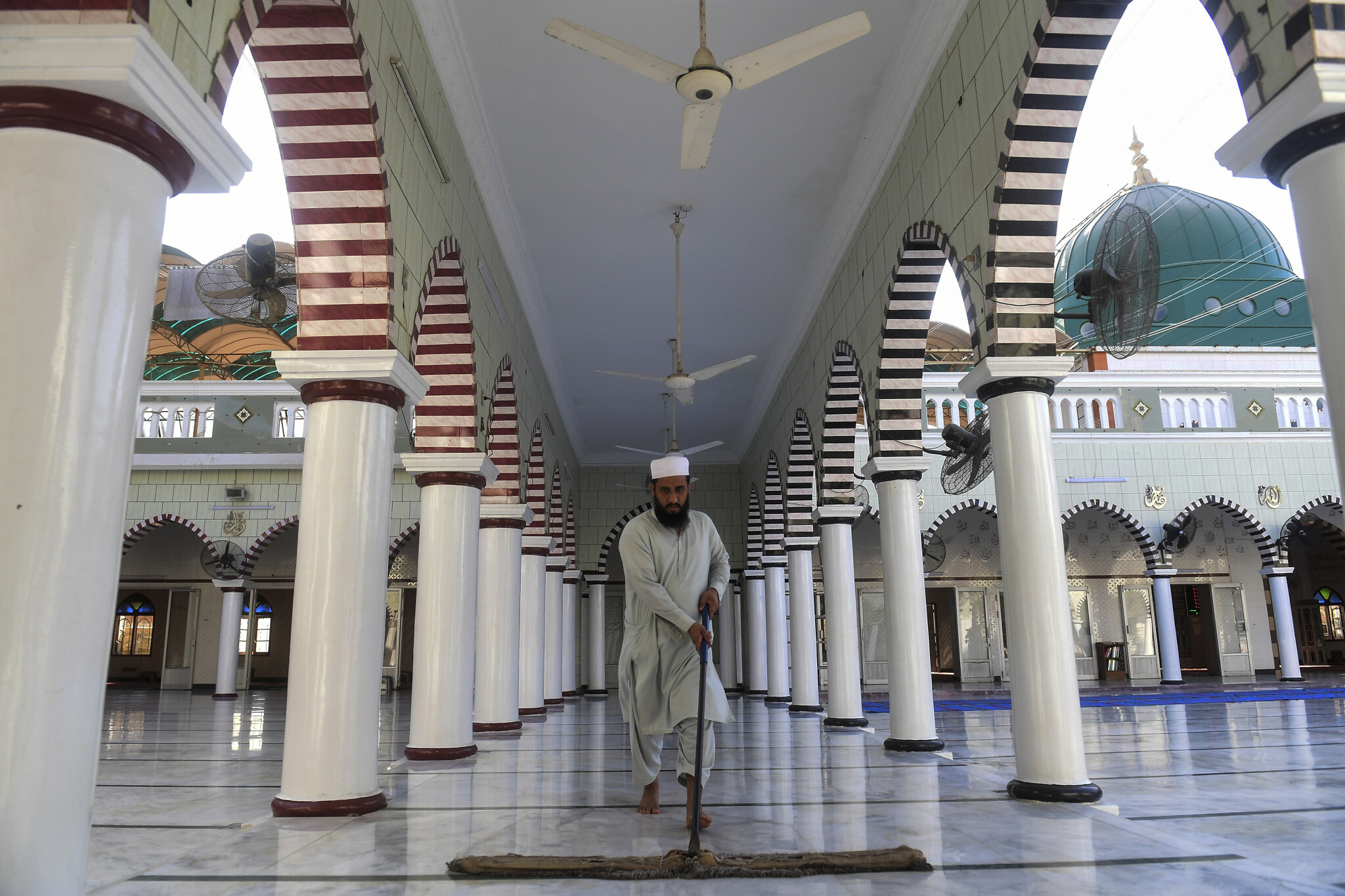
A Muslim man cleans the floor of a mosque ahead of the Muslim holy fasting month of Ramadan in Karachi on March 21, 2023. (Asif Hassan/AFP)
It is also a time of prayers, with the faithful converging in large numbers at mosques, especially at night.
Advertisement
The starting date of Ramadan, the holiest Muslim month, is set by both lunar calculations and physical sightings to determine the beginning of a new month.
Help us report truthfully on social media
As a multimedia journalist, my job is to take the quality, fact-based journalism produced by The Times of Israel newsroom and make it accessible across every platform — from Instagram posts to podcasts to short-form videos.
This is how many, especially young people, consume news these days. But misinformation is rampant on social media. Our team at ToI produces accurate, responsible short-form reporting on Israel and the Jewish world.
If you believe in the importance of factual social media journalism, please consider joining our reader support group, The Times of Israel Community. Your financial support is essential to sustain responsible multimedia reporting.
We’re really pleased that you’ve read X Times of Israel articles in the past month.
That’s why we started the Times of Israel - to provide discerning readers like you with must-read coverage of Israel and the Jewish world.
So now we have a request. Unlike other news outlets, we haven’t put up a paywall. But as the journalism we do is costly, we invite readers for whom The Times of Israel has become important to help support our work by joining The Times of Israel Community.
For as little as $6 a month you can help support our quality journalism while enjoying The Times of Israel AD-FREE, as well as accessing exclusive content available only to Times of Israel Community members.
Thank you, David Horovitz, Founding Editor of The Times of Israel


 Add ToI as a Preferred Source on Google