 Add ToI as a Preferred Source on Google
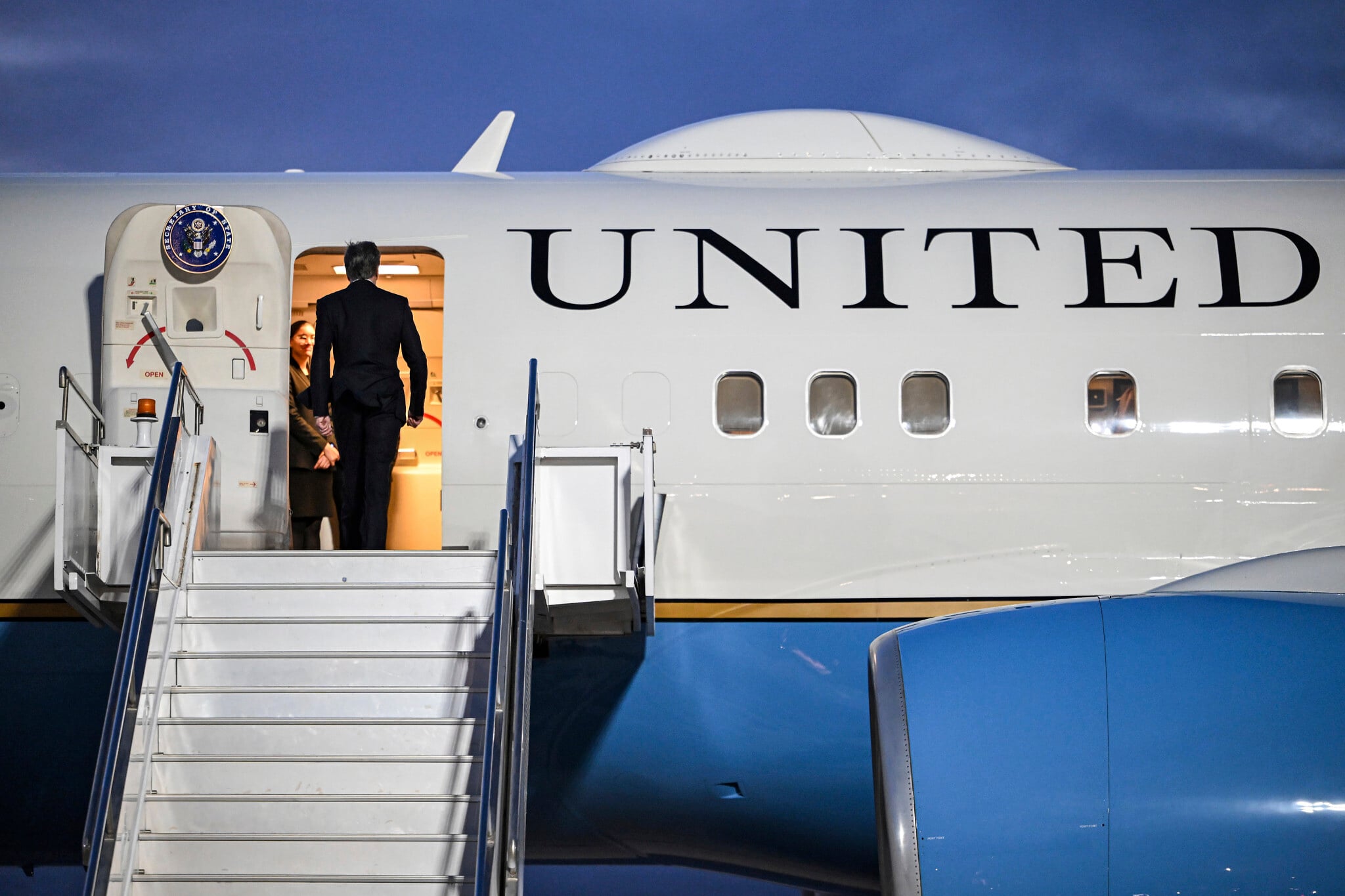
WASHINGTON — Had the world not been turned upside down, Antony Blinken would have been in Israel on October 10, 2023. Had Hamas terrorists not shaken the Middle East and pulverized plans for its future, the US secretary of state would have flown from Israel to Saudi Arabia a few days later as part of a multi-stop tour aimed at bridging some of the final gaps between the two countries on long-elusive normalization, a deal that could have been as positively transformative as the Hamas massacre and ensuing war were devastatingly destructive.
For months ahead of the scheduled trip, the US had been hard at work crafting a document with Saudi Arabia, laying out what Israel would need to do in exchange for Riyadh joining the Abraham Accords, namely a series of relatively minor concessions meant to assuage Palestinian aspirations for statehood. Blinken planned to bring that document to Jerusalem for approval, two senior Biden officials told The Times of Israel.
Israel was aware of where things stood and was comfortable enough with the modest steps discussed by Washington and Riyadh for the Foreign Ministry in Jerusalem to draft a normalization agreement with Saudi Arabia, according to the two former US officials and a current Israeli official.
Blinken did end up making it to Israel that week, but under very different circumstances, as then-US president Joe Biden’s administration rallied to support the Jewish state following the Hamas-led cross-border attack on October 7 that cut down some 1,200 people and saw 251 more taken hostage into Gaza.
Documents uncovered by the IDF from Gaza during the war revealed that one of the motivations of Hamas’s leaders in launching the attack was scuttling the US effort to broker that brewing normalization deal between Israel and Saudi Arabia.
To a great extent, the terror group succeeded. The Biden administration’s normalization push was shelved in favor of, first, providing Israel with the military and diplomatic support needed to restore deterrence against Iran and its proxies, and second, working to secure an end to the war through a hostage release deal.
Many leading figures in the administration saw freeing the abductees as the key to ending the war and accordingly concentrated their attention on the indirect hostage negotiations between Israel and Hamas, which largely ran through Qatar and Egypt. But Blinken grew to believe that setting up the security and governing bodies to help administer Gaza the “day after” the war was no less critical.
“Israel needed the confidence to know that [its] security would not be threatened by withdrawing from Gaza, and Hamas needed the confidence to know that the war would end if it gave up the remaining hostages,” said a senior Biden aide, who was one of 10 government officials and well-placed regional sources interviewed for this story.
That logic was the basis for a “Transitional Mission” that Blinken worked to establish, which would steer the Strip after the war. The initiative, as laid out in a 14-point plan that would have been part of the ceasefire agreement, was aimed at “support[ing] the provision of governance, security and humanitarian assistance for Gaza” after the war, according to a never-before-reported US government document outlining the plan, which was obtained and verified by The Times of Israel.
The proposed mission was to involve civilian and military personnel, funding and other contributions from a handful of foreign governments, including Saudi Arabia, whose involvement Blinken hoped would provide an opening to revive the stalled normalization negotiations.

To ensure strong Arab support, the proposal characterized the initiative as a “first step toward establishing an independent and sovereign Palestinian state.” That made the idea a hard sell to Jerusalem, but Blinken believed the prospect of Saudi normalization could be enough of a carrot to overcome Israel’s likely objections.
The result was a precarious house of cards, but one that Blinken thought could lay the foundation for not just a temporary halt in hostilities, but a durable, lasting peace and a truly transformed region.
The US held months of talks to advance the plan and Saudi normalization, but neither got off the ground by the time Biden left office in January 2025. A ceasefire between Israel and Hamas was brokered during the waning hours of the previous administration, helped by critical pressure from the incoming Trump team. But Israel still wasn’t interested in discussing postwar arrangements of the kind Blinken sought to finalize, and the Trump administration backed Jerusalem’s decision to resume the war in March.
Seven months later, Israelis celebrated the return of all 20 of the final living hostages, and Gazans breathed a cautious sigh of relief for the end of fighting as both sides agreed to a new ceasefire crafted by the Trump administration.
Trump built momentum for that agreement by rallying the international community around a broader 20-point plan for long-term peace in Gaza. He got Prime Minister Benjamin Netanyahu to publicly endorse it, and US officials claim that Hamas leaders also backed its terms during a private, high-stakes meeting on the eve of the ceasefire’s signing.
“Now you have peace,” Trump declared from the Knesset on October 13.
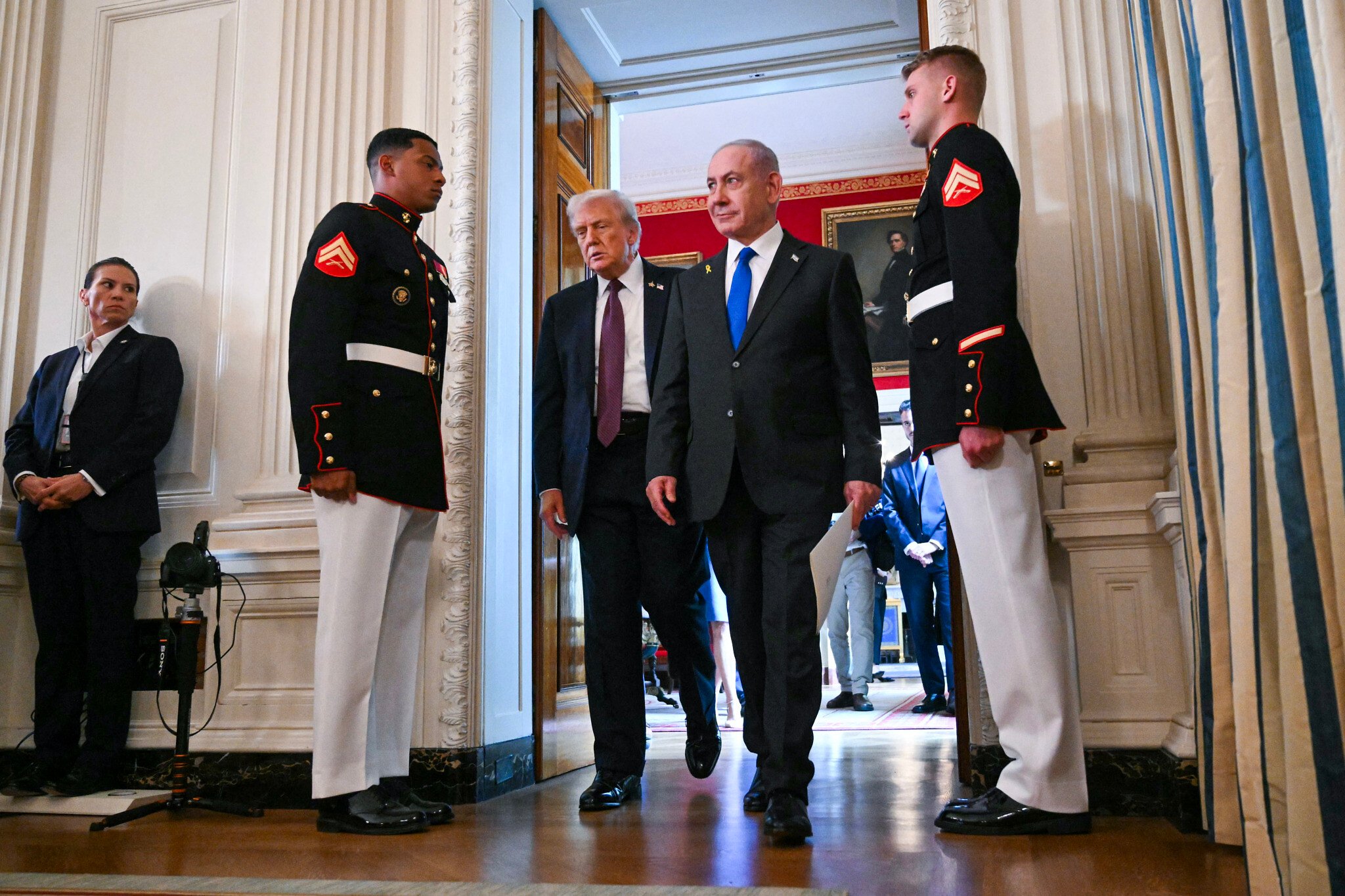
His 20-point plan includes elements that appear strikingly similar to those drawn up by Blinken, but crucially, it omits or softens much of the language Israel would have had the most trouble agreeing to.
Today, attempts to advance Trump’s plan beyond its initial ceasefire stage appear stuck, as do negotiations aimed at reshaping the wider Middle East, and despite the president’s triumphant declarations, peace, or anything resembling it, may still be far off.
Blinken’s efforts, many of which are revealed here for the first time, offer a telling window into some of the challenges facing the Trump administration as it seeks to advance initiatives for the postwar management of Gaza and expansion of the Abraham Accords.
From Tokyo to Cairo
Before there was a 20-point plan, or a 14-point plan, or a Transitional Mission, there were the Tokyo Principles, unveiled by Blinken at a G7 conference in Japan just one month after the October 7 attack.
They comprised five red lines and three affirmative principles regarding the future of Gaza, and served as the foundation for Blinken’s day-after plan.
The five “nos” were:
- No forced displacement of Palestinians
- No Israeli reoccupation of Gaza
- No reduction of Gaza’s territory
- No use of Gaza as a platform for terrorism
- No attempt to blockade or besiege Gaza
There were also three “musts” for the US in its day-after planning:
- Palestinian voices must be at the center of postwar Gaza governance
- Gaza and the West Bank must be unified under the Palestinian Authority
- A sustained mechanism for reconstruction must be established alongside a pathway to a two-state solution.
Notably, some of these principles — such as opposition to the forced displacement of Gazans — were included in the plan that Trump unveiled nearly two years later. Both Democratic and Republican administrations apparently recognized that adhering to such fundamentals would be essential in securing international support.
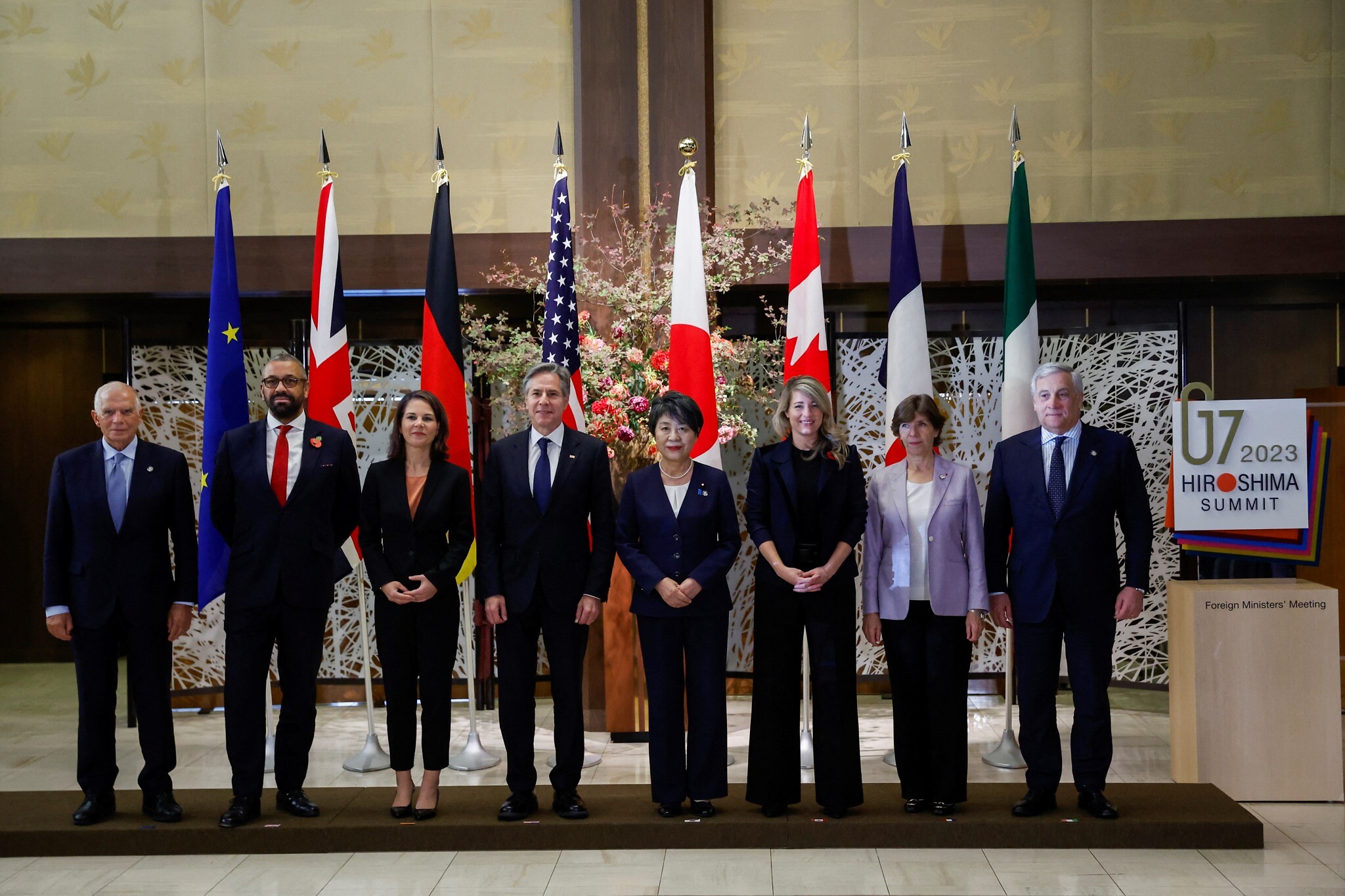
But with war raging, not everyone shared the US’s determination to plot Gaza’s future in the months immediately following the October 7 attack.
In Israel, Netanyahu avoided any day-after planning altogether for months, insisting that his focus was on defeating Hamas. Ignoring the issue allowed Netanyahu to skirt far-right coalition partners pushing plans to permanently occupy Gaza and re-establish settlements. While the premier said he opposed such ideas, he also had little interest in entertaining more internationally palatable schemes that risked collapsing his government.
Arab allies were also initially “less than enthusiastic” about getting involved in day-after planning, said a senior Biden official, amid concerns that Israel’s avoidance of the issue was a show of support for the far-right’s plans.
Blinken declined to comment to The Times of Israel on the record about his efforts to end the war and plan for Gaza’s future.
The Arab approach did “gradually and grudgingly” shift, according to the senior Biden official. In an initial move toward practical post-war planning, Egyptian President Abdel-Fattah el-Sissi proposed to American officials in January 2024 that his country send troops to help secure the Strip after an anticipated Israeli withdrawal.
He raised the idea during a one-on-one Cairo meeting with Blinken, appending two asks — that the Egyptian troops be joined by American soldiers and that the force also be deployed in the West Bank, where Palestinians have come under near-daily attacks by settler extremists.
Regarding the latter request, Blinken said it was something that Israel would never allow. And while he told Sissi that it was highly unlikely that US boots would be placed on the ground in Gaza, the secretary of state said Washington was prepared to help with the command of an international force, the senior Biden official recalled to The Times of Israel.
The Pentagon, through the US Army’s Central Command, was subsequently instructed to prepare to establish such a hub in Egypt.
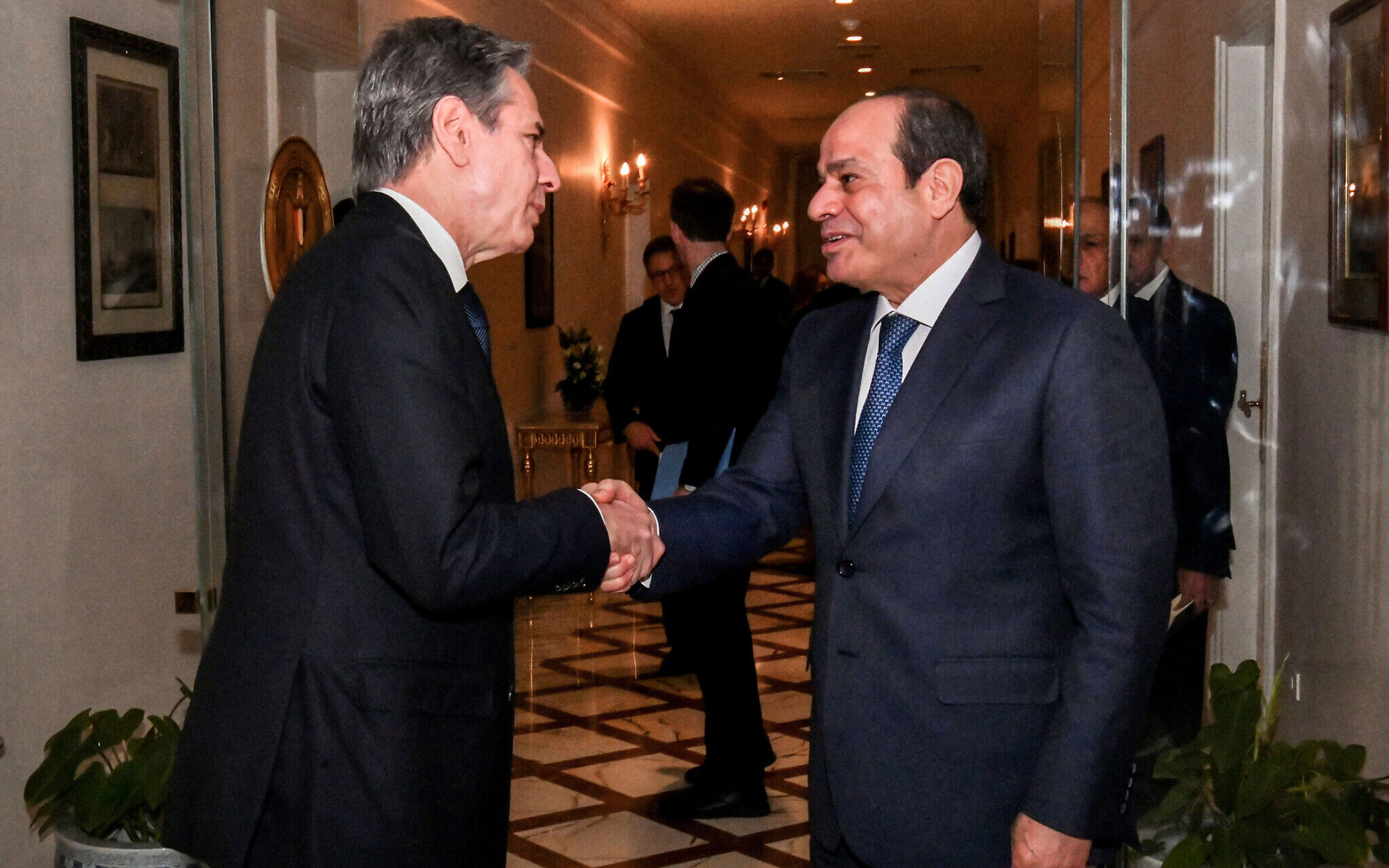
With Sissi leaning into the idea of sending troops, Blinken had an easier time approaching other countries about doing the same, the senior Biden official said.
Washington was particularly interested in getting the United Arab Emirates on board with the plan, due to Abu Dhabi’s productive relationship with Israel, along with Qatar, which the US thought would be critical in securing guarantees from Hamas not to sabotage the plan.
Ultimately, the US secured varying commitments from roughly half a dozen Arab partners to take part in the post-war management of Gaza, two senior Biden officials said.
Saudi Arabia agreed to finance the Transitional Mission initiative, while the UAE and Qatar agreed to donate both funds and troops, according to the senior Biden officials and three Arab diplomats. However, each country had its own conditions
Egypt, Jordan and Morocco each gave the US verbal assurances that they would contribute troops to an interim multinational force for Gaza that would help secure Gaza, roughly parallel to the International Security Force that wound up being included in Trump’s plan.
Saudi Arabia agreed to finance the Transitional Mission initiative, while the UAE and Qatar agreed to donate both funds and a small number of troops, according to the senior Biden officials and three Arab diplomats.
However, each country had its own conditions, which were largely centered around receiving a formal invitation from the PA to avoid accusations that they were entering Gaza as foreign occupiers. The Arab countries were also intent on chaperoning Ramallah through a comprehensive reform process so that it could be equipped to eventually replace the Transitional Mission, reunifying Gaza and the West Bank under a single Palestinian governing body and thereby reestablishing a pathway to a Palestinian state alongside Israel, the officials said.
In addition to the core group of Arab states, a variety of “third countries” also offered to take part in the mission if it came together, including Italy, Spain and Indonesia, the two senior Biden officials said.
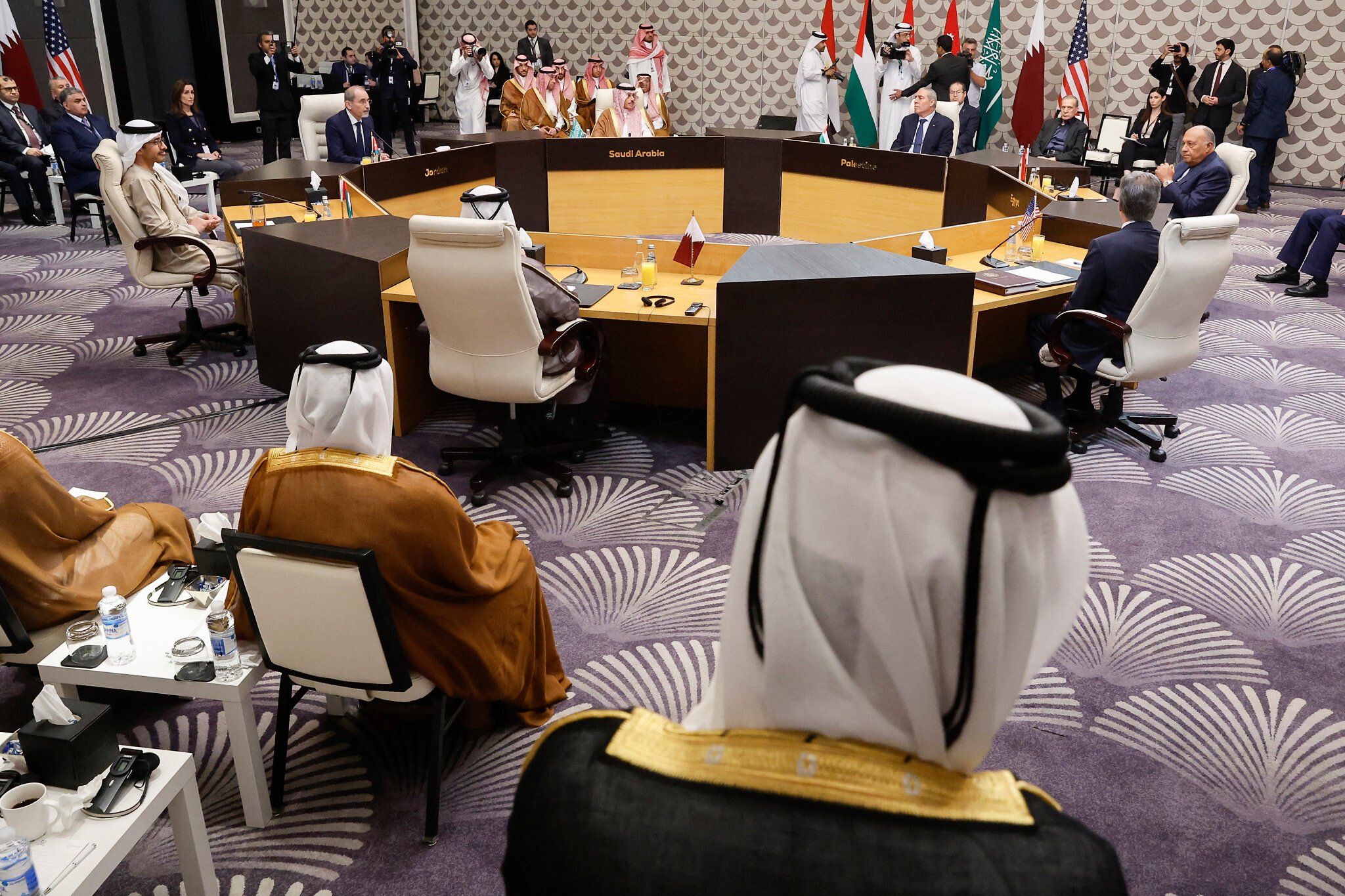
But the former US officials admitted that the troop commitments were not ironclad and that countries wanted to see the war end first or for Israel to accept their conditions regarding a pathway to Palestinian statehood before they moved forward.
The UAE committed in principle to contribute troops to the postwar international Gaza force, but when conversations turned to exact numbers, Abu Dhabi got “skittish,” one of the senior Biden officials recalled.
Blinken’s plan envisioned the multinational force operating as an arm of the Transitional Mission responsible for “administer[ing] border crossings and facilitat[ing] safe and secure delivery of humanitarian assistance,” according to the draft obtained by The Times of Israel.
Day-to-day policing of Gaza was to be left in the hands of the PA’s security forces, and the scheme envisioned the US and its Arab allies ‘vetting, recruiting, training and equipping’ personnel
Day-to-day policing was to be left in the hands of the PA’s security forces, and the scheme envisioned the US and its Arab allies “vetting, recruiting, training and equipping” personnel. Over the last year of Biden’s term, hundreds of police recruits were sent to Egypt and Jordan for training at military bases, US and Arab officials said.

The US plan didn’t task the international force with disarming Hamas, and in fact disarmament is not explicitly required in the 14-point proposal that eventually emerged from the talks.
However, participating countries were expected to sign a “Statement of Purpose” declaring, “Groups that espouse the use of violence or commit terrorist attacks against civilians cannot govern or dictate Gaza’s future. All terrorist organizations and armed groups must disarm and renounce violence. A disarmament, demobilization, and reintegration mechanism will facilitate this process in Gaza.”
Senior Biden officials believed that the presence of the internationally backed Transitional Mission would at the very least marginalize Hamas politically in the eyes of Palestinians, thereby giving the terror group less legitimacy to continue holding on to its weapons
The document didn’t get into specifics on how that disarmament process would unfold, and the senior Biden officials acknowledged that depriving Hamas of its weapons would have been a major hurdle, leaving open the possibility that, as Israel withdrew, the Transitional Mission could wind up vying with Hamas for control of the Strip.
But the senior Biden officials believed that the presence of the internationally backed Transitional Mission would at the very least marginalize Hamas politically in the eyes of Palestinians, thereby giving the terror group less legitimacy to continue holding on to its weapons.
Wanted: An ’empowered’ PA premier
While troop contributions from Arab allies weren’t as firm, funding commitments were concrete enough for the US to put specific figures in writing when the plan was drafted in the fall of 2024.
The 14-point plan for the Transitional Mission stated that “Kuwait, Qatar, Saudi Arabia and the UAE will each contribute 10 million USD monthly (40 million USD in total) to operationalize a fund that will provide the PA in Ramallah with predictable, direct, monthly budgetary support during the transitional period and to support its reform efforts.”
To further ease the PA’s financial situation, the plan stated that Israel would be required to release the several billion dollars in Palestinian clearance revenues that it has been withholding from the PA over the years.

Meanwhile, countries participating in the plan would establish a trust to raise funds for Gaza’s recovery, and that money would “be channeled through a reformed PA,” the plan stated.
Blinken’s plan required the PA to govern transparently and fight corruption, while also implementing reforms of its education and welfare systems.
These improvements were designed, at least in part, to address Israel’s fervent opposition to granting the PA any role in Gaza in addition to long-held international concern regarding credible allegations of corruption and financial malfeasance in Ramallah.
Blinken’s plan also required PA President Mahmoud Abbas to appoint a “new, credible, independent, and empowered PM who will reform and revitalize the PA.”
This was a notable stipulation, given that Abbas only months earlier had appointed Mohammed Mustafa — an economist who held senior positions in the World Bank — as premier in a step aimed at addressing international reform demands.
A close confidant of Abbas, Mustafa was not a satisfactory choice for the UAE, which conditioned its involvement in the Transitional Mission on his replacement, the senior Biden officials said.
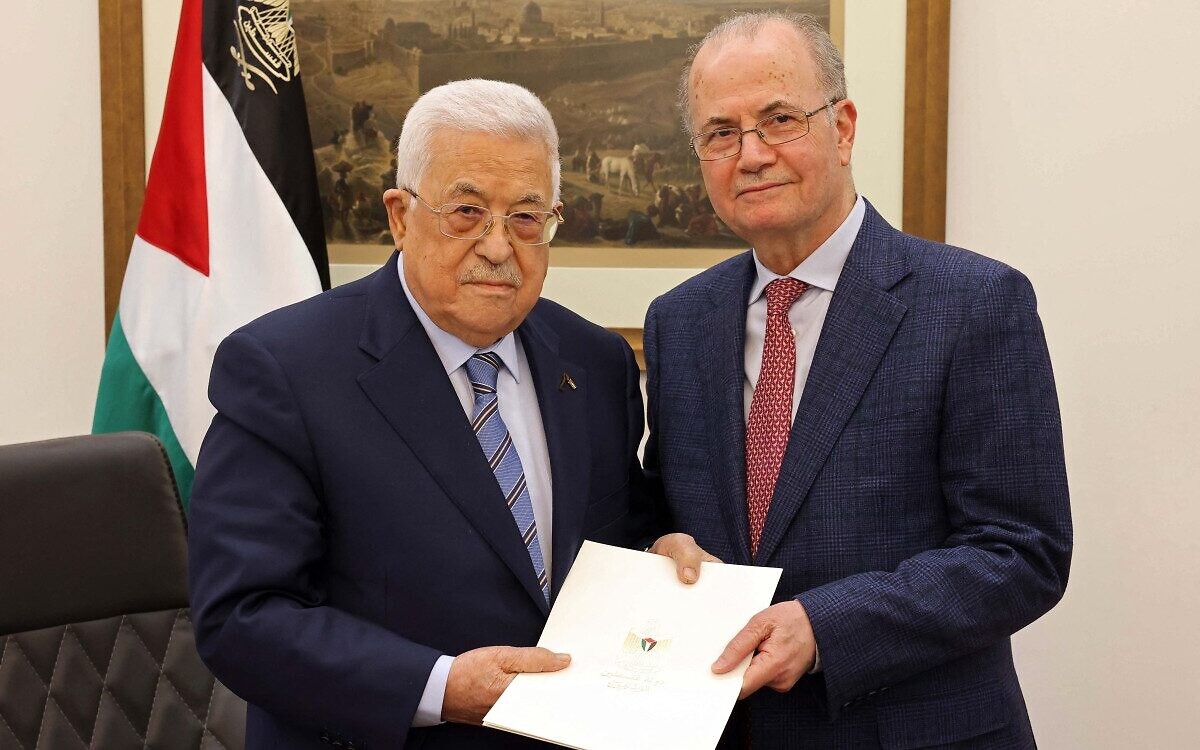
While some in the Biden administration felt that the UAE demand to replace Mustafa was more about elevating an Emirati ally than it was about reforming the PA, the US agreed to include the condition in its plan for the Transitional Mission.
However, it carefully crafted the clause’s wording to stipulate that the appointment of a new prime minister be made “in conjunction” with the PA’s invitation to countries to join the initiative, rather than making it a prerequisite.
It also leveraged the UAE’s desire to see Mustafa replaced in order to secure a more solid commitment from the Emiratis, conditioning Mustafa’s departure on Abu Dhabi actively contributing to the postwar management of Gaza, the two senior Biden officials said.
The Blair project
The Biden administration didn’t want to ignore the Emirati concerns entirely, though, because the UAE was playing a central role in setting up facets of the Transitional Mission that would deal with the governance of postwar Gaza.
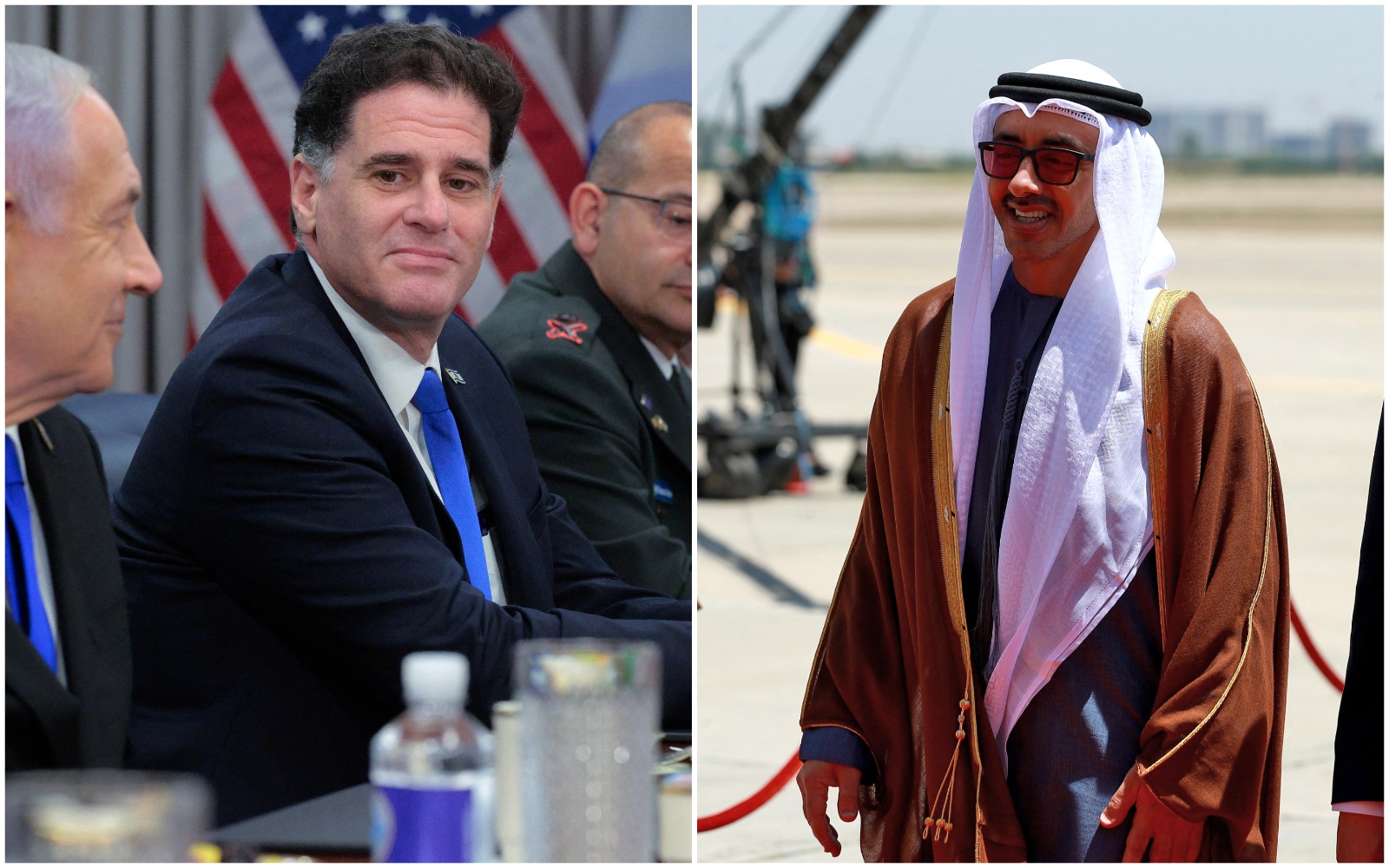
By the summer of 2024, Netanyahu had quietly lifted his ban on postwar planning and dispatched his closest adviser, then-strategic affairs minister Ron Dermer, to hold talks with UAE Foreign Minister Abdullah bin Zayed on the matter, building on the goodwill that Jerusalem had established with Abu Dhabi since the two countries normalized relations in 2020.
That channel quietly made progress, thanks in no small part to the assistance of former British prime minister Tony Blair, who used his extensive contacts in the region to craft a plan for the creation of a temporary governing committee that would administer Gaza after the war, similar to the Board of Peace laid out in the subsequent Trump plan, in which Blair also played a part.

Blair looped the Biden administration in on the Israeli-Emirati talks, as both countries recognized that the US would be needed to move them forward. While Blinken had discussed postwar governing mechanisms for Gaza with Arab and Palestinian counterparts as part of his efforts to build the Transitional Mission, the Blair-backed Israeli-Emirati channel was more developed by the fall of 2024.
Blinken organized a meeting with Dermer and bin Zayed on the sidelines of the UN General Assembly in September 2024 to formalize that channel and to eventually turn its main ideas — along with the feedback he was getting elsewhere in the region — into what became the 14-point plan for the establishment of a Transitional Mission for the postwar governance, security and reconstruction of Gaza.
The plan also included many of the ideas pushed by Dermer in his talks with bin Zayed, including the need to limit the role of the PA in post-war Gaza until it has undergone significant reforms.
This did not sit well with Ramallah, which wanted to do more than just invite foreign troops and personnel to run postwar Gaza on its behalf.
Some officials in Jerusalem mockingly branded Blinken’s proposal the ‘Mr. Potato Head Plan’ because they felt he was trying to adopt ideas from various stakeholders in a way that didn’t fit realities on the ground, an Israeli official said
But the plan also contained elements in support of Palestinian statehood that were liable to draw Israeli objections.
While the 14 points were largely focused on Gaza, they also included a requirement for Israel to “refrain from taking measures in the West Bank [that] would impede or imperil the achievement of a just, comprehensive, realistic, and enduring solution to the Israeli-Palestinian conflict.”
And the Statement of Purpose attached to the 14-point plan included a commitment from partner countries to a two-state solution “on the basis of the June 4, 1967 lines with mutually agreed swaps and a just and agreed solution for Palestinian refugees.”
Washington understood that these stipulations would be fiercely opposed by Jerusalem, particularly after the October 7 attack caused Israeli faith in Palestinian independence to further plummet. However, the US deemed them essential both for securing the participation of partner countries in the Transitional Mission and also for ensuring that the cycle of violence would end.
The Biden administration sought to sell the plan as something that Israel needed, even if it wasn’t what it wanted
The Biden administration sought to sell the plan as something that Israel needed, even if it wasn’t what it wanted.
“Israel needed to make sure that October 7 wasn’t going to happen again, and that’s what we were going to ensure by being behind the [Transitional Mission’s multinational] force,” said one of the senior Biden officials, reiterating Washington’s preparedness to take part in the command of the foreign troops, even if American boots would not be on the ground in Gaza.
Israel wasn’t impressed, and some officials in Jerusalem mockingly branded Blinken’s proposal the “Mr. Potato Head Plan” because they felt the secretary of state was trying to adopt ideas from various stakeholders in a manner that didn’t fit realities on the ground, an Israeli official said.
Riyadh raises its price
But Washington was still looking to sweeten the deal for Israel, and the Biden official said the US likely would have also signed a secret “side letter” with Jerusalem, giving the latter a green light to intervene militarily in Gaza “under extreme circumstances.”
Another selling point for Israel was supposed to be the Transitional Mission’s inclusion of Saudi Arabia, necessarily expanding Israel’s cooperation with Riyadh and potentially reviving the Abraham Accords.
“The possibility of normalization between Saudi Arabia and other Arab states and Israel, with concrete progress toward a two-state solution, is a promising avenue to achieving peace, security, and regional integration that will benefit all,” read the US plan’s Statement of Purpose.

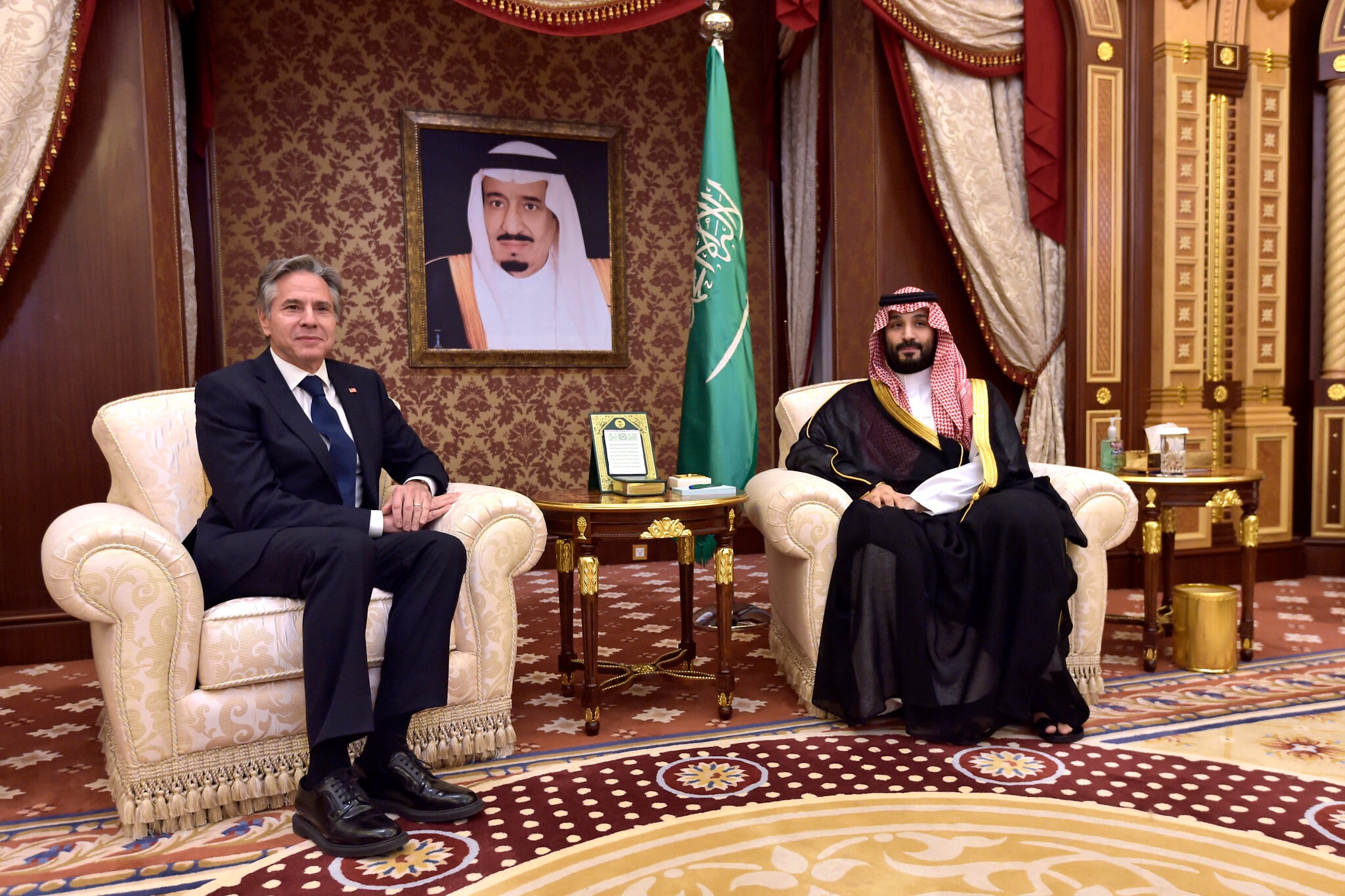
While the October 7 onslaught froze the normalization effort, by January 2024, bin Salman told Blinken he was prepared to resume discussions on the topic.
But this time, the crown prince asked for more concrete measures from Israel toward the establishment of a Palestinian state, the two senior Biden officials said.
Previously, the Saudis had entertained relatively moderate steps from Israel as part of the normalization deal. These included a proposal for Israel to give the PA control over additional West Bank territory by changing parts of Israeli-controlled Area C to Area B, where the PA has limited authority, and parts of Area B to Area A, which is under Palestinian security control and governance.
‘Our plan — especially if [Harris] won the the election — was to confront Bibi with a choice: Either end the war and create a path to a two-state solution and Saudi normalization or reject what we saw as the only path to longterm security and regional integration’
Now, Riyadh was demanding the launch of a time-bound, irreversible process to establish a Palestinian state, officials from multiple countries told The Times of Israel.
The upped demand had less to do with bin Salman’s personal attachment to the Palestinians and more to do with what he told interlocutors was his fear of ending up like Anwar Sadat, the Egyptian president assassinated in 1981 after making peace with Israel, one of the Biden officials said.
The Saudi foreign ministry, which typically refrains from interacting with Israeli press, did not respond to requests for comment.
Regardless, the Biden administration saw an opportunity to broker a normalization agreement in 2024, believing that a Democratic president would have an easier time securing the support of two-thirds of the Senate, which would be needed to ratify the side-deal defense treaties that Riyadh was also seeking in exchange for joining the Abraham Accords.

By coupling the Transitional Mission with the Saudi normalization push, “the underlying concept was to present the Israeli government with what they needed to end the war in Gaza along with a way to achieve the dream of recognition by all of its key neighbors,” said James P. Rubin, who was Blinken’s point man in the State Department on Gaza day after planning.
“We tried to put all of these things together in a package that would be attractive to the Israeli government and in the process defeat the ideology of Hamas by enshrining a two-state solution, which its founding charter opposes,” Rubin, a former assistant secretary of state in the Clinton Administration, told The Times of Israel.
The US recognized that this was a long shot, as it would have required Netanyahu to part ways with his far-right coalition partners. However, Biden officials still noticed him “leaning in” when they raised the topic, leading them to believe that it wasn’t an impossible task.
Still, it was going to require convincing the Israeli premier that the consequence of not picking up the baton with the plan being put together would be endless war and increasing global isolation.
“Our plan — especially if [then-US vice president Kamala Harris] won the [November 2024 presidential] election, but ideally before that — was to confront Bibi with a choice: Either end the war and create a path to a two-state solution and Saudi normalization, or reject what we saw as the only path to longterm security and regional integration,” said one of the senior Biden officials.
Things fall apart
But the war in Gaza dragged on through the fall, Harris lost to Trump and whatever leverage the Biden administration had over regional stakeholders “evaporated,” the former senior US official said.
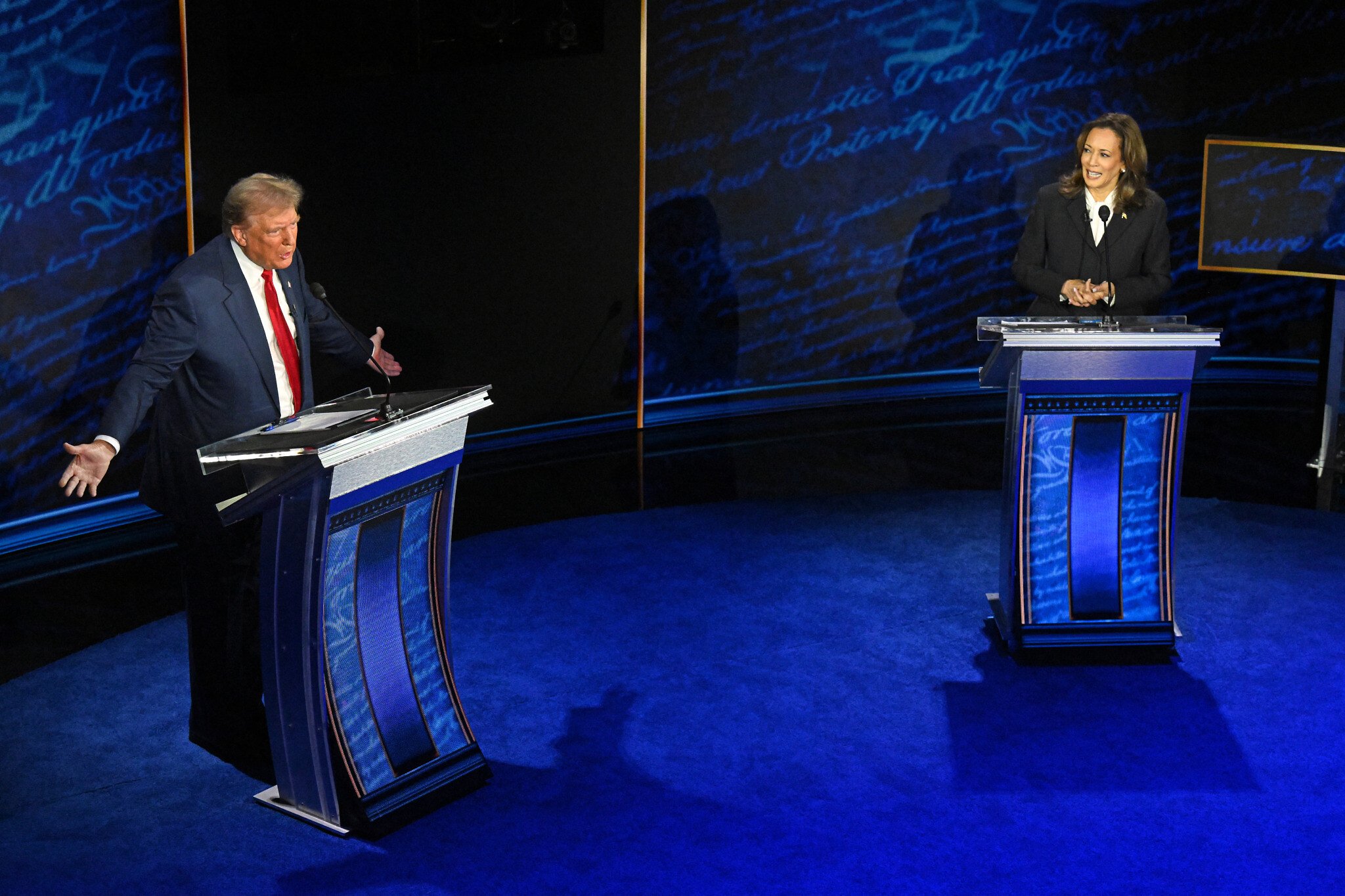
Blinken’s State Department also didn’t have the full backing of the White House, which prioritized the talks on the “phase one” initial ceasefire and hostage release deal over the “phase two” negotiations regarding the postwar management of Gaza, one of the former US officials said. Accordingly, the White House chafed at efforts to publicly corner Israel regarding day-after planning when doing so could risk emboldening Hamas in the ceasefire negotiations.
The prevailing opinion in the Biden administration was that the US couldn’t fully challenge Israel, the PA or Arab allies to truly commit to the US day-after plan while the war was still ongoing.
Unable to see his own plan to fruition, Blinken was satisfied with giving a speech during his final week as secretary of state in which he laid out the contours of his vision for the postwar management of Gaza.
“From the outset, we recognized that we couldn’t afford to wait until a ceasefire to plan for what would follow it,” he said in those remarks. “For many months, we’ve been working intensively with our partners to develop a detailed post-conflict plan that would allow Israel to fully withdraw from Gaza, prevent Hamas from filling back in, and provide for Gaza’s governance, security, and reconstruction — drawing on the principles that I originally set out in Tokyo. We will hand off that plan to the Trump administration to carry forward.”
Similar plans, different problems
While Trump initially entertained a different day-after approach, declaring in February that the US would take over Gaza, clear the territory of its Palestinians and create a “Riviera of the Middle East,” he eventually settled on a plan that was very similar to Blinken’s.
This likely had to do with the decision to bring Blair back into the fold, with the former British premier working closely with Trump’s top adviser Jared Kushner.
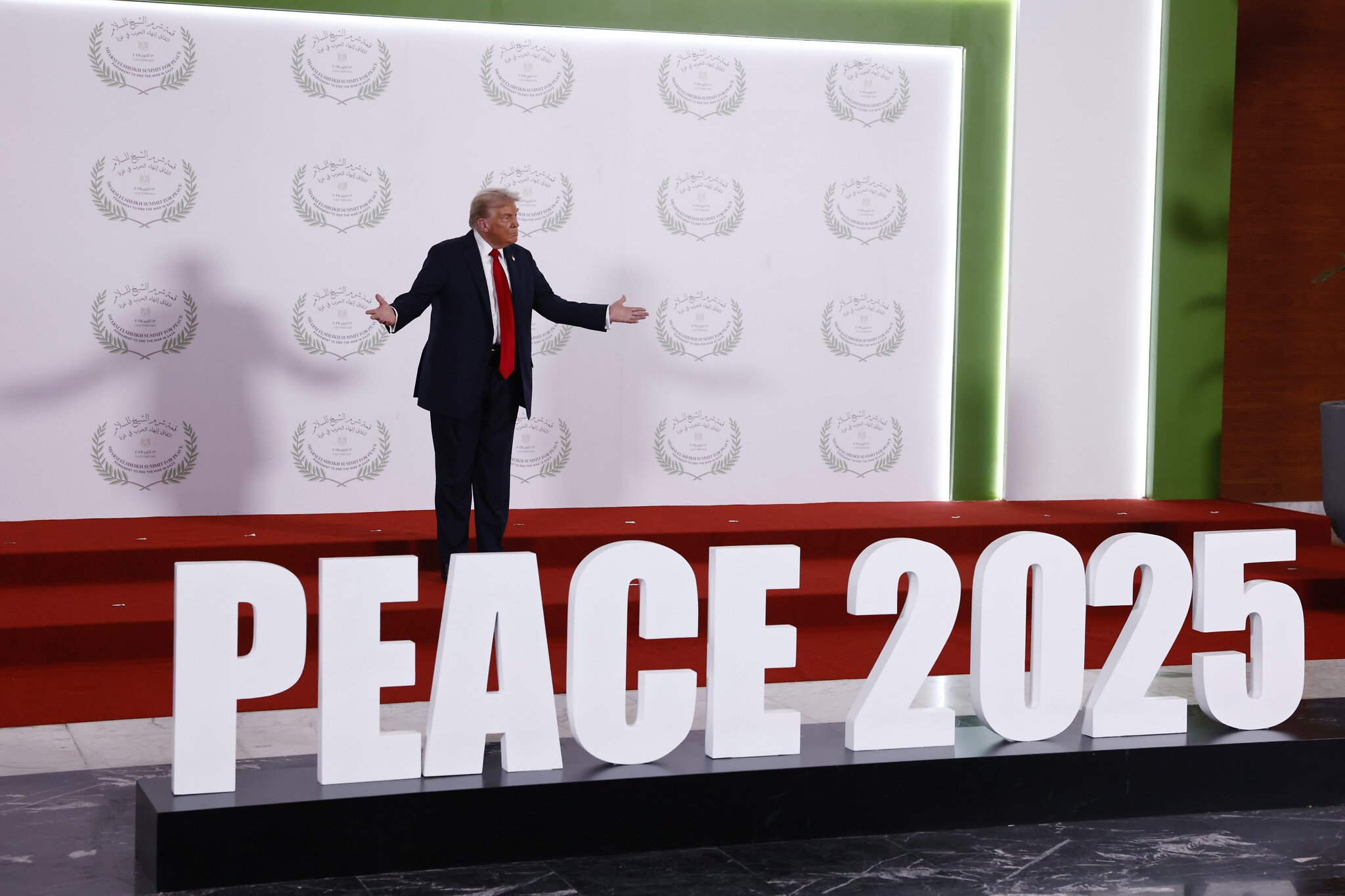
The Trump administration refashioned the governance aspects of the Transitional Mission into a Board of Peace, and the multinational force became the International Stabilization Force (ISF). Both bodies were enshrined in a US-championed resolution adopted by the UN Security Council last month — something also envisioned by Blinken’s plan.
The Blinken idea of a CENTCOM-led ceasefire monitoring hub was also adopted by the Trump administration, albeit in the southern Israeli town of Kiryat Gat, rather than in Egypt’s El-Arish.
The fact that Trump managed to secure support for his 20-point initiative from both Israel and Arab allies in September, two weeks before an actual ceasefire was agreed on, could point to the wisdom of Blinken’s prioritization of post-war planning rather than the wider Biden administration’s approach of largely decoupling it from a ceasefire and hostage release.
But Trump’s plan also contains key differences that skirt Israeli objections that could have doomed the Blinken proposal but were seen as key to ensuring Gaza’s post-war future.
While both plans envisioned an eventual transfer of Gaza governance to a reformed PA, Trump’s offers Ramallah virtually no role in the interim, whereas Blinken’s sought to involve the PA in the process from the get-go. As Blinken found, without PA buy-in, Arab commitments are likely to remain in the realm of words, rather than actions.
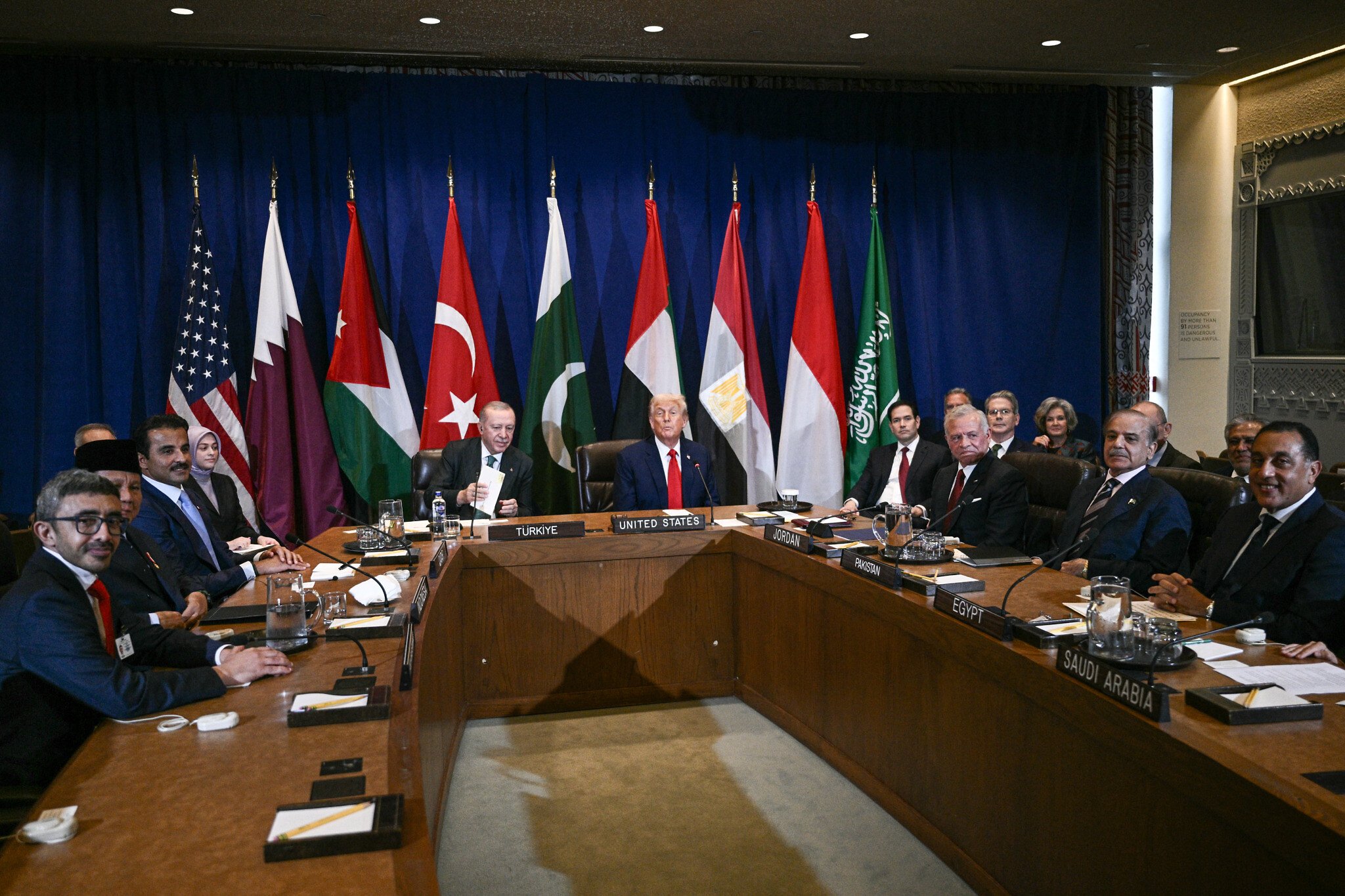
Indeed, while the Security Council has backed the creation of a Board of Peace and ISF, countries have yet to step forward with troop contributions, despite whatever verbal commitments may have been made to the Trump administration before the UN resolution was adopted.
Both plans also use language regarding a pathway to Palestinian statehood, though Trump’s presents it only as a possibility, as opposed to Blinken’s proposal, where it was a requirement — albeit one that would lay the groundwork for Israel’s integration into the Middle East.
The softened statehood language and the icing out of the PA offered Trump an easier way to bring Israel on board without having to resort to ultimatums. But the shortcut may have also dampened Arab and international enthusiasm for investing in Gaza’s future. The 20-point plan is currently half realized, even though Trump insists that phase two is imminent.
For now, at least, hopes for a reborn Gaza are at risk of fading amid fears of a return to war. And realizing the dream of Saudi normalization no longer seems within reach, as it did on October 6, 2023.

- Israel & the Region
- Antony Blinken
- Benjamin Netanyahu
- Joe Biden
- Israel-US relations
- Tony Blair
- 2023-2025 Israel-Hamas war
- Israel-UAE relations
- Abdel-Fattah el-Sissi
- Mohammad Mustafa
- PA Palestinian Authority
- Mahmoud Abbas
- Gaza Strip
- West Bank
- Salam Fayyad
- Donald Trump
- 2024 US presidential elections
- Israel-Saudi Arabia relations
- Qatar
- Turkey
- Morocco
- Ron Dermer
- UAE United Arab Emirates
- Abdullah bin Zayed Al Nahyan
- postwar Gaza
- Civil-Military Coordination Center CMCC
The Times of Israel Community.