

US shelved sanctions on PA leaders after Abbas fired minister over prisoner payments
Ramallah believes quick dismissal of minister convinced Washington that Palestinian Authority is serious about implementation of reform to end ‘pay-for-slay,’ officials tell ToI
 Add ToI as a Preferred Source on Google
Jacob Magid is The Times of Israel's US bureau chief
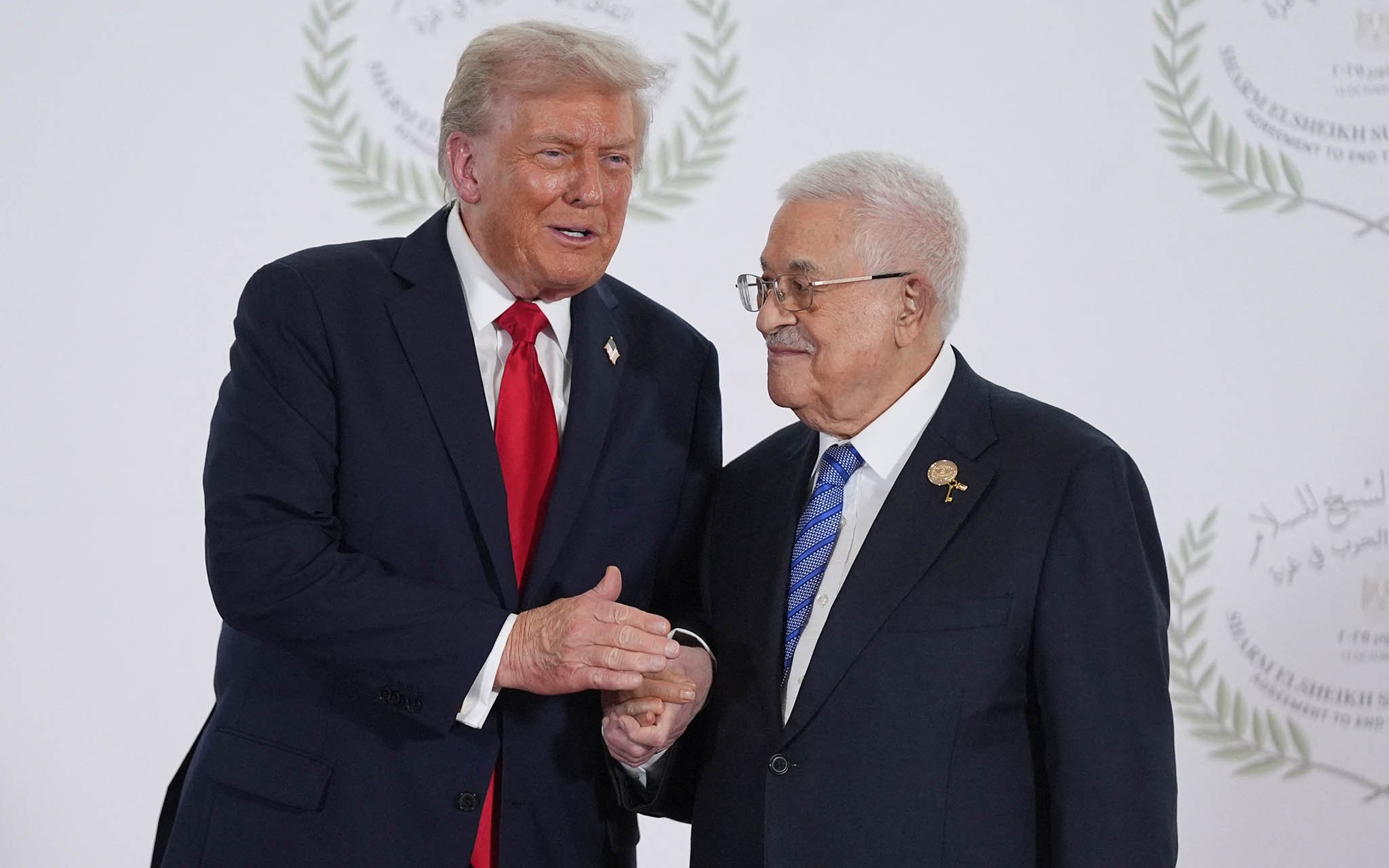
The US threatened last month to personally sanction Palestinian Authority President Mahmoud Abbas and other senior Palestinian officials over illicit payments to Palestinian security prisoners, but ultimately held off on the move after Abbas fired the minister who had signed off on the stipends, a US official, a Palestinian official and three other sources familiar with the matter have told The Times of Israel.
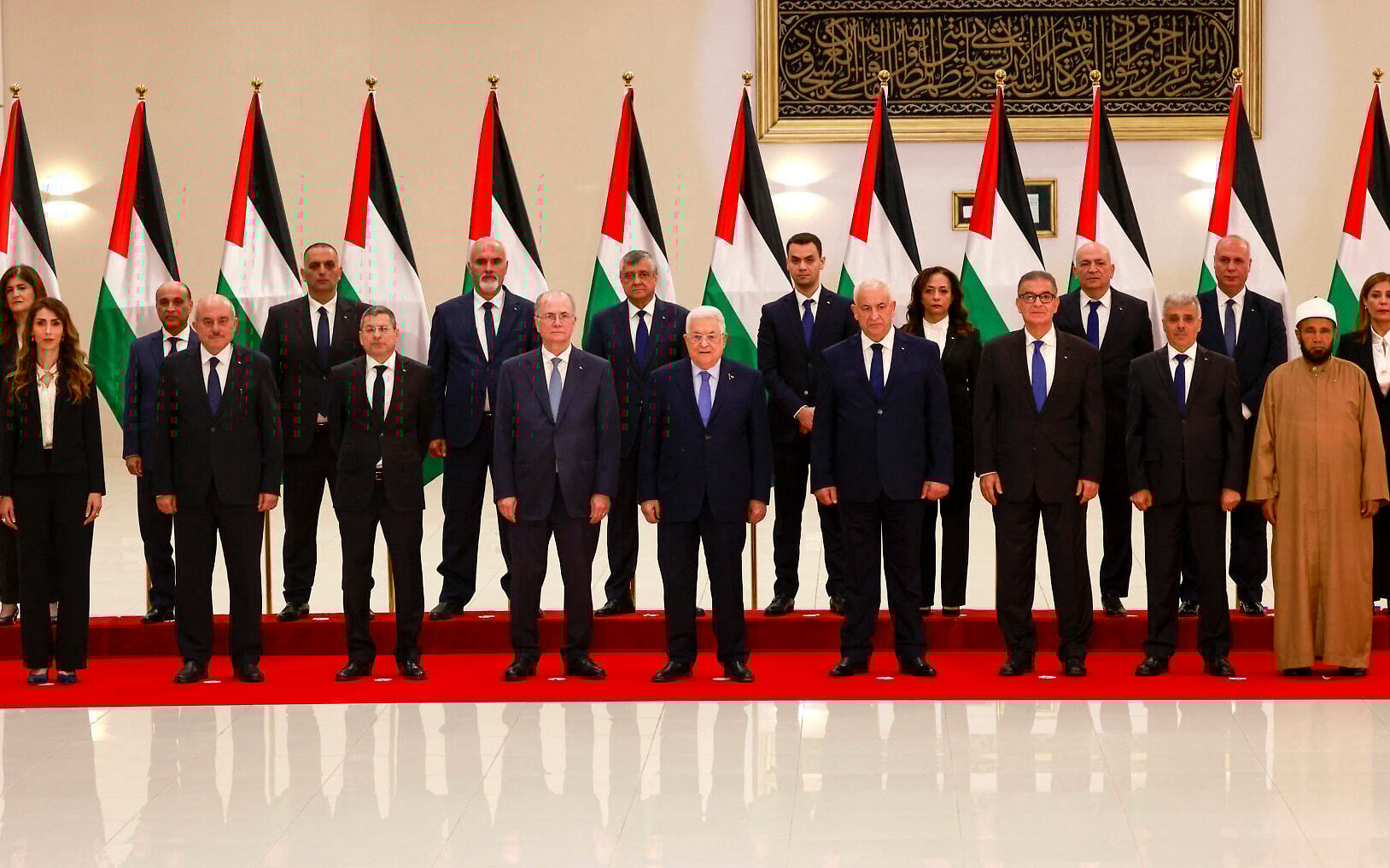
US President Donald Trump’s administration planned to designate Abbas, his deputy Hussein al-Sheikh, PA Prime Minister Mohammed Mustafa, then-PA finance minister Omar Bitar and senior PLO official Ahmad Majdalani as Specially Designated Global Terrorists after getting wind of the payments to the families of prisoners made through an old mechanism that awarded them based on the length of their sentence, the sources said.
The terror financing sanctions would have significantly curtailed the PA’s ability to continue operating, as foreign governments would risk exposing themselves to secondary sanctions from the US if they provided further assistance to Ramallah, which the cash-strapped authority desperately needs.
But days after its sanctions threat was passed along to Ramallah in early November, Washington decided to hold off on the far-reaching move, with Ramallah understanding that Abbas’s ousting of Bitar had been enough to convince the Trump administration that the PA was serious about ensuring illicit payments to security prisoners would not continue.
Abbas signed a decree in February ending a controversial welfare system that included monthly stipends to Palestinian security prisoners — including convicted terrorists — based on the length of their sentence, as well as to families of dead assailants. The reform had long been demanded by the US, Israel, and many of the PA’s Arab and European backers, with some accusing Ramallah of incentivizing attacks on Israelis and dubbing the old policy “pay-for-slay.”
The February decree signed by Abbas established a new system under which welfare stipends are distributed strictly based on financial need, and Majdalani was tapped to head the program.
However, an internal review conducted in early November found that while the new system had indeed been established, some prisoners — including ones recently jailed — were able to receive stipends through the old mechanism.
A Palestinian official told The Times of Israel at the time that the PA’s leadership hadn’t been aware of the illicit payments, arguing that it was Ramallah that invited a US delegation to come to the West Bank and certify that the new welfare system is in place and that it wouldn’t have done so if it wasn’t confident about passing such an audit.
Abbas’s quick firing of Bitar — who signed off on the illicit payments — demonstrated his determination to see the reform through, the Palestinian official claimed.
A US official said that while certain figures in the State Department had still pushed for following through on sanctioning PA officials, they were overruled by the White House, which felt that such an aggressive move risked antagonizing Ramallah, whose support was needed to get a resolution through the UN Security Council to advance Trump’s Gaza peace plan.
A source familiar with the matter revealed that this wasn’t even the first time that Washington has threatened to issue such sanctions against the PA over frustration with the pace of Ramallah’s implementation of “pay-for-slay” reform. However, the source questioned the seriousness of the threat, given that the sanctions weighed take months to prepare.
The State Department has followed through on a less severe punitive measure against Abbas, denying him and other Palestinian leaders visas needed to attend the September UN General Assembly in New York. That move came in response to the decisions by several leading European countries to unilaterally recognize a Palestinian state at Ramallah’s encouragement.
Since then, the Trump administration has somewhat softened its approach to the PA, inviting Abbas to a Gaza peace summit in Sharm el-Sheikh in October and partially relying on the PA to secure the Security Council support needed to pass a resolution giving Trump’s Board of Peace the mandate to manage Gaza for the next two years.
Discovery of the illicit payments broke that trend, and while Abbas managed to “stop the bleeding” by firing his finance minister, personal sanctions may again be weighed against PA officials if the welfare program reform is not fully implemented, the US official warned.






The Times of Israel Community.