

Till death do us unite
Have we become a nation whose sons can no longer live together — so that all we have left is to die together?

 Add ToI as a Preferred Source on Google
Amir Ben-David is a journalist and senior writer at Zman Israel, The Times of Israel's sister Hebrew website. He's also a musician with the Israeli rock group “Avtipus” ("prototype"), a screenwriter and a novelist.
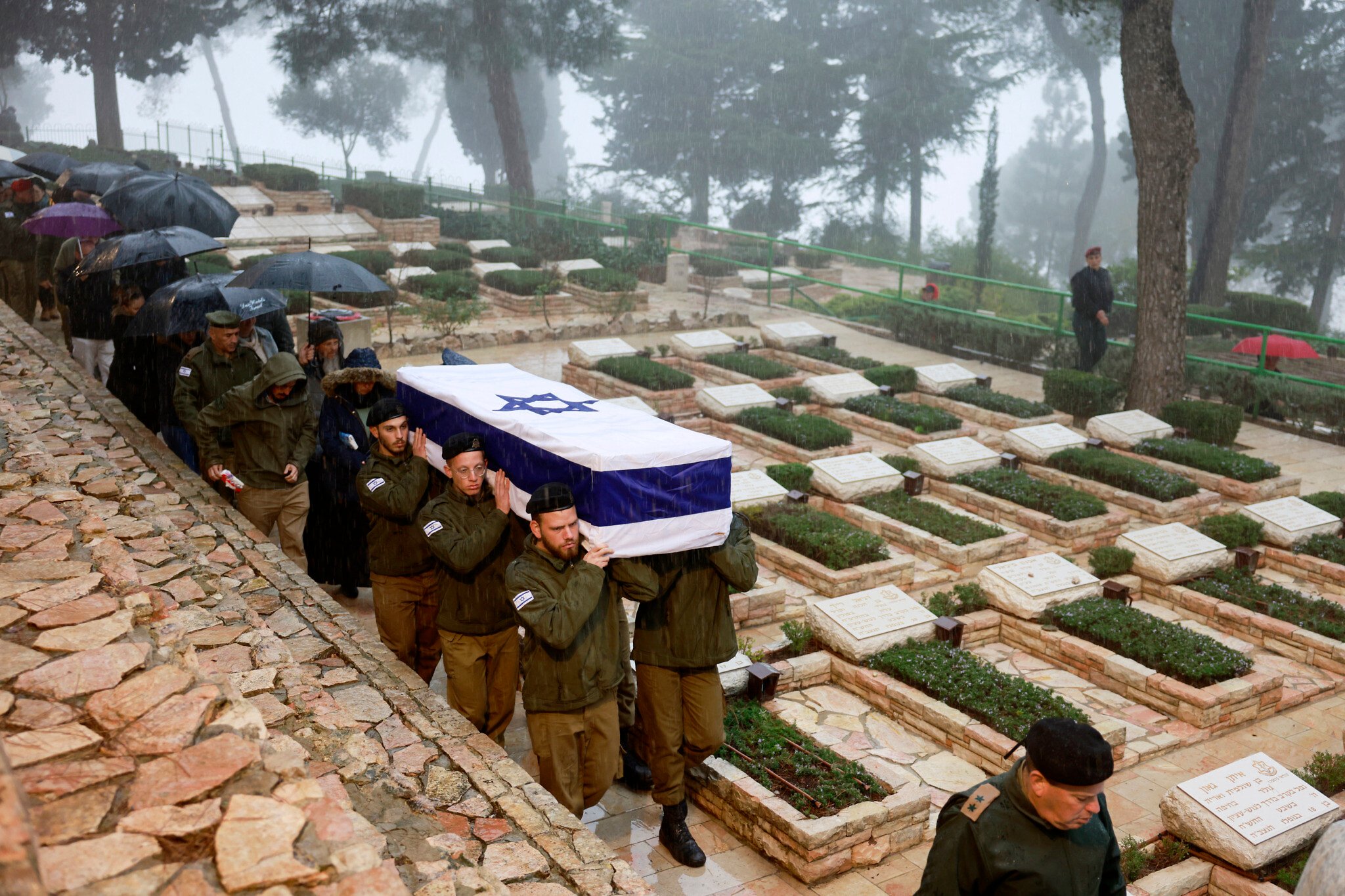
The figure is heart-wrenching: 21 fallen soldiers.
The past day has been the most dire for Israel since the beginning of the war in Gaza. And the long list of names seems to be speaking to us, whispering something fundamental about us – the living.
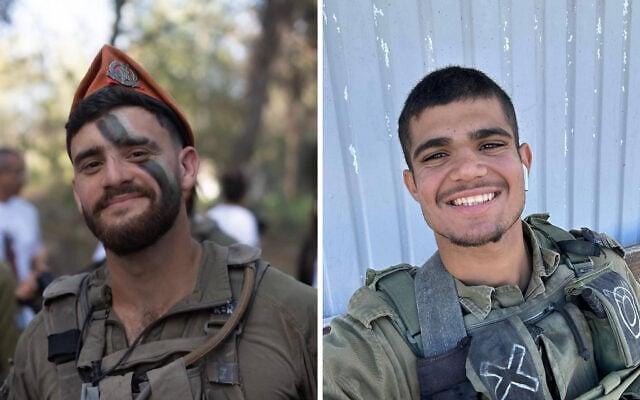
Matan from Haifa, Hadar from Mevo Beitar, Sergey from Ramat Gan, Elkana from Kiryat Arba, Ahmed from Rahat, Yoval from Alon Shvut, Nicholas from Jerusalem, Cedrick from Tel Aviv, Raphael from Pardes Hana, Barak from Rishon Letzion, Ahmad from Rahat, Nir from Givatayim, Elkana from Bnei Dkalim, Yisrael from Karnei Shomron, Ariel from Elazar, Sagi from Rosh Ha’ayin, Mark from Herzliya, Itamar from Kibbutz Mesilot, Adam from Karnei Shomron, Shai from Zichron Ya’akov, Daniel from Yokne’am Illit.
These are the 21 reservists killed on Monday, when they came under attack in the southern Gaza Strip — an attack that triggered a blast that collapsed two buildings with soldiers inside them. Twenty-one young men who died just 600 meters away from the border.
The IDF will investigate this incident and draw its conclusions. Was it necessary to have so many soldiers in a building laden with explosives? Was there no safer method to attain the same objective, of destroying structures and Hamas sites – perhaps by airstrike?
There will be a time and place for these questions. But now is the time to focus on the 21 men who left behind parents and siblings, wives and children, and marched into a war that has cost them their lives.
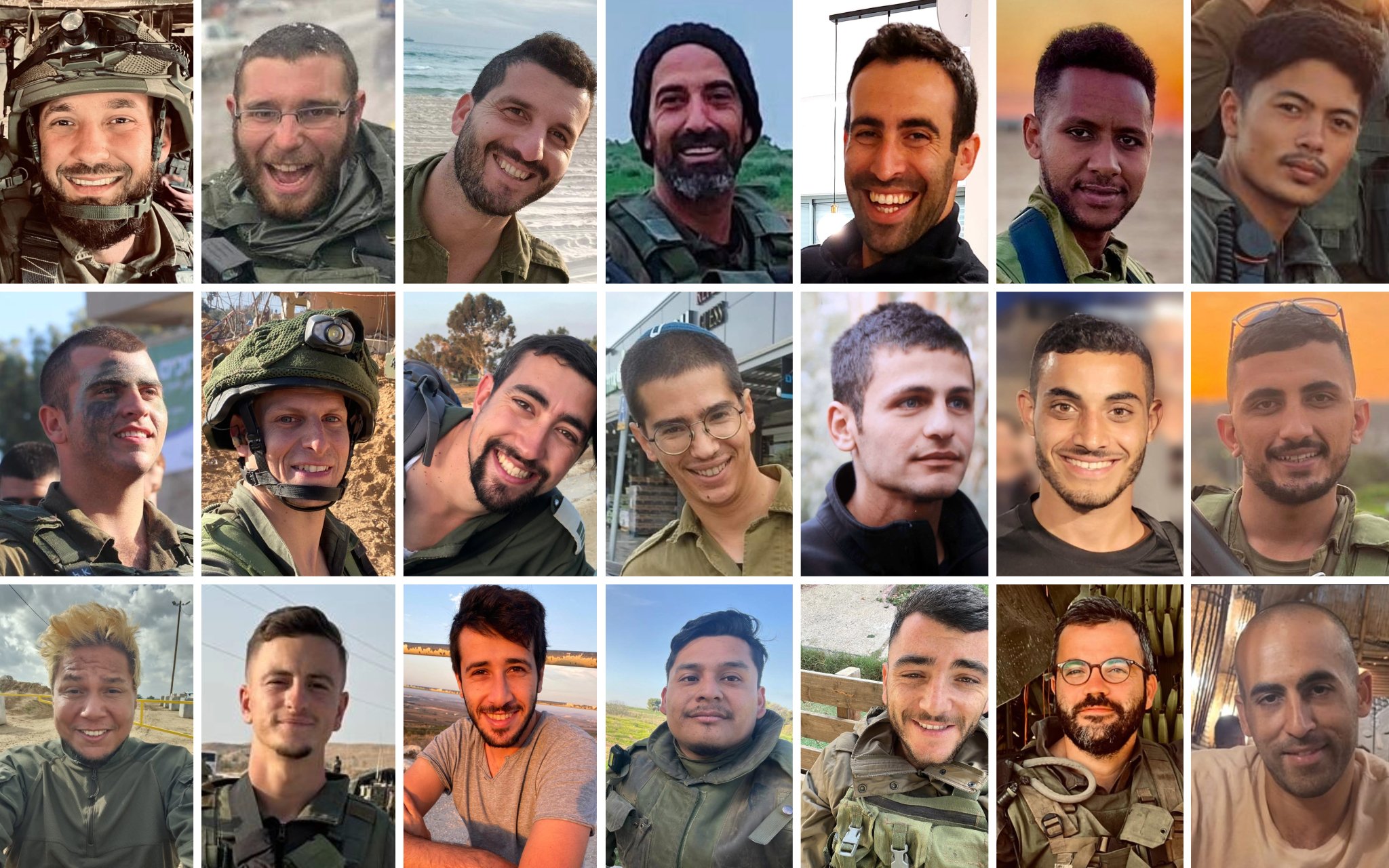
They represent a mosaic of Israel, with settlers and city-dwellers, religious and secular, native-born and immigrants – all fighting alongside each other. And dying alongside each other.
The unbearable sadness — the thought of hundreds of homes in Israel where time is now standing still — is an opportunity to stop, if just for a moment, and ask ourselves: Have we become, in recent years, a nation whose sons can no longer agree on common goals and are unable to live together – so that all we have left is to fight a common enemy and die together?
One of the fallen is Sgt. First Class (res.) Cedrick Garin, who was born in the Philippines and emigrated to Israel with his mother, who had traveled here in search of work. Cedrick’s first years in Tel Aviv weren’t easy: he felt unconnected, left school as a teenager and got involved in petty crime.
In one instance, policemen came to arrest him at his home, and Cedrick begged them not to handcuff him in front of his mother so as not to break her heart. It was a watershed moment, he said.
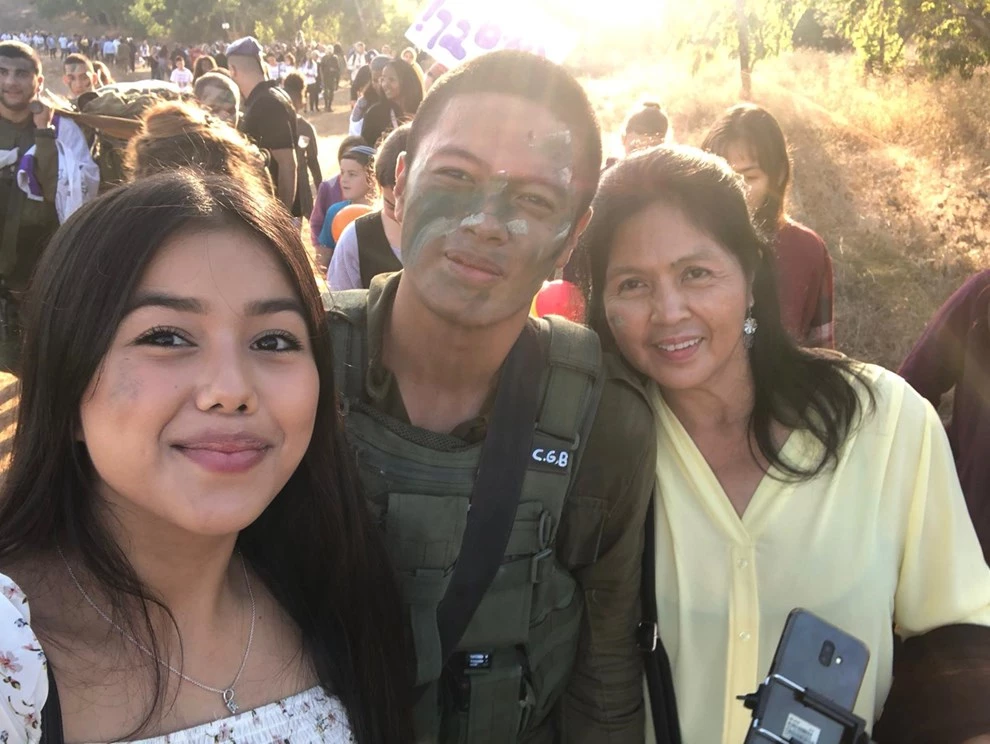
“I saw how much pain I am causing her and how lonely she is,” he recalled when he received a certificate of merit from the head of the Southern Command for his service as a fighter and commander in Givati. On Tuesday morning, his mother mourned his loss: “How will I cope with everything, now that you’re gone? I will miss you so much.”
Also killed along with Cedrick was Sgt. First Class (res.) Yuval Lopez, who was born in Peru and immigrated to Israel when he was six years old. He leaves behind a young widow and three girls, all aged under three, who will now have to grow up without a father. Two of Yuval’s brothers are also enlisted: one serves in Jenin, in the West Bank, and another is in Gaza.
And alongside Yuval fell Sgt. First Class (res.) Ahmad Abu Latif, from the Bedouin city of Rahat, who worked as a security guard at Ben Gurion University. Two months ago, he wrote on the university’s Facebook page:
I’m glad that I can invite my friends to Rahat to eat lamb and maklubah and that I can spend time at the back yard of friends from Kibbutz Shoval who play guitar and sing Yehudit Ravitz songs. I’m happy when I can travel this country with my friend and I’m happiest when they learn Arabic and try to speak Arabic with me and ask for my help.
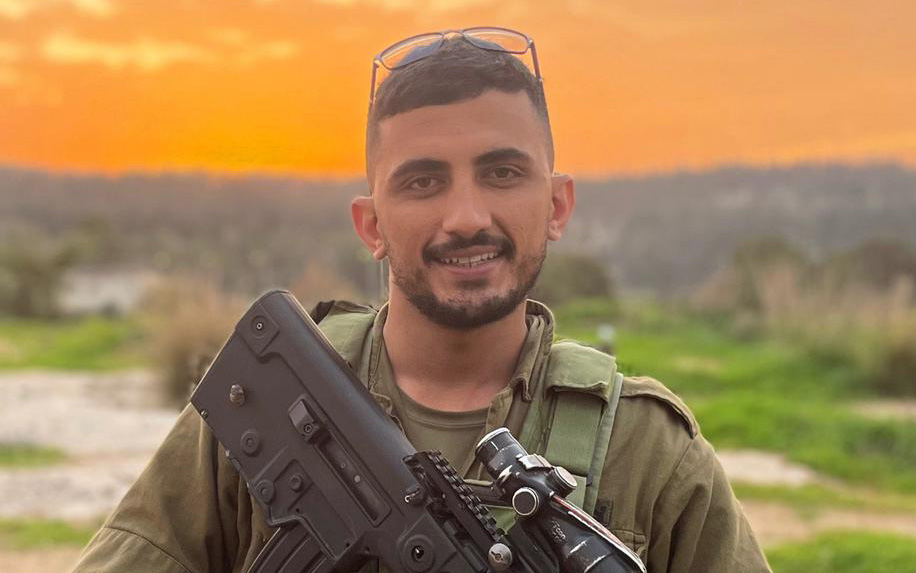
Abu Latif signed his post with these words:
We all share the same fate and we must live alongside each other. Sadly, there are some who do not believe in cooperation between sectors; who try to intimidate, incite and destroy trust among us. Don’t believe them, don’t let it happen.
Will we now know to follow his advice, or is it already too late?






The Times of Israel Community.