

After botched satellite launch, Iran plans second try at space shot in months
France joins condemnations of Tehran over failed launch, calls on it to comply with UN resolution barring tests of nuclear-capable technology
 Add ToI as a Preferred Source on Google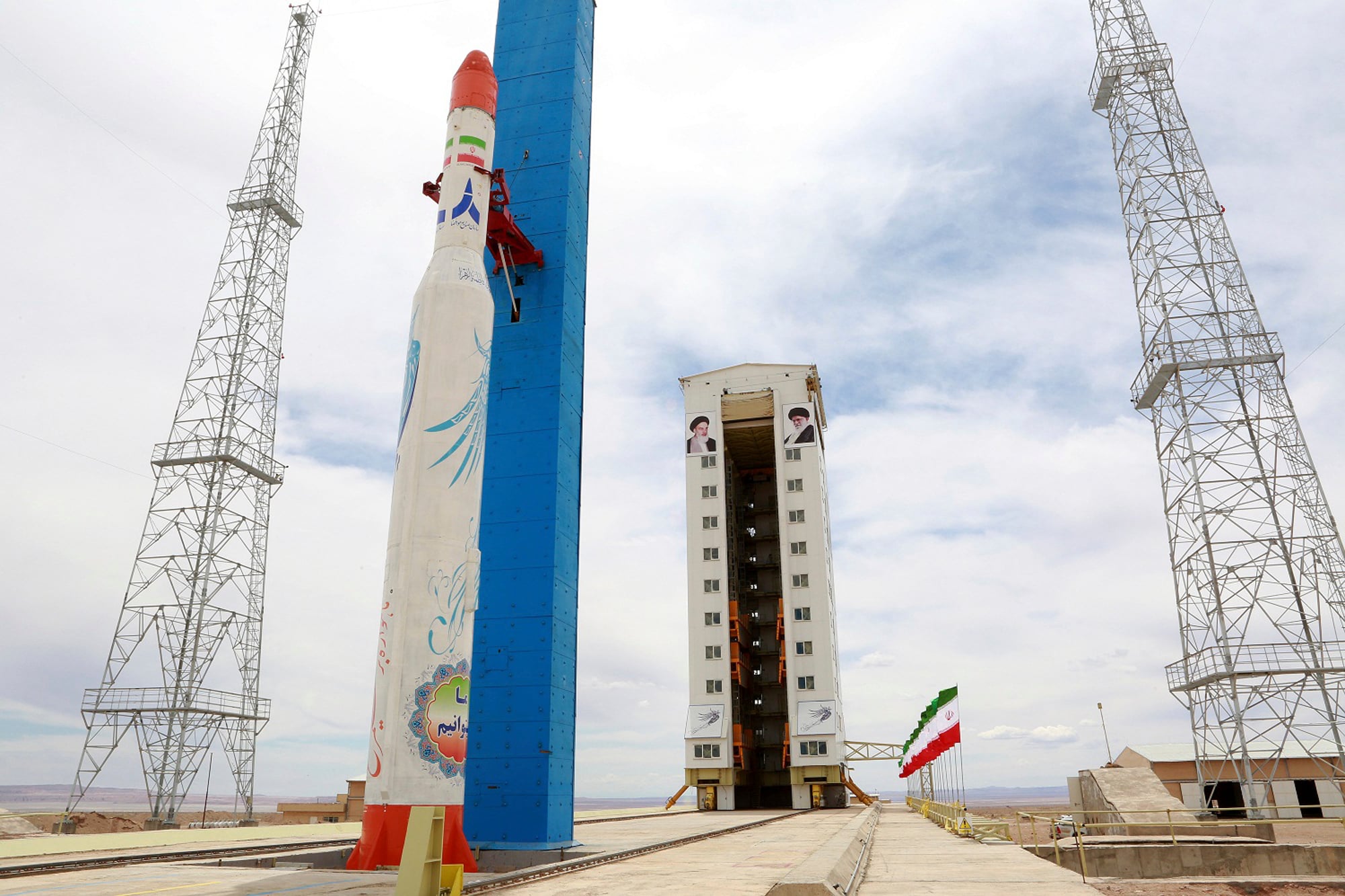
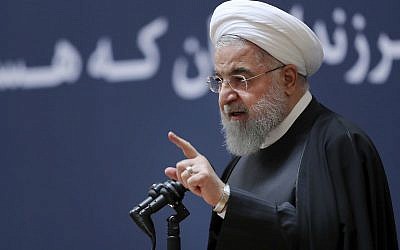
Iranian President Hassan Rouhani said Wednesday that Iran will be ready to carry out another satellite launch in the coming months, defying criticism from the West and Israel that it is using the tests to advance its missile program.
Despite a failed attempt to put a satellite in orbit on Tuesday, Rouhani said Iran has “achieved great success in building satellites and launching them. That means we are on the right track.”
“The remaining problems are minor, will be resolved in a few months, and we will soon be ready for a new launch,” state media reported Rouhani saying, according to Reuters.
Also Wednesday, France joined the US in condemning this week’s satellite launch and said it violated a United Nations Security Council resolution barring Iran from testing ballistic missiles capable of carrying nuclear warheads.
“We call on Iran to refrain from conducting any further launches of ballistic missiles designed to be capable of delivering nuclear weapons, including space launch vehicles, and urge Iran to comply with its obligations under the relevant UN Security Council resolutions,” the French Foreign Ministry said in a statement.
Iran had said that it plans to send two nonmilitary satellites, Payam and Doosti, into orbit. The Payam, which means “message” in Farsi, was an imagery satellite that Iranian officials said would help with farming and other activities.
It’s unclear how the failure of the Payam will affect the launch timing for the Doosti, which means “friendship.” Telecommunications Minister Mohammad Javad Azari Jahromi wrote on Twitter that “Doosti is waiting for orbit,” without elaborating.

The rocket carrying the Payam satellite failed to reach the “necessary speed” in the third stage of its launch, Jahromi said Tuesday.
Jahromi said the rocket had successfully passed its first and second stages before developing problems in the third. That suggests something went wrong after the rocket pushed the satellite out of the Earth’s atmosphere. He did not elaborate on what caused the failure, but promised that Iranian scientists would continue their work.
After Tuesday’s launch, Pompeo repeated his allegation that Iran’s space program could help it develop a missile capable of carrying a nuclear weapon to the mainland US, criticism that comes amid the Trump administration’s maximalist approach against Tehran after withdrawing from the nuclear deal.
Pompeo said that the vehicle that Iran tried to put into orbit uses technology that is “virtually identical and interchangeable with those used in ballistic missiles, including intercontinental ballistic missiles.” He said the US is working with its partners “to counter the entire range of the Islamic Republic’s threats, including its missile program, which threatens Europe and the Middle East.”
The reaction was relatively muted for a member of US President Donald Trump’s administration, which has ramped up pressure for months on Iran in hopes of crippling its economy and scaling back its influence in the region.
In Israel, Prime Minister Benjamin Netanyahu promptly slammed Iran over the launch, accusing Tehran of lying and alleging that the “innocent satellite” was actually “the first stage of an intercontinental missile” Iran is developing in violation of international agreements.
Iran, which long has said it does not seek nuclear weapons, maintains its satellite launches and rocket tests do not have a military component. Tehran also says they don’t violate a United Nations resolution that only “called upon” it not to conduct such tests.
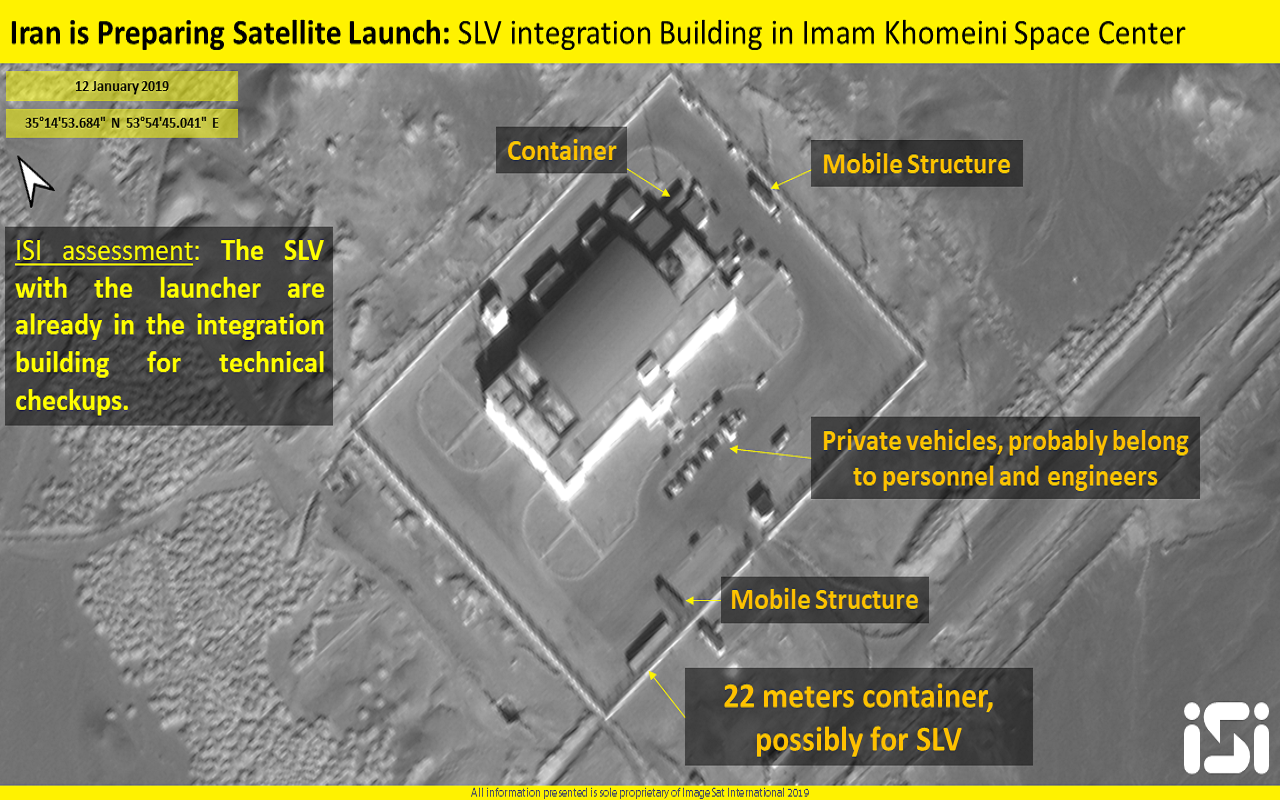
Over the past decade, Iran has sent several short-lived satellites into orbit and in 2013 launched a monkey into space.
Iran usually displays space achievements in February during the anniversary of its 1979 Islamic Revolution. This year will mark the 40th anniversary of the revolution amid Iran facing increasing pressure from the US under the administration of Trump.









The Times of Israel Community.