

Arab Israeli charged with planning TA bus bombing, teaching IS how to make nerve gas
Anas Haj Yihya allegedly intended to blow up bus full of soldiers on Dizengoff Street on behalf of Islamic State
 Add ToI as a Preferred Source on Google
Judah Ari Gross is The Times of Israel's religions and Diaspora affairs correspondent.
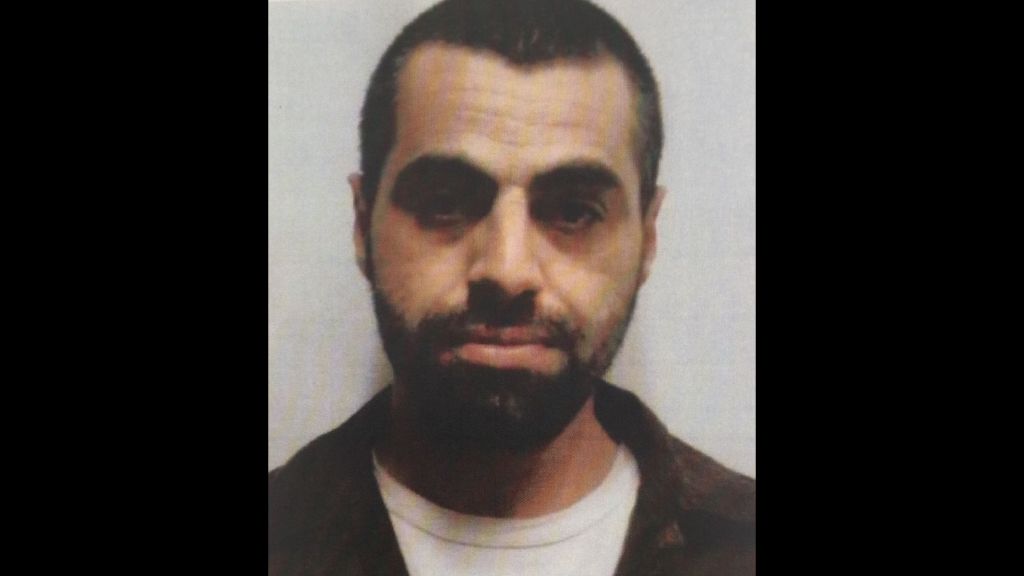
An Arab Israeli man was charged with planning terror attacks on behalf of the Islamic State group, including bus bombings directed against IDF soldiers, according to an indictment filed against him on Monday. He also allegedly distribute information to IS members on how to create a deadly nerve gas.
The suspect, Anas Haj Yihya, was charged in a Tel Aviv court with belonging to a terrorist organization and with multiple counts of contact with a foreign agent.
In May, one of Yihya’s Islamic State contacts, Muhammad Abdel Rawi, told him to carry out attacks against soldiers, including blowing up a bus filled with soldiers on central Tel Aviv’s Dizengoff Street, which he agreed to, according to the charge sheet.
Three months later, Yihya apparently attempted to create an explosive device, asking a gardener to get him fertilizer, but his request was denied, according to the indictment.
Yihya also allegedly used the Telegram messaging application to distribute information to IS members on how to create sarin gas, a deadly nerve agent, how to manufacture explosive belts and bombs with cellphone triggers, and which poisons can be added to explosives in order to make them more lethal.
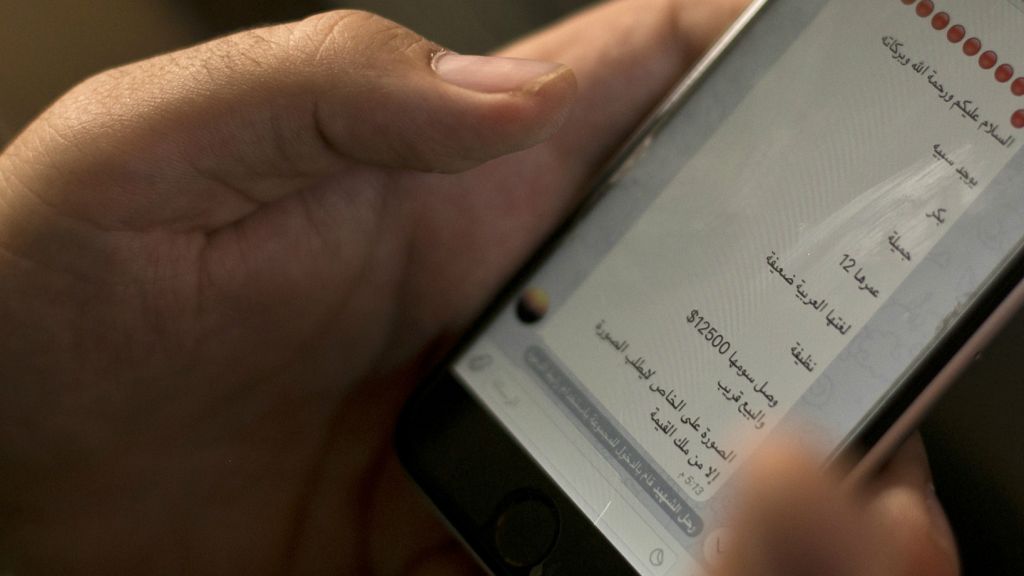
Yihya, 35, was arrested on January 29 in a joint operation of the Shin Bet and Israel Police, but details of the case were kept under a gag order until the indictment was filed Monday, the Shin Bet said.
Upon searching his house, investigators found pictures of military gear and improvised explosive devices, as well as the “Detailed Guide for Jihadi Fighters,” a manual used by Islamic State terrorists, the Shin Bet said.
He comes from the Arab Israeli town of Tayibe in central Israel, which is not to be confused with the West Bank Palestinian village of the same name.
[mappress mapid=”6096″]
The suspect made contact with other IS agents through internet forums throughout 2016 and early 2017, according to the indictment.
One of these identified himself as “Ibn Aldawlah,” an Islamic State member in the Gaza Strip. According to the indictment, Ibn Aldawlah tried to convince Yihya to travel to Syria in order to fight with the terrorist group there.
The two also allegedly discussed tactics for carrying out terror attacks in Israel, and on January 26, Yihya sent Ibn Aldawlah some NIS 1,700 ($460) through Western Union to help him free his wife from prison in Gaza, according to the Central District Attorney’s Office, which is prosecuting the case.
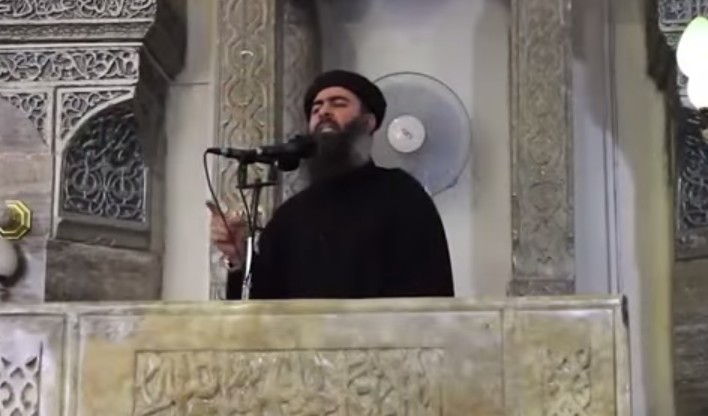
It was on these online forums that Yihya formally pledged his allegiance to the Islamic State and its leader Abu Bakr al-Baghdadi, the Shin Bet said.
“The Shin Bet sees Islamic State supporters in Israel as a serious security threat, and will use all the measures at its disposal in order to address that threat and bring all those involved to justice,” the agency said.
Last month, two men from East Jerusalem were sentenced to prison terms for planning a 2015 bomb attack on Israeli security forces in the name of the Islamic State terror group. Mouasab Elian, 23, and Samir Abed Rabbo, 38, both of the Sur Baher neighborhood in East Jerusalem, were convicted by the Jerusalem District Court in November. On January 30, the court sentenced Elian to 10 years in prison, and Rabbo to nine.
Though the Islamic State is believed to have a notable presence in the Gaza Strip, the group does not have widespread support among Muslims in Israel and the West Bank. The Shin Bet has estimated that approximately 50 Arab citizens of Israel have traveled to Syria or Iraq to join the group in recent years.
Times of Israel staff contributed to this report.





The Times of Israel Community.