

As Arab parties answer call for unity, Ra’am seeks to retain role as coalition kingmaker
Factions look to reunify as ‘Joint List’ so as to pool power for community wracked by deadly crime, but Islamist party wants to keep its plans to expand its base and return to government
 Add ToI as a Preferred Source on Google
Tal Schneider is a Political Correspondent at The Times of Israel
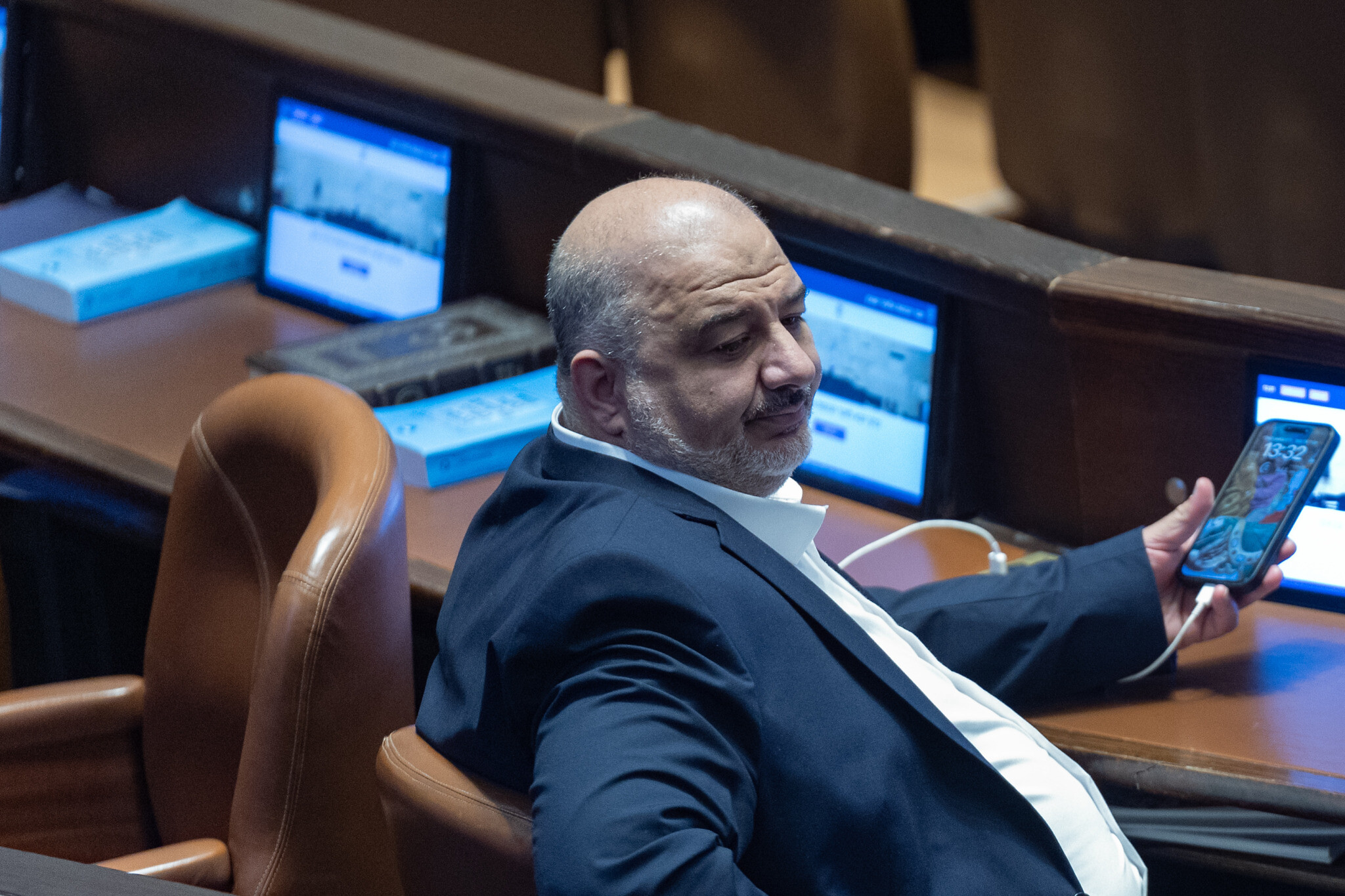
Until a few days ago, the leadership of the Ra’am political party was opposed to uniting with the three other major Arab factions to form a single slate in upcoming Knesset elections.
Ra’am, a conservative religious party, had united with the communist-led Hadash, the secular-nationalist Ta’al, and the anti-Zionist Balad in 2015 as a strategic response to the threshold for entering the Knesset being raised to 3.25 percent of the vote, more than the parties typically garnered on their own.
The move injected newfound enthusiasm for electoral politics into the Arab street, and the unified slate garnered enough support — 13 seats — to become the third-largest party in the 120-member Knesset.
Unlike the other three parties, though, Ra’am wanted to use that power for something other than sitting in the opposition, and eventually split off to seek a seat at the government table, which it found when joining the Naftali Bennett-Yair Lapid coalition in 2021-22.
Now, as the four parties representing a fractious mix of ideologies again pursue unification, Ra’am’s reluctance stems from that same tension.
For Ra’am’s leaders, despite all the benefits that may come with forming a united political force, doing so will make it more difficult to run an independent campaign calling for integration into a governing coalition – any coalition, including one led by Prime Minister Benjamin Netanyahu’s Likud.
Mansour Abbas, who heads Ra’am, is focused on building influential political power that will change the reality for Israel’s Arab minority, and is willing to sit with the right-wing Likud to get it done, even if it means swallowing countless insults.
He rejects the idea of Arab parties supporting a government from the opposition, as some centrists have proposed, insisting that he must be a full member of the government if he hopes to bring beneficial change for his constituency.
Ra’am ran on its own in 2021 (winning four seats) and 2022 (winning five seats, the same number as Hadash and Ta’al’s joint list. (Balad, which also ran alone in 2022, fell below the threshold.) When Israelis head to the polls again, in October at the latest, Abbas believes Ra’am could grow to six seats, and until recently, the party had even been scouting for a Jewish candidate to join its slate and broaden its appeal.
Ra’am, it seems, would be the last party to even entertain getting the Joint List gang back together again.
Technical union
But everything changed on Thursday.
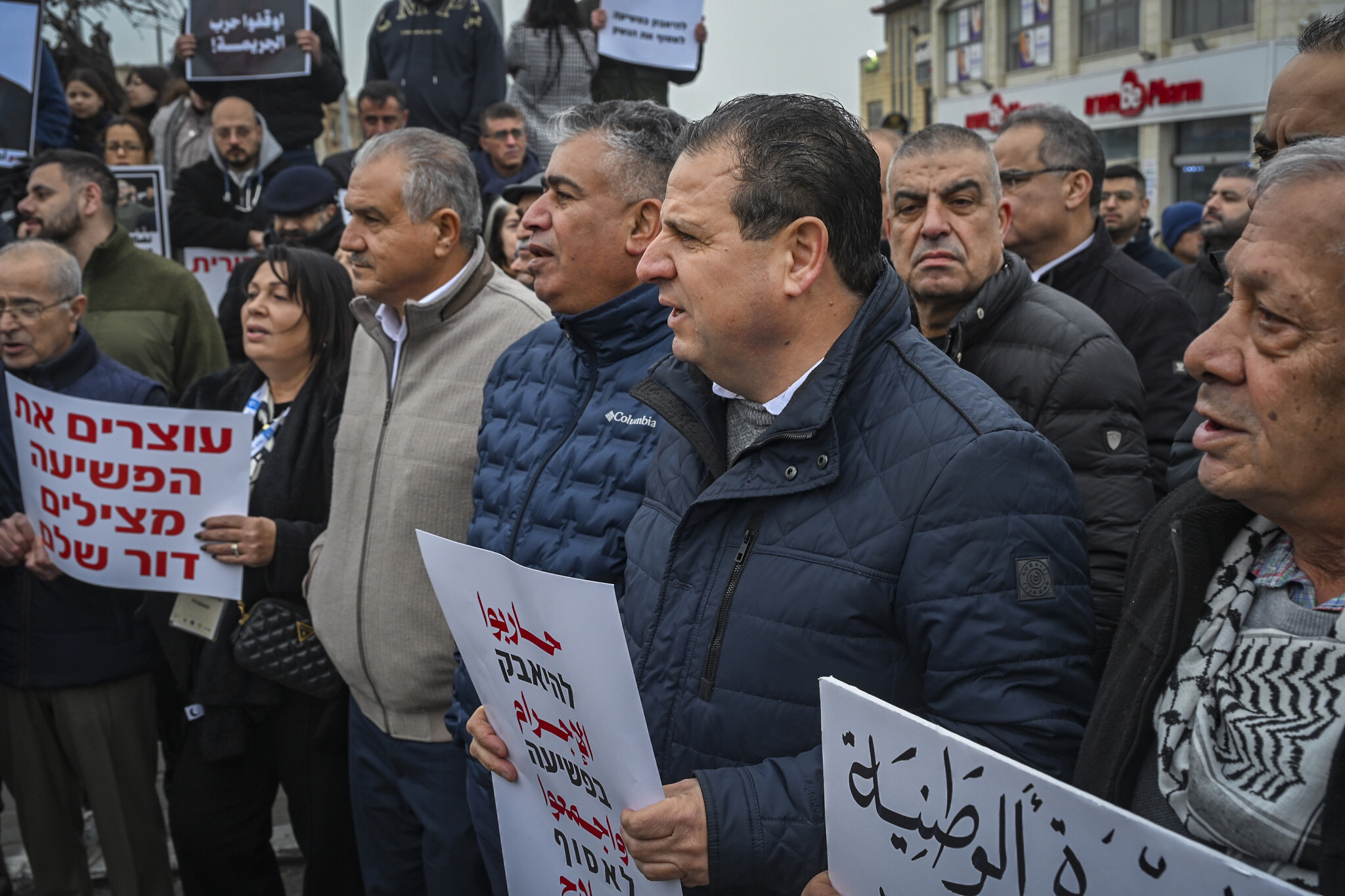
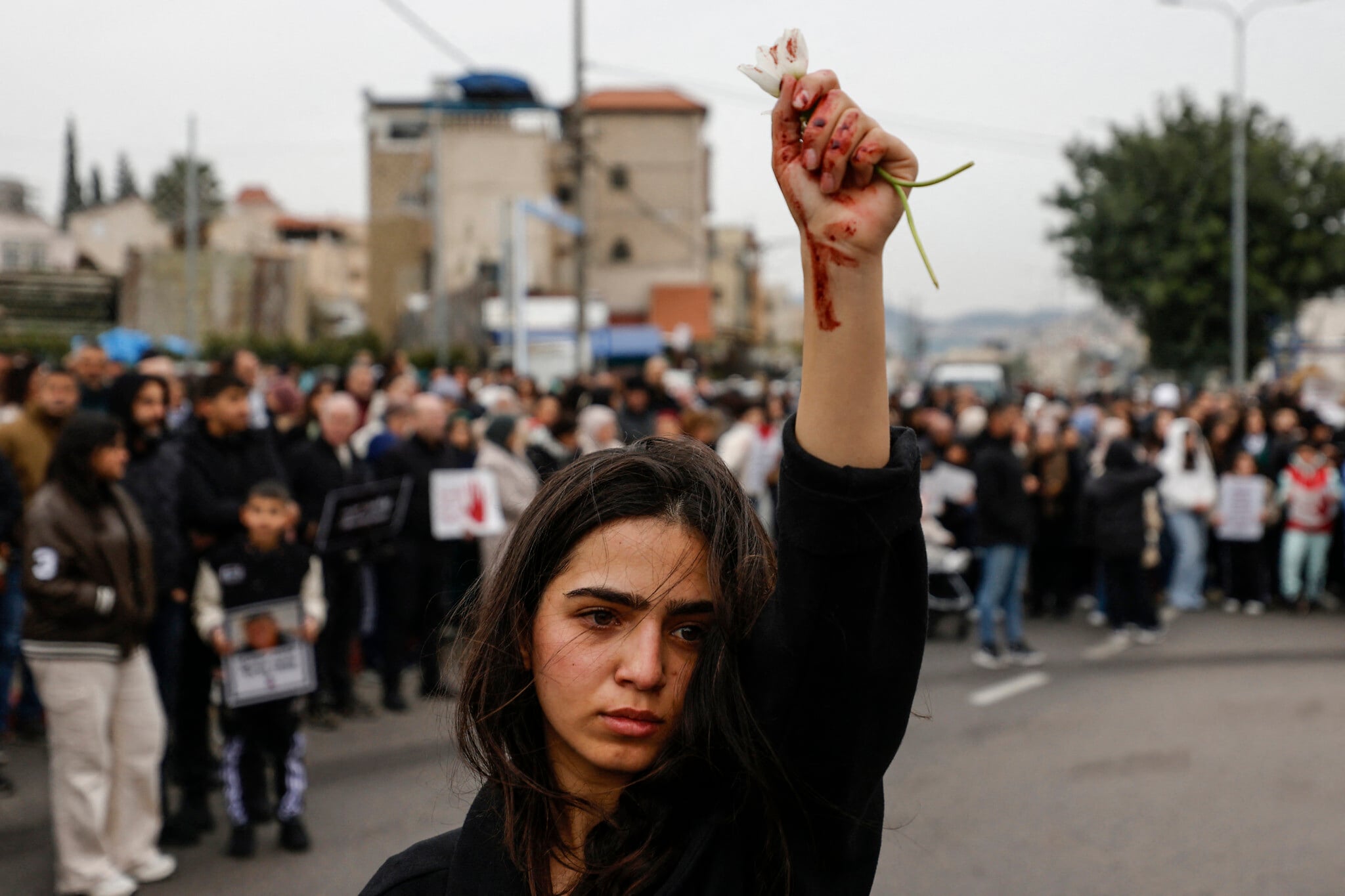
With a crime wave that claimed 252 lives in the Arab community in 2025 not only persisting but seemingly growing, tens of thousands of protesters turned out in the northern city of Sakhnin to demand that those in power take action, and Arab businesses nationwide held strikes to protest the violence.
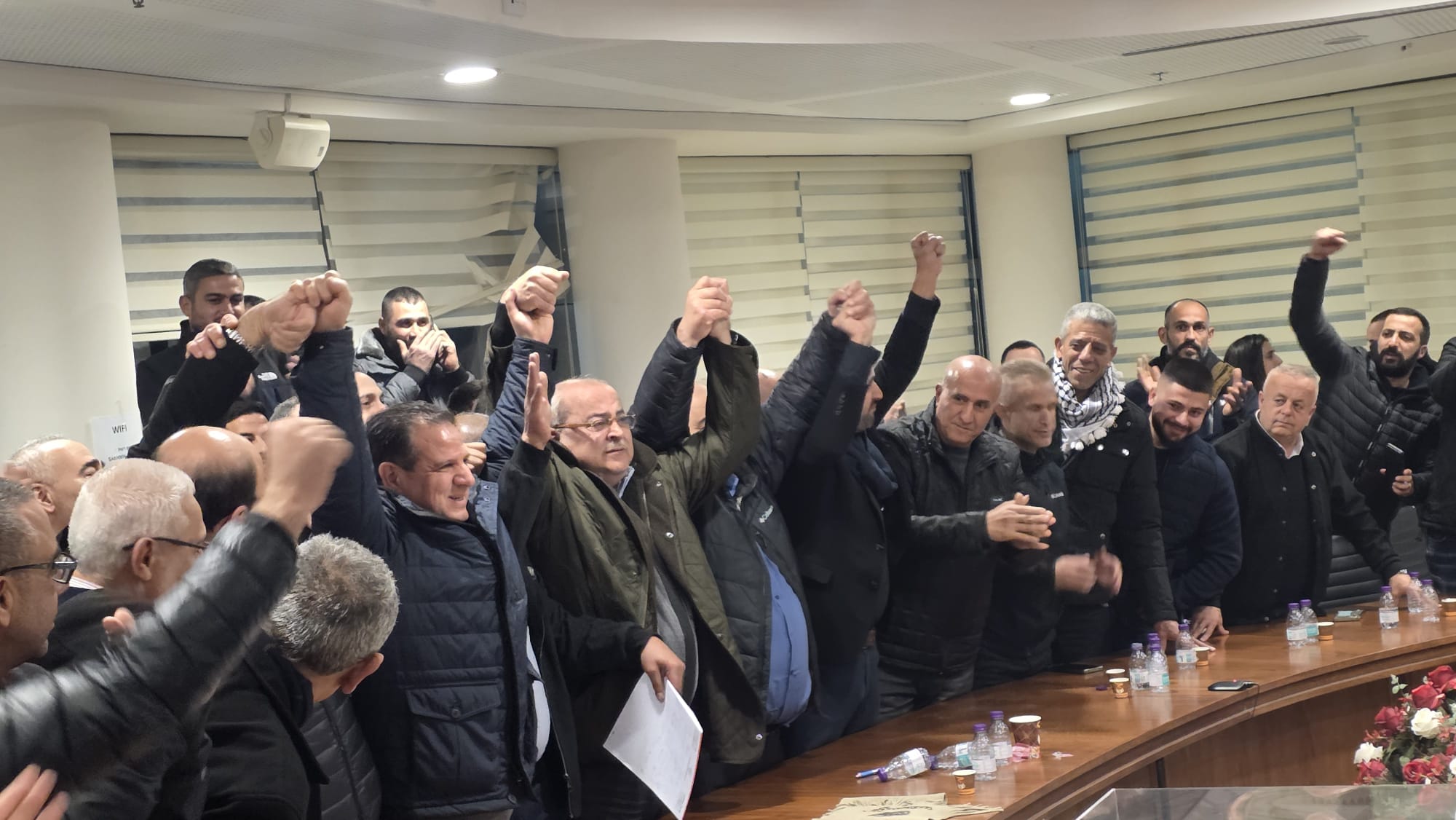
The powerful show of collective action helped heap pressure on the four Arab parties to address the community’s internal crime wave by working together, and that evening, the parties declared they would work toward unification.
As shown in the past, unification is the best way to ensure all four parties enter the Knesset and maximize their influence, given the relatively high 3.25% threshold.
Abbas, however, has conditioned joining on the alliance being a technical union that limits cooperation to forming a unified Knesset slate for the electoral campaign, with each party expected to split off as its own faction once in parliament.
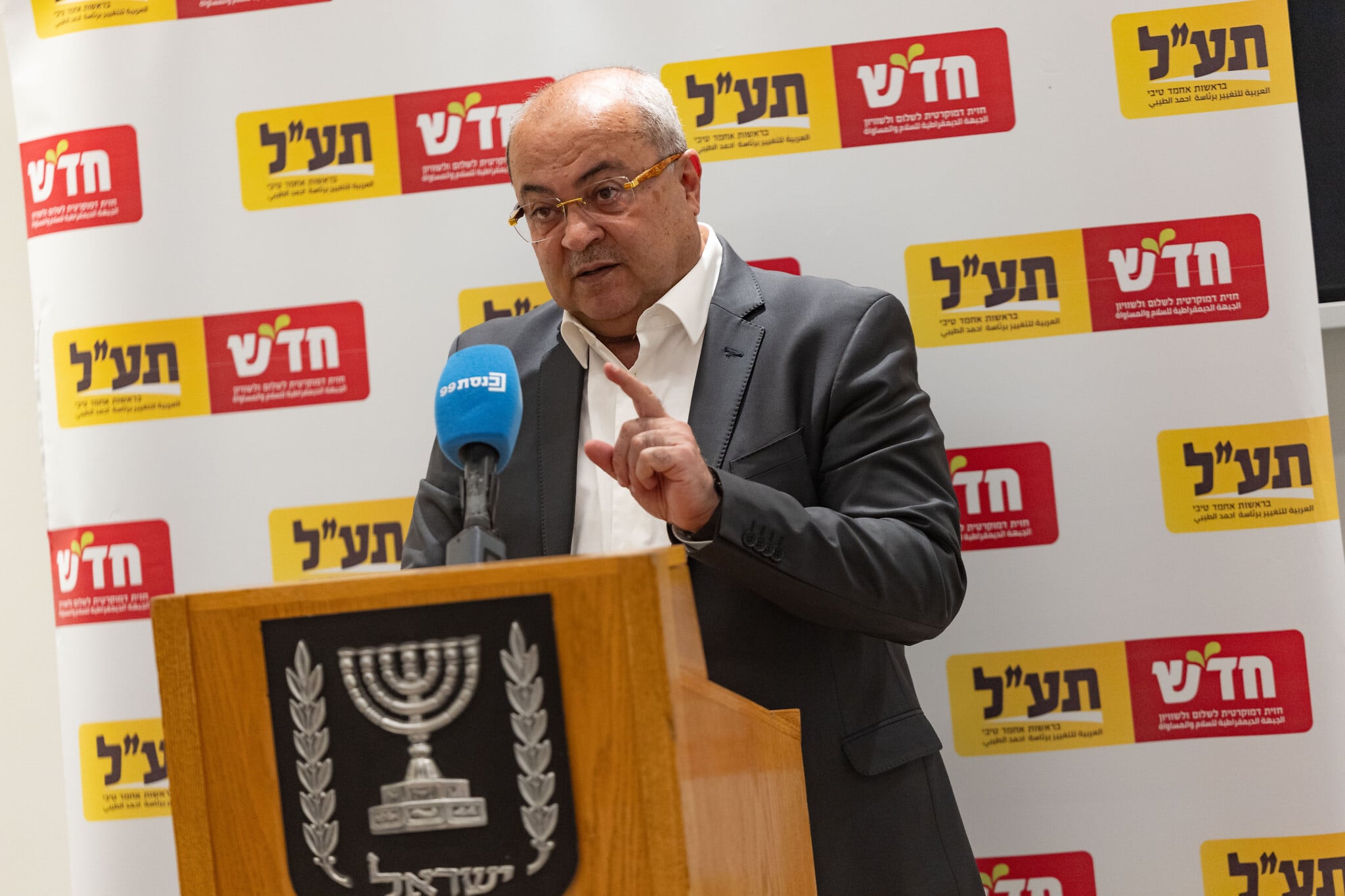
MK Ahmad Tibi, the veteran legislator leading Ta’al, confirmed these details on Channel 12’s Meet the Press program on Saturday.
“The list will be a technical matter,” he said. “No one will force the other to stay together.”
In the interview, Tibi projected that the Joint List could garner as many as 16 seats, one more than the all-time high it managed to snag in 2020. If the 21% of the population that is Arab turned out to the polls at the same rate as the country’s Jewish population, the party could probably garner as many as 20 seats, it is thought.
Arab voters tend to prefer a unified slate. In a poll conducted a few weeks ago for Zman Yisrael, the Times of Israel’s Hebrew-language sister site, the parties managed 11 seats separately, but 13 in a hypothetical joint run.
Even if the parties only run as a technical union, a number of questions remain to be answered. Chief among these is who will lead the list and how the seats will be divvied out. Even if the party garners 16 seats, Ra’am would only get four seats if they are divided evenly.
The parties, though, could decide to give Balad fewer seats due to its lower polling numbers.
The distribution of seats matters far beyond internal Arab politics. With polling showing a presumptive Netanyahu-led coalition neck and neck with a hypothetical government of parties from across the spectrum opposed to his rule, how many seats Arab parties get and how they use them could wind up determining whether the current prime minister holds onto power or is forced to give way again.
While Ra’am is largely open to joining any government, Hadash and Ta’al would likely only be open to considering supporting an anti-Netanyahu bloc, and probably only from the opposition. Balad, meanwhile, is opposed to supporting any Zionist-led coalition in any way.
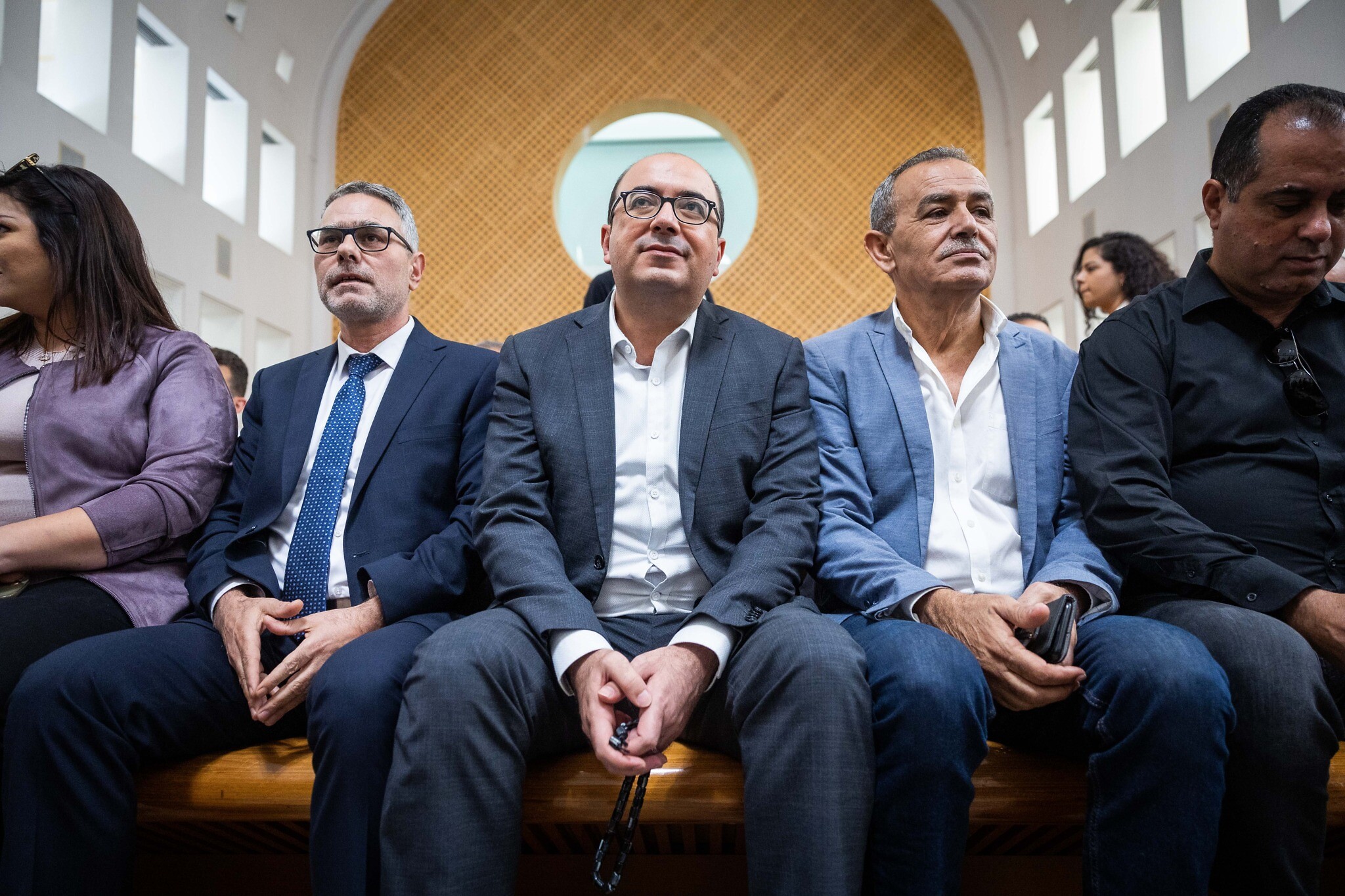
The hardline nationalist party rejects Israel’s identity as a Jewish state and is ostracized by nearly the entire political system. Including it in the Joint List could open the entire union to disqualification attempts due to Balad’s anti-Zionist platform. While the Supreme Court usually overturns these attempted bans, it is possible that this time the court will not hold the line.
But including Balad means being able to hold on to the approximately 2% of voters expected to cast ballots for the party, equal to around two seats, effectively smuggling support that would otherwise be lost into the Knesset.
Ra’am courts Jews
During his Meet the Press appearance, Tibi mentioned another issue with Abbas’s plan to wrangle a place in the government, referencing his inclusion in the Naftali Bennett-led coalition in 2021-2022, which opened that government up to endless attacks from the right that eventually helped bring it down.
“Even though the public knows Mansour Abbas wants to enter a government like he did with Naftali Bennett, the problem is that the Jewish parties don’t want him – true or false? The only one who openly wants him is Yair Golan,” said Tibi, name-checking the head of The Democrats, as the left-wing Labor-Meretz merger is known.
Ra’am, though, is not the same as it was in 2021.
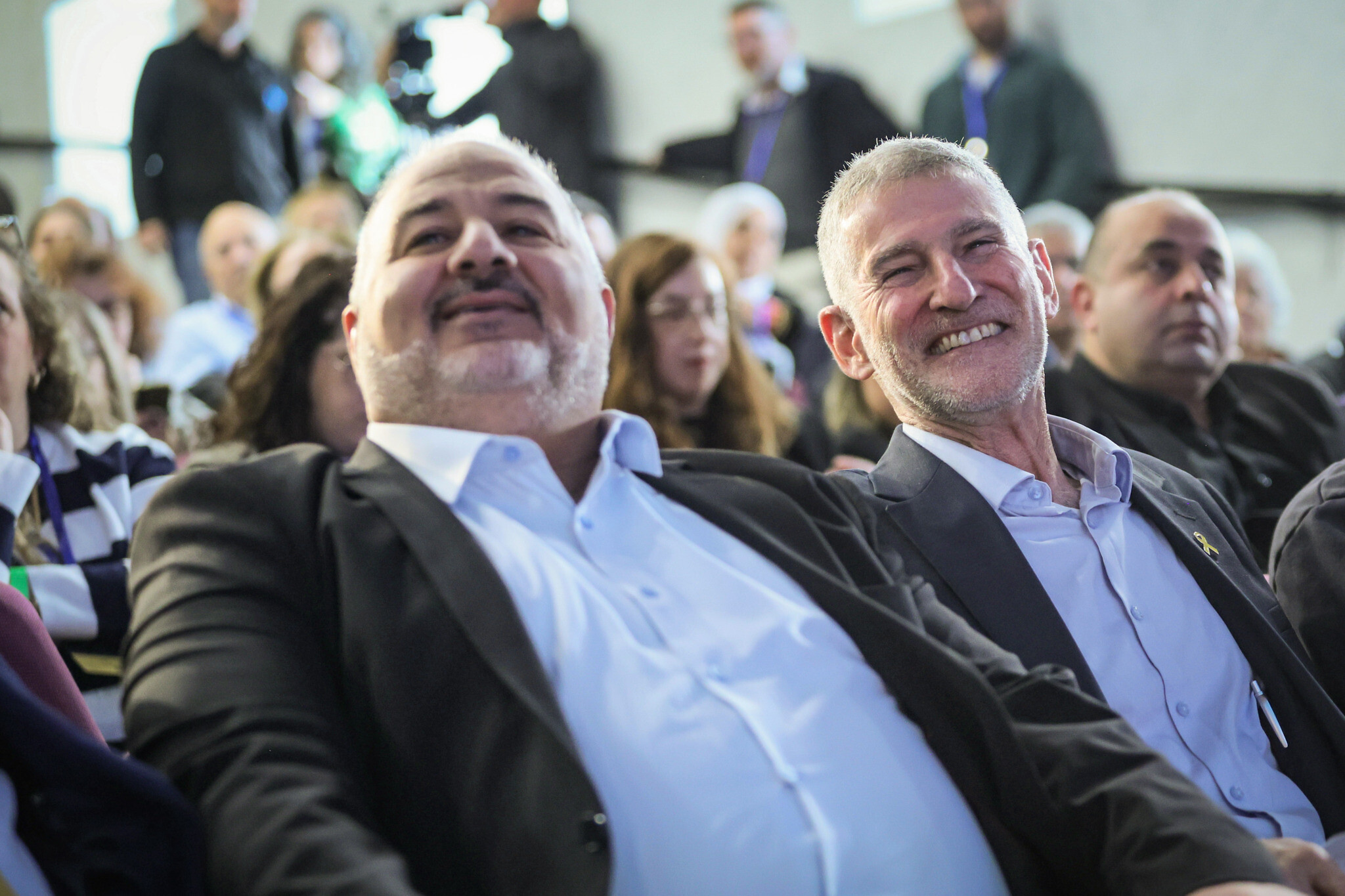
A few weeks ago, Abbas announced that the party is set to detach from the Shura Council, the supreme religious advisory body of the Islamic Movement, which has historically held veto power over the party’s political decisions. This is a dramatic shift for a party founded 30 years ago as the political arm of the movement’s Southern Branch.
Abbas maintains he remains loyal to the principles of the movement’s founder, Sheikh Abdullah Nimr Darwish, but seeks to build Ra’am as a broader civic party to increase its electoral power.
In his view, separating from the council is necessary to broaden support among more diverse demographics within Arab society, and even to attract Jewish voters.
That strategy may be shunted to the side if the party approves a joint run with the Joint List at its convention in March, and it’s also unclear whether any Jewish voters would back his party in any case.
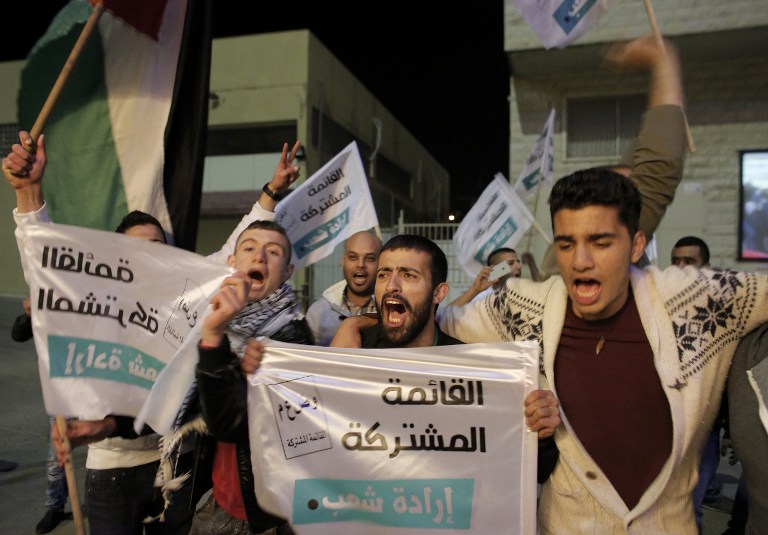
A few days ago, Abbas told Zman Yisrael that he was searching for a candidate who would serve as a representative of Jewish society within his Islamist party.
“There are several people I consider worthy; I haven’t checked the polling on them yet,” Abbas said.
In a recent interview with A-Nas Radio, Abbas was asked whether Yoav Segalovitz might be an example of his ideal candidate.
“Yes, that is exactly the model,” he replied.
Segalovitz is a former police major general who served as deputy public security minister in the previous government. He is a member of the centrist Yesh Atid party and has no intention of defecting.
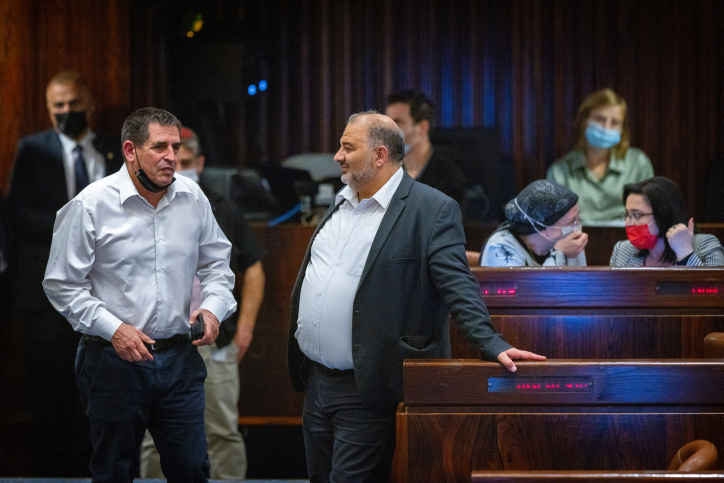
However, Abbas’s endorsement highlights what the Ra’am leader is looking for: a figure popular in Arab society for their practical work, who is also well-known to the Jewish public. Ideally, this would be someone with a track record of fighting crime – the number one issue for Arab voters.
Segalovitz won popularity among Israeli Arabs for his stewardship of a focused government task force that successfully reduced violence in the community during his tenure.
That trend reversed when the current government took power and National Security Minister Itamar Ben Gvir discarded its work.
Ra’am may have outperformed Hadash-Ta’al in the 2022 election, but in cities with mixed Jewish-Arab populations, it actually did significantly worse. The party’s base is among conservative Bedouin in the south, and has little to offer left-leaning Jews in urban centers who might vote for Communist Hadash.
The addition of someone like Segalovitz may appear aimed at appealing to Jews, but if anything it would likely help expand the party’s appeal among Arabs who are seeking an end to the deadly violence wracking their communities.
In some parts of the Negev, Ra’am received 98% of the vote from tribes in unrecognized villages — communities with no official standing, which often lack basic water and power infrastructure.
In the small town of Tarabin, though, he only got 58% of the vote, while 39% voted for Likud, after Netanyahu campaigned there and promised to tackle crime.

What the town got in return was weeks of military-style raids by heavily armed police ordered by Ben Gvir, including one incident in which cops shot and killed an allegedly unarmed man.
A candidate with a record of effective policing might not get Jews to go to the polls for Ra’am, but for Arabs under constant threat from criminals and largely unserved by police, a politician and former cop willing to do the work to end the violence could be just the ticket.








The Times of Israel Community.