

Beersheba college ordered to compensate educator fired over Oct. 7 social media posts
Kaye College to appeal decision after court finds that it didn’t respect Dr. Warda Sada’s academic freedoms, failed to pursue less drastic measures before firing her
 Add ToI as a Preferred Source on Google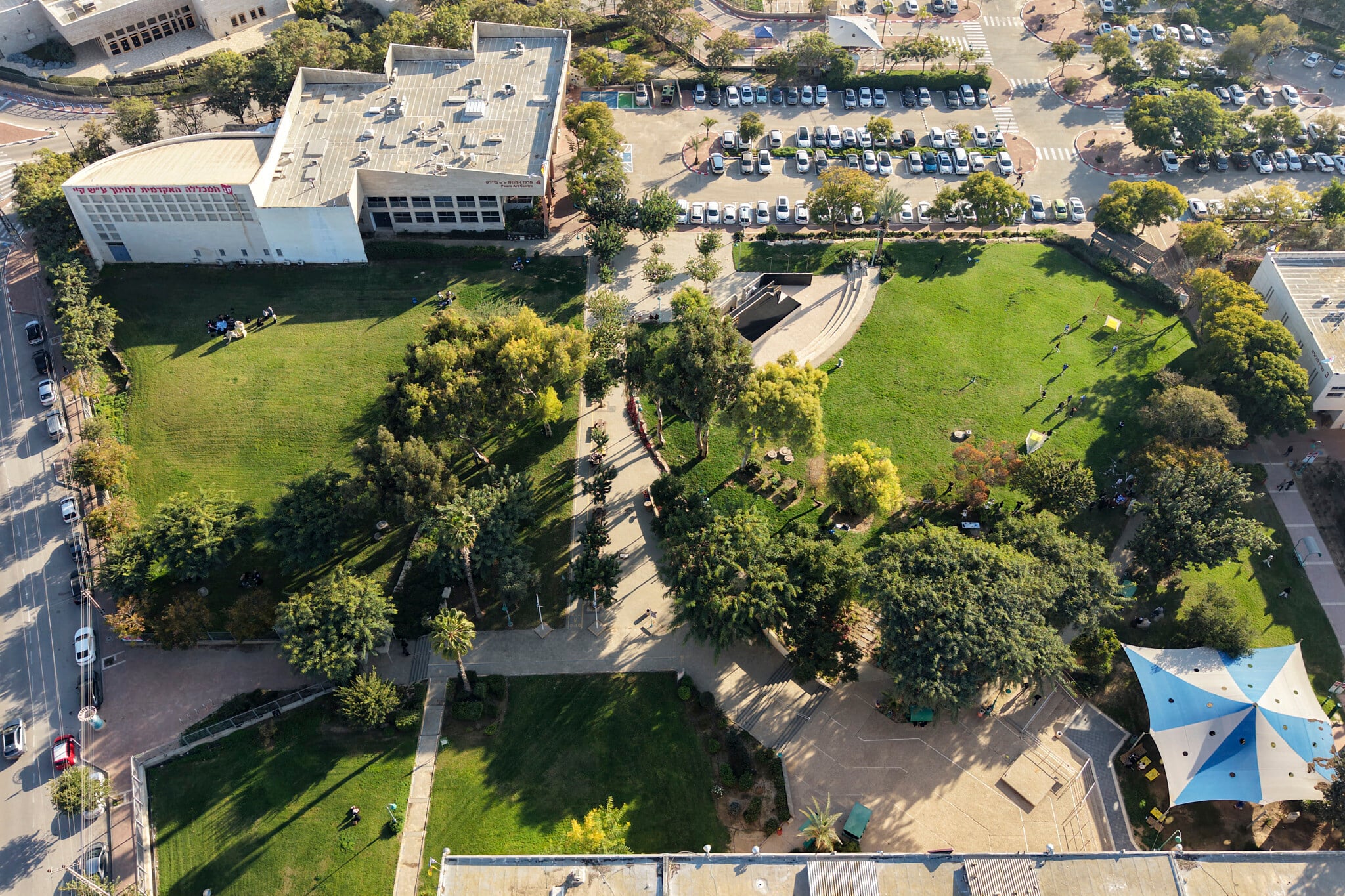
An Arab Israeli lecturer who was fired from her job in higher education over her posts on social media after the October 7, 2023, Hamas attack will be awarded NIS 200,000, or around $71,000, in compensation after a Beersheba court ruled last week that she was wrongfully terminated.
Dr. Warda Sada, an educator and activist for Palestinian rights, was fired from her lecturer position at the Kaye Academic College of Education after the school was alerted to posts uploaded to her Facebook page in the immediate aftermath of the massacre and in the early days of the war in Gaza.
The posts, which included accusations that Israel had created the conditions for the onslaught through its treatment of Palestinians, were deemed by the college to be pro-Hamas, and Sada was suspended from her position on October 15 and subsequently fired.
She sued the college for wrongful termination, a position that the Beersheba Labor Court ultimately agreed with earlier this month, citing in its ruling her right to academic freedom and freedom of speech, as well as Kaye College’s decision to fire her without first pursuing less drastic action.
The court also found that the college failed to take into consideration Sada’s seniority, given that Kaye College had employed her for 28 years, the Haaretz daily reported.
On Sunday, however, local news site Beersheba Net reported that the teacher training college would appeal the ruling.
“The college respects the values of freedom of expression and academia, but believes that limits must be imposed when serious things are said about IDF soldiers, while a terrible massacre is taking place, among the victims of which were faculty members and students of the college,” it said in a statement carried by the media outlet.
The college claimed in its statement that it had rushed to fire Sada without first pursuing other avenues due to the “national emergency” that had engulfed Israel, and because there were no preexisting protocols for how to approach “such a serious case.”
It claimed that during Sada’s disciplinary hearing, the lecturer had declined to withdraw her statements and refused to condemn Hamas as a terror organization.
Varda was fired from her job as a lecturer because of a social media post in solidarity with the children of Gaza and against the war.
Political persecution of Palestinian citizens of Israel has been running rampant since the start of the war, and the attempts to silence… pic.twitter.com/3B0p3fxOrR
— עומדים ביחד نقف معًا Standing Together???? (@omdimbeyachad) December 12, 2024
Among Sada’s posts was one that, according to Haaretz, portrayed the October 7 onslaught, in which some 1,200 people were killed and 251 were taken hostage, as an act in which “the occupied rise up against ongoing cruelty and daily acts of murder.”
Other posts called the IDF a “terrorist army,” the Walla news outlet reported, and urged Israelis to refuse to enlist in the military.
Sada later claimed to Haaretz that she had been unaware of the scope of the Hamas attack when she uploaded the posts.
The court, in its ruling, said the college had not taken Sada’s explanation into consideration.
Although the Beersheba Labor Court ultimately ruled in Sada’s favor, it criticized her for failing to take responsibility for her actions and only granted her a portion of the compensation package she had sued for — the equivalent of eight months of lost salary, rather than the two years she had requested, as well as NIS 50,000 for mental distress and damages and NIS 20,000 in legal fees.
“Like the college, which dug its heels in, the plaintiff also displayed no sensitivity and did not take responsibility for the mistakes she made,” the ruling read.
Sada’s case was one of several instances in which educators in Israel came under fire — and in some cases were arrested — for statements deemed to be supportive of Hamas or critical of Israel’s actions in Gaza during the two-year war in the enclave.
In November 2024, the Knesset passed a law allowing the Education Ministry to fire teachers who publicly identify with an act of terrorism, drawing immediate condemnation from human rights advocates who petitioned the High Court of Justice over the bill.
In January, the court ordered the state to justify why the law shouldn’t be repealed, giving it until the end of April to respond.






The Times of Israel Community.