

Knesset advances bill criminalizing interference with Orthodox religious practices in public
Coalition bill also requires civil court judges to pass test on Jewish law, though that clause expected to be nixed; MKs also vote for legislation stripping chief justice of authority to staff judicial panels
 Add ToI as a Preferred Source on Google
Sam Sokol is a former political correspondent at The Times of Israel. He was previously a reporter for the Jerusalem Post, Jewish Telegraphic Agency and Haaretz. He is the author of "Putin’s Hybrid War and the Jews"

The Knesset voted 49-35 on Wednesday afternoon to advance a controversial bill on the “Realization of Jewish Identity in the Public Sphere” that aims to ensure the ability of Israelis to “express their national and religious identity,” prompting critics to accuse the government of engaging in religious coercion.
The legislation, sponsored by Likud MK Galit Distel Atbaryan and Otzma Yehudit MK Yitzhak Kroizer, mandates the installation of mezuzahs in public institutions, criminalizes interfering with Jewish Orthodox religious practices in public spaces, and requires civil court judges to pass tests proving their knowledge of Jewish religious law. That last clause, however, is likely to be removed during upcoming deliberations.
Having passed its preliminary reading, the bill was set to advance to committee for preparation for the first of three readings needed for it to pass into law.
It states that its purpose is to allow Jewish Israelis to observe Jewish law, “as commanded by the Creator of the world, according to the custom of their ancestors” and “without fear of interference or persecution by those in authority.”
Public rituals such as wrapping tefillin and prayer would be legally protected according to the new legislation, and any interference with them — including minor bureaucratic obstacles — may be considered a criminal offense.
Some of these practices have become battleground issues, most notably in September 2023 when Orthodox worshipers defied a municipal ruling and set up gender dividers at mass Yom Kippur prayer services in Tel Aviv’s Dizengoff Square, sparking an angry response from liberal activists that highlighted the deep societal tensions over public expressions of religious practice and gender segregation.
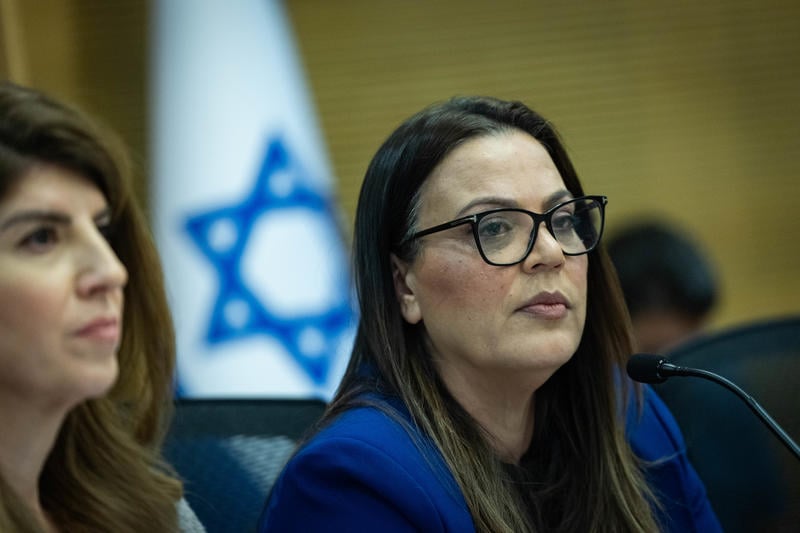
The most controversial clause of the bill calls for civil judges to pass exams on halacha, or Jewish law, in order to serve on the bench in secular courts, and designates the Grand Rabbinical Court the sole authority for disputes related to Distel-Atbaryan’s bill.
It states that once the law comes into force, no judge will be appointed without passing such a test, giving the rabbinate an effective veto over the appointment of judges.
That clause was opposed by the Ministerial Committee for Legislation and is likely to be removed during committee deliberations, with Distel Atbaryan telling opposition lawmakers during a heated Knesset debate that these sections would be amended going forward.
While rabbinical courts are part of Israel’s judiciary, handling personal legal matters such as divorce, wills and inheritances, and conversions to Judaism, they have no jurisdiction over civil courts.
The bill has drawn criticism from opposition politicians, religious freedom advocates and, according to Hebrew media reports, Attorney General Gali Baharav-Miara.
Giving precedence to the Orthodox
The bill appears to prioritize Orthodox interpretations of halacha, stating that in synagogues or educational institutions those in authority “may require that the prayer be held according to the custom of the local Jews.”
It also defines Jews as “a person whom the Chief Rabbinate of Israel recognizes as Jewish for the purposes of marriage under Israeli law,” excluding Reform and Conservative converts.
In June, Distel Atbaryan ordered Labor MK Gilad Kariv, a Reform rabbi, removed from a meeting of her Subcommittee on Jewish Thought in the Education System, snapping that “the Jews here want to continue.”
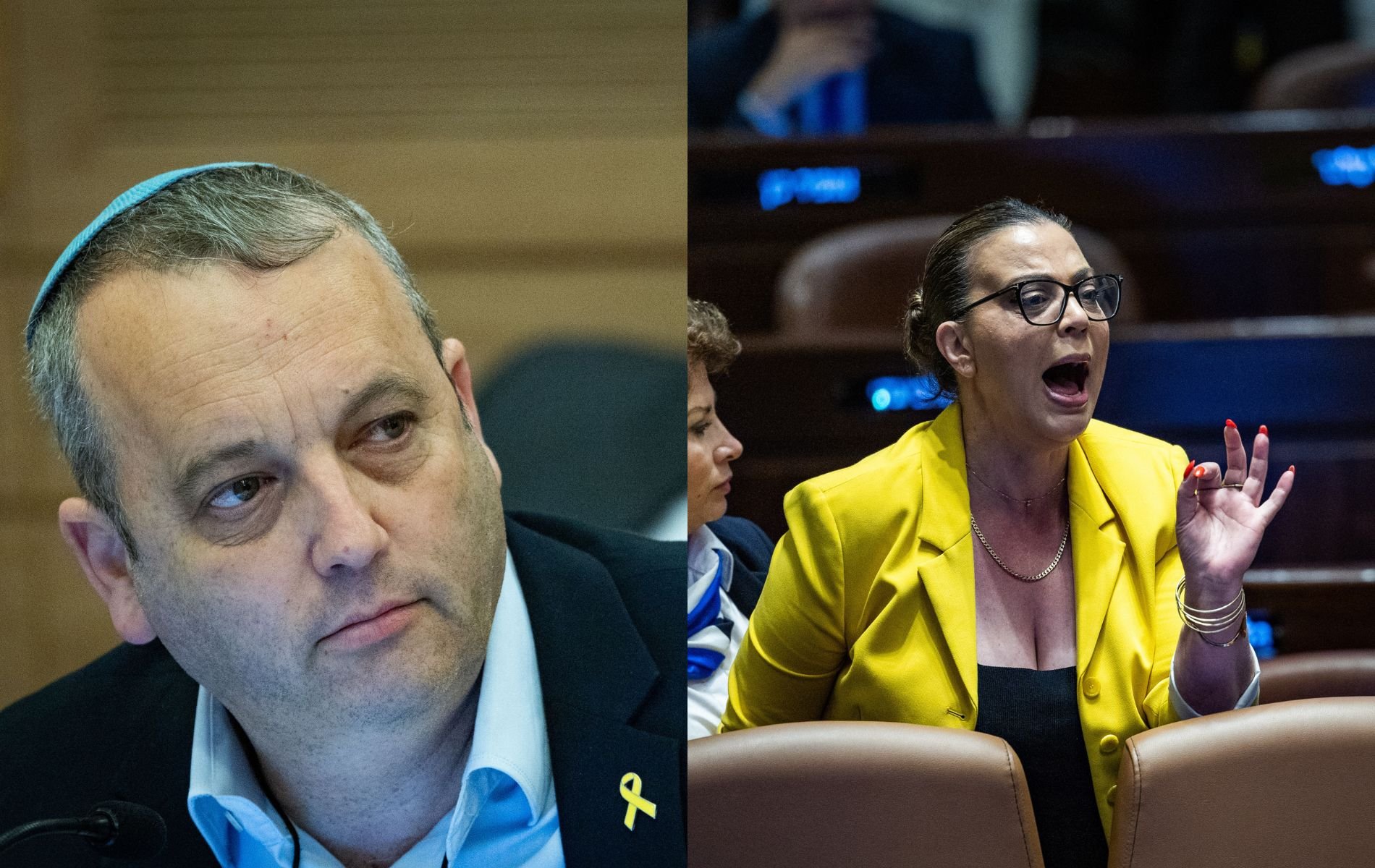
“The most extreme government in Israel’s history continues to show us all what it considers most urgent above all else: poking a finger in the public’s eye, encouraging conflict and discord, and avoiding, heaven forbid, dealing with the major issues that truly affect the public in Israel,” Uri Keidar, the chair of the Israel Hofsheet religious freedom advocacy group, told The Times of Israel.
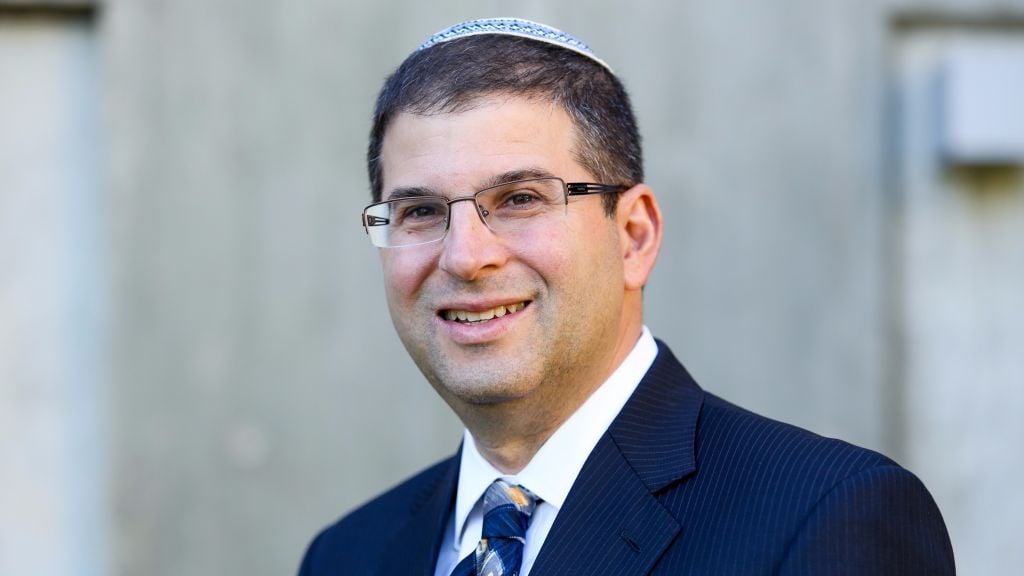
Seth Farber, an Orthodox rabbi who serves as director of the ITIM nonprofit, which helps Israelis navigate the country’s religious bureaucracy, agreed, alleging that the bill would “further undermine the Jewish ethos of the modern State of Israel,” arguing that it “turns Judaism into yet another point of contention between different segments of the nation.”
“Jewish life should be encouraged, and not coerced. In practice, the provision requiring that every prayer in the public sphere be approved is inconceivable. The authorities would have no discretion at all and would be obligated to approve every request for prayer; otherwise, they would be exposed to criminal charges,” he said.
“Moreover, even private organizations that receive state funding would be required to allow any passerby to enter their offices in order to pray. Imagine stopping a soccer game (at any point) to have a public prayer service. In the field. This constitutes a profound violation of basic rights.”
Arguing that it smacks of religious coercion, Yesh Atid MK Meirav Ben Ari tore up a copy of the bill in the Knesset plenum on Wednesday and told lawmakers that the bill was similar to the government’s “Hametz Law” allowing hospitals to ban leavened products prohibited by halacha on Passover, which she says actually led to a backlash against observance.
Weakening the High Court
While Distel Atbaryan’s bill would strengthen the influence of the rabbinate over the judiciary, another coalition bill advanced on Wednesday would weaken the High Court’s autonomy.
Lawmakers voted 48-37 in a preliminary reading to advance a bill proposed by Religious Zionism MK Simcha Rothman that aims to strip the Supreme Court president of the authority to determine which justices hear each case. Instead, judicial panels would be determined by an automated computerized system.
The bill will now be sent to the Knesset Constitution, Law and Justice Committee for preparation for the first of three readings needed for it to pass into law.
Rothman, one of the key architects of the government’s judicial overhaul agenda, argued in the explanatory notes to his bill that the legislation is necessary because the makeup of a judicial panel can purportedly predetermine the outcome of an appeal or petition.
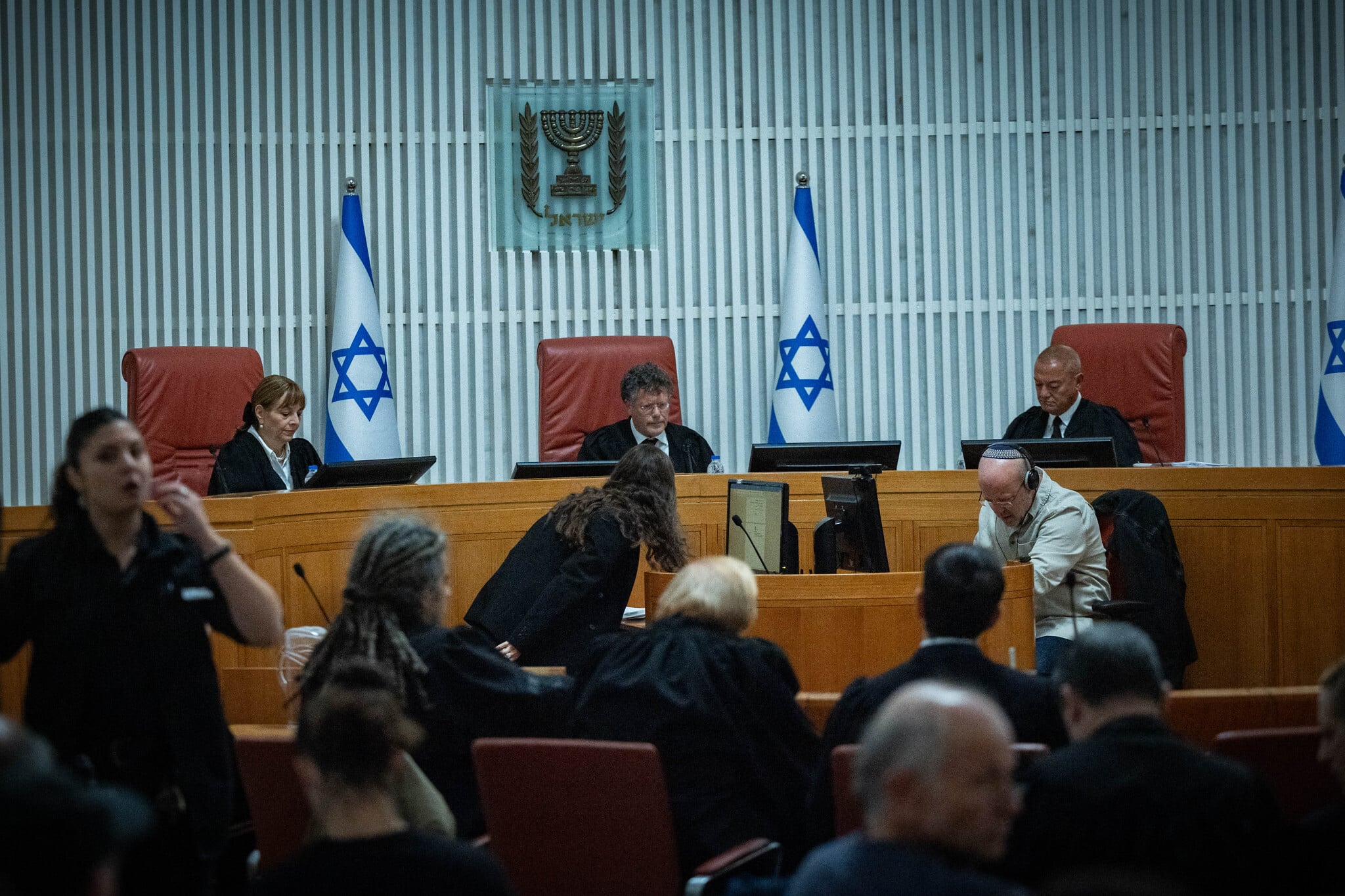
Under the current system, the overwhelming majority of judicial panels established for Supreme Court appeals and High Court petitions are already formed by random assignment via computer through the court secretariat, although the Supreme Court president can, and on occasion does, choose individual judges for cases of particular importance.
According to the Haaretz daily, the Courts Administration came out against the legislation, warning that the change it seeks to implement would hinder the efficiency of the judicial system.
‘Slandering’ the security services
Lawmakers on Wednesday also took aim at another frequent target of the coalition — former senior IDF officers critical of the government.
MKs voted 47-37 to advance in a preliminary reading a bill proposed by Likud MK Ariel Kallner that would penalize senior officers in the security services for encouraging refusal to enlist in the IDF, calling for reservists to halt volunteering, or “slandering” the security services.

The bill states that if the relevant minister finds that current or former officers in the IDF, Shin Bet, Mossad, Israel Police and other security agencies have engaged in such behavior, they may be demoted or lose their pensions or other benefits granted to veterans of the security services.
In its explanatory notes, the bill calls out what it describes as “a phenomenon of crossing lines by a handful of former senior officials in the defense establishment” whom it accuses of “exploiting their status, rank and role as a lever of pressure on the government, while severely harming Israel’s security.”
Ariela Karmel, Rossella Tercatin and Jeremy Sharon contributed to this report.








The Times of Israel Community.