

Coalition lawmakers spar over PM immunity bill
Proposed law to also include maximum term for premier; some MKs fear it will later be amended to retroactively apply to save Netanyahu
 Add ToI as a Preferred Source on Google
Raoul Wootliff is a former Times of Israel political correspondent and Daily Briefing podcast producer.

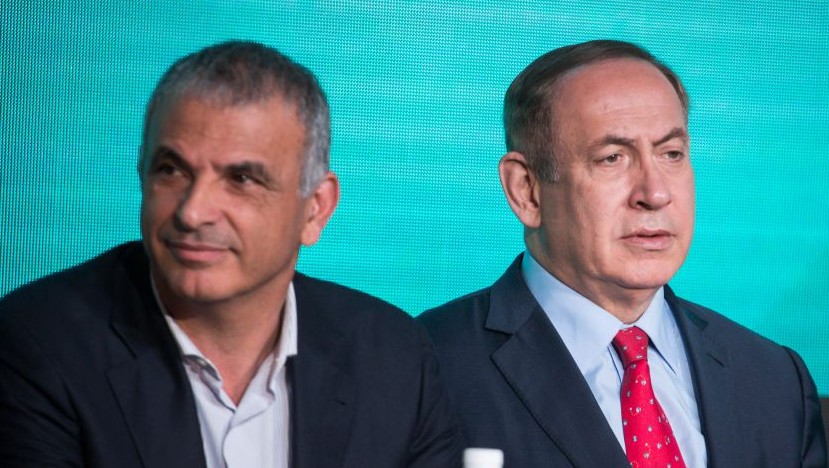
Finance Minister Moshe Kahlon and coalition chair David Bitan traded barbs Sunday over a bill that would give serving prime ministers immunity from criminal prosecution.
The legislation, proposed by Likud MK David Amsalem, would amend Israel’s Basic Laws in such a way as to prohibit police from investigating an incumbent premier for fraud, bribery or breach of trust. In its current form, however, the bill would likely not help Prime Minister Benjamin Netanyahu, who is currently under investigation, as it specifies it would not apply to ongoing investigations.
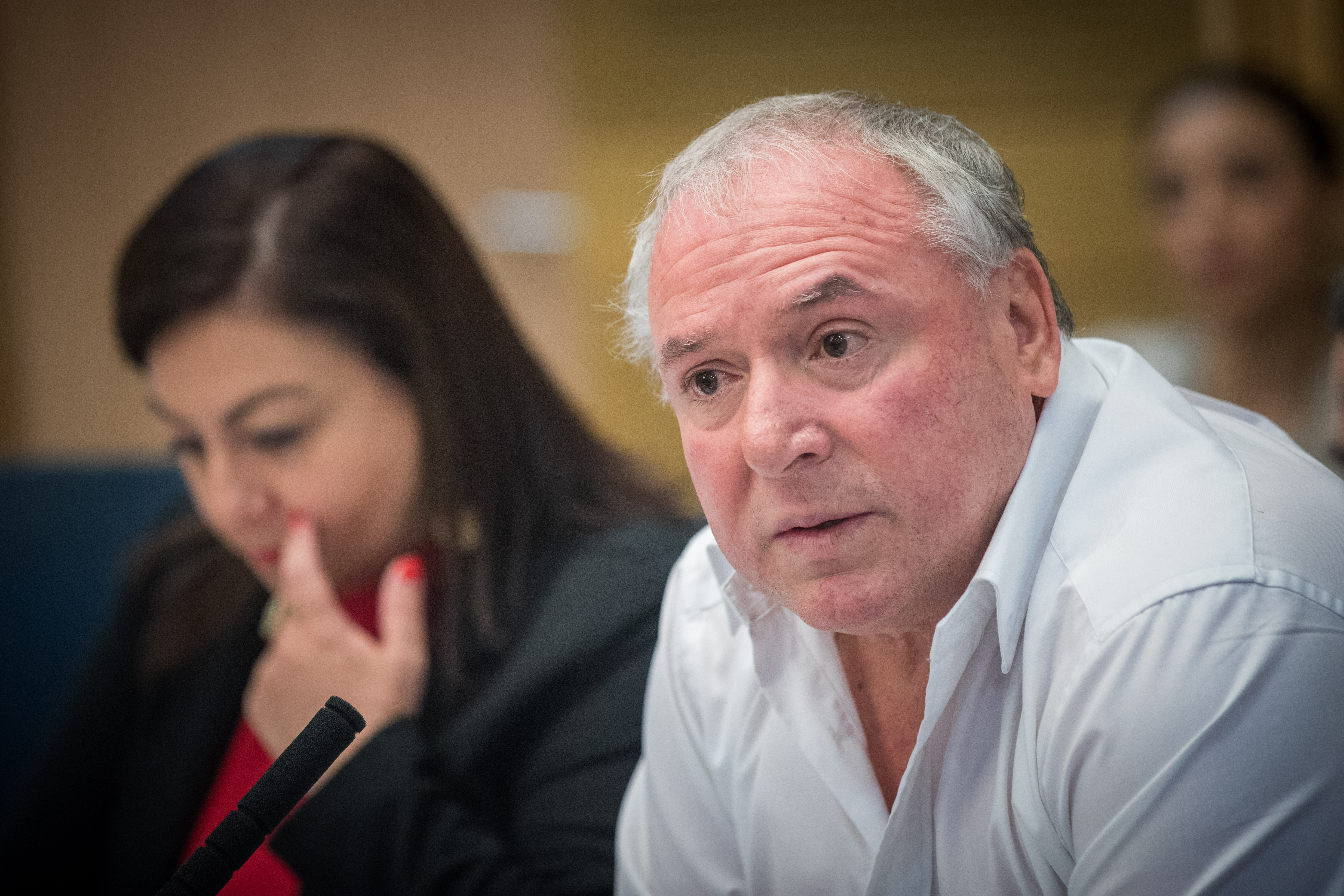
Bitan, a staunch Netanyahu ally who hails from his Likud party, reportedly threatened to freeze all government legislation until the bill is passed by committee. He reportedly told Kahlon during a meeting of coalition heads: “We let your proposals pass” — so you should let ours.
Kahlon, head of the Kulanu party, is said to have responded: “We do everything according to the coalition agreements. You want me to stop coming to these meetings? You are trying to cause a crisis.”
Speaking to The Times of Israel on Sunday, one coalition lawmaker who opposes the move but asked to remain unnamed expressed fear that Amsalem planned to add amendments to the bill during the legislative process so that it would apply to current investigations into Netanyahu.
Kulanu, among other parties, have called to delay a vote on the bill until next week.
Under “the French law” — it is named for similar legislation in France — police would be barred from investigating corruption suspicions against a prime minister, though it wouldn’t offer similar protection from suspicions relating to national security, sex crimes, violence or drugs.
France’s president cannot be prosecuted for offenses aside from high treason, though French lawmakers have recently moved to ease impeachment rules as a way of allowing criminal prosecutions to move forward.
The bill was prompted by the police investigations into Netanyahu, who is a suspect in two cases of alleged corruption and has been linked to suspects in a third case.
But even with leaders of the various coalition parties saying they will support the Israeli version of the law, several lawmakers, including Justice Minister Ayelet Shaked who heads the committee, are expressing misgivings about pushing the bill through the legislative process without proper deliberation.
In an attempt to quash claims that the bill would put the prime minister above the law, Amsalem added a clause to the bill late last week that would bring it closer in line with the law in France — where presidents can serve a maximum of two five-year terms — by placing term limits on the prime minister. According to the language in that amendment, a prime minister who has served eight consecutive years in office would not be allowed to form a new government.
The clause, however, would allow prime ministers to form a new government — that could potentially last nearly five years — in their seventh year in office, and makes no mention of preventing consecutive terms. And like the limits on police investigations, the law would not apply to the current prime minister.
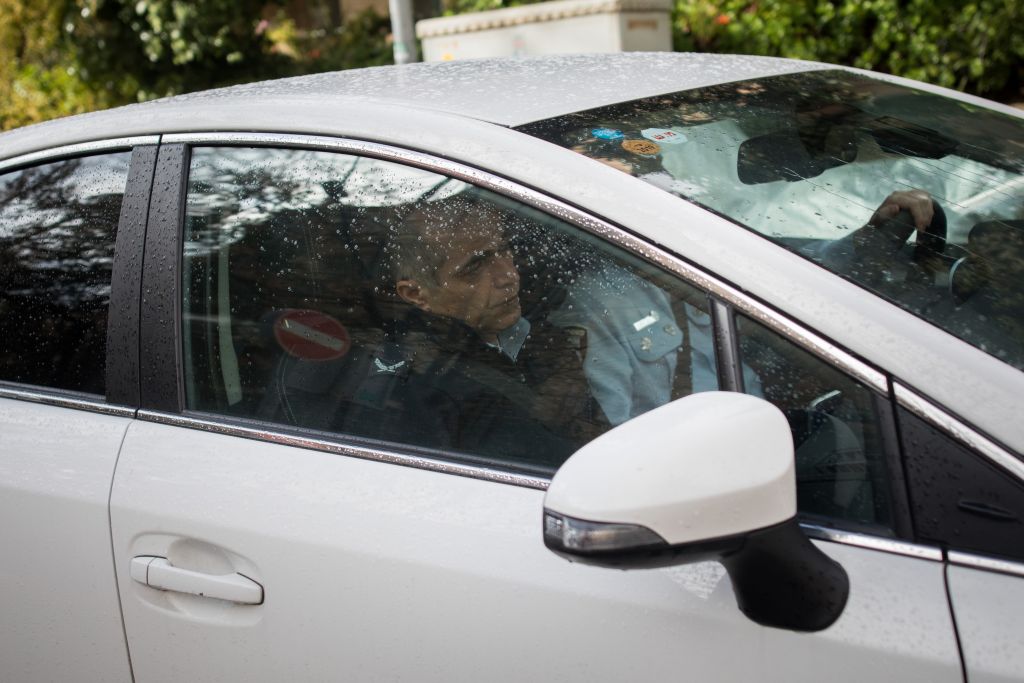
Earlier this month, it was reported that police were deepening their investigations into the actions of the prime minister and that he will be summoned soon for questioning in the two investigations against him, cases 1000 and 2000.
Case 1000 relates to allegations that Netanyahu and his wife, Sara, received illicit gifts from billionaire benefactors, most notably hundreds of thousands of shekels’ worth of cigars and champagne from the Israeli-born Hollywood producer Arnon Milchan.
Case 2000 involves a suspected illicit quid pro quo deal between Netanyahu and Yedioth Ahronoth newspaper publisher Arnon “Noni” Mozes that would have seen the prime minister hobble a rival daily, the Sheldon Adelson-backed Israel Hayom, in return for more favorable coverage from Yedioth.
Netanyahu denies any wrongdoing.
Investigators are also expected to set a date for Netanyahu to provide testimony as a witness in Case 3000, which involves suspected corruption by several associates of the prime minister in the sale of German submarines to Israel, the report said. Netanyahu is not a suspect in the submarines case.







The Times of Israel Community.