

How some countries are taking their first wary moves to ease virus lockdown
China, US, some European states planning a gradual end to coronavirus restrictions as outbreak appears to plateau in several regions
 Add ToI as a Preferred Source on Google
Slowly but surely, several countries are starting to plan for a gradual end to the lockdowns imposed to stem the spread of the coronavirus outbreak.
Here is an overview:
China
The central Chinese province of Hubei, with the exception of its capital Wuhan, started lifting restrictions on people’s movements on March 25, with some conditions still in place.
Wuhan, which led the world with an unprecedented quarantine lockdown in January, the month after the novel coronavirus first broke out there, finally lifted it on April 8.
City authorities have since put 70 of its residential neighborhoods out of 7,000 back into quarantine after so-called “asymptomatic” cases were detected there.
Hubei citizens have to show a green “health code” on their phone, meaning they are considered healthy and can travel.
Czech Republic
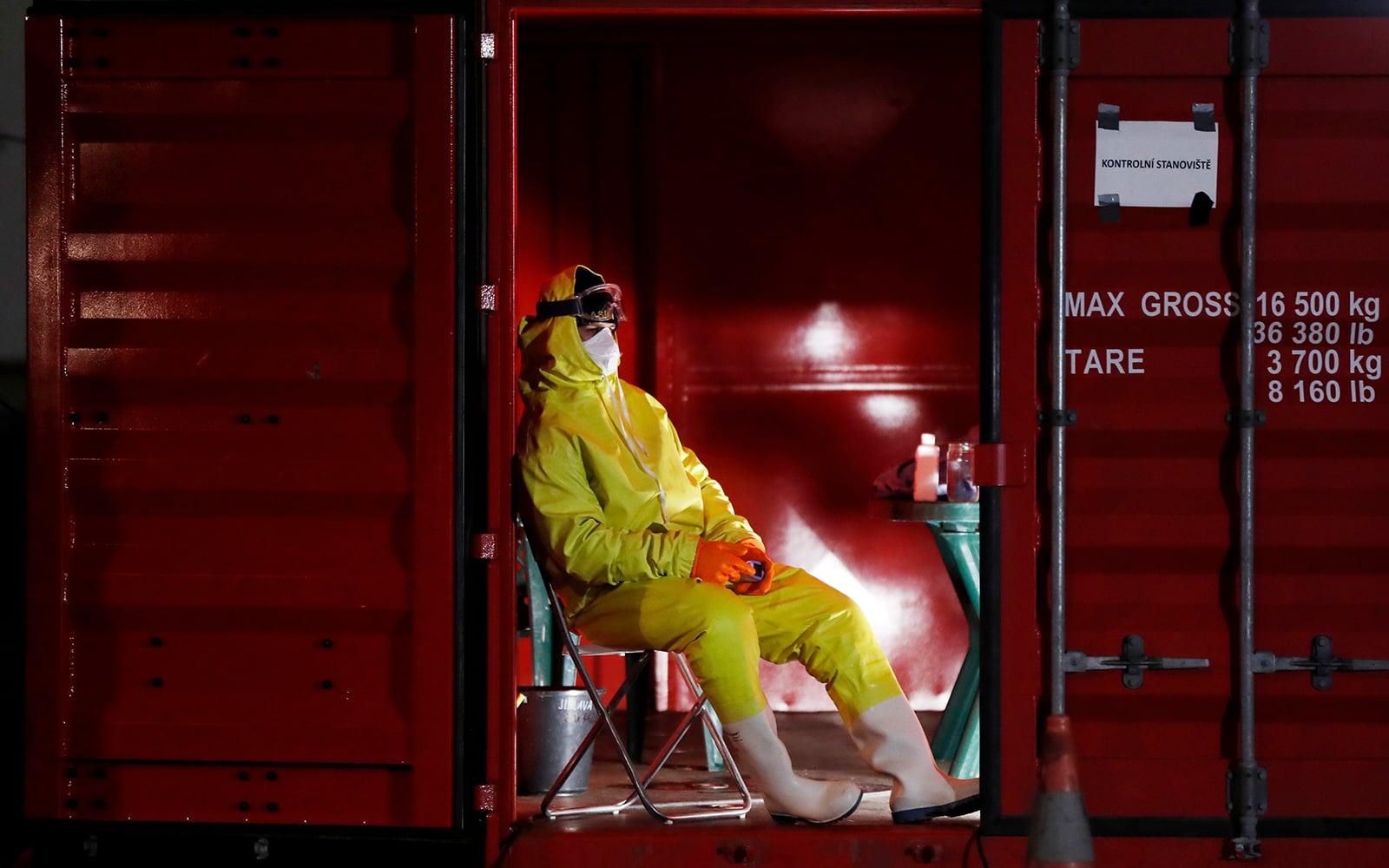
The Czech government on Tuesday introduced a five-stage plan to ease its virus lockdown measures, starting on April 20 and ending June 8.
First in line to reopen will be open-air markets and crafts and trades with workshops.
As of Tuesday, Czechs are also free to travel abroad on business or to visit relatives on condition they undergo a two-week quarantine upon return.
Austria
Austria on Tuesday allowed small shops to reopen, with larger shops to follow in early May and restaurants in mid-May.
Only essential travel is permitted until the end of April and restrictions in schools and universities and on cultural events or public gatherings will last longer.
Italy
In Italy, confined nationwide since March 10, some businesses, like bookshops and laundromats, were allowed to reopen on Tuesday in some regions.
Spain
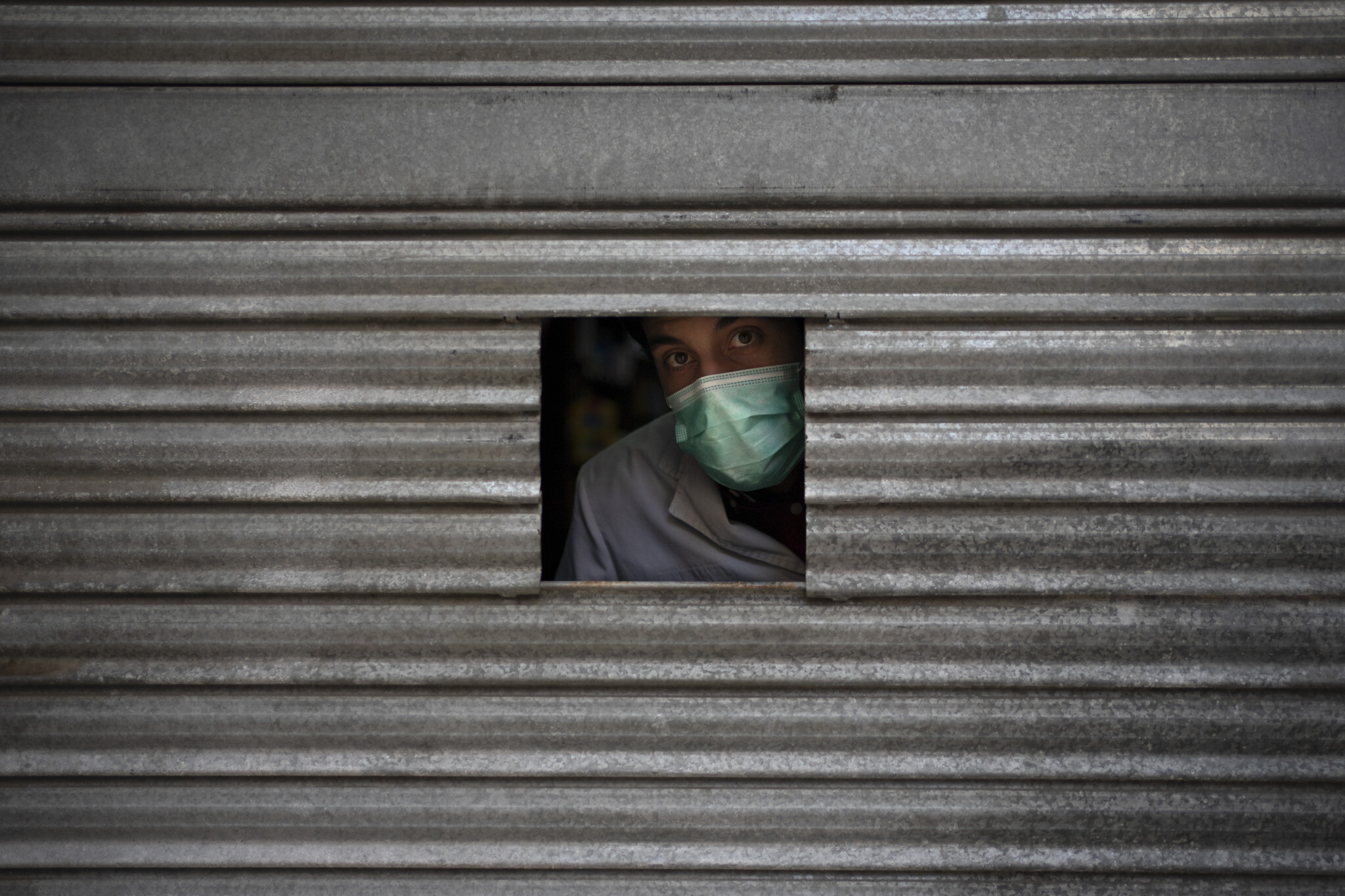
In Spain, where a March 14 lockdown will last at least until April 25, construction and factory workers were allowed to go back to work on Tuesday, with the government distributing to them 10 million masks.
Since March 30, all non-essential economic activities have been halted. Prime Minister Pedro Sanchez said on Sunday “de-escalation” of lockdown measures “will start at the earliest in two weeks and will be very gradual and very prudent.”
Denmark
Denmark will on Wednesday reopen its kindergartens and primary schools, with secondary schools to follow on May 10.
Other restrictions that closed borders, bars, restaurants, shopping centers, banned gatherings of more than 10 people and limited foreign travel will remain in place, in some cases for months, the government warned.
France
France will start partially ending its confinement on May 11, with the gradual reopening of schools.
Universities, bars, restaurants and cinemas will remain closed, as will border entries from non-European countries. Elderly and vulnerable people have been urged to remain at home.
Norway
Norway plans to progressively ease its restrictions from April 20, starting by reopening kindergartens and lifting a ban on living in holiday homes.
Some specialist health professionals will be allowed to go back to work. From April 27, high schools and universities will be partially reopened as will hair, massage and beauty salons.
Other confinement measures however will continue.

Portugal
In Portugal, which has been living under a state of emergency since March 19, authorities are hoping for a gradual return to routine in May.
United States
US President Donald Trump has claimed to have “absolute” power to force state governors and big-city mayors to lift quarantine and distancing policies, but constitutional experts dispute his claim.
In reality, lockdown measures are likely to be lifted on a state-by-state basis, with several states warning the process will be a slow one to avoid a second outbreak.
Germany
The German government is expected to announce on Wednesday an easing of obligatory measures, which vary from one region to another.
Under the measures, sports stadiums and concert halls will remain shut for several months.
Greece
Greece said on April 6 it hopes to be able to lift some COVID-19 restrictions in May, if the public respects the current lockdown until then.
Switzerland
Swiss authorities are due to announce on Thursday the first easing of measures by the end of April.










The Times of Israel Community.