

Draft exemption bill stuck as coalition faces internal dissension, Haredi demands
A number of MKs in Netanyahu’s coalition have expressed opposition to Haredi draft legislation but ‘it remains to be seen whether they will be able to stand firm,’ says Edelstein

 Add ToI as a Preferred Source on Google
Sam Sokol is a former political correspondent at The Times of Israel. He was previously a reporter for the Jerusalem Post, Jewish Telegraphic Agency and Haaretz. He is the author of "Putin’s Hybrid War and the Jews"
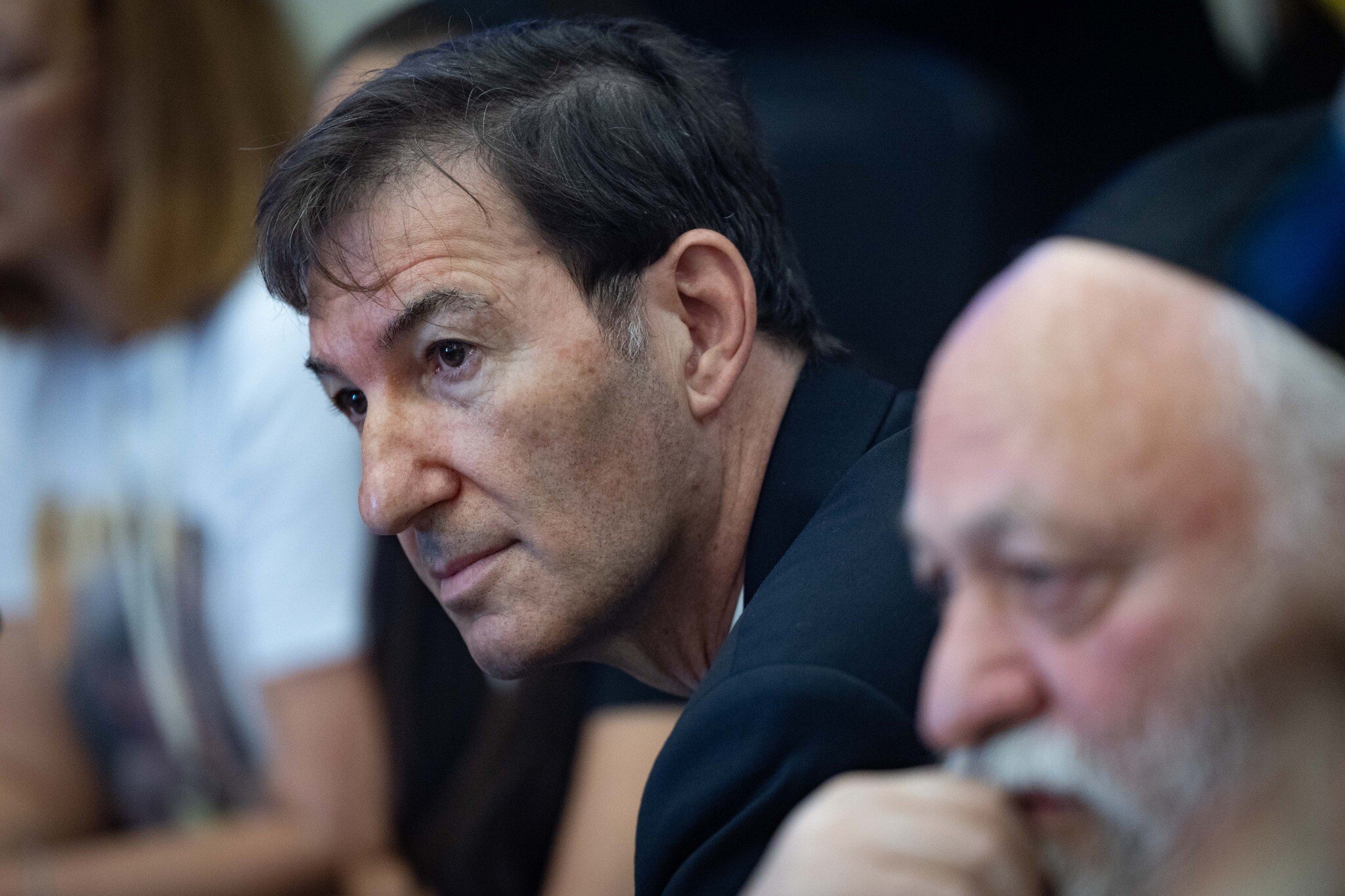
In mid-October, more than two months into his tenure as chairman of the powerful Knesset Foreign Affairs and Defense Committee, Likud MK Boaz Bismuth publicly announced that he had submitted the principles of a revised ultra-Orthodox draft bill to the panel’s legal advisor and that a new draft of the controversial legislation would be presented within days.
Bismuth was appointed as chairman of the committee in August after both of the coalition’s ultra-Orthodox parties left the government to protest its failure to advance the long-stalled conscription legislation — which has been derided as an “evasion bill” by critics.
However, despite the appointment of a lawmaker seen as more sympathetic to the demands of the ultra-Orthodox parties, the bill’s progress since then has been marked by repeated delays.
Only days after his announcement, Bismuth told lawmakers that he was postponing a series of scheduled discussions in order to provide his panel’s legal adviser with additional time to formulate an updated version of the bill.
The following day, during a television interview, Bismuth said that the bill — widely seen as intended to codify draft exemptions for much of the Haredi community and pave the way for the ultra-Orthodox parties to return to the coalition — would be presented to lawmakers by the following week, with the goal of sending it to the plenum for its final two readings in December.
However, lawmakers have still not seen a copy of the bill, with Prime Minister Benjamin Netanyahu reportedly requesting in late October for Bismuth to delay submitting it for his committee’s consideration.
Some 80,000 ultra-Orthodox men aged between 18 and 24 are currently believed to be eligible for military service, but have not enlisted. The Israel Defense Forces has said it urgently needs 12,000 recruits due to the strain on standing and reserve forces caused by the war against Hamas in Gaza and other military challenges.

For the past year, the Haredi leadership has pushed to pass a law keeping its constituency out of the IDF, after the High Court ruled that decades-long blanket exemptions from army duty traditionally afforded to full-time Haredi yeshiva students were illegal.
After taking over the committee, Bismuth largely threw out former chairman Yuli Edelstein’s work and started over. He has said that he believes Israelis must “find the balance” between Torah study and military service and that Israel needs both soldiers and Torah students.
He has argued that while his bill — which sets a target of enlisting 50% of each annual ultra-Orthodox draft cohort within five years — will contain “serious sanctions” on draft evaders, he does intend to “poke the Haredim in the eye.”
Multiple coalition supporters of the legislation have hinted that it would allow those enrolled full-time in yeshiva to continue their studies without fear of conscription — while committee legal advisor Miri Frenkel Shor is reportedly pushing for higher recruitment targets and tougher oversight than the Haredim are comfortable with.
However, notwithstanding the significant differences of opinion on the law, things appeared to begin advancing again last week, with Channel 12 reporting that Netanyahu had decided to move forward with the bill after receiving the green light from the Haredi parties — whose support he sees as the only way to stabilize his coalition, which now lacks a majority in the Knesset.
Despite this, no hearings on the bill have since been held in the Foreign Affairs and Defense Committee, whose members have yet to be presented with the full text of the new law.

What’s holding up the law?
This delay likely comes down to both ultra-Orthodox intransigence and internal opposition to the bill within Netanyahu’s coalition, including among members of his own ruling Likud party.
The United Torah Judaism party’s Degel HaTorah faction has yet to officially announce its position, while the Hasidic Agudat Yisrael has expressed significant opposition.
According to Haredi press reports, Degel HaTorah has not yet weighed in due to the rivalry between two of its senior rabbis, Moshe Hirsch and Dov Lando.
Pushing back against this perception, a spokesman for Rabbi Lando released a statement on Wednesday evening condemning those who had “gone so far as to invent and fabricate a false impression of division between…the great rabbis.”
“The matter is being handled with the utmost discretion and without unnecessary publicity,” the statement added.
Speaking with The Times of Israel on condition of anonymity on Tuesday, a senior United Torah Judaism source said that he saw little point in backing the law.
“I just can’t see it. The rabbis will allow sanctions, and set 50% enlistment targets, and all these things? In the end, do you think they would back it and allow a vote on such a thing? You’re telling me we’re going to pass this law?” he asked.
“Five minutes after we pass the law, the High Court will strike it down and issue an injunction. We’ll go right back to the same situation we’re in today. So why agree to it at all?
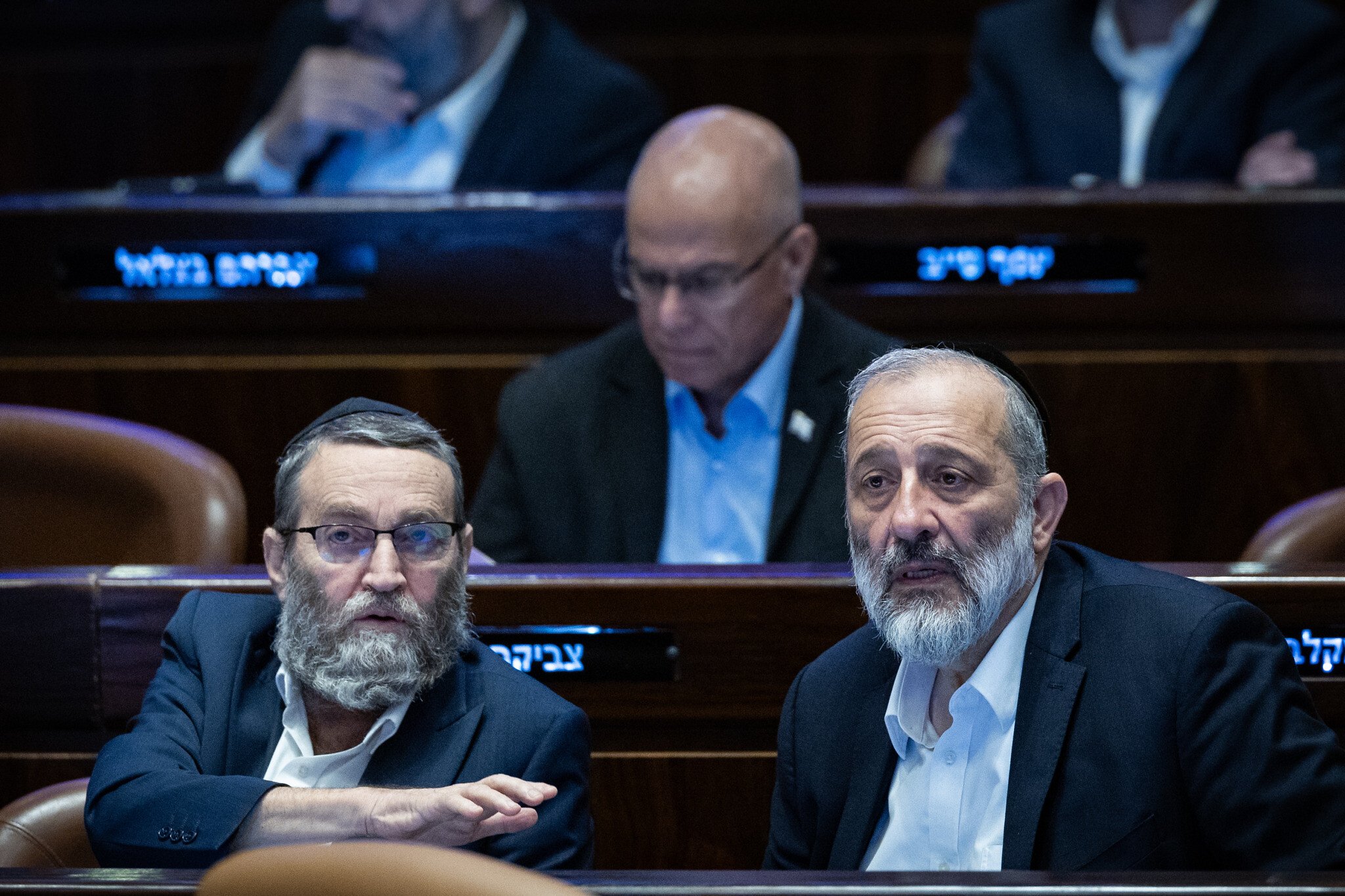
The members of Shas’s ruling Council of Torah Sages are reportedly deeply divided and there exists a significant difference of opinion between the rabbis and party chairman Aryeh Deri.
In an interview with the Knesset Channel on Tuesday Shas MK Yaakov Margi asserted that his party supported the bill — which he said had been drafted in collaboration with Shas negotiator Ariel Attias — prompting pushback within the ultra-Orthodox faction and leading him to issue a clarification that the matter was still being considered by Shas’s rabbinic leadership, without whom no final decision will be made.
Speaking with the ultra-Orthodox news site Kikar Hashabbat on Tuesday, a senior Haredi political source with knowledge of the issue said that while the Haredi leadership had ostensibly approved of the bill, there is significant opposition to a number of clauses and that “there won’t be an enlistment law because there is no agreement on it.”
This pushback during negotiations has led to delays, the source asserted, adding that this is “also convenient for the Haredim to postpone the legislation, which likely won’t have a majority in the plenum and probably wouldn’t withstand scrutiny by the High Court of Justice.”
“We’ll agree on a date for elections after Passover,” the source said.
Coalition opposition
The Haredi concerns are far from groundless. Multiple coalition lawmakers have expressed opposition to the legislation as currently written, with Likud MK Moshe Saada recently calling its proposed sanctions for draft evaders toothless.
Addressing a conference of reservists last week, Deputy Foreign Minister Sharren Haskel (New Hope) said that she knew of six other coalition legislators who planned on voting against the bill.
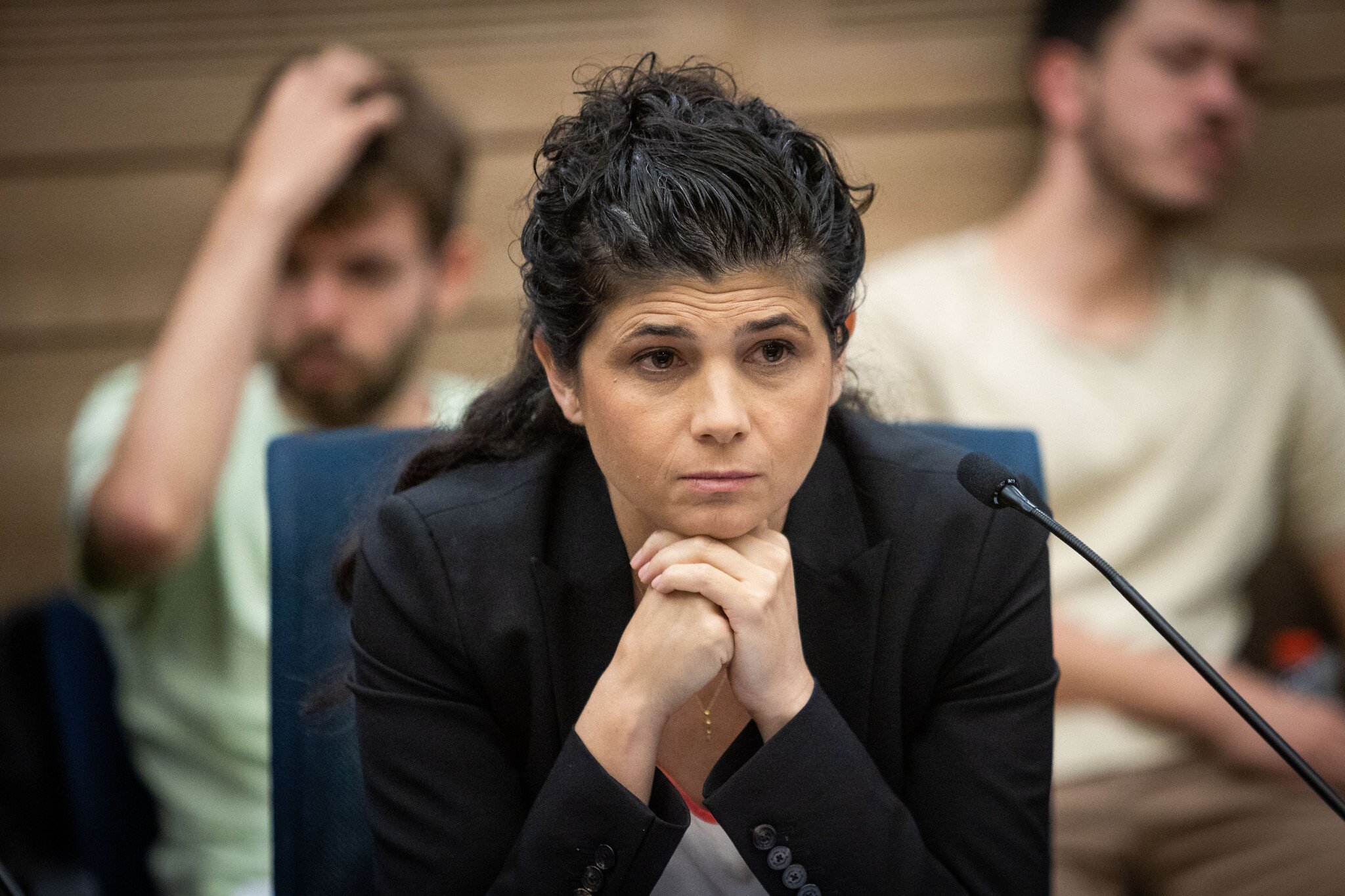
While the most vocal critics are a minority, they represent enough votes to significantly complicate or even block the bill’s passage, leading to speculation that their stand has contributed to Bismuth’s delay.
“I will vote against it unless they bring a good recruitment bill,” Haskel told The Times of Israel on Tuesday. “I just don’t think they have the majority right now to pass that.”
According to Edelstein, who was recently expelled from the committee, while “there are people who feel very frustrated about this legislation, it remains to be seen whether they will be able to stand firm [and] come to the plenum and vote against it after all the pressure.”

If the bill does manage to pass and is struck down by the high court, then Netanyahu can turn to his Haredi allies and say he did everything within his power, but “if the bill fails because of members of his own party, the Haredim will blame him,” Edelstein explained.
“So he could find himself in the worst possible situation when he will be attacked publicly — including among the right wing and the Likud voters and the coalition voters — because of the legislation,” he said.








The Times of Israel Community.