

Knesset defense panel chair submits principles for potential Haredi draft bill
Likud MK Boaz Bismuth announces legislation to be ‘formulated in the coming days’; critics claim proposal would exempt ultra-Orthodox from military service, vow to fight it
 Add ToI as a Preferred Source on Google
Sam Sokol is a former political correspondent at The Times of Israel. He was previously a reporter for the Jerusalem Post, Jewish Telegraphic Agency and Haaretz. He is the author of "Putin’s Hybrid War and the Jews"
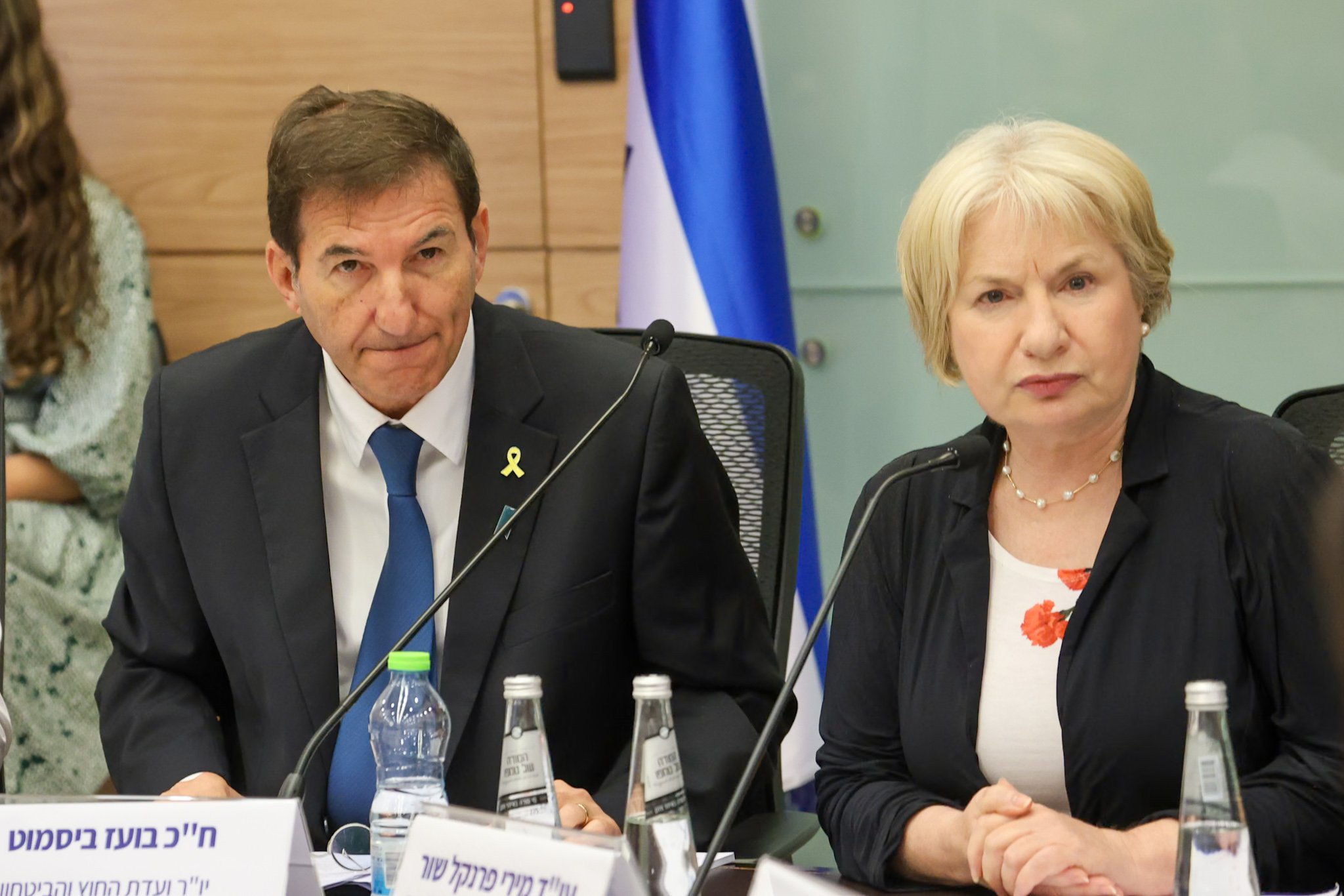
Knesset Foreign Affairs and Defense Committee chairman Boaz Bismuth announced on Thursday evening that he has submitted a document outlining the principles of a potential ultra-Orthodox draft bill to committee legal adviser Miri Frenkel Shor.
The Likud lawmaker’s office said that “based on the document, a draft law will be formulated in the coming days that will guide the committee in the continuation of the legislative process to regulate the issue of conscription.”
In a statement, Bismuth thanked Prime Minister Benjamin Netanyahu and the defense establishment — as well as former Shas MK Ariel Attias, who represented the Haredi parties in negotiations over the controversial bill.
“We are moving forward to approve a historic law, a necessary and inevitable step for Israel’s security and future,” Bismuth said.
According to Hebrew-language news reports, the document stipulates that within five years, 50 percent of the annual Haredi draft cohort will be conscripted, and the age of exemption will remain at 26. Yeshiva budgets will only be cut for failing to meet enlistment quotas after a year, and personal sanctions will only go into effect after two years if the overall enlistment goal is not met.
Moreover, those sanctioned will not lose their driver’s licenses, although restrictions on issuing licenses to draft evaders will apply under the new proposal.
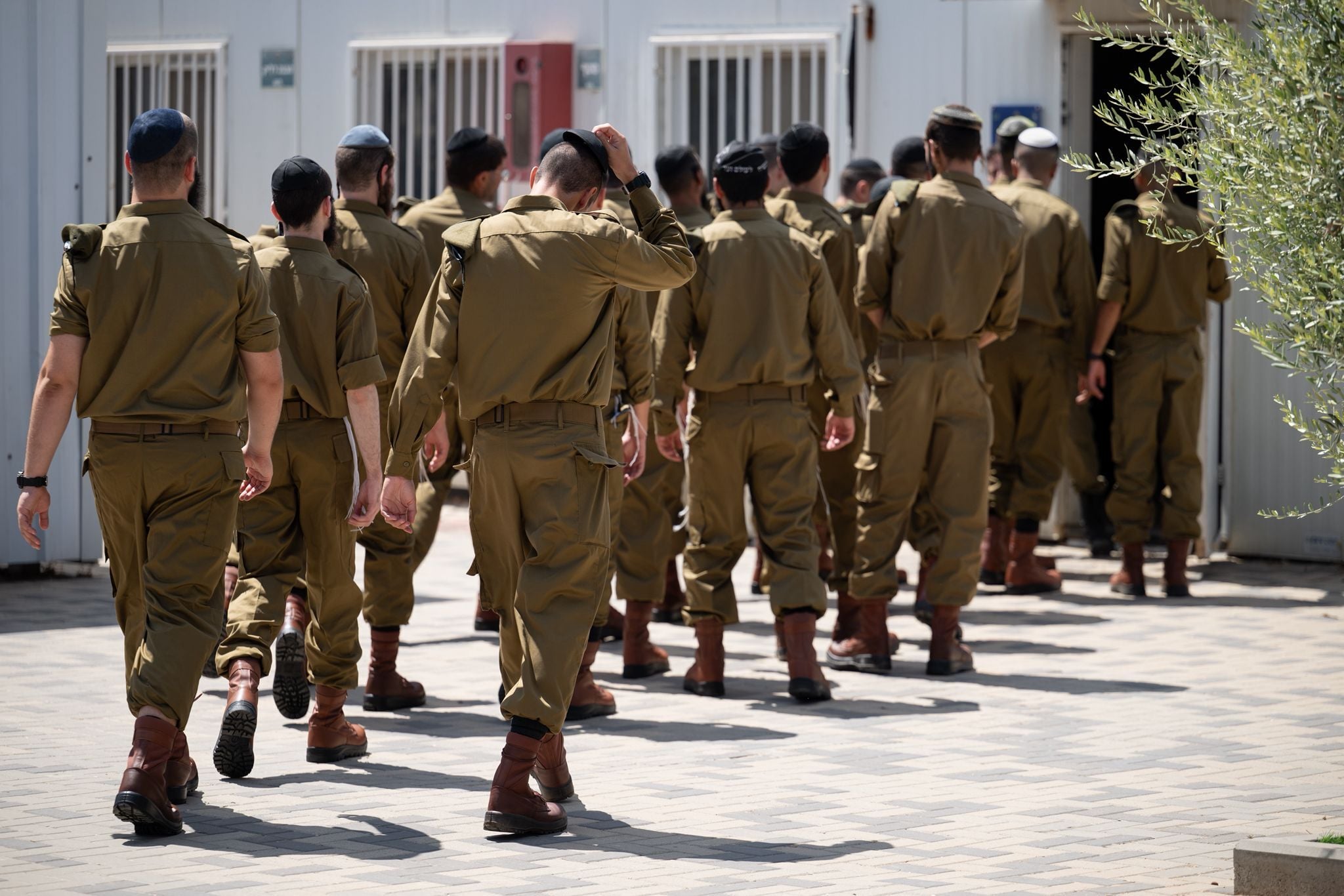
Bismuth’s proposal immediately drew harsh criticism from opposition politicians, with former prime minister Naftali Bennett accusing Netanyahu of engaging in a “stinking trick, really trading in blood.”
“On this very day — the national remembrance day for October 7 — [the government] is trying, in the dark, to pass a draft-dodging law, stitched together between the ultra-Orthodox MKs and Likud,” Bennett said, adding that “there is nothing more divisive for the nation than this.”
Bismuth’s proposal is “a bad draft of a bad law that institutionalizes mass draft evasion by tens of thousands of healthy young people, and its sole purpose is to preserve the coalition of failure, destruction, and ruin,” tweeted The Democrats party chairman Yair Golan.
Yisrael Beytenu chairman Avigdor Liberman alleged that “the principles of the evasion law that the ultra-Orthodox activists drafted for MK Boaz Bismuth are intended to thwart the recruitment of the ultra-Orthodox and to legalize the return of Shas ministers to the government.”
Yesh Atid MK Moshe Tur-Paz, a member of Bismuth’s committee, agreed, telling The Times of Israel that the outline was aimed at bringing Shas “back into the coalition.”

“As someone who sat in all the Foreign Affairs and Defense Committee discussions… there is no law that can currently be passed that meets even the minimal needs of the IDF. What’s being done here is pure charlatanism and an attempt to create the appearance of a draft law,” Tur-Paz added.
Bismuth was appointed as chairman of the committee in August after both of the coalition’s ultra-Orthodox parties left the government to protest its failure to advance the long-stalled conscription legislation — which has been derided as an “evasion bill” by critics.
After taking over the committee, Bismuth largely threw out former chairman Yuli Edelstein’s work and started over. He has said that he believes Israelis must “find the balance” between Torah study and military service and that Israel needs both soldiers and Torah students.
For the past year, the Haredi leadership has pushed to pass a law keeping its members out of the IDF, after the High Court ruled that the decades-long blanket exemptions from army duty traditionally afforded to the Haredi community were illegal.
Some 80,000 ultra-Orthodox men aged between 18 and 24 are currently believed to be eligible for military service, but have not enlisted. The Israel Defense Forces has said it urgently needs 12,000 recruits, due to the strain on standing and reserve forces caused by the war against Hamas in Gaza and other military challenges.
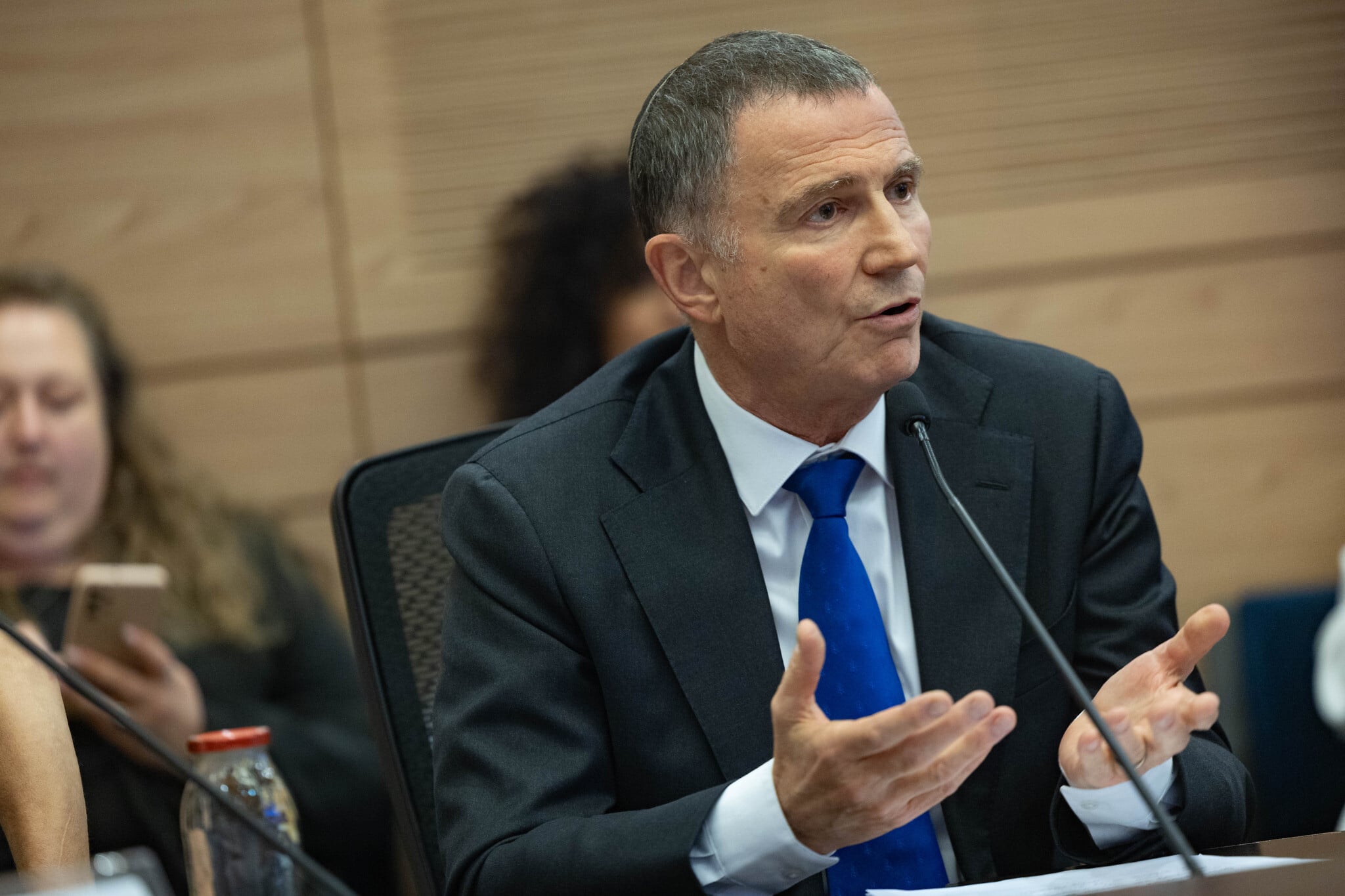
In July, the United Torah Judaism party left the coalition after being presented with a copy of a proposed enlistment bill prepared by Edelstein, which it argued had violated the terms of a supposed compromise reached in June. They were quickly followed by Shas, which, while quitting the government, has remained part of the coalition.
According to national broadcaster Kan, Shas is weighing a return to the government if a new draft exemption law for yeshiva students is passed.
Kan also reported that Netanyahu is actively working to bring Shas back into his government when the Knesset reconvenes, in a bid to stabilize his coalition, which currently lacks a majority.
Speaking with The Times of Israel in July, Shas spokesman Asher Medina said that his party will only rejoin the government when it advances a conscription bill acceptable to the Haredim that would actually pass a vote in the Knesset.
“There must be a law on the table that is agreed upon by us and has a majority,” he said.
Ariela Karmel contributed to this report.







The Times of Israel Community.