

EasyJet closes Israel routes until spring 2026 as some foreign carriers return
Low-cost airline nixes flights, while Israel prepares Ben Gurion Airport to meet increased passenger traffic in coming months
 Add ToI as a Preferred Source on Google
Sharon Wrobel is a tech reporter for The Times of Israel
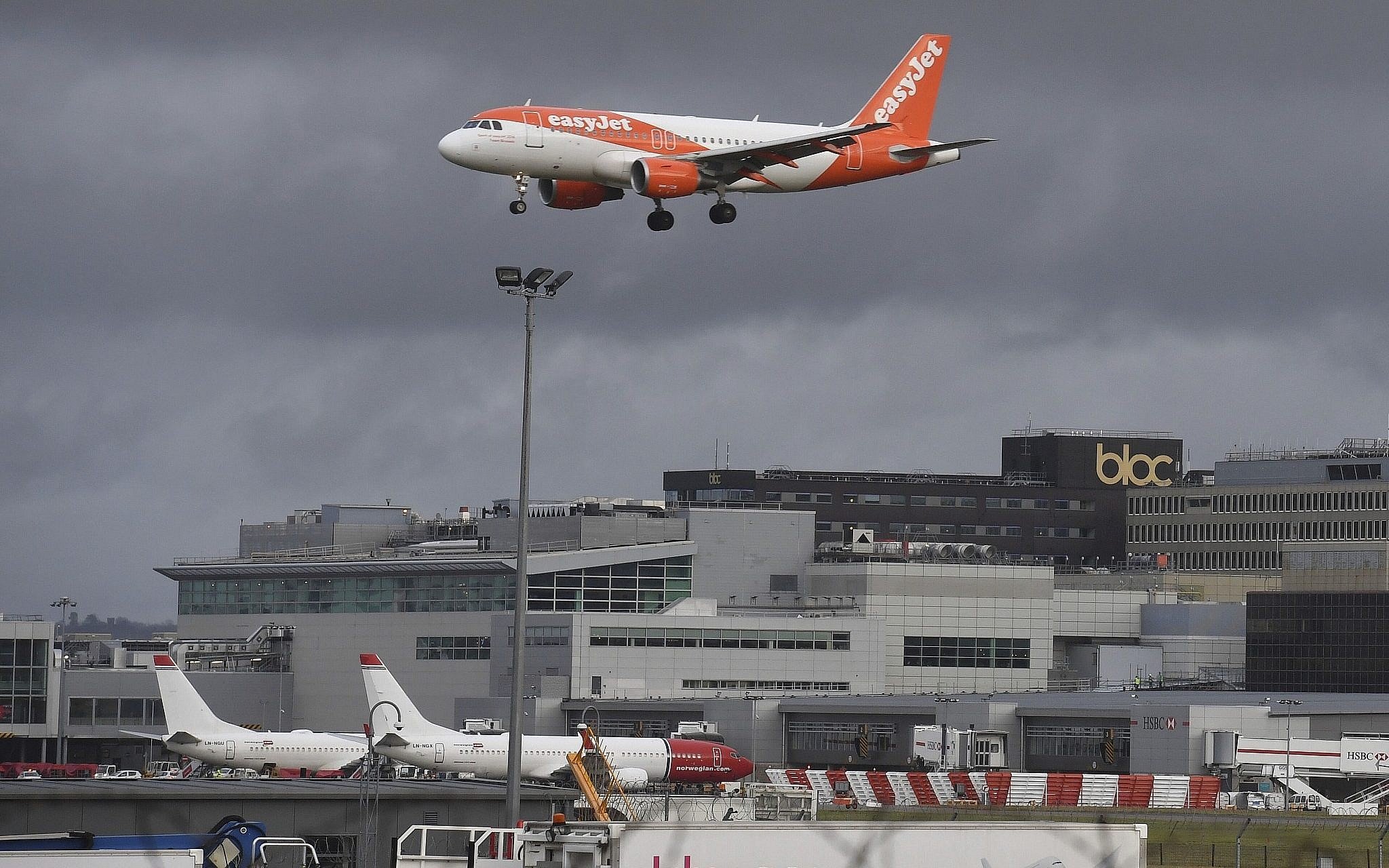
British low-cost carrier easyJet on Tuesday announced it will not resume flight operations to Israel before the spring of 2026, as more foreign airlines started to bring back their services to the country ahead of the lucrative summer season and the busy travel period during the Jewish holidays in the fall.
The UK carrier, which had been expected to restart its flight operations at the end of October, announced that it would extend the suspension of all routes to and from Tel Aviv through March 28, 2026.
“To provide our customers with certainty on our winter flying schedule, we will no longer be operating flights to Tel Aviv over the winter season,” the airline said in an emailed statement. “We are sorry for any inconvenience this may cause and remain committed to resuming our Tel Aviv flying from summer 2026.”
EasyJet extended its suspension of flight services to and from Tel Aviv when Israel’s airspace was closed on June 13 with the outbreak of war with Iran. The fighting ended 12 days later with a US-brokered ceasefire. The flight suspensions by foreign and local airlines left tens of thousands of Israelis stranded abroad. Israel reopened its airspace on June 24.
EasyJet’s decision comes after a host of foreign airlines announced plans to resume their flight operations to the country following the truce with Iran, and after the European Union’s Aviation Safety Agency last week lifted a high-risk advisory recommending pilots avoid the airspace over Israel and other parts of the region, due to the risk of war reigniting.
Despite recent developments, some European and US airlines have yet to announce or have postponed their resumption dates for flights to and from Israel. US carrier Delta and Air India delayed the resumption of their Israel operations through August 31. British Airways and low-cost carrier Ryanair canceled their Tel Aviv route through October 25.
Dutch carrier KLM suspended all flight services to and from Ben Gurion Airport until further notice, citing the “ongoing security situation.”
Meanwhile, Hungary-based low-cost airline Wizz Air is expected to bring forward the resumption of flight services to and from Ben Gurion to August 8.
French carrier Air France resumed nonstop flights between Ben Gurion and Paris’s Charles de Gaulle airport on July 7. Greece’s Aegean Airlines and Spanish airline Air Europa brought forward the resumption of flight services to and from Tel Aviv to July 14.
The Lufthansa group — which includes Lufthansa, SWISS, Austrian Airlines, Brussels Airlines, and Eurowings — is expected to restart services on August 1.
US carrier United Airlines announced that it would resume flight services from New York to Tel Aviv with a single flight starting on July 21, 10 days earlier than it previously planned.
The sustained ceasefire between Israel and Iran also prompted many smaller foreign airlines to gradually resume flight routes to and from Israel, including Ethiopian Airlines, Azerbaijan Airlines, Etihad Airways, Flydubai, Bluebird, TUS Airways, and Hainan Airlines.
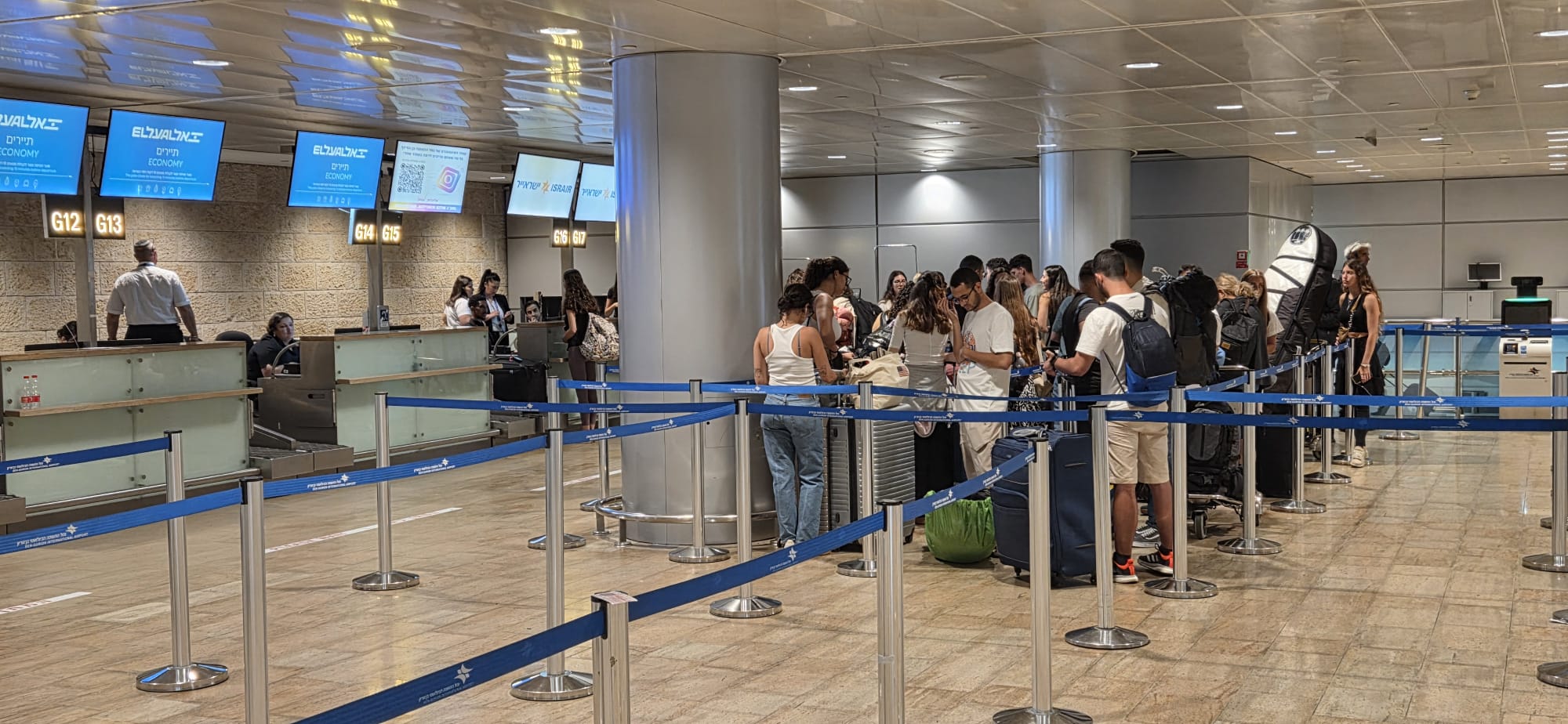
Earlier this week, the Transportation Ministry, together with the Israel Airports Authority, announced the launch of expansion plans at Ben Gurion to meet increased passenger traffic expected at the airport during the peak summer months.
During July, an estimated 1.5 million passengers are expected to come through Ben Gurion Airport, and 1.9 million in August. Passenger traffic is still lower than the 2.5 million and 2.8 million travelers the international airport handled in July and August of 2023, respectively, before the outbreak of war with the Hamas terror group.
After the EU aviation safety advisory against Israel air travel was lifted, and with some international carriers gradually resuming flight operations to Tel Aviv, Israel is making preparations to meet security and operational challenges, said Transportation Minister Miri Regev.
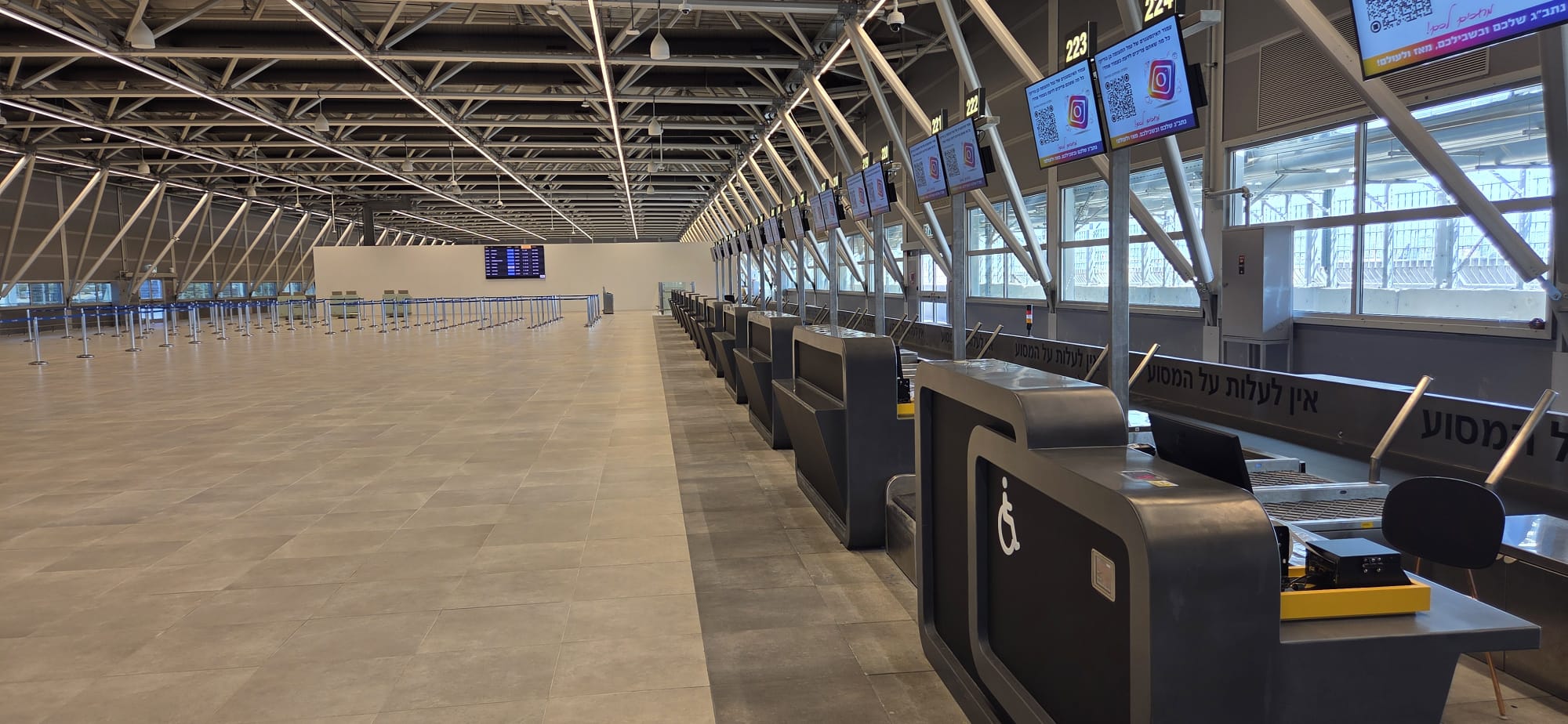
On August 14, a new advanced security and check-in concourse at Ben Gurion’s main international Terminal 3 will open, spanning an area of about 3,900 square meters. The new area, built at an investment of NIS 50 million ($14.9 million), includes 22 check-in stations and advanced security screening and baggage processing systems.
Starting August 3, Ben Gurion will reopen Terminal 1, used mostly by low-cost airlines and charter carriers for international operations, and by Israeli airlines for domestic flights. Initially, flights by Israeli flag carrier El Al, smaller local rivals Arkia and Israir, and Georgian Airways will be operated at the reopened terminal, followed by Wizz Air and other companies. During August, about 500 international flights are expected to operate at the terminal.
“We are working vigorously to bring airlines back to Israel, and at the same time are promoting projects that will allow Ben Gurion Airport to accommodate more passengers, while maintaining a high level of service,” said Transportation Ministry Director General Moshe Ben Zaken. “This is the infrastructure that Israel needs for the years to come.”










The Times of Israel Community.