

Europeans welcome Bahrain-Israel normalization as opening for peace
Brussels and Berlin include support for two-state solution in statements; Rivlin and Gantz also praise deal, though other reactions from Israel mostly muted
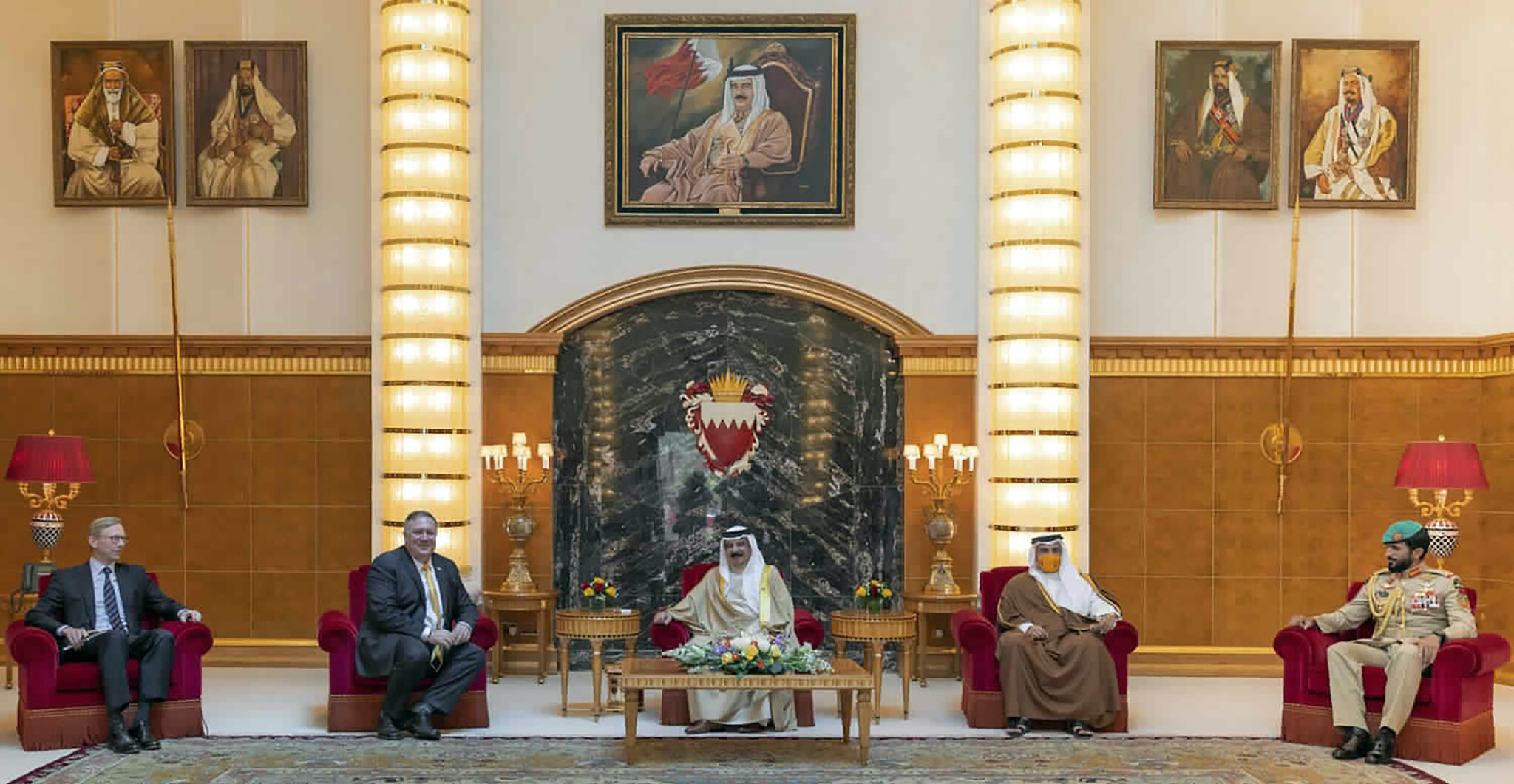
European leaders welcomed Bahrain’s decision to normalize ties with Israel, expressing hopes it would help advance the cause of peace in the region.
In Israel, the news that a second Gulf state was willing to establish open ties, after the United Arab Emirates, was met with scattered praise.
In a statement, the European Union Council said it “believes that these developments represent a positive contribution to peace and stability in the Middle East.”
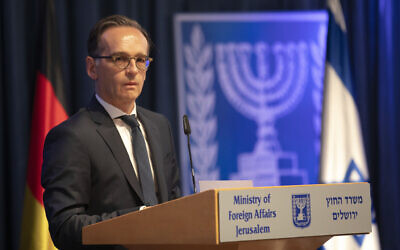
In Berlin, German Foreign Minister Heiko Maas hailed the normalization agreement, calling it “another important step toward peace in the region.”
Maas said he discussed the matter with his Bahraini counterpart Abdullatif Al Zayani when he hosted him in Berlin a day earlier. A statement on the meeting from Manama did not mention ties with Israel.
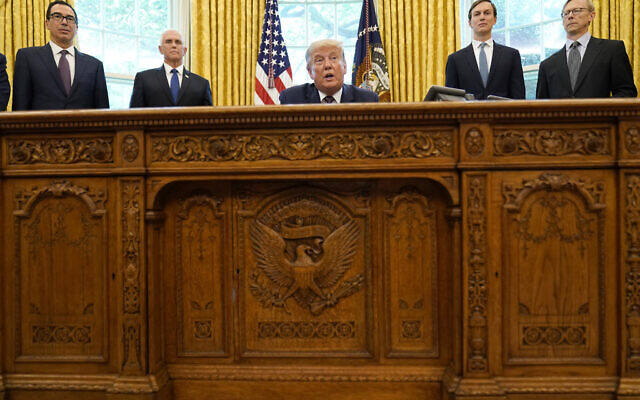
On Friday, US President Donald Trump announced that Israel and the tiny Gulf kingdom of Bahrain had agreed to normalize relations.
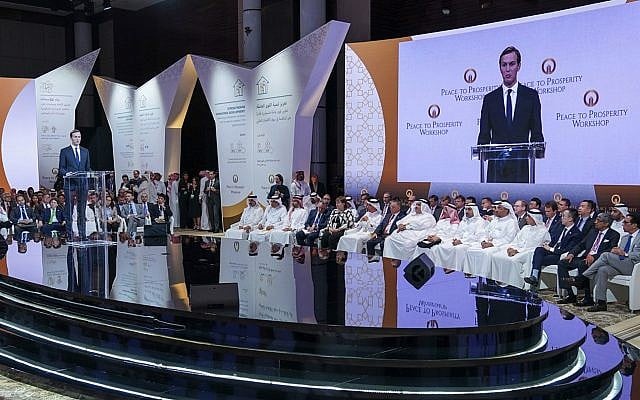
The move came on the heels of an announcement last month that the Emirates would establish full ties with Israel, bringing a long-covert relationship into the open. Bahrain as well had been seen moving closer to Israel in recent years, and hosted the the rollout of the economic element of the Trump administration’s Israeli-Palestinian peace plan earlier this year.
“Another HISTORIC breakthrough today! Our two GREAT friends Israel and the Kingdom of Bahrain agree to a Peace Deal – the second Arab country to make peace with Israel in 30 days!” Trump tweeted Friday.
The EU statement, while noting the US role, also called for the resumption of talks with the Palestinians toward a two-state solution.
“A comprehensive settlement of the Arab-Israeli conflict requires a regional inclusive approach and engagement with both parties. In this regard, the EU remains firm in its commitment to a negotiated and viable two-state solution built upon the internationally agreed parameters,” it read.
Maas too said he was “hopeful that new impulses for the peace process between Israelis and Palestinians will emerge [from] this agreement.”
“Germany and the EU continue to endorse the goal of a negotiated two-state solution as a basis for a just and viable peace. We will continue to work toward this,” he added.
The Palestinians have condemned both the UAE and Bahrain for what they describe as a “stab in the back.” Under the 2002 Arab Peace Initiative, members of the Arab League agreed to only establish ties with Israel once a two-state solution with the Palestinians was reached.
In Israel, Defense Minister Benny Gantz thanked Trump and the White House for “the extraordinary efforts to build a more stable Middle East,” in a Saturday night statement.
President Reuven Rivlin also hailed the US-brokered agreement, saying the UAE’s decision to do so last month opened a “new chapter” in the Middle East.
“I would like to express my appreciation to the prime minister, the King of Bahrain, the President of the United States and all those who have worked on this wonderful achievement. I call on other Arab and Muslim countries to make peace with Israel — peace between peoples, peace for peace,” Rivlin said in a statement from his office.
The news was announced late Friday afternoon, when Shabbat was beginning in Israel, a time when some elected officials refrain from making public statements in deference to religious sensitivities.
Other reactions on the deal from Israel were mostly muted, with attention mostly focused on looming plans for a fresh coronavirus lockdown. Opposition leader Yair Lapid had yet to publicly comment on the deal as of early Sunday morning.
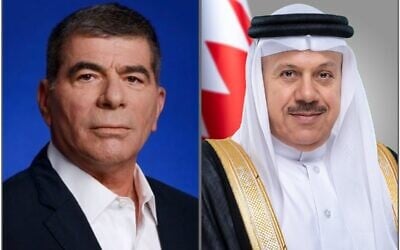
Foreign Minister Gabi Ashkenazi, the No. 2 in Gantz’s Blue and White party, spoke with his Bahraini counterpart on the phone earlier Saturday.
“We agreed to stay in touch with the aim of improving and deepening the ties between the countries and to contribute to the peace and balance in the Middle East,” Ashkenazi tweeted.






The Times of Israel Community.