

Giving Hamas hope, Gaza’s future rests on three somewhat contradictory documents
Trump boasts that the world backs his 20-point plan, but no one even signed it. Hamas committed to the first phase of the deal, but has not said it will disarm

 Add ToI as a Preferred Source on Google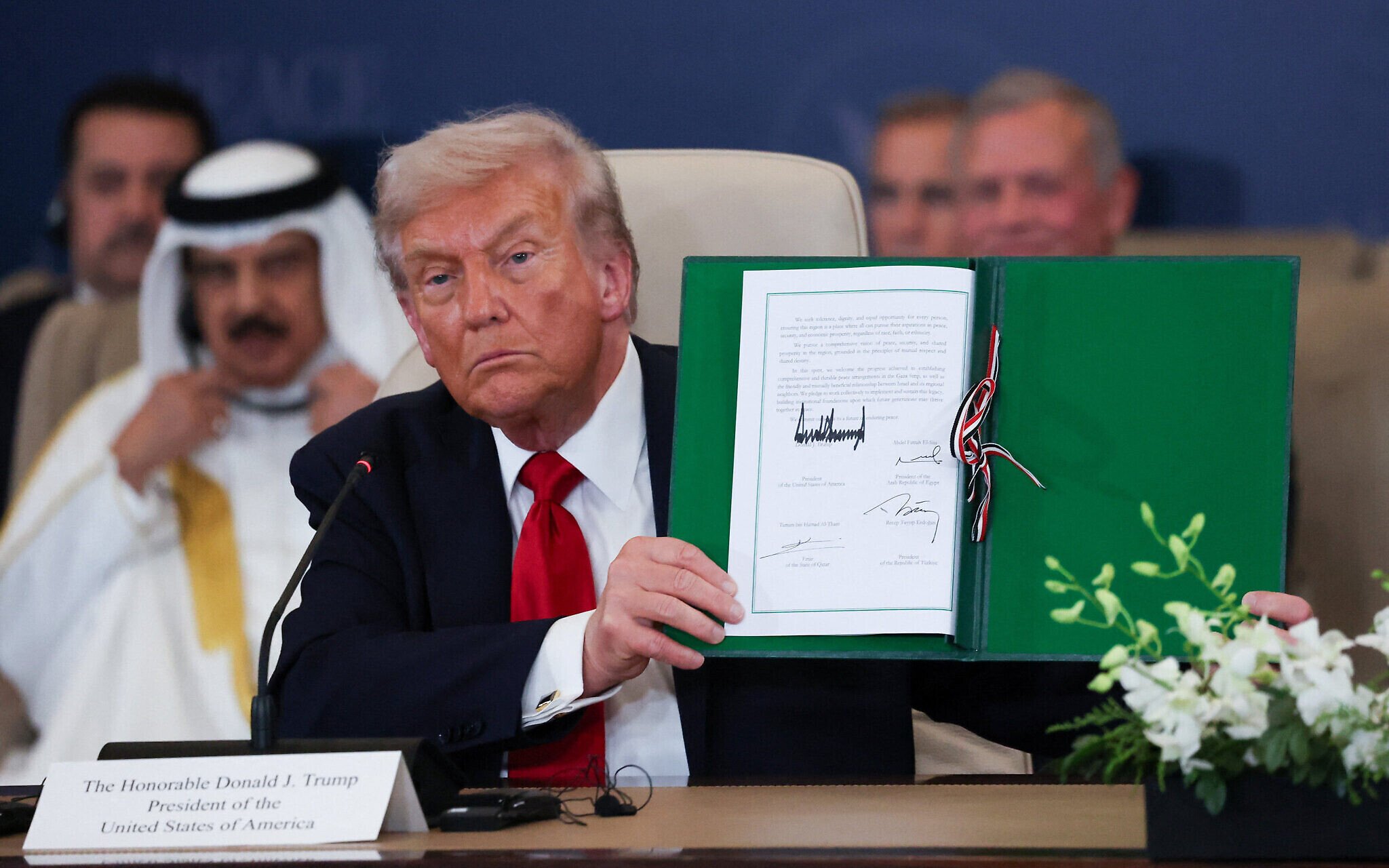
The first phase of the ceasefire in Gaza is still in effect, but it remains so only because of a concerted diplomatic effort from the United States.
Four senior officials from the Trump administration came through Israel last week to make sure the ceasefire did not collapse, even after a deadly Hamas attack on IDF soldiers in Rafah last week and the terror group’s failure to hand over most of the slain hostages it was holding.
“Do not act in a way that would endanger the ceasefire. We want to do everything to reach the second phase,” top White House Middle East advisers Jared Kushner and Steve Witkoff reportedly told Netanyahu.
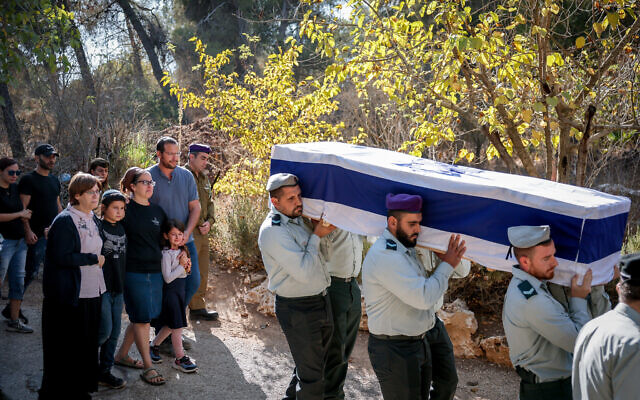
On Tuesday, Hamas struck again in Rafah, with a sniper killing an IDF reservist. Prime Minister Benjamin Netanyahu ordered the IDF to carry out “powerful strikes” on targets in Gaza in response to Hamas’s violation of the ceasefire. Gaza’s Hamas-affiliated health authorities reported more than 100 dead.
But by Wednesday morning, the ceasefire was back on. Netanyahu had ordered the strikes before notifying the Trump administration, but only carried them out after giving that notice; US officials had reportedly pushed Israel to limit its response to the sniper attack and to Hamas playing games with the return of bodies of slain hostages.
“Nothing is going to jeopardize” the Gaza ceasefire, US President Donald Trump declared on Wednesday.
Despite that insistent confidence, Trump — and the other leaders the president pulled in to support his peace plan — had plenty of reasons to worry when it comes to the viability not only of the ceasefire, but of his broader peace-for-Gaza vision.
The parties remain entangled in the deal’s first phase, which focuses on the return of all the living and dead hostages, and the release of almost 2,000 Palestinian terrorists and detainees and hundreds of bodies. This initial stage was supposed to be the more straightforward of the two, but has been precarious since it went into effect on October 10.
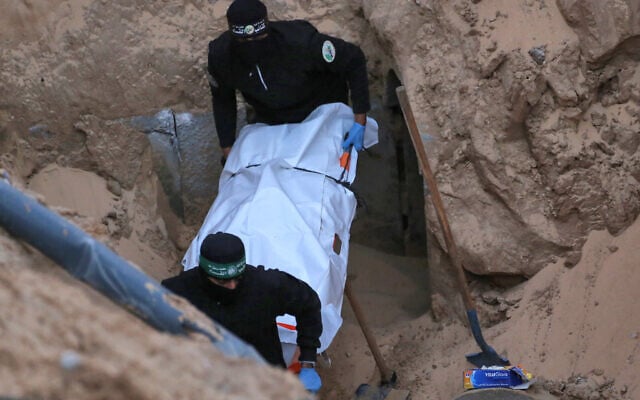
Much of the ceasefire’s turbulence has come from Hamas violations and Israel’s desire to respond forcefully. Hamas’s behavior has put the entire deal at risk, but the truce and hostage-release phase had tensions baked in.
Its exact terms were not fully clear. The involved parties did not agree which ceasefire documents were binding. And no matter what Hamas believes its obligations are, the fact that the terms remain vague in important respects seems to give the group reason to believe it can find a way to evade the stated Trump vision of a Gaza in which Hamas plays no part whatsoever.
Document 1 – Trump’s 20-point plan
Though Israeli and US officials refer regularly to Trump’s “20-point plan” as the basis for what was meant to unfold, it is not the only ceasefire document circulating.
Trump indeed presented a 20-point plan, which lays out a long-term process that culminates in a “deradicalized, terror-free” Gaza, interfaith dialogue, and the reconstruction of the Strip.
“Hamas and other factions agree to not have any role in the governance of Gaza, directly, indirectly, or in any form,” reads Trump’s plan. “All military, terror, and offensive infrastructure, including tunnels and weapon production facilities, will be destroyed and not rebuilt.”
Hamas was also to be entirely disarmed, according to the document.
And it is very clear that Hamas was required to release all hostages at the outset: “Within 72 hours of Israel publicly accepting this agreement, all hostages, alive and deceased, will be returned,” it reads. Only after every living and dead hostage is handed over, it continues, will “Israel will release 250 life sentence prisoners plus 1,700 Gazans who were detained after October 7, 2023.”
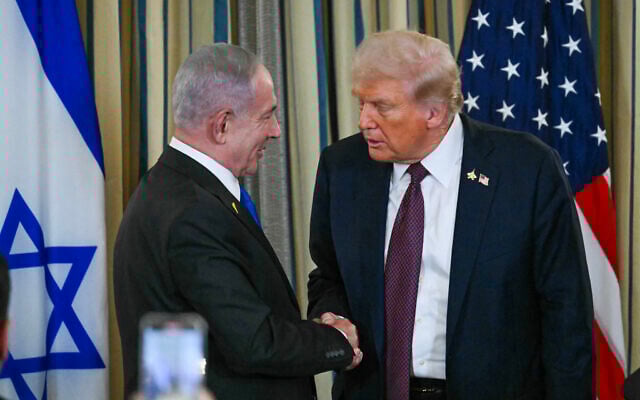
If fully implemented, the document adds up to a Hamas surrender and the fulfillment of Israel’s war aims.
Notably, however, the 20-point plan was never signed by Israel or Hamas.
It was, rather, publicly accepted by Netanyahu during his most recent White House visit on September 29.
And it was endorsed by Hamas in a statement issued on October 3, but with significant conditions.
“In order to achieve a cessation of hostilities and a complete withdrawal from the Gaza Strip,” said Hamas, “the movement announces its agreement to release all Israeli prisoners, both living and dead, according to the exchange formula contained in President Trump’s proposal, provided the field conditions for the exchange are met.”
It also said it “renews its agreement to hand over the administration of the Gaza Strip to a Palestinian body of independents (technocrats), based on Palestinian national consensus and Arab and Islamic support.”
Regarding the “other issues mentioned in President Trump’s proposal” — a euphemism for disarming — Hamas said these would “be discussed within a comprehensive Palestinian national framework.”
This was certainly not a firm, definitive, and explicit commitment to the 20 points. However, Trump chose to hail it immediately as evidence that Hamas was “ready for a lasting peace,” and has continued to treat Hamas’s response as acceptance.
Document 2 – The Sharm one-pager
The day before the ceasefire began, Israel, Hamas, and the mediating countries in Sharm el-Sheikh signed another document, this a one-page instrument laying out the “implementation steps” and an IDF redeployment map for Trump’s plan.
The Sharm document focuses on the first phase of the Trump program, primarily the hostage-for-prisoners swap.
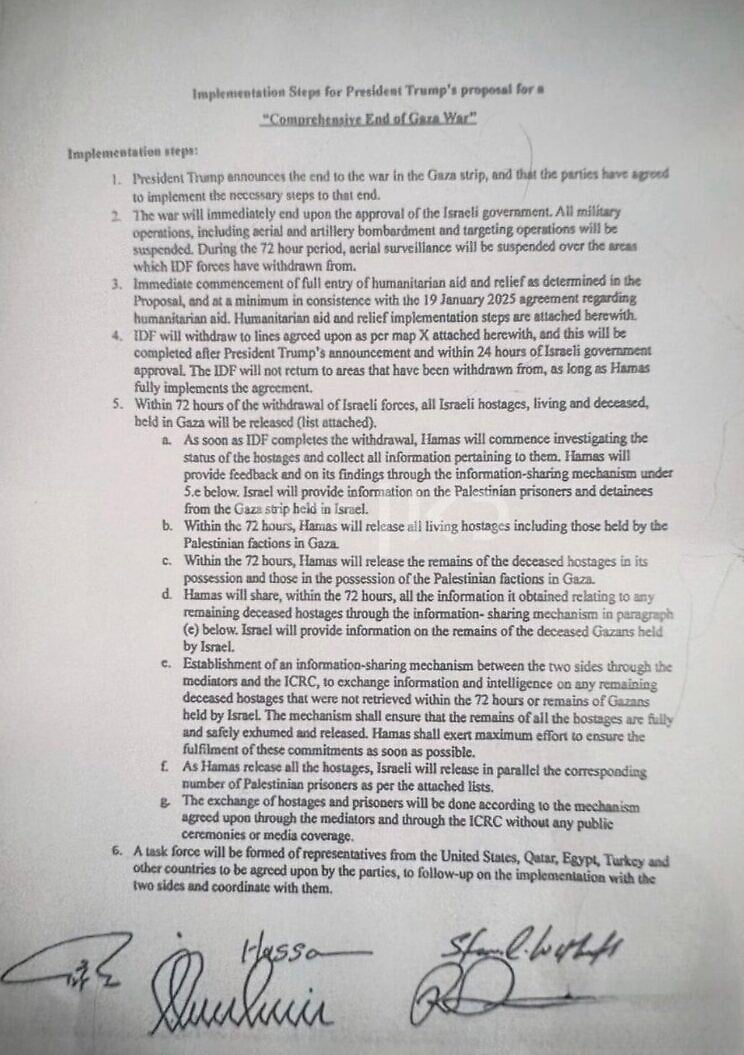
Though the contours of the document are broadly the same as the 20-point vision, there are key differences in the order of the releases.
Like the Trump plan, the one-page document demands that “within 72 hours of the withdrawal of Israeli forces, all Israeli hostages, living and deceased, held in Gaza will be released.”
But it then waters that down. All living hostages are to be returned within that window, it goes on to say, but it only demands that Hamas release those of “the deceased hostages in its possession.” As for those the terror group was not holding, it was required to share all the information it had on them within those first 72 hours.
The wording thus gives Hamas an opening to claim that it is unable to hand over an unstated number of bodies because they are not “in its possession” — the document does not define the term — and to spread the process over the span of weeks, if not longer, with no explicit deadline.
Another clause, rather vaguely and contradictorily, requires that “Hamas shall exert maximum effort” to fulfill its commitments on handing over bodies and sharing information about the whereabouts of the rest “as soon as possible.”
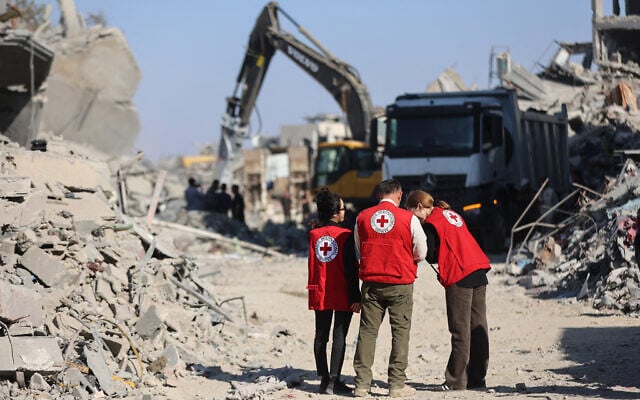
The one-page document is similarly hazy about when Israel would have to release hardened terrorists: “As Hamas releases all the hostages, Israeli [sic] will release in parallel the corresponding number of Palestinian prisoners as per the attached lists.”
Does “all the hostages” mean Israel does not have to release terrorists until all 48 dead and living hostages are handed over? Does the term only refer to the 20 living hostages?
As it played out, Israel released all of the Palestinian prisoners it had committed to freeing as soon all the living hostages were back in Israel, and before a single body was handed over. Hamas returned no deceased hostages in the 72-hour window, and it is not known what information on deceased hostages it made available within the deadline.
Document 3 – Sharm leaders’ declaration
There is also a third document, a declaration signed by Trump and the leaders of Qatar, Egypt, and Turkey at a summit in Sharm el-Sheikh on October 13, with dozens of regional and world leaders present.
The summit took place just after Trump’s speech at the Knesset in Jerusalem.
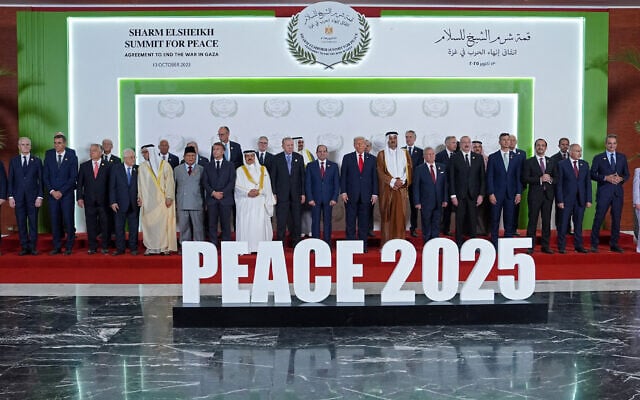
The document does not delve into the specifics of the Gaza ceasefire. Instead, it expresses support for Trump’s plan and hope for “a new chapter for the region defined by hope, security, and a shared vision for peace and prosperity.”
The four leaders affirm their determination to “dismantle extremism and radicalization in all its forms,” and welcome “the friendly and mutually beneficial relationship between Israel and its regional neighbors.”
Not only does the document not commit to Hamas being excluded from power and disarming, it doesn’t even mention the terror group.
But that’s about it.
It is full of wonderful sentiments, but is entirely nebulous. Not only does the document not commit to Hamas being excluded from power and disarming, it does not even mention the terror group.
The signatories include one (Turkey) that is openly hostile to Israel and supportive of Hamas, and another (Qatar) with which the Netanyahu government has had a complex and ambiguous relationship that included encouraging Doha’s funding of Hamas-run Gaza, alleged conflicts of interest within the Prime Minister’s Office, and a failed IAF airstrike on Hamas leaders in Doha. Israel did not sign the document. Trump secured a last-minute invitation to the summit for Prime Minister Benjamin Netanyahu from Egypt’s President Abdel-Fattah el-Sissi, but Netanyahu declined given the event’s proximity to the start of Simhat Torah.
Ill-defined, by design
Speaking at the newly established US-Israel Civil-Military Coordination Center in Kiryat Gat last week, US Secretary of State Marco Rubio referred to countries “who signed onto this plan.”
“Everyone who signed onto this plan,” he said, “all of these other countries, agreed, everyone agreed, that Hamas cannot govern and cannot be involved in governing the future of Gaza. Everyone’s agreed to that.”
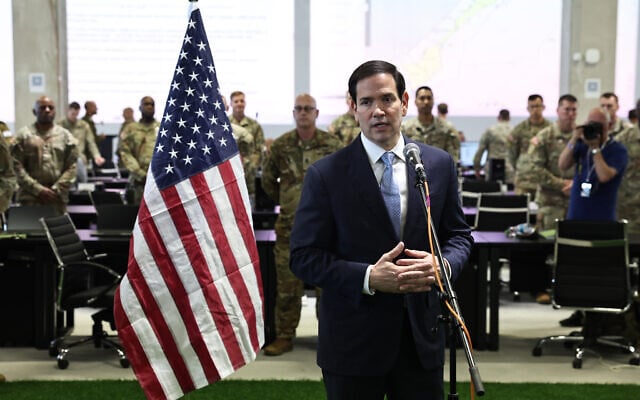
In fact, it is not clear that any of the countries that have signaled backing for Trump’s 20-point Gaza plan, including those that gathered at the Sharm summit and those that have sent representatives to the CMCC headquarters, have ever signed on to the idea of Hamas being pushed aside.
At best, Turkey, Qatar, and Egypt signed the Sharm declaration that welcomes the “implementation by all parties to the Trump Peace Agreement,” and committed to “implement this agreement in a manner that ensures peace, security, stability, and opportunity for all peoples of the region, including both Palestinians and Israelis.”
The many other countries at the Sharm summit signed nothing.
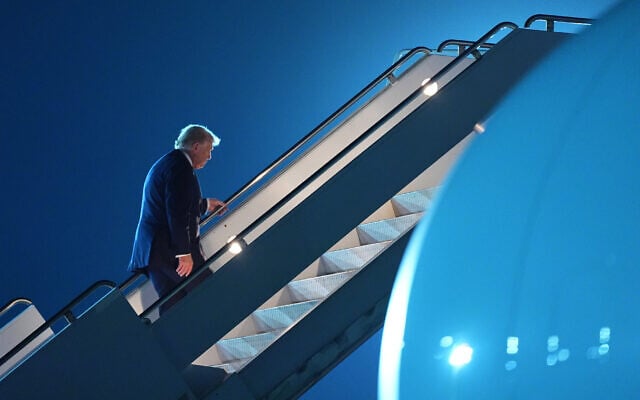
Israel, Hamas, and the Egyptian, Qatari, and American mediators signed the one-page October 9 document, but that only deals with the first phase of the deal, not the disarmament of Hamas or the governance of Gaza.
No one at all signed Trump’s 20-point plan, which explicitly calls for Hamas to give up its arms and any semblance of rule.
The ambiguity around what Israel and Hamas committed to, and to what exactly the countries overseeing the ceasefire’s implementation are bound, leaves plenty of room for Hamas to wriggle its way out of terms it does not like and to drag the process out.
It also leaves Israel clinging to Trump’s promises about Hamas disarmament, rather than a signed obligation by Hamas.
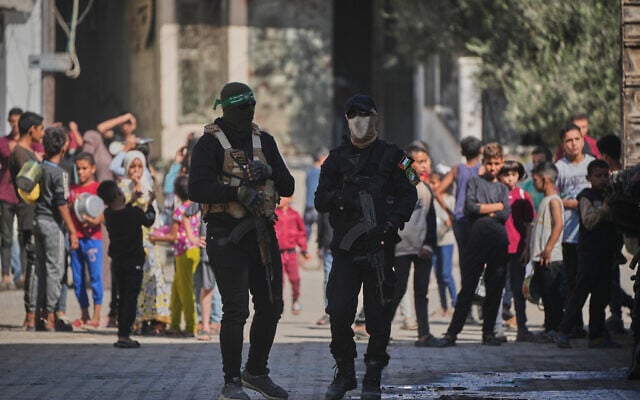
But there is logic to the confusing reality around the Gaza process.
If Trump had insisted that all the involved parties sign on to every element of his 20-point vision, it is far less likely that he would have found buy-in from so many international partners, let alone Hamas itself.
With his deliberately ambiguous approach, the president let all the players believe that their concerns were being met, and prioritized momentum above all.
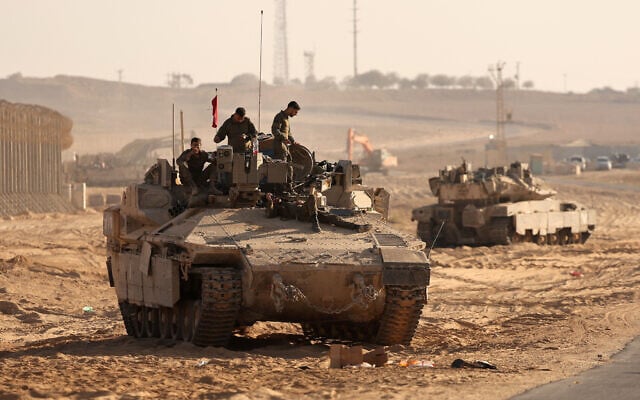
“Phase two begins right NOW!!!” Trump declared on Truth Social on October 14, just four days into the ceasefire, while 24 hostage bodies remained in Gaza.
That was too optimistic even by Trump’s standards, but he has made sure, despite serious violations by Hamas and growing frustration in Israel about US-imposed restrictions on its response, that the ceasefire is lumbering along.
Israel has its work cut out for the foreseeable future. It will have to balance its commitment to bringing the remaining slain hostages back, its desire to move to Hamas disarmament, and the need to deter the terror group from continuing to attack its soldiers. Netanyahu has to do all of that while facing domestic criticism that he is being too soft on Hamas, and, as ever, while making sure not to cross Trump.






The Times of Israel Community.