

In breakthrough, Israeli scientists develop ‘all-in-one’ DNA test for leishmaniasis infection
Analyzing nearly 2,000 live specimens, researchers used a novel lab technique to rapidly identify the sand fly, detect parasites and pinpoint the source of the blood meal
 Add ToI as a Preferred Source on Google
Reporter at The Times of Israel
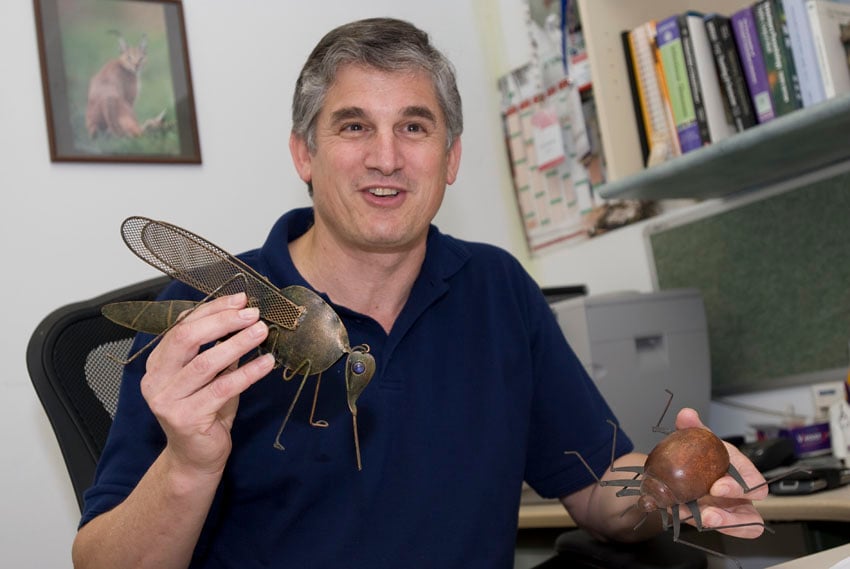
A breakthrough method to help identify sand fly species that cause leishmaniasis, a parasitic disease affecting both humans and animals, has been developed by researchers at the Hebrew University of Jerusalem and the Health Ministry.
In a study published in the peer-reviewed PLOS Neglected Tropical Diseases, lead author Prof. Gad Baneth introduced a novel laboratory technique that can simultaneously identify sand fly species, detect leishmania parasites, and pinpoint the source of the insect’s blood meal, all from a single specimen. Baneth holds the Rybak-Pearson Chair in Veterinary Medicine at the Hebrew University of Jerusalem’s Koret School of Veterinary Medicine and is a researcher in the Health Ministry’s Laboratory of Entomology.
“We can now replace time-consuming, costly traditional methods to trace the parasite’s journey from animal to insect to human with unprecedented precision,” Baneth told The Times of Israel.
The new tool provides veterinarians and public health authorities with a way to monitor and control leishmaniasis — also known in Israel as “Rose of Jericho” — which the Health Ministry said has increased dramatically in the last 15 years.
Known to plague residents of Israel’s desert regions, cutaneous leishmaniasis, which leads to skin lesions or ulcers, affected dozens of soldiers during the war against Hamas in Gaza.
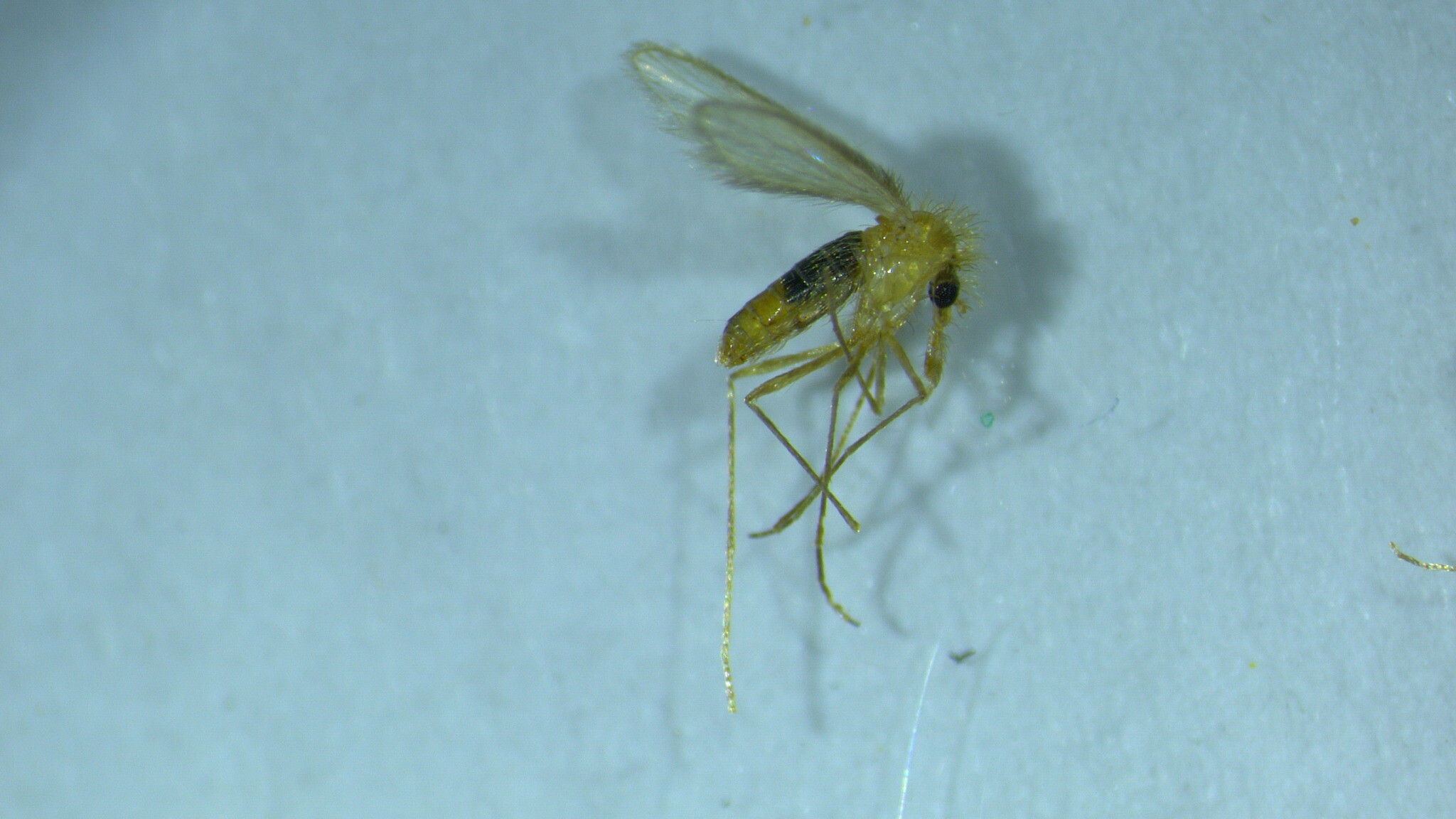
The sand fly passes on the parasite
Leishmaniasis has become a significant public health concern in large parts of the world, Baneth said, with limited diagnostic tools available for effective surveillance and control.
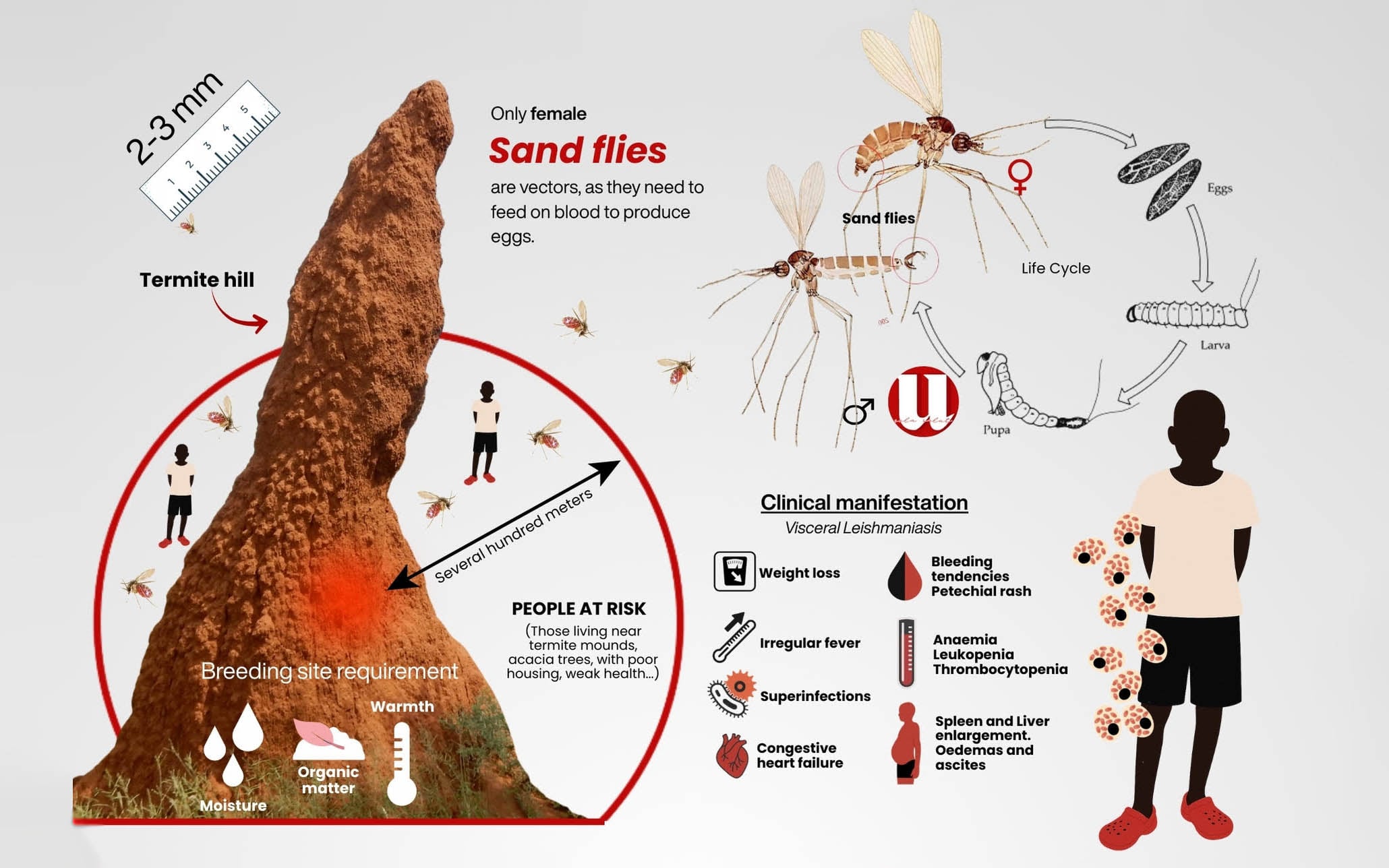
The disease is caused by tiny parasites of the genus Leishmania that spread to people through the bites of sand flies, which are insects similar in size to mosquitoes.
First, the disease starts with animals, including dogs, or rodents such as gerbils or sand rats, that carry the parasite in their bodies.
Then, when a sand fly, in this case the vector, bites the infected animal, it sucks up the parasite along with the blood. If the sandfly bites a person, it passes on the parasite into the human skin.
Cutaneous leishmaniasis is the most common form of the disease in Israel, according to the Health Ministry. The skin ulcers appear at the site of the bite, usually in exposed body parts such as the limbs and face.
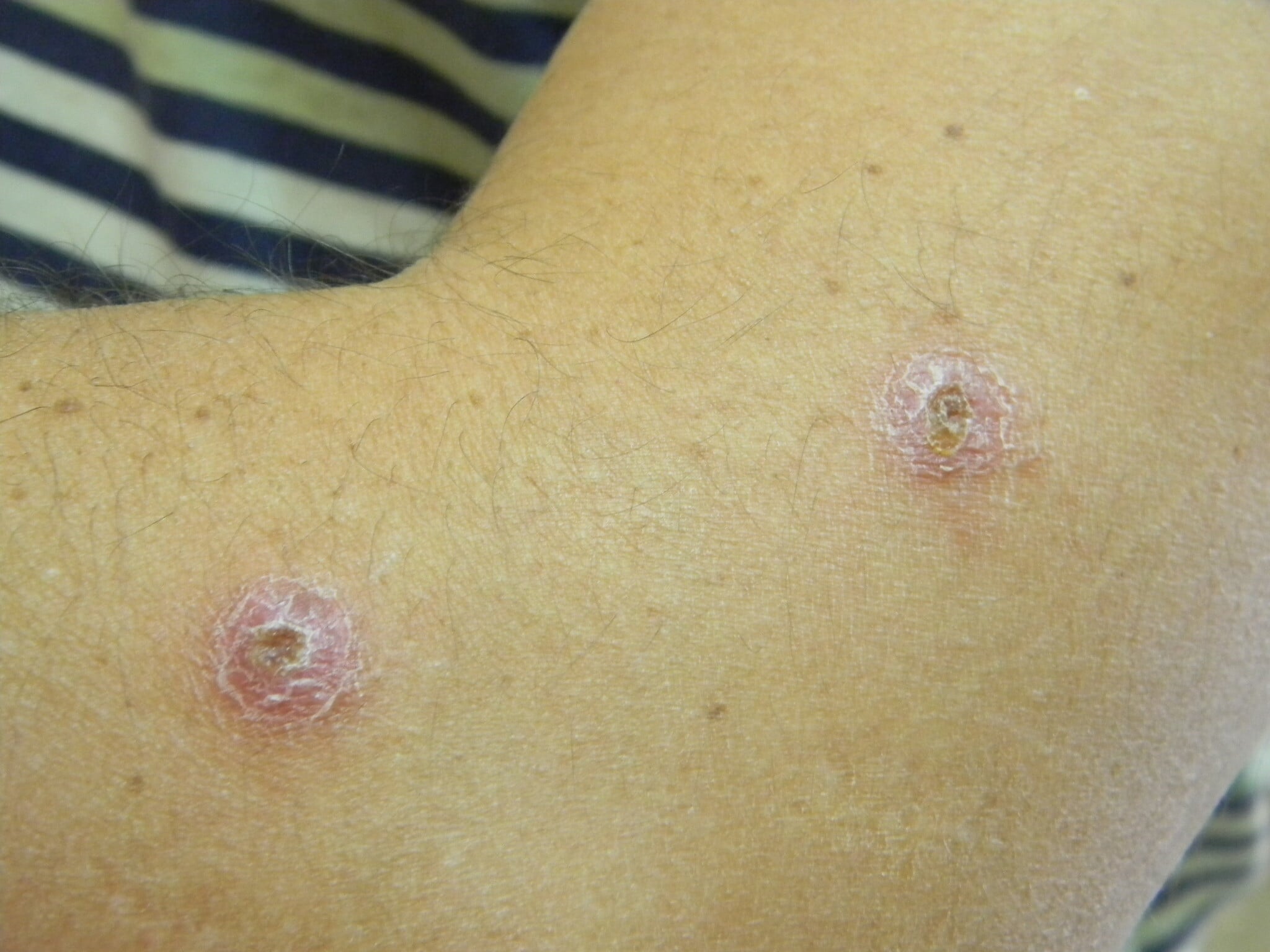
Medication such as topical creams and injections into the affected areas can shorten the duration of the disease, but the ulcers, though nonlethal, can be painful.
However, visceral leishmaniasis, which is caused by a different species of the parasite and found in parts of India and Africa, can be fatal in 95 percent of cases if left untreated, according to the World Health Organization (WHO), which estimates that 700,000 to 1 million new cases occur annually.
“This is a deadly form of the disease that infects children, babies, and also immunocompromised people,” Baneth said.
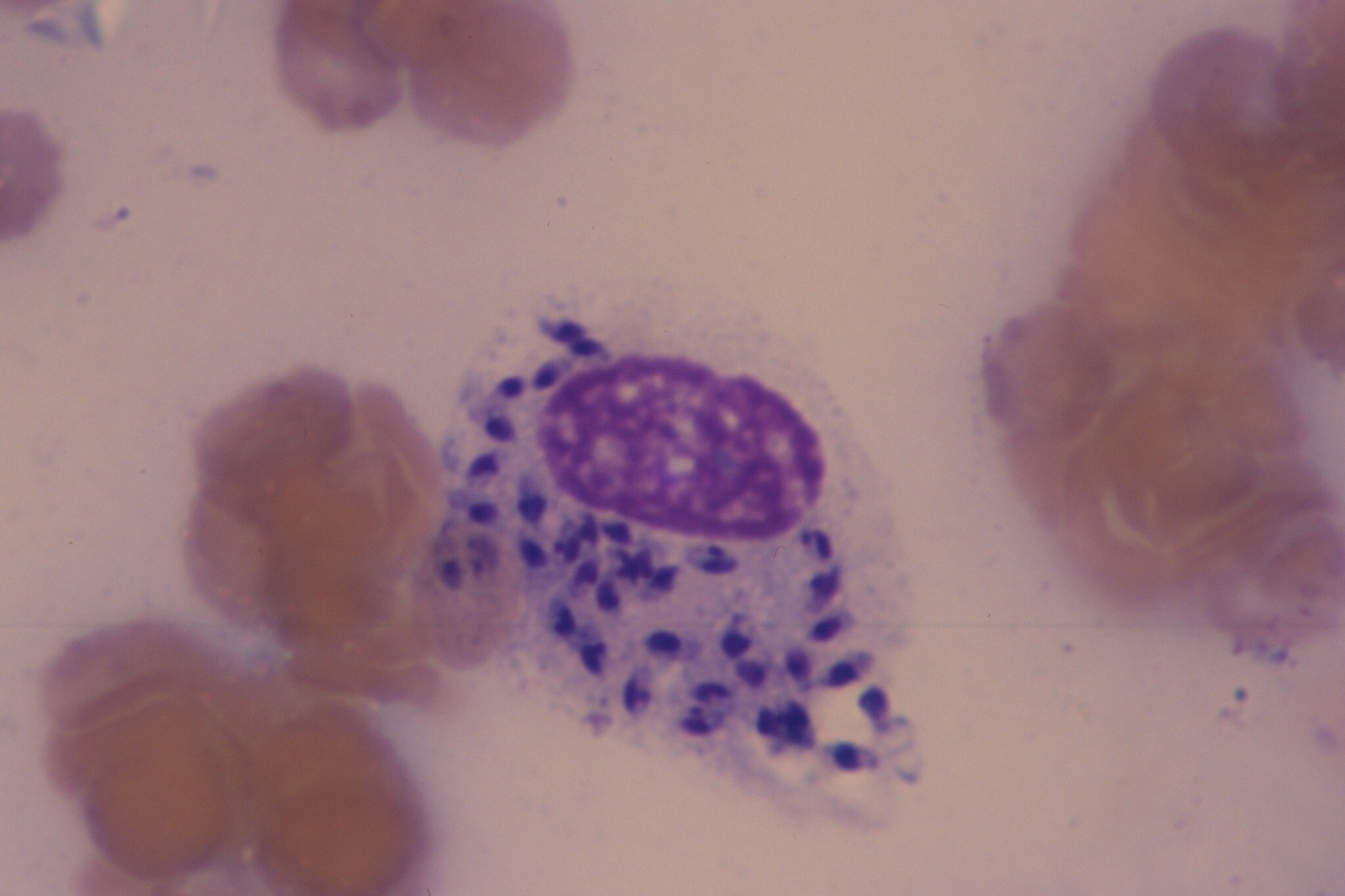
A technique to examine sand flies’ DNA
The research team analyzed nearly 2,000 sand flies collected across Israel, identifying 12 distinct sand fly species, four species of Leishmania, and 25 different blood meal sources, ranging from domestic cats and cows to rock hyraxes and hares.
The team used a technique called HRM-PCR (high-resolution melting polymerase chain reaction) to study the sand flies’ DNA.
As DNA gets heated, it melts at different temperatures, and its strands come apart. This enabled the scientists to identify three important components of the disease all at once, Baneth said.
“We can determine the species of the sand fly, which animal or human has been fed on, and also the presence of the leishmania parasite, at the same time,” Baneth said.
This is the first time scientists are able to obtain all of this data through a single test.
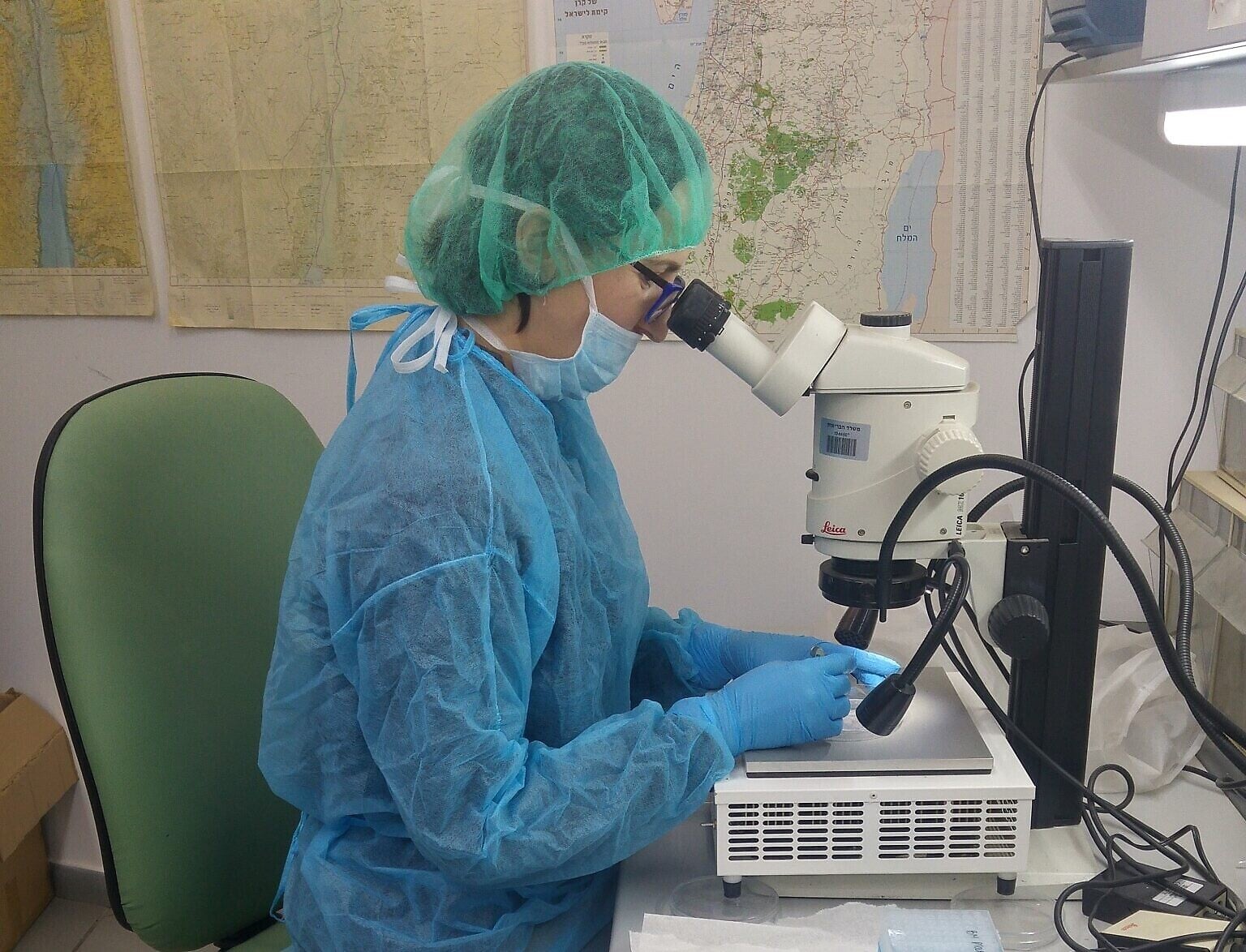
“This one assay covers everything at the same time. It’s quite rapid, and it can provide results within a few hours,” Baneth said.
Baneth said that the test will have practical uses.
“If, for example, the IDF wants to open a new base, or an industry wants to open a new plant somewhere in the desert, we can tell them where there are sand flies or leishmania parasites endemic to the area,” Baneth said.
“When you work with hundreds of sand fly samples, you really need a tool that can speed up the analyses,” said Dr. Eva Baixauli Algaba, a veterinarian who collaborates with Daktari Andorra, a nonprofit that works in Uganda, where the sometimes deadly visceral leishmaniasis is on the rise.
Algaba is not involved with Baneth’s research. In a written reply to The Times of Israel, she said that “with a single HRM test we could identify the sand fly species, determine what animal it fed on, and detect whether it carries leishmania.”
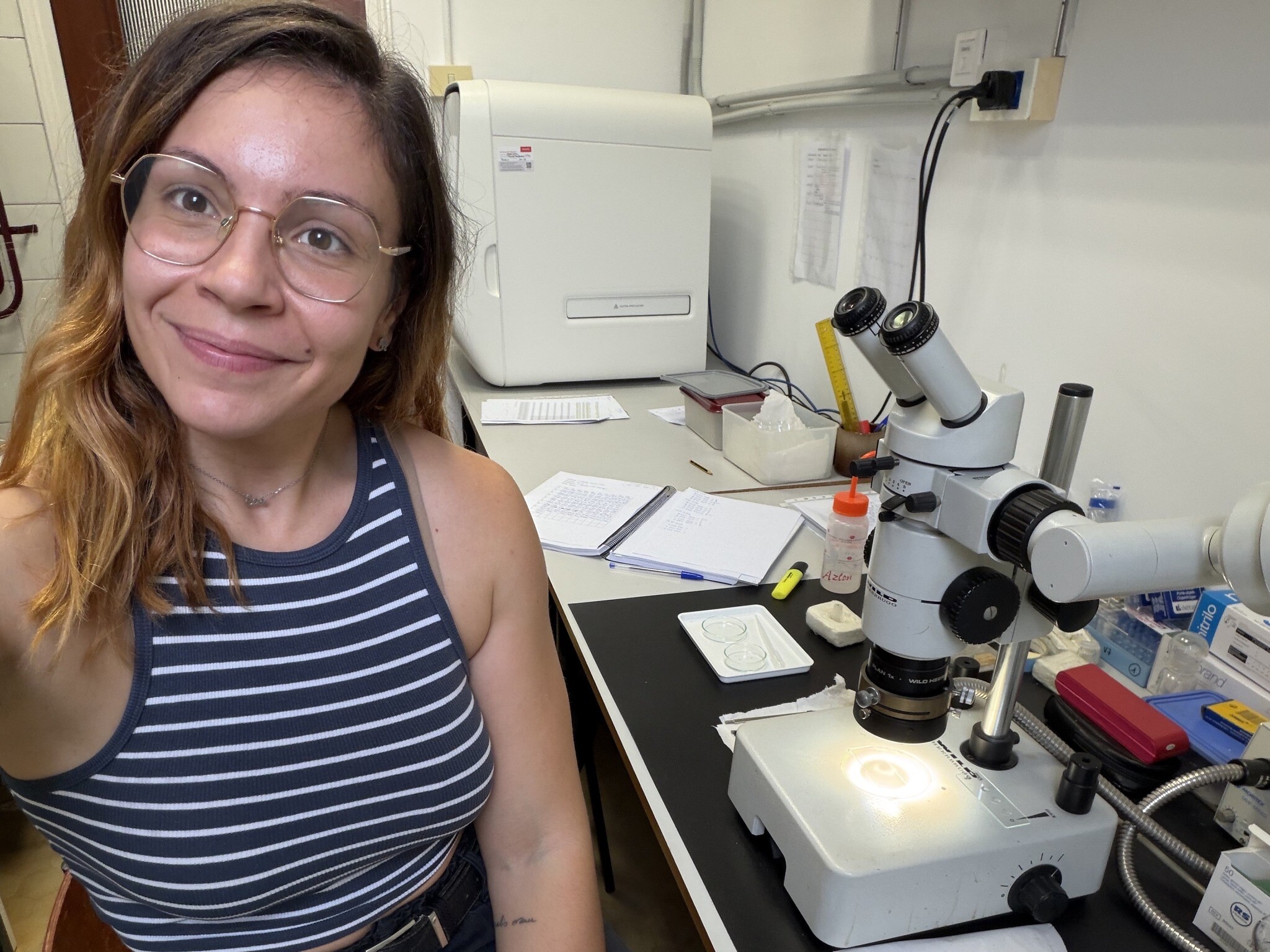
“It’s a very promising approach,” she said, adding that she hopes to be able to apply it to the leishmaniasis project in Uganda, “so we can get faster answers and act more quickly to protect the most vulnerable communities in Africa.”
The rapid and precise identification of infected vectors and animal hosts allows scientists to “anticipate” emerging locations and “protect both animal and human populations,” Baneth said.










The Times of Israel Community.