

IDF kills Hezbollah chief engineer; 3 troops hurt in Lebanon clashes
Ministers said to demand cabinet vote on truce deal, but Netanyahu answers he is waiting for terror group to agree to terms
 Add ToI as a Preferred Source on Google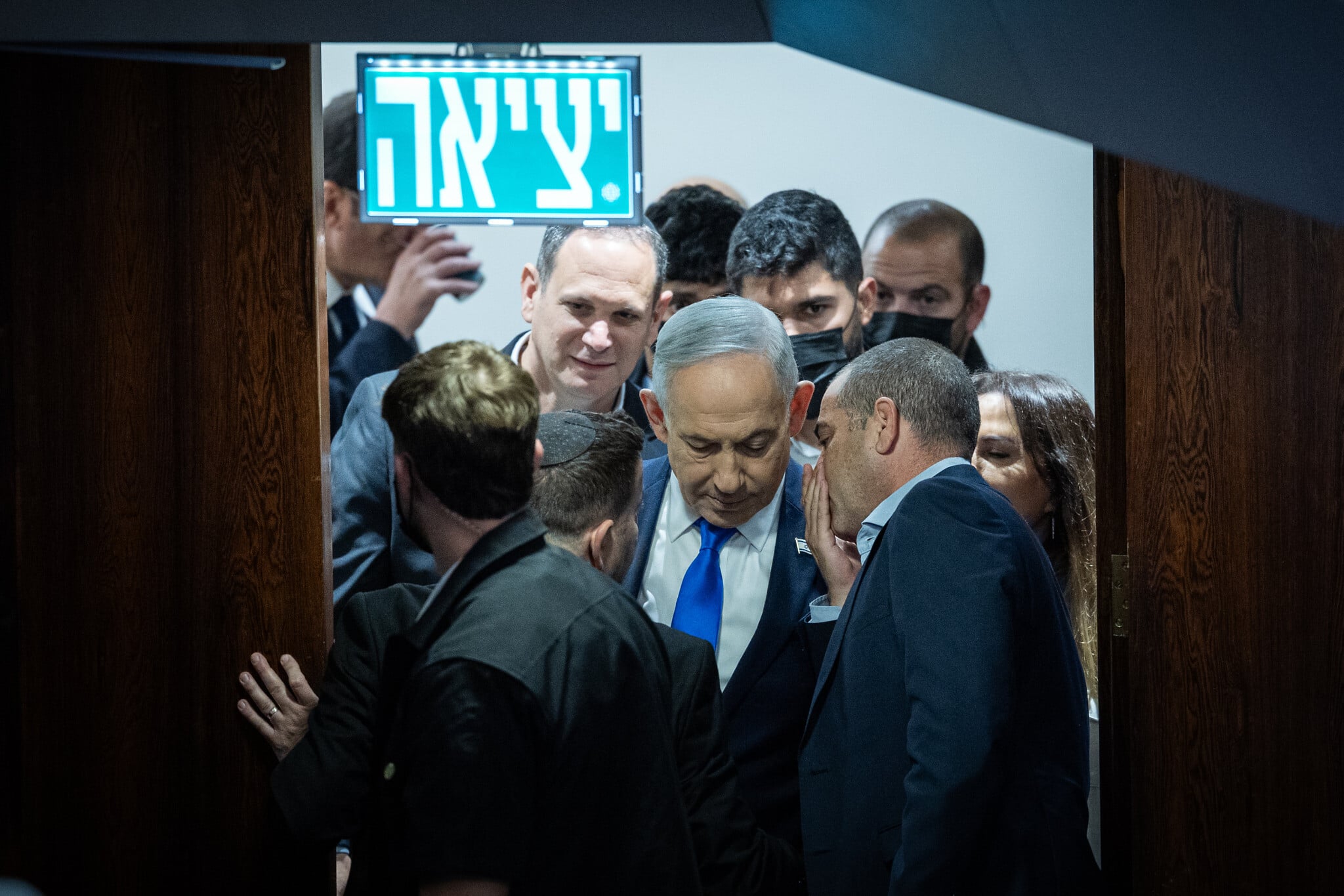
The Israel Defense Forces said Friday that a strike in Lebanon last week had killed Hezbollah’s chief engineer. It also announced that three soldiers had been injured in two separate incidents in southern Lebanon.
The military said it struck Abed Harb, the commander of Hezbollah’s engineering unit, after he “attempted to harm” Israeli soldiers.
Serious fighting continued to rage in southern Lebanon, with two officers wounded on Friday morning when troops of the Givati Brigade’s Reconnaissance Unit exchanged fire with Hezbollah operatives in the town of Zawtar al-Sharqiyah, the IDF said.
Meanwhile, a report said some government ministers were unhappy with the ceasefire announced this week and had unsuccessfully demanded a cabinet vote on it.
Prime Minister Benjamin Netanyahu answered that he wouldn’t call a vote on the latest iteration of the US-brokered truce until Hezbollah has accepted its terms, the Ynet news site reported.
According to the outlet, ministers criticized the fragile ceasefire — which Israeli and Lebanese delegations agreed to renew during a meeting in Washington on Wednesday — during a cabinet meeting Thursday night, and demanded that it be brought to a vote in the cabinet before Israel accepts its terms.
Netanyahu refused to call a vote, however, telling the ministers that “at the moment, there is no deal” because Hezbollah has refused to accept its terms.
“Hezbollah is opposed, and therefore I am not making a decision,” he said, according to Ynet, adding that “if it agrees, I will bring it for your approval.”
Hezbollah leader Naim Qassem appeared to reject the US-brokered ceasefire on Thursday, saying that his Iran-backed terror group will keep bombarding northern Israel as long as strikes continue in Lebanon.
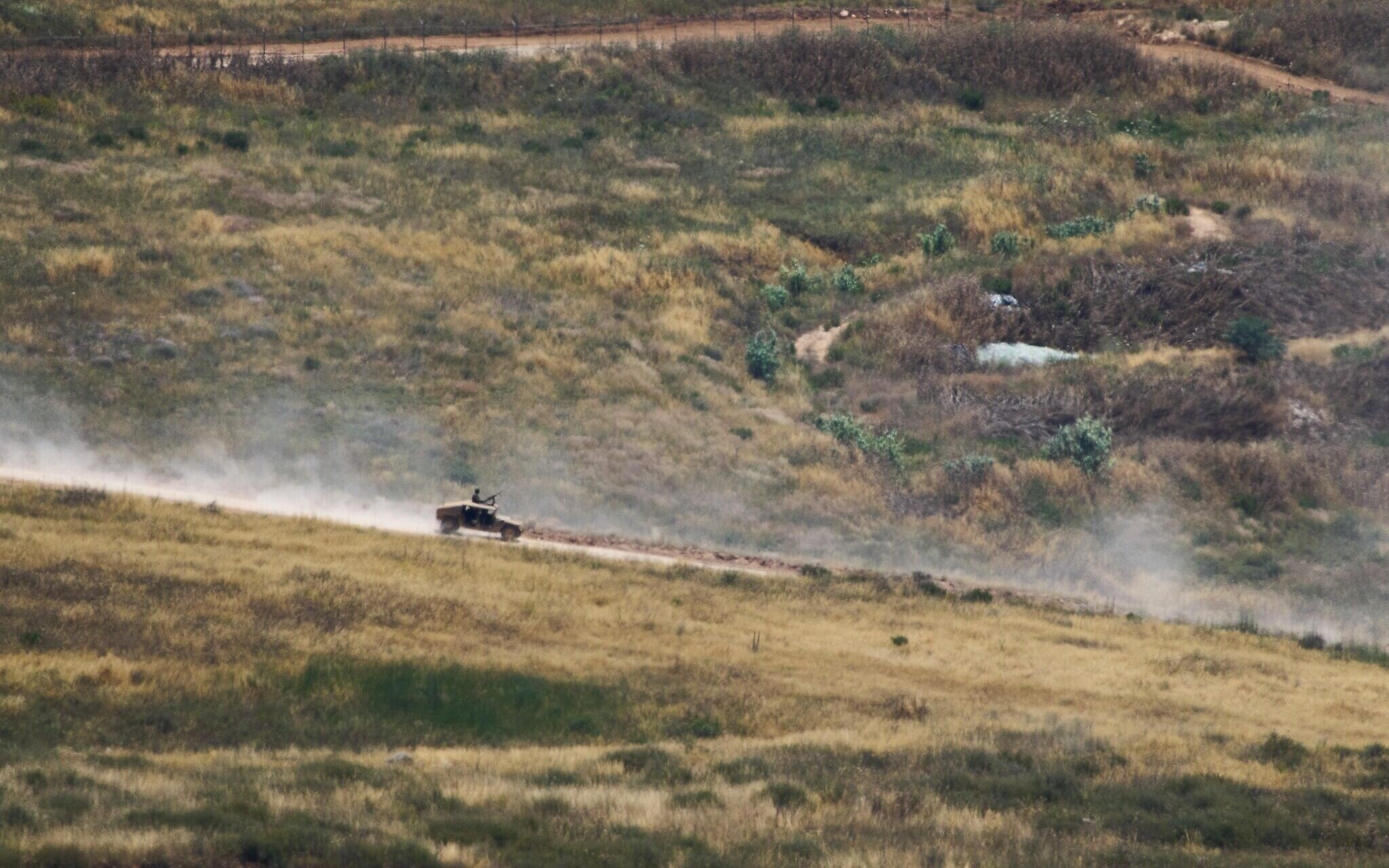
The exchange of fire in which the soldiers were injured took place at around 8 a.m. Friday. The IDF said one officer in the unit was severely hurt in the exchange of fire, and the unit’s commander, a lieutenant colonel, was lightly hurt.
According to the military, the troops opened fire on the Hezbollah gunmen and launched searches, as well as struck Hezbollah infrastructure in the area.
The seriously wounded officer was immediately airlifted to a hospital. The reconnaissance unit commander was evacuated only several hours later, after medical officials decided he required hospitalization.
Later on Friday, the IDF said troops carried out scans in the area, during which they “located and eliminated two terrorists from the incident.”
In a separate incident on Thursday, an officer was seriously wounded by an apparent Hezbollah explosive drone in southern Lebanon, the IDF said.
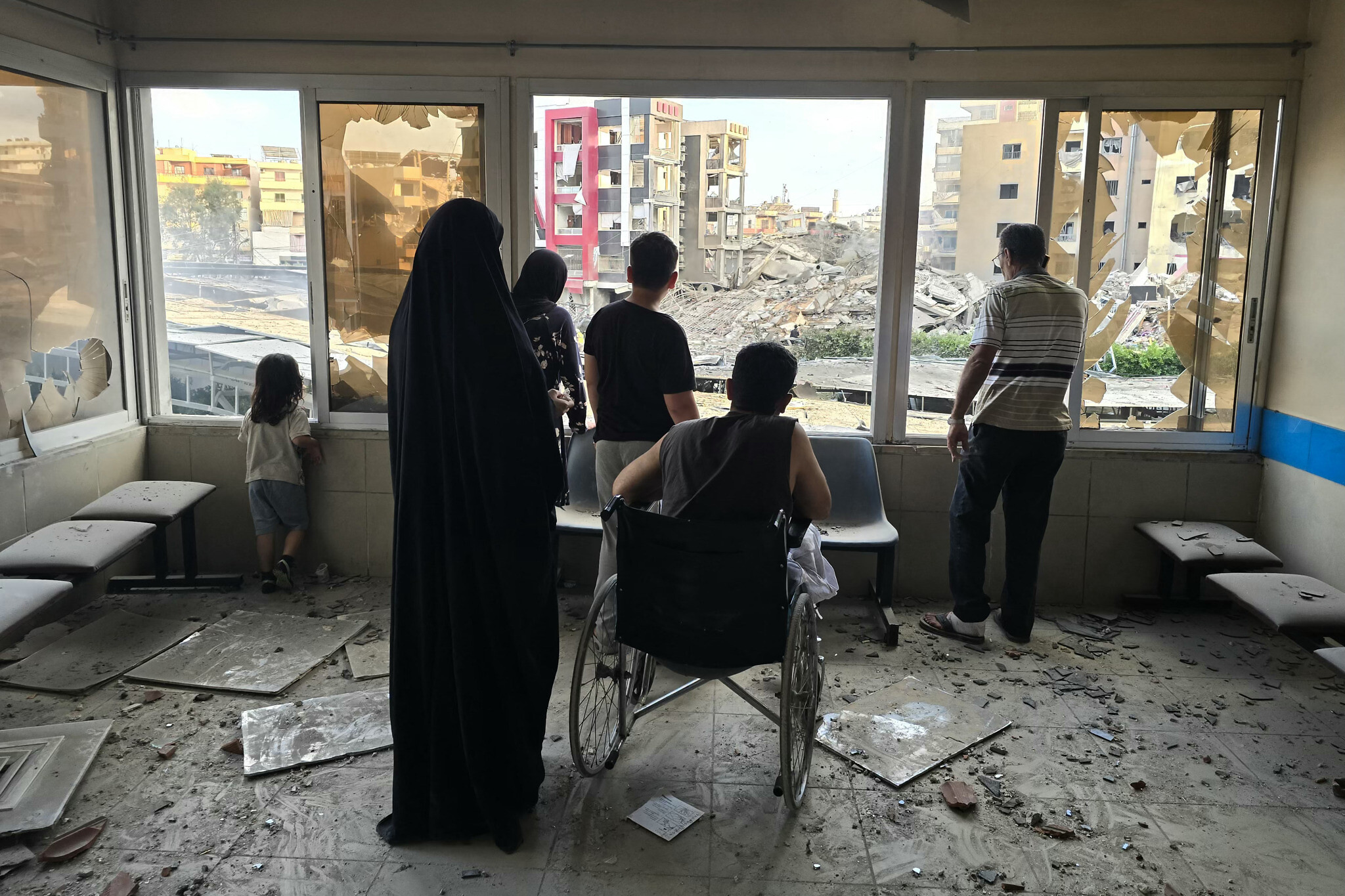
Israeli strikes on Thursday night in the southern Lebanese city of Tyre killed seven people, a source from the country’s civil defense told AFP, without saying if they were combatants or civilians.
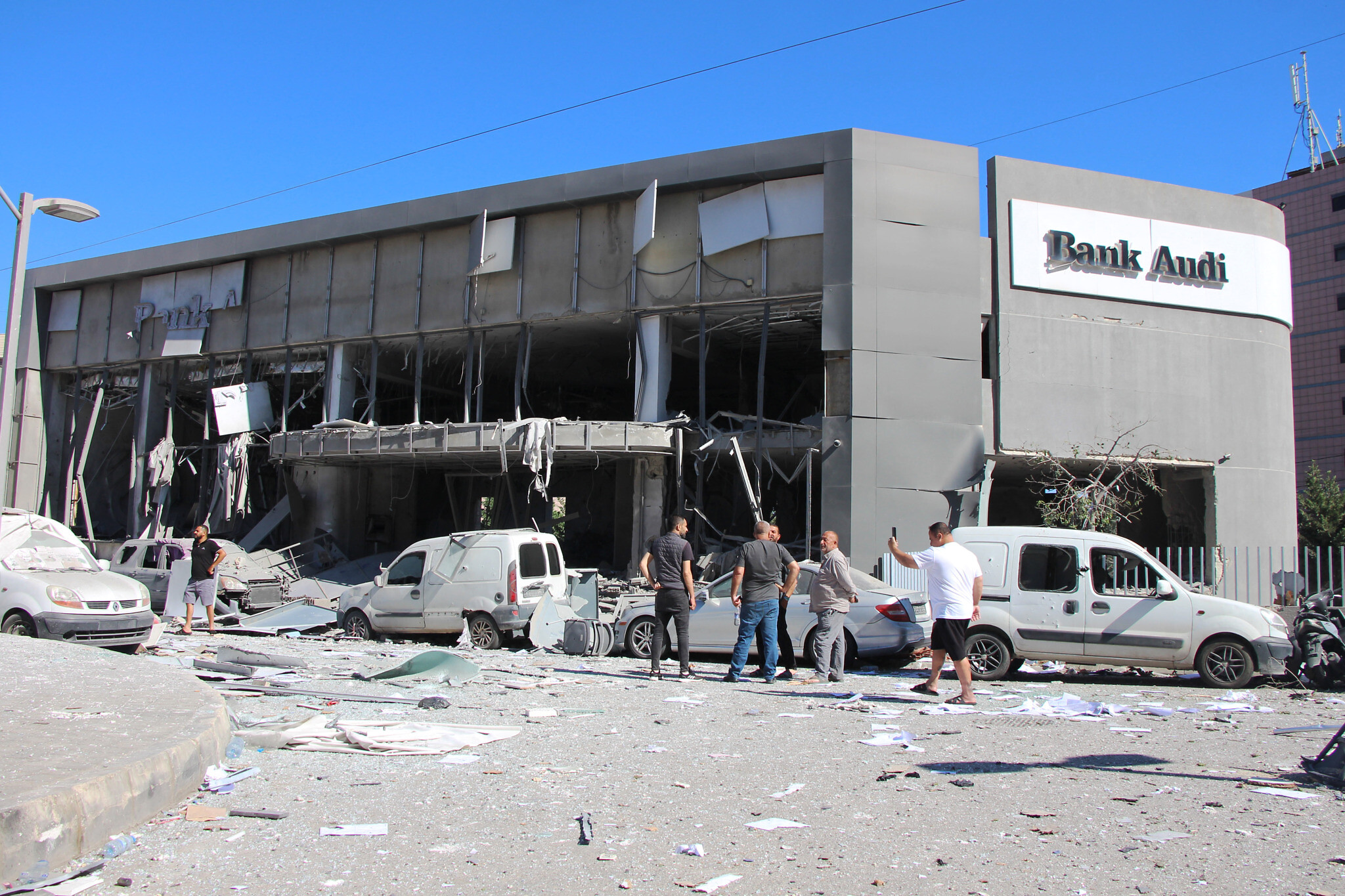
One strike near Jabal Amel hospital killed four people, wounded seven and lightly damaged the facility, while another in a residential area killed three and wounded five, including two children.
On Friday, an AFP correspondent saw a bank heavily damaged near the Jabal Amel medical facility, one of three hospitals in Tyre. The hospital has been damaged by strikes on several occasions during the war, most recently in an attack on Monday that killed four people and wounded 127, including 39 staff.
Following Israeli orders for residents to leave most of Tyre, many people have sought shelter in its small Old City, which has so far been spared evacuation warnings and strikes. It is where the Christian quarter is located.
With shelters full, displaced people have been sleeping in cars or tents, but many have left since the Israeli army claimed on Tuesday that Hezbollah members were operating in the area, according to the AFP correspondent.
On Friday, the IDF issued new evacuation warnings for nine villages and towns in southern Lebanon, ahead of airstrikes targeting Hezbollah.
Residents of Aarnaya, Aanqoun and Kfar Fila were instructed to evacuate at least a kilometer away.
Later, the army issued a separate statement warning residents of Sarafand, Tefahta, Babliyeh, Qaaqaaiyet al-Snoubar, Merouaniyeh and Saksakiyeh to head north of the Zahrani River.
“In light of the Hezbollah terror organization’s violations of the ceasefire agreement and its targeting of Israel’s home front, the IDF is forced to act against it with force, especially in your areas. The IDF does not intend to harm you,” warned army spokesman Col. Avichay Adraee.
Veteran Hezbollah commander killed
Regarding the killing of Hezbollah engineer Harb, the army said he “commanded the engineering unit that was responsible for assembling and deploying explosives intended to harm IDF soldiers in southern Lebanon.”
The IDF said Harb was a veteran commander in Hezbollah and was responsible for “numerous attacks against IDF soldiers” over the decades.
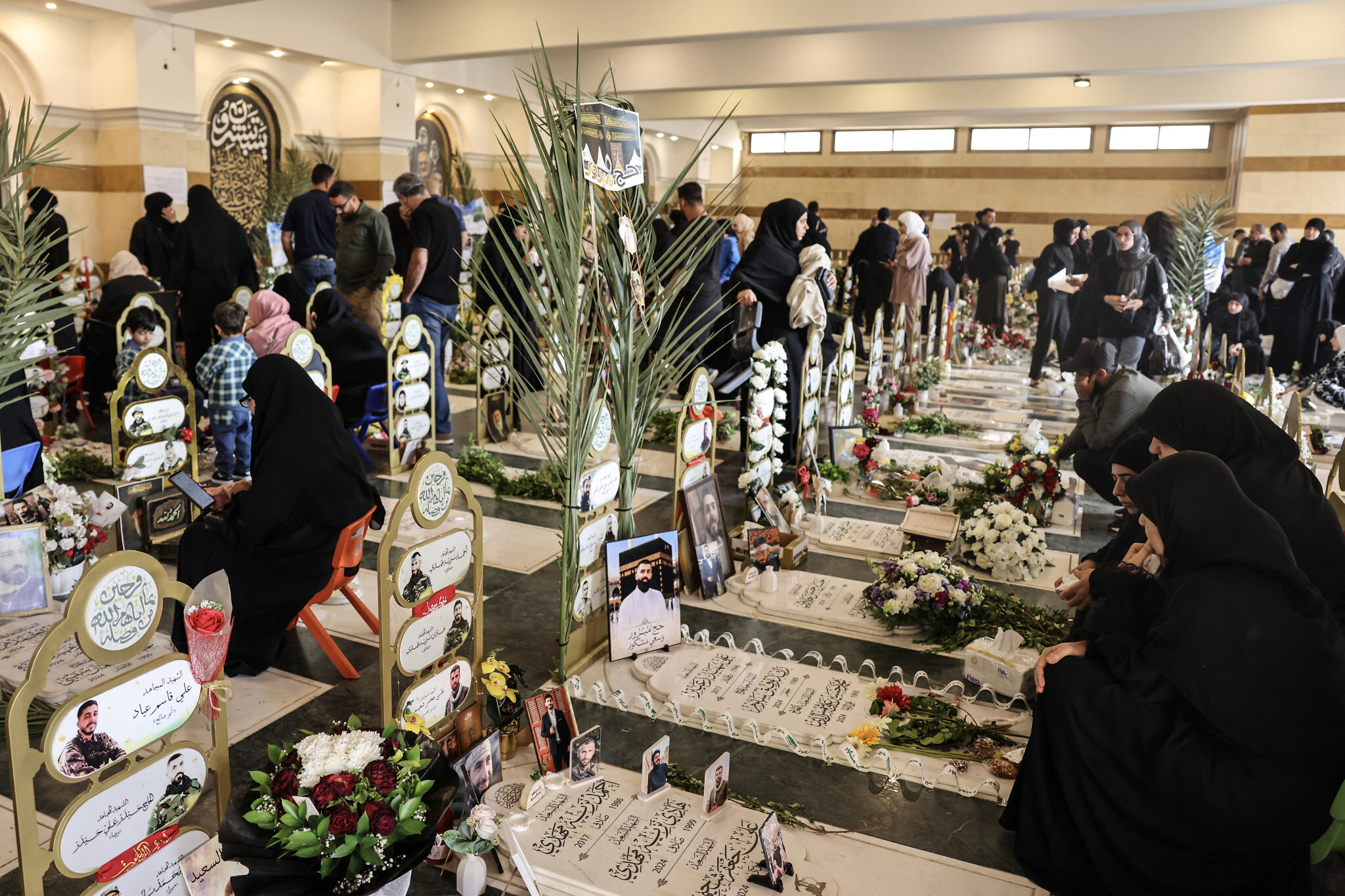
A martyr poster circulating on social media appeared to confirm the operative’s death, though the terror group no longer makes official announcements of its fatalities.
Additionally, the Israeli Air Force on Thursday night struck a launcher used by Hezbollah to fire rockets at troops in southern Lebanon, the military said.
It published footage of the strike.
The IDF also said Friday it killed a Hezbollah operative who used a United Nations base in southern Lebanon.
On Thursday, troops identified the Hezbollah operative while he was “operating inside a UNIFIL site in Burj Qalaouiyah area in southern Lebanon, exploiting the site for military purposes and endangering UN personnel operating in the area,” Lt. Col. Ella Waweya, the IDF’s Arabic-language spokeswoman, said.
A short while later, the operative left the UNIFIL site in his vehicle and approached Israeli forces “in a manner that posed an immediate threat,” she said.
“Following his identification, the IDF carried out a precise strike and eliminated the terrorist, while avoiding damage to the adjacent site and taking steps to minimize the risk of harm to uninvolved individuals,” Waweya said.
UN doubles its aid appeal for Lebanon to $640 million
The UN, meanwhile, more than doubled its aid appeal for Lebanon, saying nearly $640 million was needed over six months.
“The humanitarian crisis in Lebanon is severe and deteriorating,” the UN humanitarian agency OCHA said in a revised appeal for the country.
“Repeated displacements, insufficient shelter capacity and limited prospects for safe return are deepening vulnerability,” it said, warning that “affected people are rapidly exhausting their coping capacities, and essential services are under increasing strain.”
The UN had appealed for $308 million in March to support a massive emergency response led by Lebanon’s government through to the end of May.
On Friday, it said that another $331 million would be needed through the end of August.
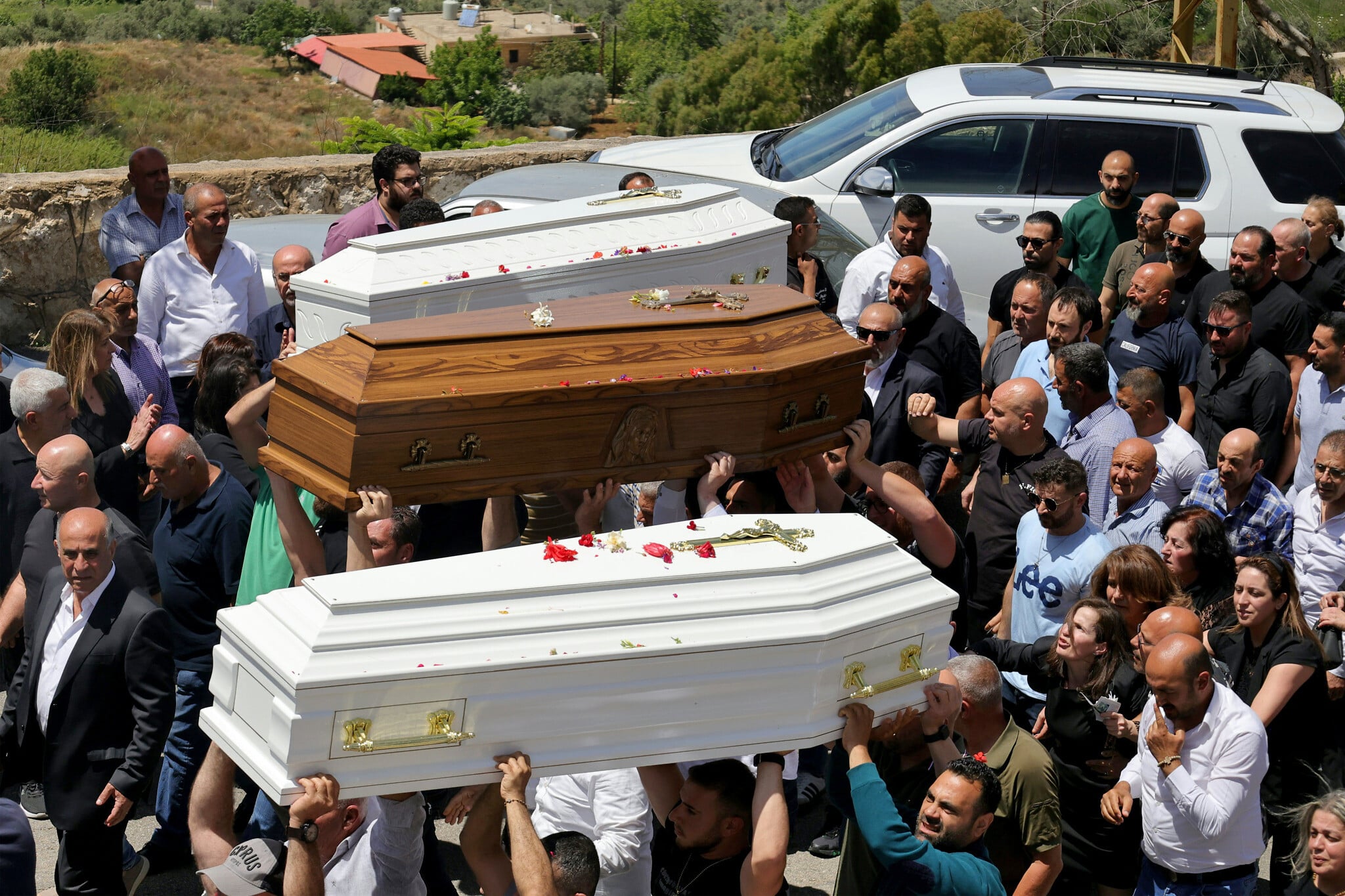
Only $185 million had so far been received out of the initial appeal, OCHA said, adding that that amount had helped provide assistance to around 680,000 people between March 2 and May 31.
The aim now, it said, is to more than double that number to reach all of the 1.4 million people in Lebanon — around a quarter of the population — estimated to need humanitarian assistance in the country.
Lebanon says Israeli attacks have killed more than 3,500 people since Hezbollah drew Lebanon into the wider Middle East war on March 2, firing rockets at Israel in retaliation for US-Israeli strikes that killed Iran’s supreme leader.
The figures do not distinguish between civilians and combatants. Israel estimates it has killed over 2,500 Hezbollah operatives, including hundreds of members of the terror group’s elite Radwan Force, since early March.
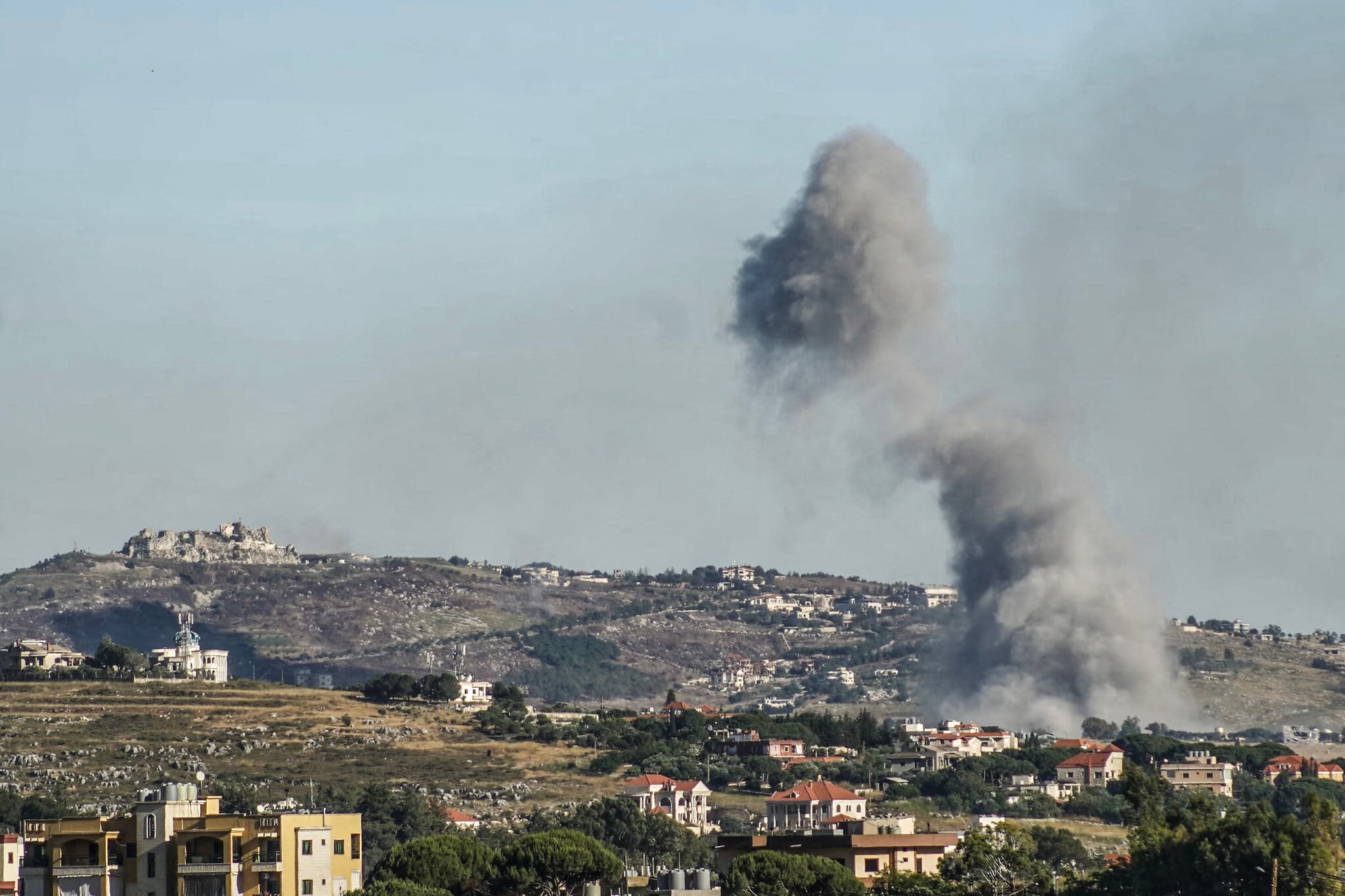
Nearly one million people have fled their homes, while more than 1.2 million are facing acute food insecurity, Friday’s appeal showed.
Price pressure was adding to the misery, with the cost of water, fuel and electricity up more than a third nationally, and as high as 70 percent in the conflict-affected areas, it said.
It also highlighted the strain that the conflict was placing on healthcare in Lebanon, with 62 hospitals and other health facilities either damaged or closed.
OCHA said nearly 450 schools were being used to shelter displaced people, driving learning loss and dropout risks.
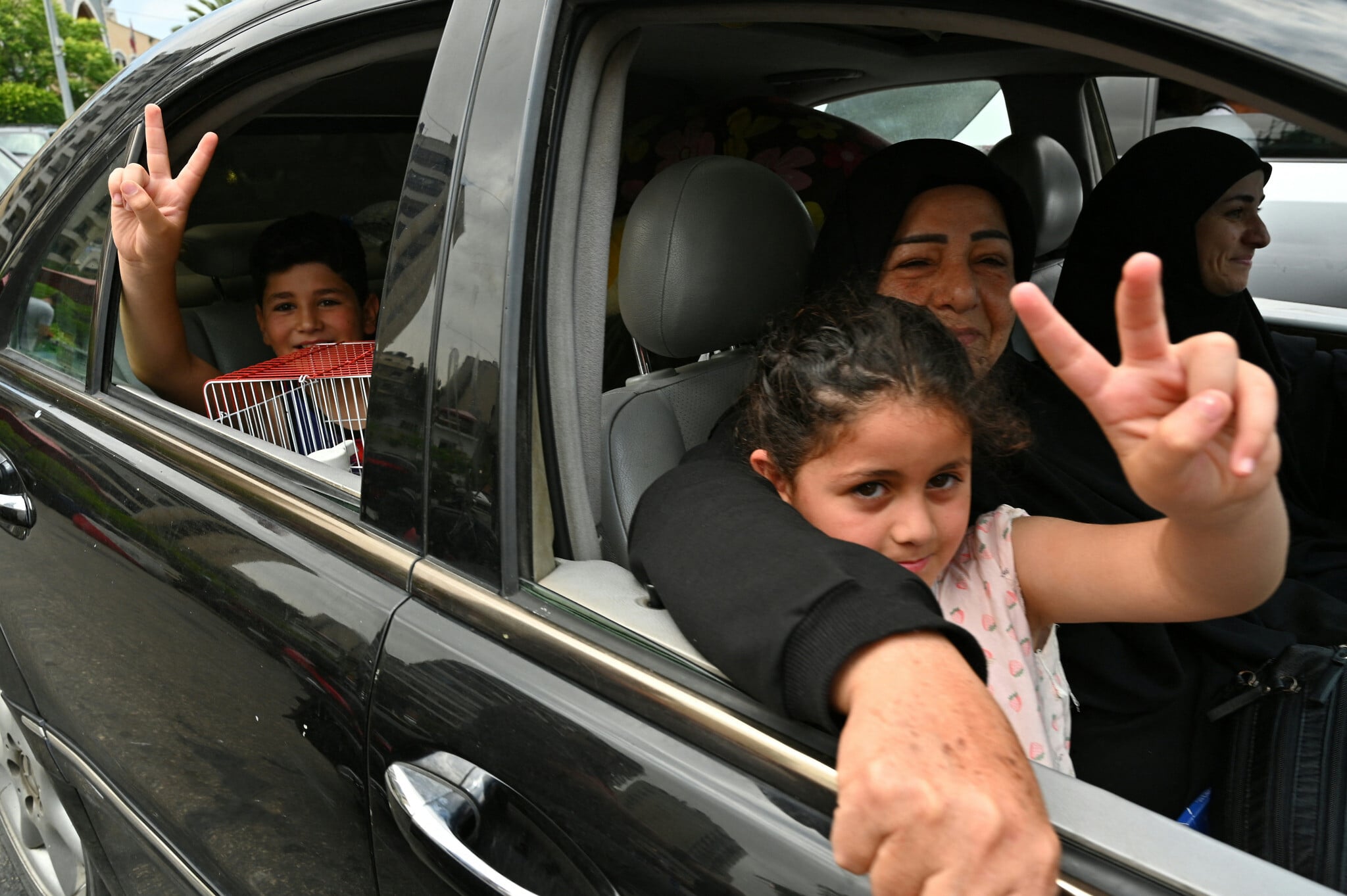
The latest round of fighting in Lebanon began on March 2, when Hezbollah attacked Israel in response to US-Israeli strikes against the Islamic Republic of Iran, the terror group’s sponsor.
Since then, 28 IDF soldiers and one Defense Ministry civilian contractor have been killed, fifteen of them and the contractor since the US announcement of a ceasefire.
Two civilians were also killed by Hezbollah rockets, and an Israeli civilian was mistakenly killed in the north by Israeli artillery shelling.





The Times of Israel Community.