

In first interview, released hostage says he convinced Hamas captors not to kill him
Yosef-Haim Ohana recalls captor putting gun to his head, asking hostages to choose who among them would be killed or hurt; describes beatings in tunnels
 Add ToI as a Preferred Source on Google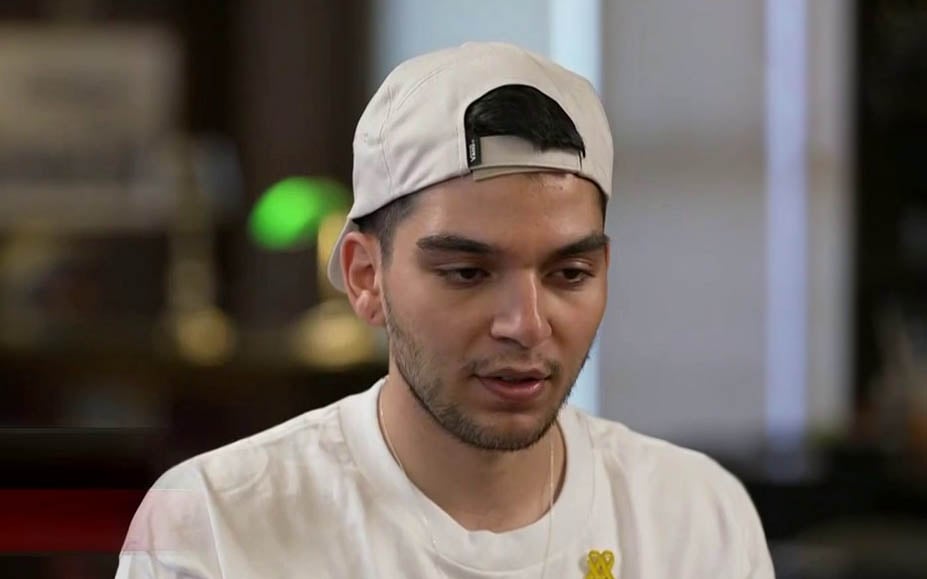
Former hostage Yosef-Haim Ohana recounted being beaten in captivity and convincing his captors not to kill him by appealing to their desire to see Palestinian prisoners released, in his first interview with Israeli television since his release.
In the first location where he was held captive, “suddenly an irritated man enters the room, pulls out his handgun, holds it against my head, [and asks], ‘Tell me how many people have you killed. Now I will kill you,'” Ohana recounted, in an excerpt of the interview aired on Monday. The full interview is to be screened on Tuesday.
“I told him, ‘Zero, zero, I didn’t kill anyone.’ Then he said, ‘Oh, you are lying to me too,’ and was about to shoot me,” Ohana continued. “Then some sheikh came, grabbed his arm and pulled, and told him, ‘Not now.'”
Ohana said that he was sometimes beaten “spontaneously” by captors, but also in “organized” sessions, when captors would tell hostages, “Your country did this or that, and now we are taking revenge.”
“They let us choose between us, who to kill, who to just hurt. They ran a lottery for us,” he said, describing the psychological abuse by the captors.
Ohana also described the tunnel he was kept in: “On one side, there’s a dark corridor; on the other side, there’s a dark corridor. I don’t know, right or left, we have an LED lamp.”
“When someone comes with a lamp, at first, there were periods when we waited for it, maybe they’ll bring us a teapot or something,” he said. “One time they came, we greeted them, and suddenly they started beating us.
“They received an order, and they started beating us. They put us against the wall on one side, they just take off our shirts and beat us,” he said.
“Since then, we’ve called it ‘the lamps are coming.’ And every time we saw the lamps, we had a panic attack. No one knows where to go. ‘Shall I stand? Shall I sit? Who will be the first to take it?’ We want to run as far inside as possible, but then we realize that it won’t look good and that we have to spread out over the whole room,” Ohana said. “We would prefer that they don’t come for a week, two weeks, a month, that they leave us alone.”
He said he convinced his captors not to kill him by “using their logic,” knowing that he was an “important card” for the terror group.
In one instance, he recounted telling a captor who was about to kill him: “What, now you will take revenge on me to satisfy your people, but what about the prisoners who are waiting to be released in exchange for me in prison, to be released and see their family? If I’m dead, fewer prisoners will be released.”
Ohana was abducted from the Supernova music festival on October 7, 2023, during the Hamas-led massacre in southern Israel, when 1,200 people, mostly civilians, were killed, and 251 hostages were taken.
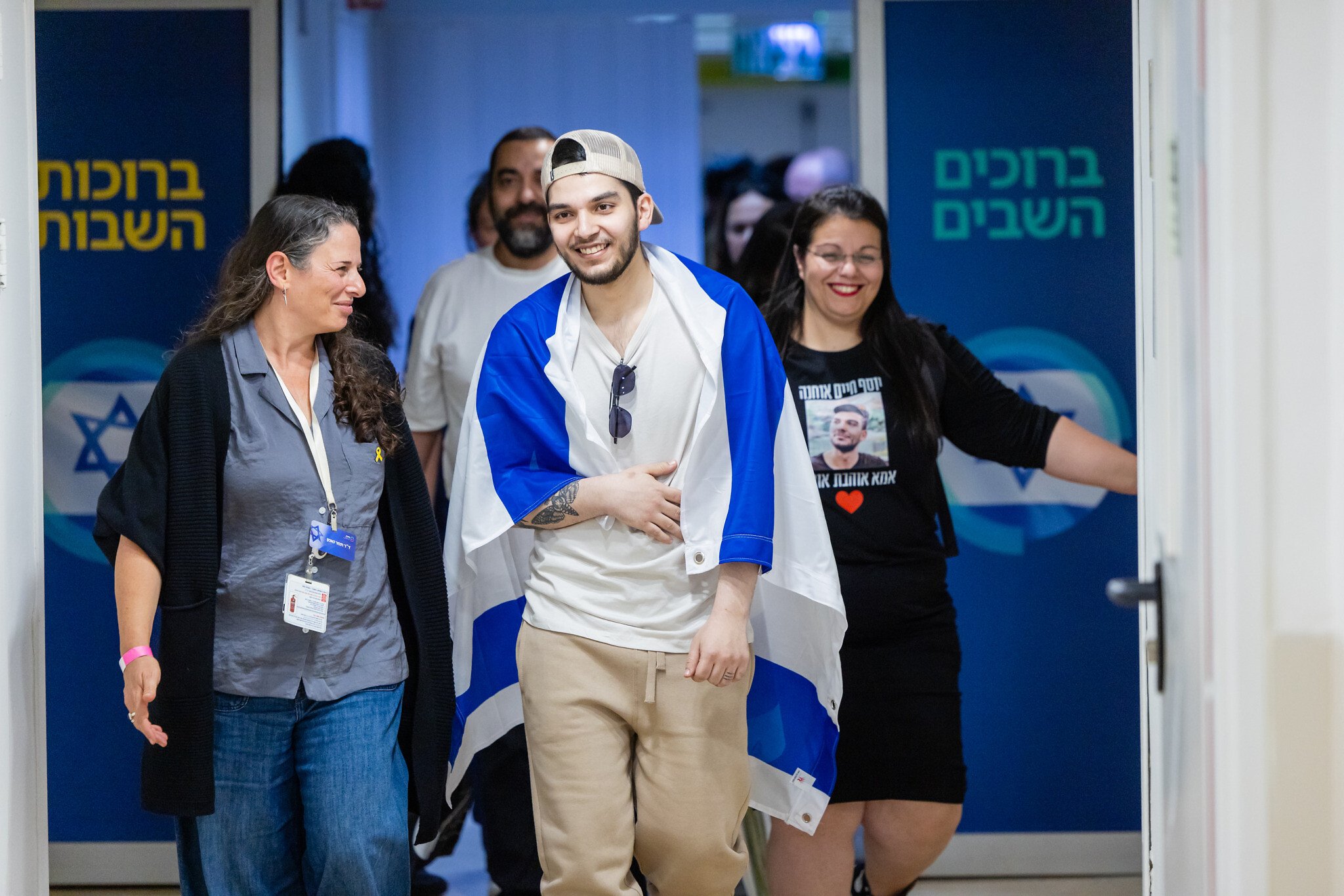
He was among the 20 living hostages released earlier this month after 738 days in captivity, as part of phase one of US President Donald Trump’s plan to end the war in Gaza. The remains of 13 slain hostages, including a soldier killed fighting in the 2014 Gaza war, are still in Gaza.
Ohana was discharged from the hospital last week and returned to his home in Kiryat Malachi.


The Times of Israel Community.