

In no mood for fight, Hezbollah downplays reported Israeli strike
With its hands full in Syria, the Lebanese Shiite group would like to convince the public that Monday night’s raid isn’t worth a response

 Add ToI as a Preferred Source on Google
Avi Issacharoff, The Times of Israel's Middle East analyst, fills the same role for Walla, the leading portal in Israel. He is also a guest commentator on many different radio shows and current affairs programs on television. Until 2012, he was a reporter and commentator on Arab affairs for the Haaretz newspaper. He also lectures on modern Palestinian history at Tel Aviv University, and is currently writing a script for an action-drama series for the Israeli satellite Television "YES." Born in Jerusalem, he graduated cum laude from Ben Gurion University with a B.A. in Middle Eastern studies and then earned his M.A. from Tel Aviv University on the same subject, also cum laude. A fluent Arabic speaker, Avi was the Middle East Affairs correspondent for Israeli Public Radio covering the Israeli-Palestinian conflict, the war in Iraq and the Arab countries between the years 2003-2006. Avi directed and edited short documentary films on Israeli television programs dealing with the Middle East. In 2002 he won the "best reporter" award for the "Israel Radio” for his coverage of the second intifada. In 2004, together with Amos Harel, he wrote "The Seventh War - How we won and why we lost the war with the Palestinians." A year later the book won an award from the Institute for Strategic Studies for containing the best research on security affairs in Israel. In 2008, Issacharoff and Harel published their second book, entitled "34 Days - The Story of the Second Lebanon War," which won the same prize.
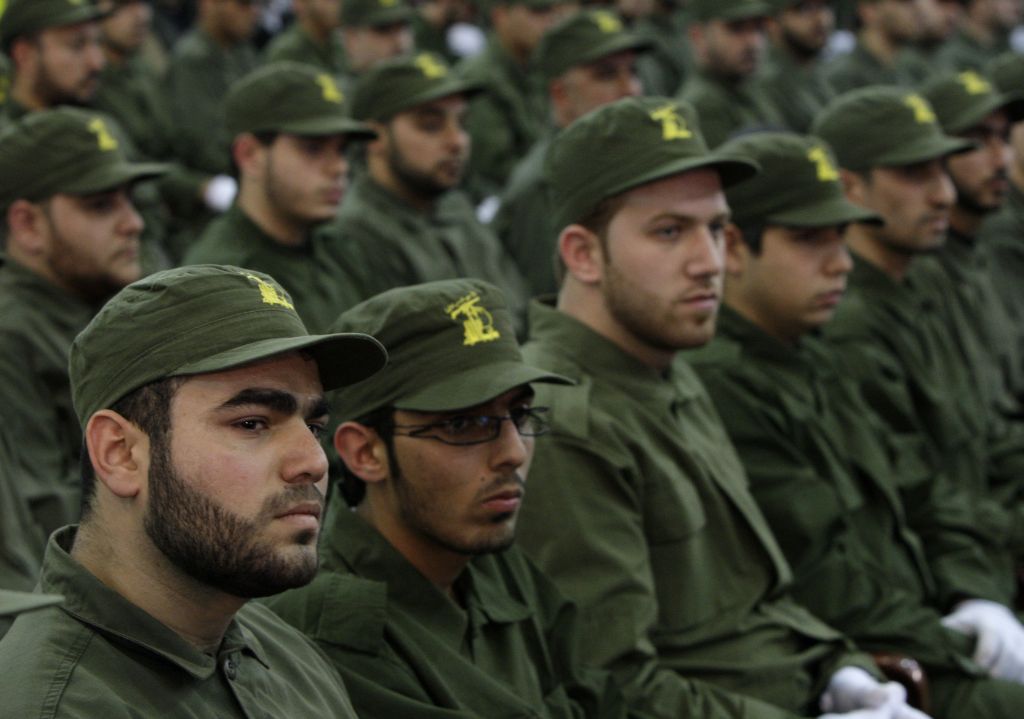
The morning after Israeli planes reportedly attacked Hezbollah targets on the Lebanon-Syria border, many in Israel’s defense community are wondering how the Shiite terror group will respond, if it does so at all.
Hezbollah has so far offered few clues, downplaying or ignoring the reports of multiple strikes Monday night on a missile shipment or missile base in the Baalbek region.
On Tuesday morning, Hezbollah’s al-Manar channel opened its news broadcast with clashes on the Temple Mount between Palestinians and Israeli police (or “forces of the Zionist enemy” in its terminology).
The most overt reference on the al-Manar website to the reported Israeli attack was that “senior security officials did not confirm that there was an attack.”
Earlier, the network said there had been “no raid on Lebanese territory,” reporting only the “strong presence of enemy planes over the area north of Bekaa” in eastern Lebanon.
The al-Mayadeen channel, considered close to Hezbollah, also buried news of the attack late Monday. Its headline emphasized that “there were no injuries or damage” in the raid, contradicting reports of Hezbollah casualties in al-Arabaiya. The report seemed to telegraph to the Lebanese public how inconsequential the attack was.
This is how Hezbollah’s media operates. The late hour of the incident and its location, in a mountainous area right on the border, gave Hezbollah room to smudge the details of what exactly happened, and avoid the question many people are asking today in Lebanon: Did the missiles strike a target inside Lebanon or not?
Hezbollah, though, may be trapped by the wide availability of other, independent news sources. Minutes after the strike, independent Lebanese media were already reporting that missiles fired from IAF jets hit inside Lebanon.
Hezbollah, which has always boasted about being the defender of Lebanon, is trying to downplay the attack in a bid to avoid an ill-timed confrontation with Israel.
The Lebanese public understands by now that Hezbollah is up to its neck in the war in Syria. It sends its elite forces and invests most of its military efforts there, making an additional conflict against Israel unnecessary and highly risky. In addition, Hezbollah only recently joined the new unity government in Lebanon, and received several very senior portfolios.
Despite the radio silence early Tuesday, however, the organization will not want to let this attack go unpunished forever. The laundry list of incidents it needs to respond to is only getting longer: the assassination of Hassan Laqis, strikes in Syria, and of course the hit on Imad Mughniyeh in 2008.
It’s likely that Hezbollah will keep the Lebanese-Israeli front quiet, but that doesn’t mean it won’t try to act elsewhere. A string of attempted attacks in 2012, including the deadly bus bombing in Burgas, Bulgaria, underline that it could seek revenge by planning attacks on Israeli and Jewish targets abroad.








The Times of Israel Community.