

Iran supreme leader condemns Saudi embassy attack
Khamenei calls aggression ‘a very bad and wrong incident’; assault came after Riyadh executed prominent Shiite cleric
 Add ToI as a Preferred Source on Google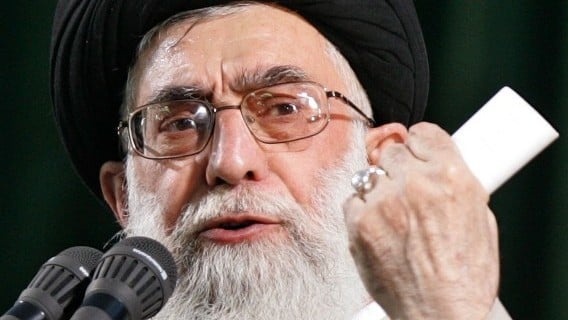
Iran’s supreme leader Ayatollah Ali Khamenei for the first time on Wednesday publicly condemned the January 2 attack on Saudi Arabia’s embassy in Tehran, calling it “a very bad and wrong incident.”
“Like the British embassy attack before it, this was against the country [Iran] and Islam, and I didn’t like it,” he added.
Britain’s embassy in Tehran was attacked in 2011.
The arson attack on Saudi Arabia’s embassy — for which local media reports say as many as 140 people have been arrested — led to Riyadh quickly severing diplomatic ties with Tehran.
The violence occurred hours after Saudi Arabia executed prominent Shiite cleric and activist Nimr al-Nimr for crimes against the kingdom.
The attack was followed by a mob taking selfies and smartphone video footage of themselves holding items stolen from inside the building, causing deep embarrassment in Tehran.
President Hassan Rouhani and other officials condemned the attack — seen by millions worldwide via social media — within hours and he has urged speedy prosecution of those involved.
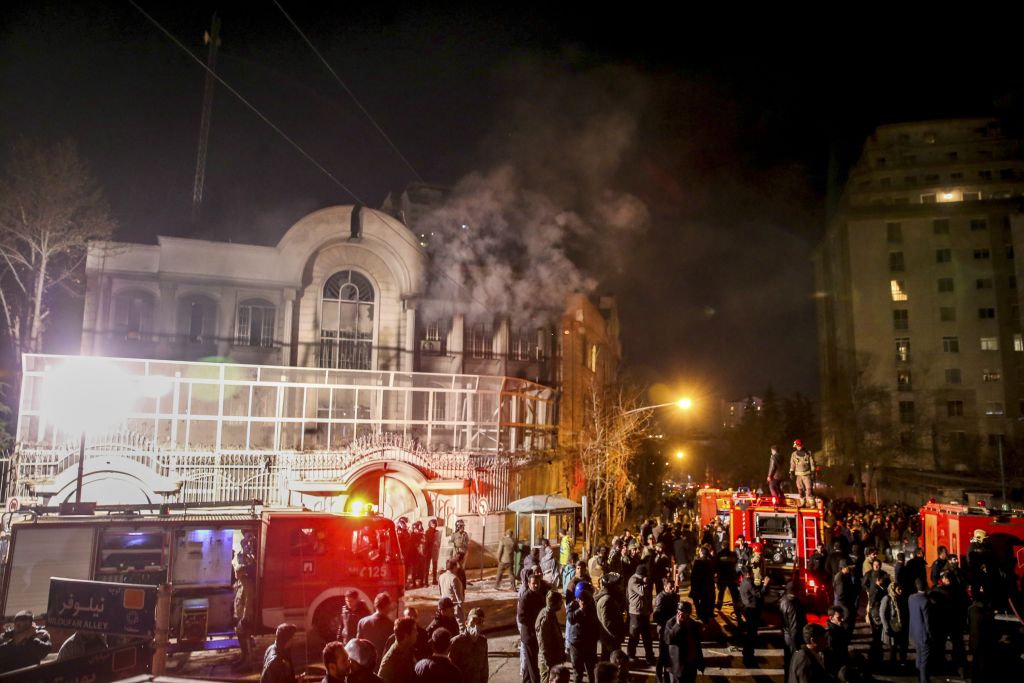
Iranian authorities have said that those detained over the incident included its ringleader but no charges have been announced.
Nimr, a Saudi Shiite who spent more than a decade studying theology at Iran’s seminaries, was a force behind anti-government protests in eastern Saudi Arabia in 2011.
He was put to death at the beginning of January along with 46 Shiite activists and Sunnis who Saudi Arabia said were involved in al-Qaeda killings. Some were beheaded, others were shot by firing squad.
Khameini had said that Saudi Arabia would face “divine revenge” for the execution.




The Times of Israel Community.