

Jerusalem bus drivers will stop accepting cash
From Thursday, commuters may only use a Rav-Kav smart card with special chip; most charging stations in capital don’t accept cash
 Add ToI as a Preferred Source on Google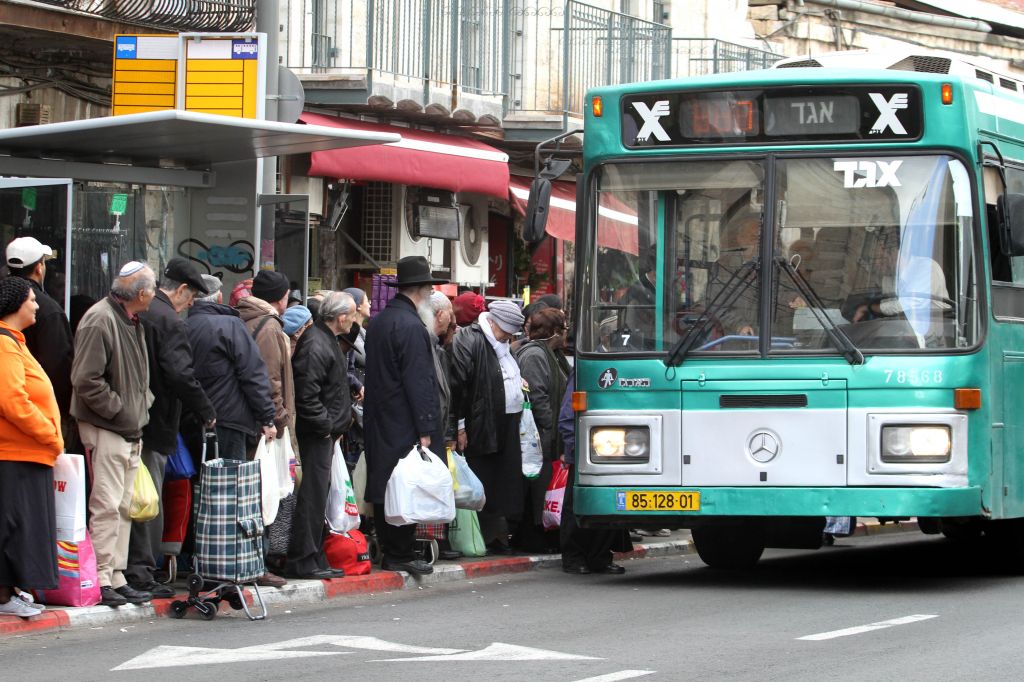
Starting Thursday, Jerusalem commuters will no longer be able to use cash to purchase a ticket or fill up their Rav-Kav smart card on buses, the Egged bus company announced.
Residents of the capital were angered by the news that passengers will have to recharge their bus cards using a smartphone application or at special charging stations throughout the city.
A large percentage of regular bus travelers are elderly or members of the ultra-Orthodox community, many of whom do not use smartphones. The capital also sees an influx of foreign tourists who don’t hold the electronic cards.
Egged also admitted that only one-quarter of the 400 charging machines in the city accept cash, and most are located in the city center, making it difficult for residents of outlying neighborhoods to refill their card.
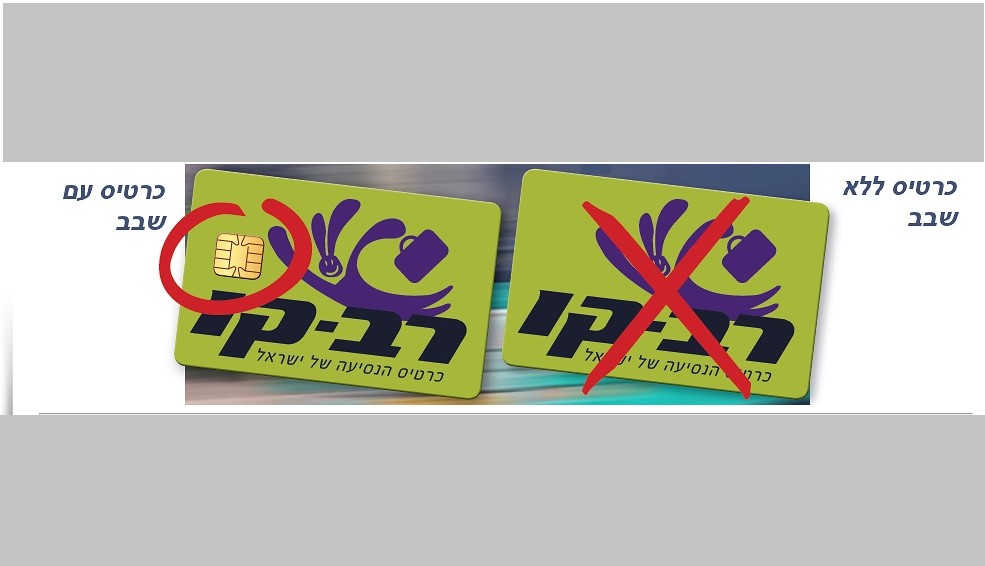
Additionally, from Thursday, only Rav-Kav cards which have an electronic chip will be accepted. When they initially came into use a decade ago, Rav-Kav cards were issued without the chip.
The bus company said the goal of the initiative was to increase driving safety.
The Transportation Ministry confirmed that beginning later this week, Rav-Kav cards for Jerusalem commuters can only be charged at one of the 400 charging stations, using the smartphone app, or from a home computer using a card reader which can be obtained from one of the Rav-Kav stores in the city (Hebrew link).
The ministry said Jerusalem was serving as a pilot for the rest of the country. Egged is a nationwide company, Israel’s largest.









The Times of Israel Community.