

Law mandating that parking lots charge by the minute set to go into effect
New regulations intended to do away with drivers paying for time they didn’t use, but some locations said to have raised rates to cover the loss
 Add ToI as a Preferred Source on Google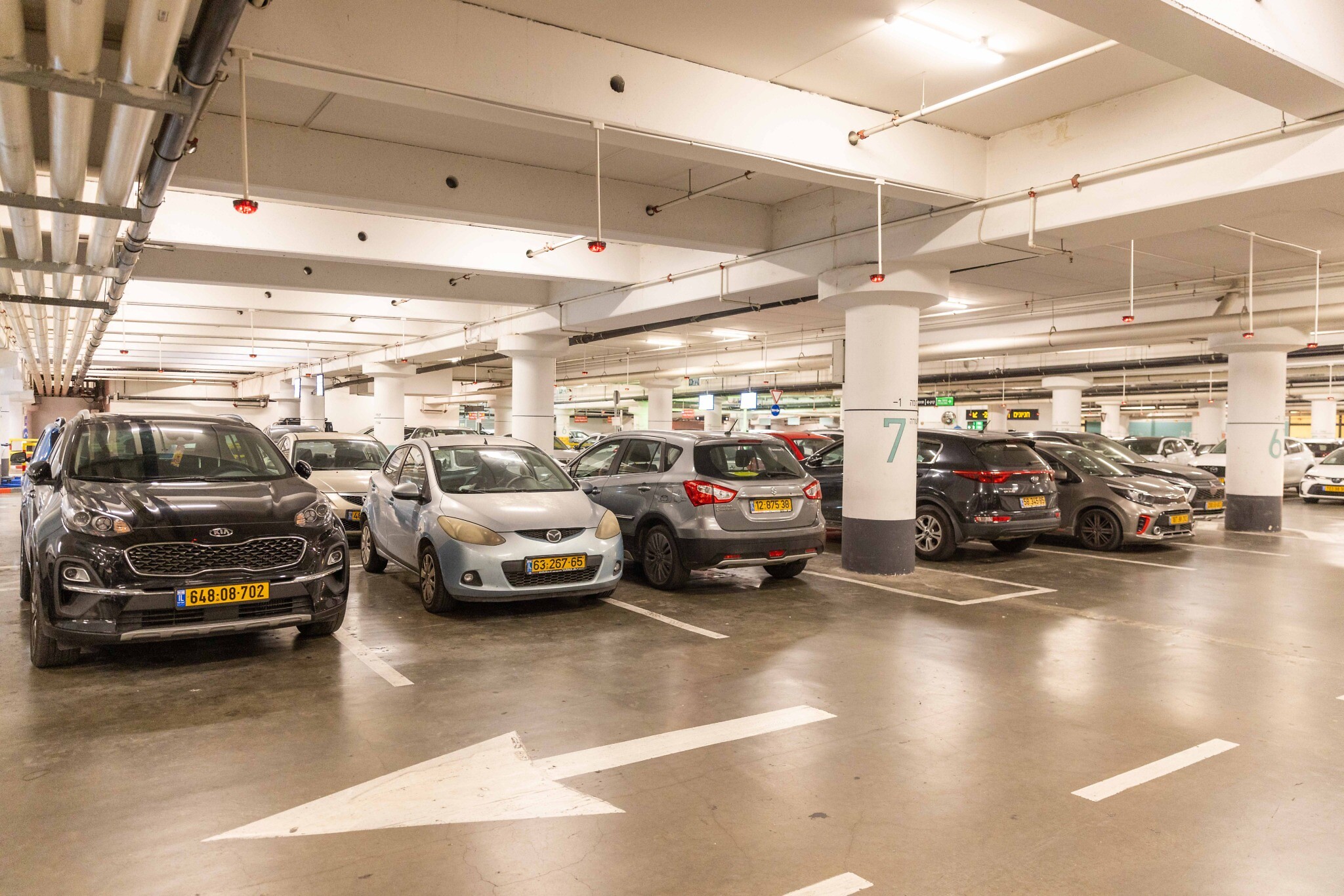
New regulations requiring parking lot operators to charge per minute instead of larger time blocks are set to come into effect next week.
However, according to reports, some locations have responded to the change by raise their rates in order to make up for the loss.
A law regulating the new by-minute charges was passed a year ago. Most parking lots charge in hour, half-hour, or quarter-hour chunks of time, often leaving drivers to pay for parking they did not use. Lot operators were given a year to prepare for the adjustment.
The legislation was sponsored by opposition MK Naama Lazimi, who told the Ynet news outlet on Thursday that “there is no reason for us to pay in parking lots for rounded hours when we aren’t using them at all. It is not logical that a person who stops for a few minutes should pay for a whole hour.”
Lazimi said that she is “happy for the opportunity to correct an injustice and restore basic fairness to consumers,” she said.
But some locations have already begun pushing up their prices, Israeli news outlets reported.

At the TLV parking lot in Tel Aviv, the cost previously was NIS 20 for one hour of parking, but is now NIS 0.5 per minute, adding up to NIS 30 for an hour, Channel 13 reported.
Meanwhile, a woman in Raanana told Ynet that whereas previously she had paid NIS 27 for about 40 minutes of parking at the lot she frequents, on Thursday the bill came to NIS 35.
“I ended up paying more even though it is supposed to be cheaper,” she told the news site.
The new law does not apply to parking lots that have a daily or weekly rate.
Lot operators had opposed the changes and, during the bill’s preparation last year, warned that the change could even lead to violent confrontations at exit points from sites, Ynet reported.
They also said the law would harm smaller parking lot operators who do not have a computerized system and who would need to purchase expensive equipment to cope with the change.










The Times of Israel Community.