

Leave a light on for south Tel Aviv
An annual festival seeks to illuminate some of the most neglected corners of the White City
 Add ToI as a Preferred Source on Google
Melanie Lidman is an AP reporter and former Times of Israel reporter

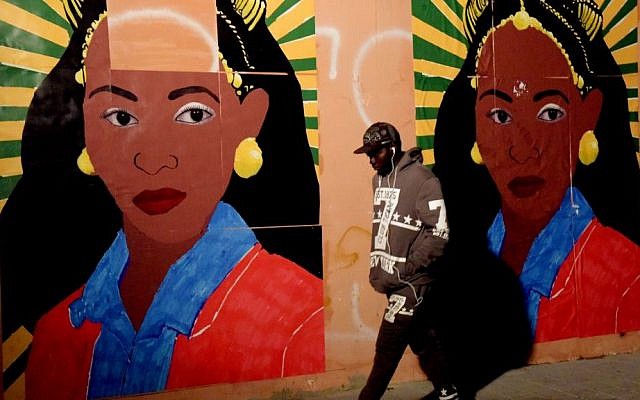
On some of the shortest nights of the year, artists lit up the streets of south Tel Aviv with light installations throughout the neighborhood of Neve Shaanan near the Central Bus Station.
The annual “Night Light” festival is an attempt by local residents and artists to illuminate some of the most neglected corners of Tel Aviv, which have been overrun by crime and prostitution since the decades-long construction of the Central Bus Station overtook the neighborhood starting in the 1960s.
The Hebrew name of the three-day festival, which ran from December 24 to 26 and was co-produced with the Tel Aviv municipality, is “Menorat Laila,” a play on the utopian vision of Neve Shaanan. The neighborhood streets were designed like a menorah, with Levinsky Street as the “shamash” or central candle. The bus station, which hampered the natural urban development of the neighborhood by isolating it from the rest of the city, currently occupies a quarter of the menorah.
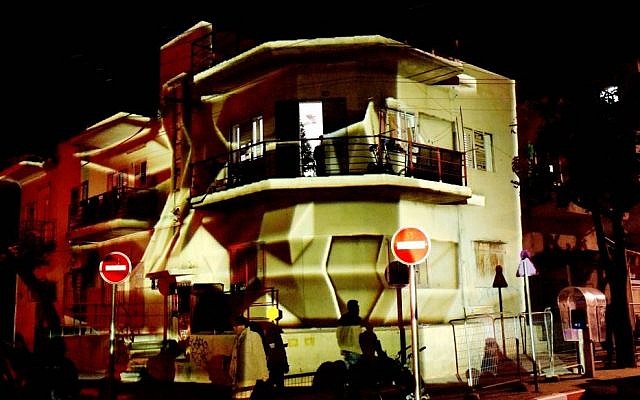
Light installations played on the gritty character of the neighborhood, illuminating abandoned, half-destroyed buildings or empty lots. Unlike last year’s event, where most of the participants were Israeli tourists venturing into the neighborhood for the first time, the visitors this year were a mix of neighborhood residents and visitors. Foreign workers, asylum seekers, and Israelis boogied together at the interactive installations and a DJ party.
One installation on the side of a decrepit building projected a video painting the wall pristine white, while others used noise-sensitive meters to make lights dance at an intersection when cars drove through. Mattresses strewn around the neighborhood seemed like part of regular life until passersby realized they were illuminated from the inside, an interesting critique on the neighborhood.



The Times of Israel Community.