

Lithuania to blacklist Holocaust denier David Irving
Country’s top diplomat says people like controversial British historian who trivialize Nazi genocide ‘are not welcome in our country’
 Add ToI as a Preferred Source on Google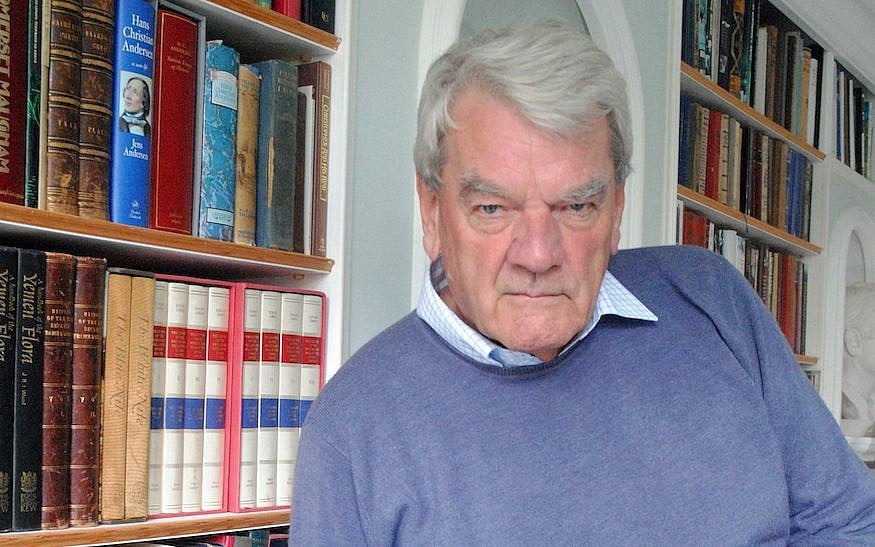
VILNIUS, Lithuania — Lithuania has moved to blacklist Holocaust denier David Irving to prevent him from entering the Baltic EU state should he try to do so later this year, the country’s top diplomat said on Tuesday.
“Holocaust denial and praising Adolf Hitler is a crime in Lithuania. Persons who spread these ideas are not welcome in our country,” Foreign Minister Linas Linkevicius told AFP.
The minister said he would request the migration department to officially blacklist Irving, who could attempt to enter Lithuania later this year.
The controversial British historian, who was jailed in Austria in 2006 for denying the Holocaust, said he planned to visit neighboring Poland this year.
In 2010, Irving led a controversial tour of World War II sites in Poland, including the former Treblinka death camp, drawing outrage and condemnation from Holocaust survivors and anti-racism groups.
Polish Foreign Minister Jacek Czaputowicz said in March that this time around, Irving “will not be accepted in Poland,” where Holocaust denial is also outlawed.
“This will be the decision of our government, we have already taken some steps in this matter,” Czaputowicz said, quoted by the Polish PAP news agency.
Irving is the author of “Hitler’s War,” a book that attempts to minimize both Nazi atrocities and Hitler’s responsibility for them.
Under Lithuanian law, anyone found guilty of denying or “grossly trivializing” the Holocaust faces a penalty of up to three years behind bars.
Before World War II, Lithuania’s vibrant Jewish community numbered around 200,000 people. Over 90 percent of them perished between 1941 and 1944 during the Holocaust at the hands of the Nazis and their local collaborators.






The Times of Israel Community.