

 From the Liveblog of
Monday, April 20, 2026
From the Liveblog of
Monday, April 20, 2026
Gaps on nuclear program remain, missile program not up for discussion with US, senior Iranian source says
 Add ToI as a Preferred Source on Google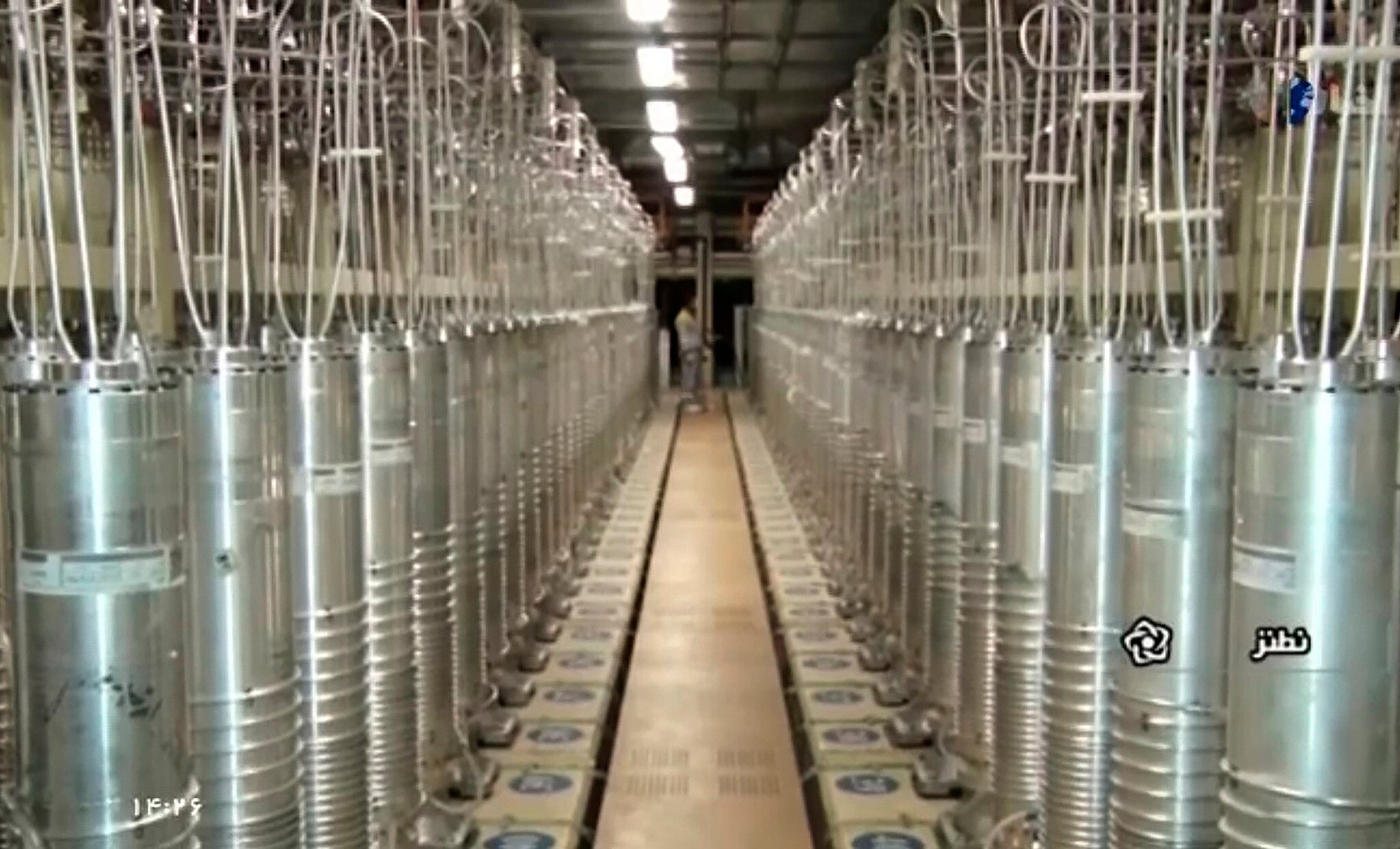
Differences over Iran’s nuclear program still remain, a senior Iranian source tells Reuters, as Iran and the United States try to reach a lasting peace with the two-week ceasefire ending soon.
The senior Iranian source says that Tehran’s “defensive capabilities,” including its missile program, are not open to negotiation with the United States.
“Continuation of the US blockade on the Strait of Hormuz undermines the peace talks,” the source says.
The IDF has said that the most significant blow during the war was to Iran’s arms production industry, with the military reporting that it struck all of the key sites used to develop weapons that threaten Israel. Israel has said that these strikes have caused significant damage to Iran’s ballistic missile production industry, and as a result, it currently cannot manufacture any new missiles.
However, in a briefing for reporters on Friday, senior military officials said that they assess that Iran will quickly work to return some manufacturing capabilities.
According to the Military Intelligence Directorate’s assessments, had Israel and the US not launched the war against Iran in late February, Iran would have built a stockpile of some 8,000 ballistic missiles within a year and a half. Such a quantity of missiles would challenge Israel’s air defenses and would be able to cause massive and widespread damage in Israel.

Now, within a few years, Iran will likely be able to amass several thousand missiles, according to the Intelligence Directorate’s assessments, although it depends on numerous variables.
Such variables include possible limitations on Iran’s missile program as part of a deal with the US; whether Iran receives raw materials and equipment from its allies, like China; and how much money Iran will invest in restoring its missile production industry.







The Times of Israel Community.