

 From the Liveblog of
Monday, April 7, 2025
From the Liveblog of
Monday, April 7, 2025
Likud spokesman vows Haredi draft bill will pass, stresses it will preserve Torah learning
 Add ToI as a Preferred Source on Google
Sam Sokol is a former political correspondent at The Times of Israel. He was previously a reporter for the Jerusalem Post, Jewish Telegraphic Agency and Haaretz. He is the author of "Putin’s Hybrid War and the Jews"
Likud party spokesman Guy Levy promises the passage of a long-delayed bill regulating ultra-Orthodox enlistment, stating that “the army needs more soldiers but we are not willing to give up on the Torah world and Torah learners.”
Speaking with Radio Kol Barama, Levy says that his party is advocating for the needs of the ultra-Orthodox to the degree that “there are complaints [among the Likud base] that we are fighting for the Haredi public more than for our own public.”
Despite this, Levy insists that Likud wants to pass “a real enlistment law” that will “bring about the enlistment of wide swathes of the Haredi public because the army really needs that.”
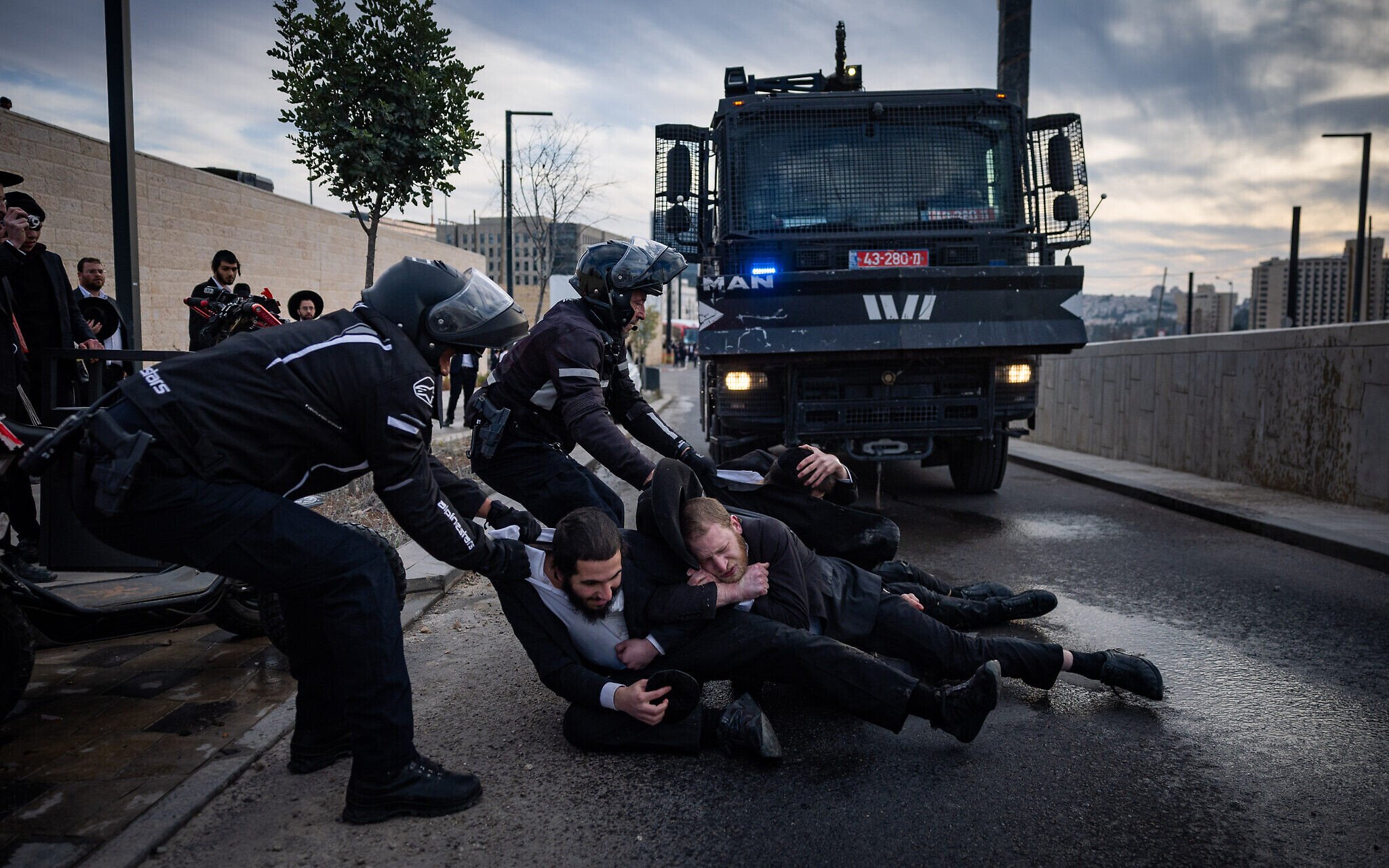
The Haredi community’s leadership is vehemently opposed to young Haredi men serving in the military, fearing they will be secularized and figures presented to the Knesset Foreign Affairs and Defense Committee last week showed that almost all ultra-Orthodox men called up for military service in recent months have declined to serve.
The IDF sent out 10,000 initial draft orders to members of the Haredi community in several waves between July 2024 and March 2025. According to Lt. Col. Avigdor Dickstein, head of the Haredi branch of the IDF’s Personnel Directorate, only 205 of those who have received orders have actually enlisted.
In total, 1,721 Haredim have joined the army since the beginning of the current recruitment cycle last year. Currently, approximately 66,000 Haredi men between the ages of 18 and 24 are eligible for military service and have not enlisted.
The Knesset’s ultra-Orthodox Shas and United Torah Judaism parties have long demanded a bill enshrining the exemption of the yeshiva students from military service — struck down by the High Court last summer — in law. It has been held up in the Knesset due to objections by both opposition MKs and members of Prime Minister Benjamin Netanyahu’s coalition.
Following the passage of the 2025 state budget in late March, UTJ’s rabbinic leadership gave Netanyahu three months to pass the legislation.









The Times of Israel Community.