

 From the Liveblog of
Wednesday, May 21, 2025
From the Liveblog of
Wednesday, May 21, 2025
Netanyahu: Money from Qatar didn’t fund Oct. 7, which used cheap means; Qatargate is a ‘libel’
 Add ToI as a Preferred Source on Google
Lazar Berman is The Times of Israel's diplomatic reporter
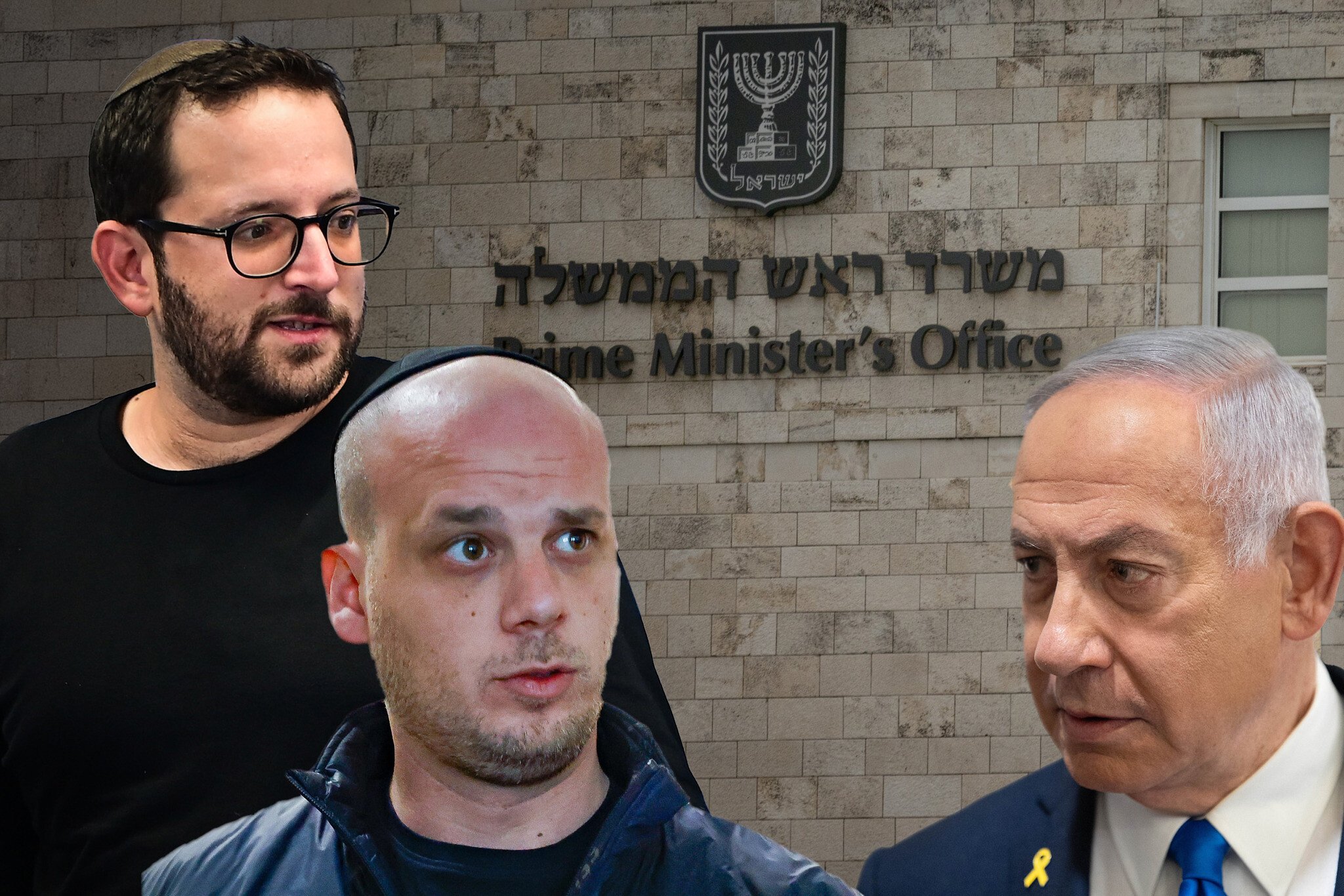
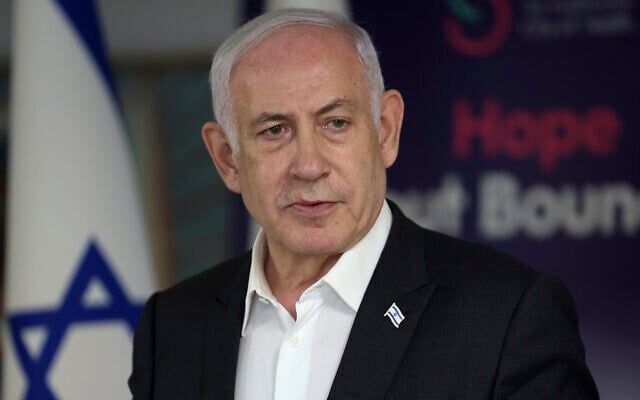
Asked about the Qatargate scandal during his press conference, Prime Minister Benjamin Netanyahu says he “didn’t know anything” about his aides allegedly getting money from Qatar to boost the Gulf nation’s image, and that he still doesn’t know what happened.
He says that the “big lie” is that he was involved, and those who say that he received money from Qatar will be sued.
Netanyahu claims that he attacked Qatar publicly while others, including the Shin Bet, praised it, and that Israel is using the Qataris to assist in getting the hostages out.
Qatar still supports Hamas, Netanyahu says. “Qatar is not a friendly state for us.”
The accusations will be shown to be fabricated, he predicts, adding that he doesn’t see any reason for his aide Jonatan Urich — who was released today from house arrest — to be held by police. “It will be shown to be a total libel,” says Netanyahu.
Netanyahu says that all the officials receiving money from Qatar must cease doing so.
“Qatar is not a friendly country,” he says, adding that he is allowing a law defining Qatar as an enemy country to go through. “Maybe the time has come to say the things in the clearest way possible, to our American friends as well. We are saying it,” he says, adding that contacting Qatar on the hostage issue must be permitted under the law.
He says money transferred by Qatar to Hamas was given “on the recommendation of the Shin Bet and the Mossad.”
He denies that money sent from Qatar to Hamas, at Israel’s request, enabled the October 7, 2023, attacks. Hamas attacked wearing sandals, holding AK-47s, and riding pickup trucks, he says, all of which are inexpensive, and that no tunnels that Hamas might have built with the money penetrated into Israel since he ordered an underground barrier built. Hamas didn’t have F-35s or tanks, he notes.
He says that the failures of October 7 must be investigated, and they will be fully examined.
“Everyone will bear the true responsibility. We need an objective commission, unbiased,” he argues. “How did it happen that there was no one next to the fence. How did it happen that there was a directive not to be next to the fence… How did it happen that the Air Force received orders to operate only hours after the attack. How did it happen?”
He says there was one kibbutz, Ein HaShlosha, where that directive was not given, “and nothing happened there — the community was not invaded, and the terrorists were killed.”
The government hasn’t formed any commission of inquiry for 19 months, and it opposes a state commission of inquiry, which successive polls show is the preferred option for most Israelis.
Netanyahu also says he has met with Einav Zangauker and spoken to her at length about the condition of her son Matan in Hamas captivity.
He says the combination of military and diplomatic pressure will enable the release of the hostages.
He says no small country like Israel has had to fight a seven-front war, least of all facing a power like Iran, “and we have turned the tables,” having been seen as being on the verge of destruction. “Now, everyone recognizes” that Israel is “the strongest power in the Middle East.”
Asked why he doesn’t resign or at least go back to the public for a renewed mandate after the October 7 failings, Netanyahu says: “I let the public decide every day… Every day, I am open to criticism… I face the test of the public every week… If there is a vote of no-confidence, the public will have made its will known. This will happen in elections, when they come,” he says, but insists that Israel does not need elections, or a state commission of inquiry, in mid-war.


The Times of Israel Community.